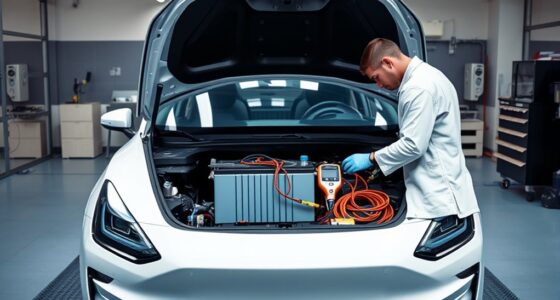

Your vehicle’s emissions system includes components like the catalytic converter, sensors, and exhaust manifolds, all working together to reduce pollutants and keep your car legal. The catalytic converter transforms harmful gases into safer substances, while sensors monitor exhaust to optimize performance. Signs of issues include strange noises, poor fuel economy, or your check engine light. Regular tests guarantee your system stays functioning properly. Keep exploring to discover how maintenance keeps emissions in check and your vehicle compliant.
Key Takeaways
- Vehicle emissions systems include components like catalytic converters, oxygen sensors, and exhaust manifolds that reduce harmful pollutants.
- The catalytic converter transforms toxic gases into less harmful substances, ensuring environmental safety and legal compliance.
- Emissions testing evaluates pollutant levels through tailpipe or dynamometer tests to determine if a vehicle meets standards.
- Signs of a faulty emissions system include decreased fuel efficiency, check engine light, rattling noises, and increased emissions.
- Regular maintenance and timely repairs of emissions components help prevent failures and ensure ongoing regulatory compliance.

Understanding vehicle emissions systems is essential for ensuring your vehicle runs efficiently and complies with environmental standards. These systems are designed to reduce harmful pollutants released into the atmosphere, helping you meet emission standards set by regulatory agencies. At the heart of this system is the catalytic converter, a key component that transforms dangerous gases like carbon monoxide, nitrogen oxides, and hydrocarbons into less harmful substances such as carbon dioxide, nitrogen, and water vapor. When functioning properly, the catalytic converter plays a crucial role in ensuring your vehicle produces fewer emissions and adheres to legal requirements.
Your vehicle’s emissions system works in tandem with other components like oxygen sensors, exhaust manifolds, and the engine control unit (ECU). The ECU constantly monitors sensors to optimize fuel combustion and emissions output. If any part of this system malfunctions, emissions can increase, leading to failure in emissions testing and potential legal penalties. For example, a failing catalytic converter can cause your vehicle to emit higher levels of pollutants, making it impossible to meet the required emission standards. Recognizing the signs of a faulty converter, such as a decrease in fuel efficiency, a rattling noise, or a check engine light, helps you address issues before they worsen.
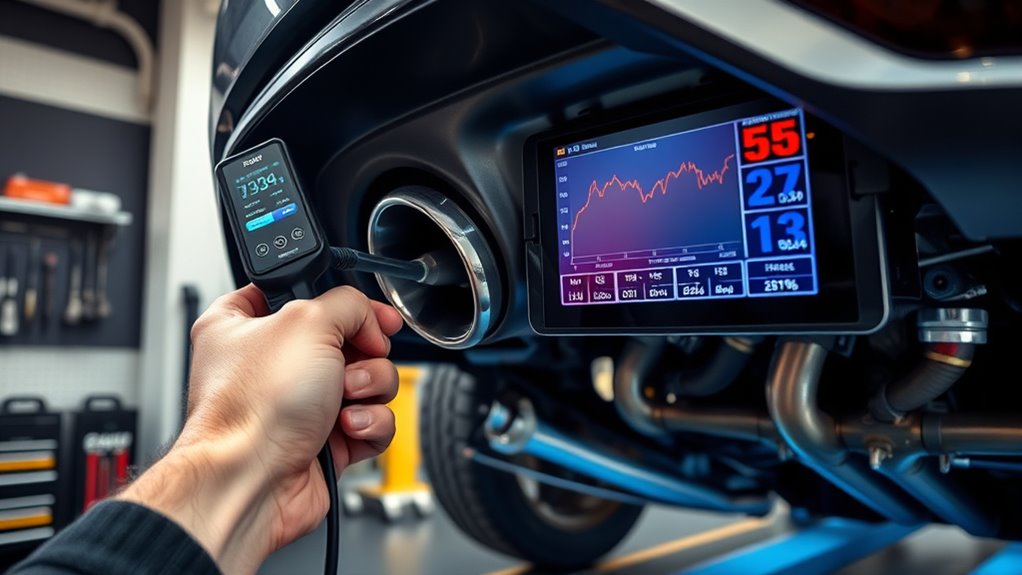
Understanding how your emissions system operates empowers you to maintain it properly. Regular inspections and timely repairs are vital for keeping the catalytic converter and other components in optimal condition. Many jurisdictions require periodic emissions testing to ensure vehicles continue to meet emission standards. During these tests, technicians evaluate your vehicle’s emissions output, often using a dynamometer or tailpipe test. If your vehicle surpasses the permitted limits, it may fail the test, which can lead to expensive repairs or restrictions on vehicle use until issues are resolved.
Keeping your emissions system in top shape benefits both the environment and your wallet. Proper maintenance prevents costly repairs down the line and ensures your vehicle remains compliant with emission standards. Upgrading to high-quality parts or replacing a faulty catalytic converter can substantially reduce your vehicle’s emissions. Additionally, staying informed about local regulations and testing requirements helps you plan vehicle maintenance proactively. Ultimately, understanding your vehicle’s emissions system not only keeps you compliant but also contributes to cleaner air and a healthier environment for everyone.

FOMIUZY Catalytic Converter Kit Fit Honda Accord 2008-2017 Odyssey 08-2019 Pilot 2009-2022 Acura MDX RLX RL RDX TL TLX TSX ZDX 09-2018 Ridgeline 09-2021 Crosstour 2012-2015 3.5L 3.7L 16658 16643 16447
【High Quality】Made of high quality stainless steel, the body part of catalytic converter can achieve the goal of…
As an affiliate, we earn on qualifying purchases.
As an affiliate, we earn on qualifying purchases.
Frequently Asked Questions
How Do Emissions Systems Affect Fuel Economy?
Emissions systems impact your fuel economy by optimizing how your vehicle burns fuel. Catalytic converters reduce harmful emissions, but if clogged, they can cause your engine to work harder, decreasing efficiency. Proper fuel vaporization guarantees complete combustion, saving fuel. When these components function well, your engine runs smoothly, conserving fuel and improving mileage. Conversely, faulty emissions systems lead to increased fuel consumption and higher emissions, affecting both your wallet and the environment.
What Are Common Signs of Emissions System Failure?
You might notice smoke from the exhaust or a rough engine idle, which are common signs of emissions system failure. These issues occur when components like the catalytic converter or oxygen sensors malfunction. You could also experience decreased fuel efficiency, increased emissions, or warning lights on your dashboard. If you see smoke or your engine runs rough, it’s a good idea to have your vehicle inspected promptly to prevent further damage.
Can Emissions Tests Be Performed at Home?
You can perform basic emissions tests at home, but keep in mind it’s a bit of a tall order. With DIY diagnostics and emissions device installation, you can use OBD-II scanners to check engine codes and monitor emissions-related data. However, for official testing, most states require professional inspections with specialized equipment. Think of it as trying to fix a clock with a hammer — some tasks are better left to the pros.
How Often Should Emissions Systems Be Inspected?
You should inspect your vehicle’s emissions systems, including catalytic converters and evaporative systems, at least once a year or every 12,000 miles. Regular inspections help guarantee these components function properly, reducing harmful emissions and preventing costly repairs. If you notice unusual odors, decreased fuel efficiency, or changes in vehicle performance, schedule an inspection sooner. Proper maintenance keeps your emissions system compliant and your vehicle running smoothly.
Are There Environmental Benefits to Maintaining Emissions Systems?
Think of your emissions system as a guardian protecting the environment. When you maintain it, you reduce evaporative emissions that escape into the air, much like sealing a treasure chest. Catalytic converters work tirelessly to convert harmful gases into less damaging substances. Keeping these components in top shape helps lower pollution, improves air quality, and fights climate change, making your vehicle more eco-friendly—an act of environmental stewardship you can be proud of.

Oxygen O2 Sensor Upstream Downstream for Chry 300, for Dodge Challenger Charger Dakota Durango Grand Caravan Journey Neon Nitro, for Jeep Commander Grand Cherokee Wrangler JK 56028994AA, 56028994AB
Application: Oxygen sensor for Chry 200 300 Aspen Pacifica Sebring Town & Country Voyager, for Dodge Avenger Caravan…
As an affiliate, we earn on qualifying purchases.
As an affiliate, we earn on qualifying purchases.
Conclusion
By now, you see how vehicle emissions systems work behind the scenes to keep our air cleaner. Regular testing acts like a gentle reminder to keep everything running smoothly, ensuring you’re doing your part without much fuss. Think of it as a friendly nudge toward a healthier environment, all while your vehicle stays in top shape. Embracing these systems and tests helps you contribute quietly to a brighter, more sustainable future—one smooth ride at a time.

The 2027-2032 World Outlook for Automotive Emission Test Equipment
As an affiliate, we earn on qualifying purchases.
As an affiliate, we earn on qualifying purchases.

Zikefest 2PCS Exhaust Manifold Gasket, 2.56inch Sealed Exhaust Manifold Gasket, Prevent Leaking Between Exhaust Pipe and Exhaust Manifold, Universal Replacement Donut Gasket (65MM)
Compatible: The car flange gaskets fit for most vehicles, Outer Diameter: 3.15"/80mm; Inner Diameter: 2.56"/65mm; Height: 0.67"/17mm; Applicable:…
As an affiliate, we earn on qualifying purchases.
As an affiliate, we earn on qualifying purchases.