
Tire replacement costs depend on your vehicle size, tire brand, and whether you choose eco-friendly options. Larger or specialty tires tend to cost more, and installation fees can vary between shops. Investing in durable, eco-friendly tires may have a higher upfront price but can save you money over time through longer lifespan and better fuel efficiency. To get a clearer picture tailored to your needs, explore the factors impacting these costs further.
Key Takeaways
- Vehicle size, tire brand, and retailer choice significantly influence replacement costs.
- Premium and eco-friendly tires often have higher initial prices but may last longer and save fuel.
- Installation costs vary; some shops include mounting and balancing, others charge separately.
- Durability and eco features can reduce long-term expenses by decreasing replacements and repairs.
- Total costs depend on tire type, size, and quality, affecting overall value and long-term savings.
Have you ever wondered how much tire replacement actually costs? It’s a common question, especially as you try to budget for vehicle maintenance. The price you’ll pay depends on several factors, but understanding the role of tire durability and eco-friendly tires can help you make smarter choices. Tires with higher durability tend to last longer, meaning fewer replacements over time, which could save you money in the long run. On the other hand, eco-friendly tires are designed to reduce environmental impact; they often incorporate sustainable materials and advanced manufacturing processes. While these tires might sometimes be priced higher initially, they can offer benefits such as improved fuel efficiency and longer lifespan, which may offset the higher upfront cost. When considering replacement costs, it’s essential to recognize that durability isn’t just about how long your tires last but also how well they perform over their lifespan, especially in different driving conditions. Tires with superior durability are less prone to punctures, uneven wear, and other damages, reducing the frequency of replacements and repairs. This durability often comes from quality materials and design innovations, including those found in eco-friendly tires. Many eco-friendly tires are made from sustainable compounds that are both durable and environmentally conscious, providing a good balance between longevity and eco-responsibility. Keep in mind, though, that these tires might come with a slightly higher initial price tag compared to standard tires. Still, the investment can pay off if you’re looking for tires that last longer and align with eco-friendly values. The total cost of tire replacement also depends on your vehicle’s size and type. Larger vehicles or specialty tires tend to cost more to replace. Additionally, the brand and retailer influence pricing—premium brands often charge more but may offer better durability and eco features. Installation costs are another factor; some shops include mounting and balancing in their quote, while others charge separately. When shopping for tires, don’t just look at the sticker price; consider the overall value, including how long the tires are expected to last, their environmental benefits, and the potential savings from improved fuel efficiency. Remember, investing in high-quality, durable, and eco-friendly tires can ultimately reduce your replacement frequency, saving you money and helping the environment. While the upfront costs might seem higher, the long-term benefits often outweigh the initial expense. So, when you’re comparing options, weigh the durability and eco-friendly features alongside the price, and choose a set of tires that offers the best mix of longevity, sustainability, and value for your driving needs. Additionally, empowering families in care can be an important aspect of managing vehicle upkeep for those with busy schedules and caregiving responsibilities.

Fix-A-Flat S60420 Aerosol Emergency Flat Tire Repair and Inflator, for Standard Tires, Eco-Friendly Formula, Universal Fit for All Cars, 16 oz. (Pack of 1)
Emergency flat tire repair solution, connect, inflate and go! The easiest and quickest way to temporarily repair a…
As an affiliate, we earn on qualifying purchases.
As an affiliate, we earn on qualifying purchases.
Frequently Asked Questions
How Often Should Tires Be Replaced Despite No Visible Damage?
You should replace your tires every six to ten years, even if there’s no visible damage. Regular tire tread depth checks help you monitor wear, ensuring safety and performance. Keep in mind that tire age management is vital because rubber deteriorates over time, which can lead to blowouts or reduced traction. So, stay proactive, check your tread regularly, and replace tires within the recommended time frame for maximum safety.
Are There Eco-Friendly or Sustainable Tire Options Available?
Yes, eco-friendly tires and sustainable tire options are available today. You can choose from tires made with recycled materials, natural rubber, or plant-based compounds that reduce environmental impact. These sustainable options often provide good performance and longevity while minimizing your carbon footprint. When shopping, look for labels like “eco-friendly” or “sustainable,” and consult with manufacturers or retailers who specialize in environmentally conscious tires to find the best fit for your needs.
How Do Tire Warranties Impact Replacement Costs?
Think of a tire warranty as your safety net on a tightrope. It impacts replacement costs by covering certain expenses if your tire fails prematurely. Your tire warranty coverage guides the warranty claim process, making it smoother and potentially saving you money. Without it, you pay full replacement costs. So, always check your warranty details to understand what’s covered and how to quickly navigate the claim process when needed.
Can Tire Replacement Be Done at Home Safely?
Yes, you can replace your tires at home safely if you follow proper DIY safety procedures. Make sure you have the proper tools like a jack, lug wrench, and tire irons. Always work on a flat, stable surface and use wheel chocks to prevent movement. Follow your vehicle’s manual for step-by-step instructions, and never rush the process. If you’re unsure, it’s best to consult a professional for assistance.
What Are the Signs of a Tire Needing Immediate Replacement?
Your tire’s telling you it’s time for a change when the tread wears thin, risking your grip on the road like a slipping anchor. Watch for uneven wear, cracks or bulges on the sidewall, and embedded objects. If you notice vibrations or vibrations that feel like a bumpy ride, don’t ignore them. These signs indicate your tire may be compromised and needs immediate replacement to keep you safe.
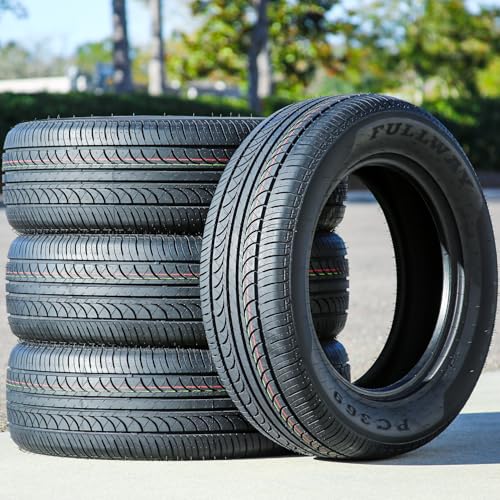
Set of 4 (FOUR) Fullway PC369 All-Season Truck/SUV Performance Radial Tires-225/65R17 225/65/17 225/65-17 102H Load Range SL 4-Ply BSW Black Side Wall UTQG 380AA
Treadlife: N/A
As an affiliate, we earn on qualifying purchases.
As an affiliate, we earn on qualifying purchases.
Conclusion
As you stand by your car, the worn tire finally giving way beneath your hand, remember that replacement costs are just part of the journey. Think of new tires as the heartbeat of your vehicle, steady and essential, ready to carry you through future miles. Investing wisely ensures smoother rides and safer travels, turning a simple expense into a safeguard for your adventures ahead. With each new tire, you’re steering toward reliability and peace of mind on every road.

E-SDS Tire Balance Beads 4 oz x 4, Tire Beads for Balance, Tire/Wheel Balancing Beads for Car/RV/Truck/Motorcycle with Installation Tools
MAINTAINING BALANCE: The tire balance beads use the working principle of centrifugal force to eliminate vibration caused by…
As an affiliate, we earn on qualifying purchases.
As an affiliate, we earn on qualifying purchases.

Set of 4 (FOUR) Fullway HP108 All-Season Passenger Car Performance Radial Tires-195/65R15 195/65/15 195/65-15 91H Load Range SL 4-Ply BSW Black Side Wall UTQG 380AA
Treadlife: N/A
As an affiliate, we earn on qualifying purchases.
As an affiliate, we earn on qualifying purchases.