
TL;DR

Get business pricing on garage and car supplies
- Business-only prices and quantity discounts
- Tax-exempt purchasing
- Multiple users, one account, clear invoices
A useful automotive repair tool set isn’t just about numbers. Focus on quality, tool variety, and safety gear to tackle most repairs confidently. Proper selection saves money and prevents frustration.
Imagine this: you’re halfway through changing your car’s brake pads, and the socket slips off a stubborn bolt. Frustrating, right? The right tools make all the difference. Whether you’re a weekend warrior or just want to handle basic maintenance, knowing what to look for in an automotive repair tool set can save you hours and headaches.
In this guide, you’ll learn which tools are essential, how to spot quality, and what safety gear you shouldn’t skip. Armed with this knowledge, you’ll be ready to tackle repairs confidently—without relying solely on a mechanic.
Prioritize quality over piece count; impact-rated sockets and a good torque wrench can prevent costly damage.
Balance your set with essential sizes—don’t rely on huge, filler-filled collections.
Choose tools designed for your vehicle—metric sizes for most modern cars, SAE for older models.
Invest in safety gear like jack stands, safety glasses, and gloves—your tools are only as safe as your safety precautions.
Stay updated with market trends: cordless impacts, electronic diagnostics, and high-voltage gear are shaping tomorrow’s repairs.
What makes a good automotive repair tool set really useful?
The foundation of a great set is the core tools that cover most repairs. A typical kit should include:
- 1/4-inch, 3/8-inch, and 1/2-inch drive ratchets
- Shallow and deep sockets in metric and SAE sizes
- Combination wrenches and screwdrivers
- Pliers, cutters, and a variety of bits
- Specialty sockets like spark-plug or impact-rated
For example, a 3/8-inch drive ratchet hits the sweet spot for versatility. It handles everything from changing oil filters to removing wheels. A 1/4-inch drive is great for tight spots, while a 1/2-inch drive provides extra muscle for stubborn bolts.
Think of your set as a toolbox for a mechanic—each piece has a role. Skipping essential sizes or types can cause delays or damage fasteners. So, choose a set that balances quantity with relevance.
Having the right core tools means you can approach repairs with confidence, knowing you have the appropriate leverage, grip, and fit. It also reduces the temptation to improvise with unsuitable tools, which can lead to stripped fasteners or injury. A well-rounded set, with attention to the quality of each piece, ensures durability and safety over time, making your DIY projects smoother and more successful.
As an affiliate, we earn on qualifying purchases.
Metric vs. SAE: Which sizes do you really need?
Modern vehicles mostly use metric fasteners, but SAE tools still hold value. If you work on older American cars, trailers, or aftermarket parts, SAE sizes are handy. For most DIY repairs, a set with both is a smart move.
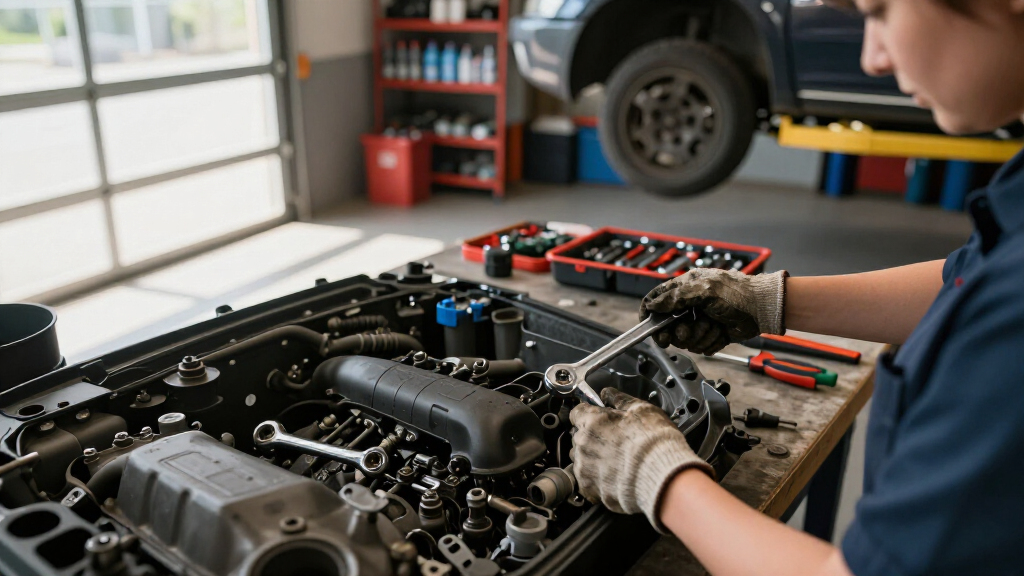
Six-point sockets grip fasteners more securely than 12-point ones, reducing the risk of stripping. However, 12-point sockets are easier to position in tight spaces, which is invaluable in cramped engine bays.
For example, a 2005 Ford Mustang uses metric bolts, but your classic Chevy truck from the 1980s might rely on SAE sizes. Having both sizes prevents you from hunting for the right socket mid-repair.
Understanding the practical implications of each sizing system helps you choose tools that save time and prevent damage. Using the correct size and type of socket ensures you can apply torque effectively without rounding off fasteners. Additionally, having both metric and SAE tools expands your versatility, allowing you to work on a broader range of vehicles and components, especially when sourcing parts or engaging in repairs on older models.
Why tool quality and materials matter more than piece count
It’s tempting to buy the biggest set with hundreds of pieces, but quality beats quantity. Look for chrome-vanadium steel or chromoly impact sockets—these resist wear and breakage. Cheaper tools may strip fasteners or shatter under torque.
Impact sockets are designed to withstand repeated shocks from power tools. They’re thicker, darker, and more ductile. Using standard chrome sockets with impact wrenches can be dangerous—they’re not built for that stress.
For instance, investing in impact-rated sockets for your cordless impact wrench prevents sudden shattering, which could cause injury. Remember, a single high-quality socket often outlasts multiple cheap ones.
Choosing quality tools is not just about durability; it’s also about safety. Poorly made tools can fail unexpectedly, risking injury or damaging your vehicle. High-quality materials like chrome-vanadium steel also allow for precise application of torque, which is crucial for critical fasteners like lug nuts or suspension components. The tradeoff is often higher upfront cost, but long-term, quality tools save money by reducing replacements and repair errors, and they provide peace of mind during demanding tasks.
Piece count can deceive — what should you really look for?
Manufacturers often inflate piece counts with bits, adapters, and duplicates. Instead, focus on the actual range of sizes and types. A smaller, well-organized set with complete socket and wrench ranges often beats a huge, cluttered kit.
Check if the sockets are deep or shallow, impact-rated, and match your vehicle’s needs. For example, a set with a full range of metric sockets from 8mm to 19mm is better than one with 50 random bits.
For example, a 60-piece set might include 20 bits and 10 adapters, but only 15 sockets. Prioritize sets that cover your most-used sizes without gaps.
Understanding the true usefulness of a set means evaluating whether it provides the critical tools needed for your typical repairs. A large set with many small pieces might seem comprehensive but can be unwieldy and include many rarely used items. Instead, opt for a curated selection that emphasizes the sizes and types you’ll encounter most often, ensuring efficiency and reducing clutter. This approach helps you avoid unnecessary purchases and keeps your workspace organized, making repairs faster and less frustrating.
What to know about ratchet design for tight spaces
A ratchet’s design can make or break your repair. Fine-tooth ratchets require less handle movement and are perfect for cramped engine bays. Features like quick-release buttons, low-profile heads, and reversible mechanisms add convenience.
For example, a low-profile ratchet with 72 teeth offers greater precision and access. A long handle provides more torque, but a shorter, flexible head helps in tight spots.
Imagine trying to loosen a stubborn bolt behind the engine block. A ratchet with a flexible head and small handle makes the job simpler and faster.
Understanding the design features of ratchets allows you to select tools that maximize accessibility and reduce fatigue during repairs. Fine-tooth ratchets require less handle swing, which is invaluable when space is limited. Quick-release mechanisms save time when switching tools or adjusting positions, while low-profile heads help you reach otherwise inaccessible fasteners. The balance between handle length and head flexibility depends on your typical repair environment; choosing wisely ensures you can work efficiently without sacrificing leverage or comfort.
How to get accurate torque for critical repairs
Many fasteners—like wheel lug nuts or brake calipers—must be tightened to specific torque specs. Over-tightening risks damaging parts; under-tightening can cause parts to loosen. A good torque wrench makes all the difference.
Use your torque wrench only for final tightening, store it properly, and have it calibrated regularly. Pair it with a breaker bar to loosen stubborn bolts without risking damage.
For example, a wheel lug nut typically needs 80-100 ft-lb. Using a torque wrench ensures you’re within the manufacturer’s safe range, preventing costly wheel-offs or brake failures.
Understanding the implications of proper torque application helps prevent costly mistakes. Over-tightening can strip threads or crack components, while under-tightening risks parts coming loose during operation. A calibrated torque wrench ensures you deliver the right amount of force consistently, which is especially critical for safety-related fasteners. Regular calibration and correct technique also extend the lifespan of your tools, making precise torque an investment in both safety and efficiency.
Safety gear: Why your tools are useless without it
Tools alone won’t keep you safe. Essential safety equipment includes jack stands, safety glasses, gloves, and proper lighting. Never work under a vehicle supported only by a hydraulic jack—jack stands are a must.
For example, a hydraulic jack might lift a car, but it can fail or shift. Properly placed jack stands prevent accidents if the vehicle shifts or slips.
Adding a fire extinguisher, work light, and gloves helps protect against common hazards like sparks, hot surfaces, or flying debris. Think of safety gear as your armor—don’t skip it.
Prioritizing safety gear is crucial because it directly impacts your ability to work effectively and avoid injuries. Properly rated jack stands and gloves protect against mechanical failures and burns, while safety glasses shield your eyes from debris. Adequate lighting prevents missteps and mistakes. Investing in safety equipment might seem secondary to buying tools, but it’s the foundation of a safe and successful repair environment. Remember, no repair is worth risking your health; safety always comes first.
Special tools for specific repairs—what’s worth investing in?
Many repairs require unique tools. For example, oil-filter wrenches, brake-caliper tools, or electronic diagnostic scanners. These tools often save hours and prevent damage.
Suppose you’re replacing a timing belt on a European car. A manufacturer-specific timing tool can prevent costly errors. Similarly, an OBD-II scanner helps diagnose engine issues quickly.
Assess your common repairs—if you frequently work on brakes, a caliper piston tool is a must. For occasional repairs, renting or borrowing specialized tools might be more economical.
Understanding when to invest in specialized tools can significantly improve repair quality and efficiency. For instance, a precise timing tool ensures correct alignment, preventing costly errors and engine damage. Diagnostic scanners provide real-time data, helping you identify issues before they escalate. While these tools may require upfront investment, they often pay for themselves by saving time, reducing guesswork, and preventing damage. Evaluate your typical repair needs carefully; targeted investments in specialized tools streamline your workflow and elevate your DIY capabilities.
Market trends shaping the future of automotive repair tools
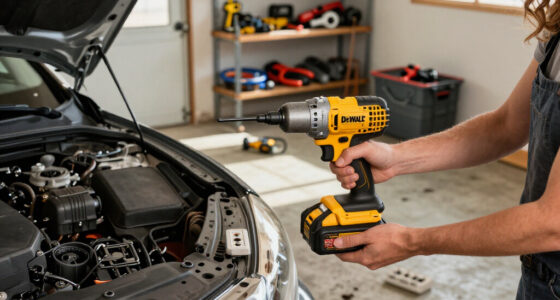
New tools are making repairs faster, safer, and more organized. Cordless impact wrenches, compact digital scanners, and low-profile ratchets are on the rise. They address the crowded engine bays and high-tech vehicles of today.
For example, brushless cordless impact wrenches with smaller batteries pack more punch than older models. Modular storage systems and color-coded trays help keep tools accessible on busy shop floors or garages.
As vehicle electronics grow more complex, electronic diagnostic tools become indispensable. Plus, high-voltage safety gear for electric cars is now a must-have for the modern mechanic.
Staying abreast of these trends means you can select tools that not only meet current demands but also adapt to future technologies. Embracing cordless power tools reduces cord clutter and increases mobility, while advanced diagnostics enable quicker troubleshooting. High-voltage safety gear is critical as electric vehicles become more prevalent, emphasizing the need for specialized equipment and training. Keeping up with market trends ensures your toolkit remains relevant, safe, and efficient for the evolving landscape of automotive repair.
Choosing the perfect set for your needs—what to consider
Start with your typical repairs. Are you doing basic oil changes or complex suspension work? Vehicle type also matters—European models may need special bits. Drive size and socket range should match your typical fasteners.
Look for sets with a good mix of deep and shallow sockets, impact-rated tools if you plan to use power tools, and ergonomic handles. Storage matters too: cases should hold tools securely and be easy to carry or store.
Budget wisely: spend more on a quality torque wrench and safety gear. Replace worn-out or missing pieces promptly to keep your set functional.
Tailoring your tool set to your specific repair needs ensures efficiency and reduces clutter. For example, if you primarily work on European vehicles, investing in specialized bits prevents frustration and damage. Consider the types of repairs you perform most often—if brake work dominates, prioritize caliper tools and impact sockets. The drive size should match your vehicle’s fasteners, but also consider the ergonomics and storage of your set. A well-chosen, organized set minimizes downtime and maximizes safety, making your DIY projects more enjoyable and successful.
Your burning questions about automotive repair tools answered
What tools should every home mechanic own? A basic starter kit includes metric sockets, ratchets, wrenches, screwdrivers, pliers, a breaker bar, torque wrench, multimeter, work light, jack, stands, and wheel chocks. These cover most tasks from oil changes to brake repairs.
Is a large all-in-one set worth it? It’s convenient, but check the actual tool list. A set with complete socket ranges and quality wrenches is better than a cluttered, oversized collection of bits.
Are expensive tools always better? Not necessarily. Premium tools last longer, offer better precision, and are safer—especially for impact and torque applications. For occasional use, mid-priced tools often suffice.
Should beginners buy metric or SAE? Focus on metric tools first—they’re used in most modern vehicles. Keep SAE in your kit if you plan to work on older American cars or trailers.
What’s the best drive size for general repairs? A 3/8-inch drive is the most versatile. Add 1/4-inch for small fasteners and 1/2-inch for larger bolts.
Understanding these choices helps you build a balanced, effective toolkit that adapts to your repair needs, saving time and reducing frustration during your projects.
Conclusion
Your best repair tool set isn’t just a collection of pieces; it’s a carefully curated arsenal tailored to your needs. Quality, versatility, and safety come first. When you choose tools thoughtfully, every repair feels less like a chore and more like a confident win.
Imagine the satisfaction of fixing that stubborn bolt without frustration or injury. Equip yourself wisely, and the garage becomes your personal workshop—where problems meet their match.
Halloween Picks
halloween
As an affiliate, we earn on qualifying purchases.