
To estimate brake replacement costs, start by identifying the type of brake pads you need—organic, ceramic, or metal—as prices vary. Check your local shop’s hourly labor rates and see if they offer flat-rate pricing. Remember to factor in other repairs, like rotors or calipers, which can add to the bill. Taking into account both parts and labor helps you budget effectively, and if you want detailed tips, there’s more to consider below.
Key Takeaways
- Determine the type and quality of brake pads suitable for your vehicle and driving needs.
- Obtain quotes from local shops, including parts and labor costs, for accurate estimates.
- Consider additional expenses like rotor resurfacing, caliper work, or brake fluid flushes.
- Research regional pricing differences that may affect overall replacement costs.
- Factor in potential future replacements by choosing higher-quality parts for long-term savings.
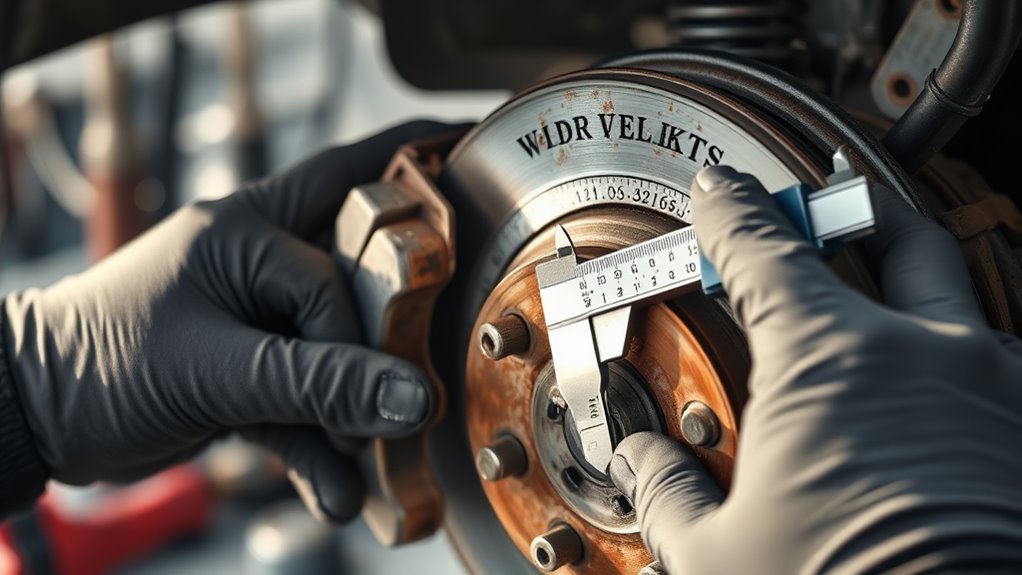
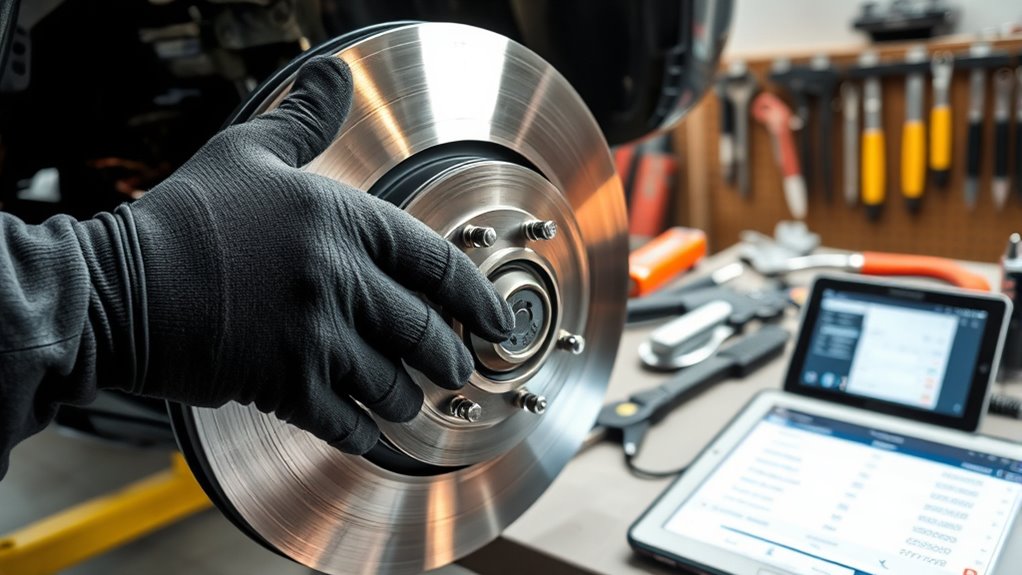
Replacing your brake system can be a considerable expense, but understanding the factors that influence cost helps you plan better. One of the main considerations is the type of brake pad materials used. Different materials come with varying price tags and performance qualities. For example, organic brake pads are usually the most affordable, offering decent performance but potentially wearing out faster. Metal or ceramic brake pads tend to be more expensive but provide longer-lasting durability and better heat dissipation. If you’re looking for high-performance or specialty pads, expect to pay even more. Knowing what material suits your driving style and budget can help you make an informed choice and estimate costs accurately.
Choosing the right brake pad material balances cost, performance, and longevity for your vehicle.
Labor charges are another key factor that affects the total price of brake replacement. Labor costs can vary markedly depending on your location, the shop’s hourly rate, and the complexity of the job. Some mechanics charge a flat rate for brake services, while others bill by the hour. Replacing brake pads is generally straightforward, but if your vehicle requires additional work—such as replacing rotors, calipers, or dealing with rusted components—labor charges can quickly increase. It’s a good idea to ask for an upfront estimate that includes both parts and labor so you’re not caught off guard. Keep in mind that more experienced or highly-rated shops might charge higher labor rates, but they often deliver better service and ensure your brakes are installed correctly.
The quality of parts you choose directly impacts the overall cost, but it also affects the longevity and safety of your braking system. Cheaper brake pads might save you money initially, but they could wear out sooner, leading to more frequent replacements and higher long-term costs. Conversely, investing in higher-quality brake pad materials can be more cost-effective over time, as they tend to last longer and perform better under stress. Also, some vehicles require specific types of brake pads, which could influence both the cost and the ease of installation. It’s worth researching what’s recommended for your car model and your driving needs.
Additionally, regional pricing differences can influence the overall cost, as labor rates and parts availability vary across locations. Finally, consider additional costs such as rotor resurfacing or replacement, brake fluid flushes, and other necessary repairs. These extras can add to your total estimate, so understanding all potential charges upfront helps you budget effectively. By paying attention to brake pad materials and labor charges, and considering the full scope of needed repairs, you’ll be better prepared to estimate your brake replacement costs accurately and avoid surprises when it’s time to pay the bill.

Bendix Premium SBC1210 Ceramic Front Brake Pads for Select Models Lexus HS250h, Pontiac Vibe, Scion xB, xD, Toyota Corolla, Matrix, Prius V, RAV4
- OE Replacement Design: Fits select Lexus, Toyota, Pontiac, Scion models
- High-Quality Materials: Resistant to wear and corrosion
- Enhanced Safety: Reduces brake fade for consistent braking
As an affiliate, we earn on qualifying purchases.
As an affiliate, we earn on qualifying purchases.
Frequently Asked Questions
How Long Does Brake Replacement Typically Take?
Brake replacement usually takes about 1 to 2 hours, depending on your vehicle and the brake pad materials or brake rotor types involved. If your car has standard parts, it might be quicker, but if you have specialized brake rotors or high-performance brake pads, it could take longer. Your mechanic will remove the old parts, inspect the calipers, and install new ones, ensuring everything functions safely and smoothly.
Are There Signs Indicating Brake Replacement Is Urgent?
Imagine your brake system as a trusted guardian. If you notice brake pad wear becomes loud screeches, or brake fluid condition feels off, it’s a red flag signaling urgency. These signs suggest your brakes might be failing, risking safety. Don’t ignore these signals—address them promptly. Regularly check brake pad thickness and fluid quality to keep your guardian strong, ensuring your safety on every journey.
Can I Replace Brakes Myself to Save Costs?
You can replace brakes yourself to save costs, but prioritize DIY safety. Make sure you understand brake pad types—ceramic, semi-metallic, or organic—as each requires different handling. Follow proper safety procedures, use the right tools, and work on a stable surface. If you’re unsure about any step, consult guides or videos. Remember, incorrect installation can compromise safety, so only attempt this if you’re confident and experienced.
Do Brake Prices Vary by Vehicle Make and Model?
Imagine walking into a garage and noticing a variety of brake pads and rotors on display—each designed for specific makes and models. Yes, brake prices vary depending on your vehicle’s make and model because parts like brake pads and rotor replacements differ in size and quality. You’ll find that luxury cars often require more expensive, specialized parts, while standard models might cost less for the same brake services.
What Factors Influence the Overall Brake Replacement Cost?
The overall brake replacement cost depends on several factors. You should consider the brake pad materials, as premium materials like ceramic or performance pads cost more. Labor rates in your area also greatly influence the price, with higher rates increasing costs. Additionally, the vehicle make and model, the extent of wear, and whether rotors need replacement all play a role in determining your total expense.
Conclusion
Remember, just like a wise captain keeps a steady hand on the wheel, staying informed about brake costs helps you steer clear of surprises. Regular maintenance and understanding your options guarantee your safety on the road, much like Odysseus steering through treacherous waters. By knowing what to expect, you prevent small issues from becoming major storms. Keep your brakes in top shape, and you’ll confidently sail through your journeys, no matter what the road throws your way.