
When comparing OEM and aftermarket parts, consider your budget, vehicle warranty, and long-term performance. OEM parts are made by the original manufacturer and guarantee a perfect fit, which can save you money on future repairs. Aftermarket parts are usually cheaper but may vary in quality and reliability. Weighing these factors can help you decide what’s best for your car. Keep exploring the details to make a confident choice.
Key Takeaways
- OEM parts guarantee perfect fit and meet factory standards, ensuring reliable performance and vehicle longevity.
- Aftermarket parts are often cheaper but may vary in quality, fit, and long-term durability.
- Using OEM parts can help preserve vehicle warranty coverage and avoid potential future repair costs.
- Cost savings with aftermarket parts might lead to higher maintenance expenses if quality issues arise.
- Weighing initial savings against potential impact on vehicle performance and warranty is essential for value assessment.

When it comes to replacing car parts, understanding the difference between OEM and aftermarket options is vital. It influences not only the quality of the parts you get but also factors like warranty implications and cost comparison, which can considerably impact your decision. OEM parts, or Original Equipment Manufacturer parts, are made by the same company that built your vehicle. This means they’re designed to fit perfectly and meet the same standards as the parts originally installed at the factory. Because of this, OEM parts often come with specific warranty coverage, giving you peace of mind that if something goes wrong, you’re protected under the vehicle’s warranty terms. Conversely, aftermarket parts are produced by third-party manufacturers, not the original automaker. While some aftermarket options can match or even surpass OEM quality, others may vary in durability and fit. When considering warranty implications, aftermarket parts usually don’t carry the same coverage as OEM parts. This could mean that if an aftermarket part fails prematurely, you might need to cover repairs out of pocket, which can add to your overall maintenance costs. Additionally, the quality control standards for aftermarket parts can differ significantly from OEM components, affecting their reliability and performance. Cost comparison plays a vital role in your decision-making process. Generally, aftermarket parts are more affordable than OEM components, often costing 20% to 50% less. This price difference can be tempting if you’re on a tight budget or looking for a quick fix. However, it’s important to weigh this against the potential for lower quality or less precise fit, which could lead to additional repair costs down the line. OEM parts tend to be more expensive upfront, but their guaranteed fit and reliable performance can save you money over the long haul, especially if they help prevent future issues. Additionally, some vehicle warranties specify the use of OEM parts for repairs, so opting for aftermarket components could affect your warranty coverage or claims.
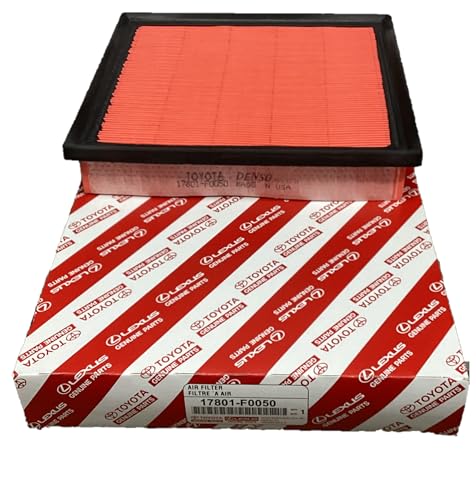
Genuine Toyota Engine Air Filter, 17801-F0050, OEM Replacement Part
GENUINE OEM: Direct replacement air filter manufactured by DENSO for Toyota and Lexus vehicles, ensuring perfect fitment and…
As an affiliate, we earn on qualifying purchases.
As an affiliate, we earn on qualifying purchases.
Frequently Asked Questions
Are OEM Parts Always More Reliable Than Aftermarket Parts?
OEM parts aren’t always more reliable than aftermarket parts. While OEM parts undergo strict quality control, aftermarket options can offer comparable quality at a lower cost, enhancing cost efficiency. Your choice depends on your budget and quality expectations. Sometimes, aftermarket parts meet or even exceed OEM standards, making them a smart, budget-friendly choice. Always research brands and reviews to guarantee you’re getting a dependable product, regardless of the source.
How Do Warranty Policies Differ Between OEM and Aftermarket Parts?
Warranty policies differ like night and day between OEM and aftermarket parts. OEM warranties often offer longer coverage and more complete protection, while aftermarket warranties can be shorter and more limited. Return policies also vary; OEM parts typically come with straightforward returns, whereas aftermarket parts might have stricter conditions. You should always check warranty coverage and return policies before purchasing to guarantee you’re protected and satisfied with your choice.
Can Aftermarket Parts Void My Vehicle’s Warranty?
Yes, using aftermarket parts can affect your warranty. Warranty implications depend on whether the aftermarket part meets quality standards and if it causes damage or issues. If the part is proven to be the cause of a problem, your warranty might be voided. Always check if the aftermarket parts comply with manufacturer standards to avoid potential warranty conflicts. Choose reputable brands that meet quality standards to protect your coverage.
What Are the Environmental Impacts of OEM Versus Aftermarket Parts?
You might be surprised to learn that OEM parts generally have a smaller environmental footprint than aftermarket ones because they’re designed specifically for your vehicle, reducing waste. However, recycling challenges remain, especially with aftermarket parts that often use different materials. Choosing OEM parts can help minimize environmental impact, but consider how manufacturing processes and recyclability also influence the overall eco-friendliness of your vehicle maintenance choices.
Are There Specific Vehicle Makes That Favor OEM or Aftermarket Components?
Some vehicle brands tend to favor OEM parts, especially luxury or high-performance makes like BMW and Mercedes, due to brand standards and reliability concerns. Meanwhile, brands like Honda and Ford often have greater regional availability of aftermarket components, offering more budget-friendly options. Your choice depends on vehicle brand preferences and regional availability, as OEM parts are usually preferred for quality and warranty reasons, while aftermarket parts provide affordability and easier access locally.
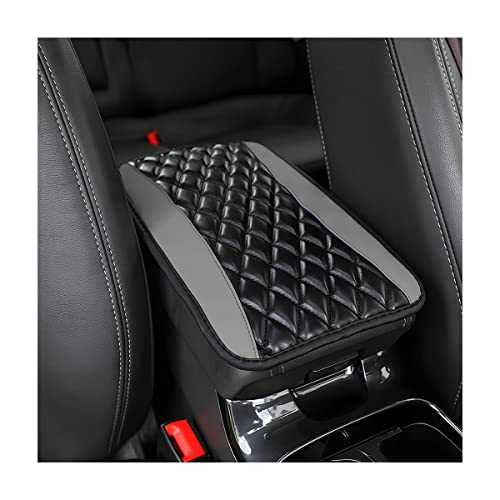
Moly Magnolia Car Center Console Cushion Pad, Universal Leather Waterproof Armrest Seat Box Cover Protector,Comfortable Car Decor Accessories Fit for Most Cars, Vehicles, SUVs (Gray)
【Wear-resistant material】The surface of this armrest pad is made of high-quality PU leather, which is soft and wear-resistant,…
As an affiliate, we earn on qualifying purchases.
As an affiliate, we earn on qualifying purchases.
Conclusion
Ultimately, whether you choose OEM or aftermarket parts, remember that sometimes a simple choice can make a big difference. You might find yourself surprised by the quality or savings, just when you least expect it. Trust your instincts, but stay open to the possibilities that both options offer. After all, it’s those small decisions that often lead to the most memorable moments on the road. Stay confident, and let your experience guide you.

1-Part Self-Adhesive Buyers Guide – As Is / Warranty – (Form #1985 P/A No Lines) (100 per pack)
8.5 x 11 inch standard letter size, laser printer compatible
As an affiliate, we earn on qualifying purchases.
As an affiliate, we earn on qualifying purchases.

Hugwits 2 PCS Car Power Upgrade Fuel Saving, OBD2 ECOOBD2 Automotive Plug and Driver Single Plate, Economic Fuel Saving 15%, Compatible with Diesel Fuel Vehicle (Blue)
Boosts Performance & Cuts Fuel Use: Save up to 15% on fuel while enhancing your vehicle’s performance tackle…
As an affiliate, we earn on qualifying purchases.
As an affiliate, we earn on qualifying purchases.