Extended service contracts can offer peace of mind by helping cover costly repairs, but their value depends on coverage limits, costs, and your specific vehicle use. If the contract’s coverage aligns with your needs and residual factory warranty is close to ending, it may be worth the investment. However, if coverage is limited or expensive, paying out of pocket might be better. To determine if these plans suit you, consider the details carefully. Keep exploring to learn more.
Key Takeaways
- Coverage varies widely; assess if it fills gaps left by the factory warranty and suits your needs.
- Cost-effectiveness depends on potential repair expenses; compare coverage limits with expected repair costs.
- Many contracts exclude wear-and-tear items or have deductibles, reducing overall value.
- Factory warranties often provide sufficient coverage during initial years, making extended contracts less necessary.
- Carefully review terms, exclusions, and costs to determine if the peace of mind justifies the expense.

Have you ever wondered whether an extended service contract is worth it? It’s a common question, especially when you’re faced with additional costs after purchasing a new car or appliance. Many people assume that the factory warranty already covers everything, but that’s not always the case. Factory warranties typically provide coverage for a limited time and specific issues, usually around the first few years or a set number of miles. Once that period ends, you’re responsible for repairs and maintenance. That’s where an extended service contract might come into play, promising to cover repairs beyond the factory warranty’s expiration. However, it’s essential to understand the limitations of these agreements. Coverage limitations can vary widely depending on the provider and the plan you choose. Some contracts may only cover certain parts or types of repairs, leaving you to pay out of pocket for others. Before signing up, it’s wise to carefully review what’s included and what’s not, so you aren’t caught off guard by unexpected costs later on.
The main appeal of an extended service contract is peace of mind, especially if you’re worried about costly repairs. If you rely heavily on your vehicle or appliance, knowing that many repairs are covered can be reassuring. But you should also consider whether the coverage limitations align with your needs. For example, some contracts exclude coverage for wear-and-tear items, like brake pads or tires, which can be common repairs. Others might have deductibles or caps on the amount they’ll pay for certain repairs, so you might still end up footing part of the bill. It’s important to compare these factors against the potential cost of repairs without coverage. Sometimes, paying for repairs out of pocket can be more economical than the cost of a lengthy service contract with limited coverage. Additionally, understanding the popularity of different coverage options can help inform your decision, as some plans are designed to meet specific needs more effectively.
Another consideration is whether the extended service contract is worth the cost relative to the remaining factory warranty. If your factory warranty still covers your vehicle for several years and the coverage limitations are acceptable, you might not need an additional plan. Conversely, if the factory warranty is expiring soon or has significant coverage gaps, an extended service contract could save you money and hassle. Just remember that not all contracts are created equal. Some are overpriced or filled with fine print that limits your benefits. Always compare options, read the fine print, and assess your personal risk tolerance before making a decision. Ultimately, whether an extended service contract is worth it depends on your specific circumstances, how much you value peace of mind, and how well you understand the coverage limitations involved.
extended vehicle warranty plans
As an affiliate, we earn on qualifying purchases.
As an affiliate, we earn on qualifying purchases.
Frequently Asked Questions
Do Extended Service Contracts Cover All Vehicle Repairs?
Extended service contracts don’t cover all vehicle repairs. They typically include manufacturer coverage for major components but often exclude certain repair types, known as repair exclusions. You should carefully review the contract to understand what’s covered and what’s not. While they can save you money on unexpected repairs, be aware that some repairs may fall outside the coverage, so it’s wise to compare the contract details before purchasing.
Can I Purchase an Extended Warranty After the Original Warranty Expires?
Yes, you can purchase post-warranty options, but coverage limitations vary. Many providers offer extended warranties after your original warranty expires, yet they often have strict eligibility criteria. Be sure to review the coverage limitations carefully, as some repairs might not be included, and certain conditions could void the contract. Doing so helps you decide if the added protection aligns with your needs and budget.
Are There Any Hidden Fees Associated With Extended Service Contracts?
Imagine opening a package, only to find hidden fees tucked inside and contract exclusions hiding like surprise traps. Yes, extended service contracts can have hidden fees that catch you off guard, and some exclusions might limit coverage unexpectedly. Always read the fine print carefully, ask questions about any unclear charges, and guarantee you understand what’s included. This way, you avoid surprises and make an informed decision about the contract’s true value.
How Do I File a Claim Under an Extended Service Contract?
To file a claim under your extended service contract, start by reviewing the claim process outlined in your contract. Gather the necessary documentation requirements, such as proof of purchase, repair estimates, and detailed descriptions of the issue. Contact your provider promptly, submit your paperwork as instructed, and follow any specific steps they provide to guarantee a smooth claim process. Staying organized helps you get your repairs covered efficiently.
What Factors Determine the Cost of an Extended Service Contract?
The cost of an extended service contract depends on coverage limits and various cost factors. Higher coverage limits typically increase the price since they offer more protection. Other factors include the type of product, its age, and the repair or replacement costs involved. Additionally, the provider’s fees, deductible amounts, and included benefits influence the overall price. You should compare these elements to find a plan that offers good value for your needs.
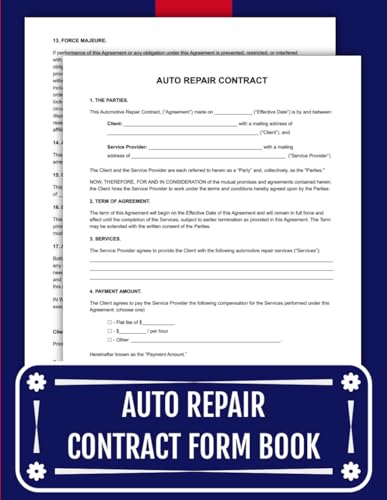
Auto Repair Contract Form Book: 25 Professional Agreements for Mechanics and Auto Shops | 8.5 x 11 inches.
As an affiliate, we earn on qualifying purchases.
As an affiliate, we earn on qualifying purchases.
Conclusion
Ultimately, whether an extended service contract is worth it depends on your comfort with risk and how much peace of mind matters to you. If you prefer to avoid unexpected expenses, it might be a good investment. But remember, “a stitch in time saves nine”—sometimes, proactive maintenance and careful care can prevent costly repairs altogether. Weigh your options carefully, and choose what feels right for your peace of mind and wallet.

Auto Paint Clear Coat for Cars High Gloss Automotive Clear Coat Touch Up Paint Repair Car Automotive Peeling Repair Kit Repair Kit Pen 1.5 Oz
Crystal High Clear Gloss: Achieve a breathtaking, showroom-quality shine that transforms your vehicle’s appearance. SENVERN clear coat delivers…
As an affiliate, we earn on qualifying purchases.
As an affiliate, we earn on qualifying purchases.

Vehicle Inspection Worksheet (Car Dealer Service Body Shop Form) (1 Pad of 100)
8.5" x 11" form
As an affiliate, we earn on qualifying purchases.
As an affiliate, we earn on qualifying purchases.