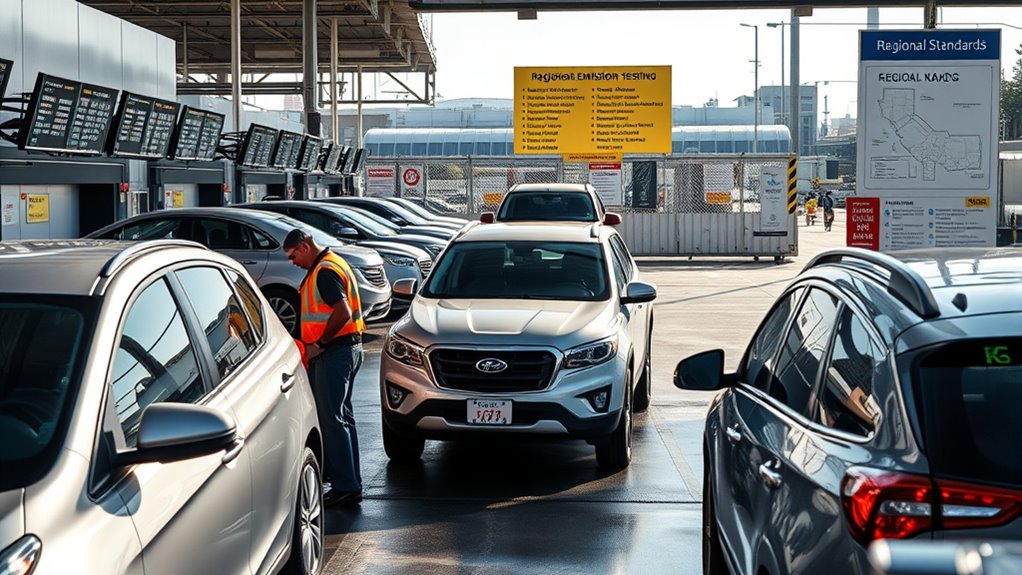

Emissions testing requirements vary widely depending on your region. Some areas require annual or biennial inspections, especially for older vehicles, while others only test upon registration or transfer of ownership. Many regions exempt electric or classic cars from testing altogether. Penalties for non-compliance can include fines or registration issues. Understanding your area’s rules guarantees you stay compliant and maintain your vehicle properly—dive deeper to discover specific regulations that apply to you.
Key Takeaways
- Testing frequency varies by region, ranging from annual to biennial or upon registration renewal.
- Vehicle exemptions, such as electric or classic cars, differ based on regional regulations.
- Emissions standards can be stricter or more lenient, affecting repair and modification requirements.
- Regional rules may specify testing only during ownership transfer, registration renewal, or at certain vehicle ages.
- Understanding local regulations ensures compliance, avoids penalties, and guides necessary vehicle maintenance.

Understanding emissions testing requirements varies considerably depending on your region, and staying informed is vital to guarantee compliance. If you own a vehicle, you’ll need to be aware of the specific rules governing vehicle inspection and emission standards in your area. These regulations are designed to reduce pollution and improve air quality, but they can vary widely from place to place. In some regions, emissions testing is mandatory every year or every couple of years, while in others, it may only be required when registering a vehicle for the first time or after a certain age.
When preparing for emissions testing, your vehicle inspection becomes a pivotal step. During this process, technicians assess whether your vehicle meets the emission standards set by local authorities. This involves checking exhaust emissions to make sure pollutants like carbon monoxide, nitrogen oxides, and hydrocarbons stay within acceptable limits. If your vehicle fails the test, you’ll typically be given a reason and a timeframe to make necessary repairs. It’s important to note that failing an emissions test doesn’t mean you can’t legally drive your vehicle; it simply means you’ll need to address the issues and return for reinspection.
Understanding the specific emission standards applicable in your region helps you anticipate what to expect during vehicle inspection. Some areas enforce strict standards similar to federal regulations, while others might have more lenient requirements. In regions with stricter standards, older vehicles might require modifications or repairs to pass inspection. Conversely, regions with more lenient standards might focus only on newer vehicles or those that emit the highest levels of pollutants. Staying informed about these standards allows you to plan maintenance proactively, avoiding surprises during inspection and guaranteeing your vehicle remains compliant.
Regulations also often specify exemptions or special conditions, such as for electric vehicles or classic cars. It’s essential to know which categories your vehicle falls into and whether any special procedures apply. Additionally, some regions require emissions testing only when transferring ownership or renewing registration, while others require annual checks. Being aware of these rules ensures you don’t miss deadlines or face penalties. Moreover, understanding regional differences in regulations can help you better prepare for compliance requirements specific to your location.
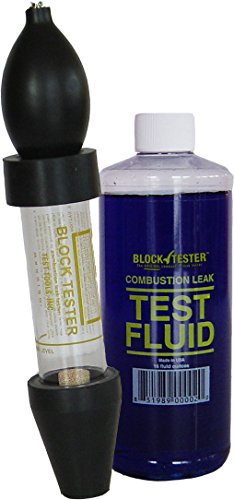
Block Tester BT-500 Head Gasket Combustion Leak Test Kit – Made in USA
Complete Combustion Leak Test Kit: Includes fluid and all necessary components with nothing more to buy for immediate…
As an affiliate, we earn on qualifying purchases.
As an affiliate, we earn on qualifying purchases.
Frequently Asked Questions
Are Emissions Tests Mandatory for All Vehicle Types?
No, emissions tests aren’t mandatory for all vehicle types. Some vehicles, like electric cars or those with certain vehicle exemptions, are often exempt from testing requirements. Additionally, there are testing exemptions for specific age groups or vehicle uses, depending on your region’s regulations. You should check your local rules to see if your vehicle qualifies for exemptions, but generally, most gasoline and diesel vehicles need to undergo emissions testing.
How Often Must I Complete Emissions Testing?
They say “better safe than sorry,” and that’s true when it comes to vehicle inspections. You’ll usually need to complete emissions testing every 1-2 years, depending on your region. Keep in mind, your vehicle must meet emissions standards to pass. Regular testing helps prevent costly repairs and keeps your car running smoothly. So, stay on top of your vehicle inspection schedule to guarantee you’re always compliant with local emissions regulations.
Can I Perform Emissions Testing at Any Authorized Facility?
Yes, you can perform emissions testing at any authorized facility. These facilities follow inspection schedules mandated by your region and are staffed by certified technicians who ensure your vehicle meets emissions standards. To stay compliant, check your local requirements for when your next test is due. Visiting an authorized facility guarantees your testing is conducted correctly and efficiently, helping you avoid potential fines or vehicle registration issues.
What Are the Penalties for Failing an Emissions Test?
They say “forewarned is forearmed,” and that’s true when facing emissions test penalties. If you fail, you might face penalty fines and potential testing violations that could lead to vehicle registration issues. The exact consequences depend on your region, but ignoring the problem can get costly. It’s best to stay compliant and address any issues promptly to avoid fines and make certain your vehicle passes the next test.
Are Emissions Requirements Changing With New Vehicle Technologies?
Yes, emissions requirements are changing with new vehicle technology. As vehicle technology advances, emissions standards become stricter to reduce pollution and support environmental goals. You’ll need to stay informed about these updates because they can impact your vehicle’s ability to pass emissions tests and stay compliant with regulations. Manufacturers are continually updating standards, so being aware of current emissions standards helps guarantee your vehicle meets all necessary requirements.
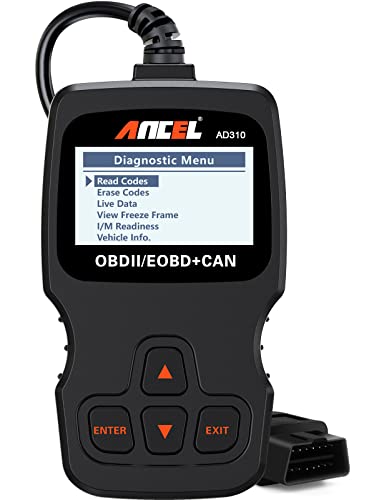
ANCEL AD310 Classic Enhanced Universal OBD II Scanner Car Engine Fault Code Reader CAN Diagnostic Scan Tool, Read and Clear Error Codes for 1996 or Newer OBD2 Protocol Vehicle (Black)
CEL Doctor: The ANCEL AD310 is one of the best-selling OBD II scanners on the market and is…
As an affiliate, we earn on qualifying purchases.
As an affiliate, we earn on qualifying purchases.
Conclusion
Now that you know the regional emissions testing rules, you might wonder what’s next. Could changes in regulations affect your plans? Will you face surprises when it’s time for testing? Keep yourself prepared and stay informed—because the next move could make all the difference. Emissions laws are evolving, and staying ahead could save you time, money, and stress. Are you ready to navigate the road ahead? The answers might surprise you.

Vapor Score Moisture Tester for Concrete Slab, Calcium Chloride Test Kit – Easy-to-Use Water Damage Detector and Moisture Analyzer (3-Pack)
ASTM 1869 Certified Accuracy: Reliable moisture vapor emission testing for concrete slabs to meet ASTM F1869 standards; helps…
As an affiliate, we earn on qualifying purchases.
As an affiliate, we earn on qualifying purchases.

Exhaust Gas Analyzer Carbon Monoxide by Forensics Detectors | Motorcycle, Forklift, Automotive, Small Engine | USA NIST Calibration and Certificate | Probe, Water Trap and Filters | 0-2% CO |
⚙️ USES: For analyzing carbon monoxide levels from emissions of motorcycle, forklift, automotive, and small gas engines.
As an affiliate, we earn on qualifying purchases.
As an affiliate, we earn on qualifying purchases.