
TL;DR

Get business pricing on garage and car supplies
- Business-only prices and quantity discounts
- Tax-exempt purchasing
- Multiple users, one account, clear invoices
A car emergency kit is your best friend during roadside mishaps. Including essentials like first aid, tools, and safety devices, plus staying updated on new tech trends, keeps you ready for anything. Regular checks are key to staying safe.
Imagine stranded on the side of a busy highway, smoke curling from your engine, your heart pounding. That moment doesn’t have to be a nightmare if you’re prepared. A well-packed car emergency kit isn’t just a box of odds and ends — it’s your safety net, your peace of mind, your insurance against chaos.
In this guide, you’ll discover exactly what to include, how recent tech is transforming emergency kits, and how to keep your kit ready for anything. Whether you’re a daily commuter or a weekend adventurer, a few simple steps can turn your car into a fortress of safety.
Regularly check and update your emergency kit at least twice a year to keep everything in working order.
Invest in modern, multi-functional tools like portable jump starters with built-in power banks.
Tailor your kit to your local climate and driving habits—winter, long trips, or city driving all require different gear.
Eco-friendly options—solar chargers and biodegradable supplies—are not just good for the planet, but they often perform better in emergencies.
A well-prepared kit can turn a roadside disaster into a manageable situation, saving you time, money, and stress.
What Every Car Emergency Kit Must Have to Save Your Skin
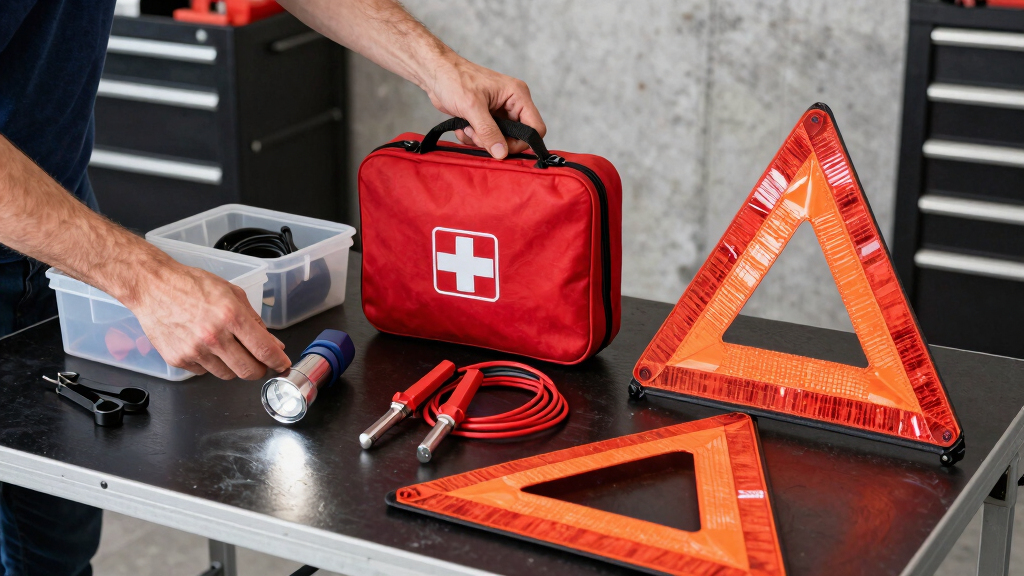
A car emergency kit is a collection of tools, supplies, and safety gear designed to handle common roadside emergencies. Think of it as a mini survival pack tailored for your vehicle. The importance of each component goes beyond mere convenience; they can be lifesavers in critical moments. For example, first aid supplies can stabilize injuries until professional help arrives, which can be crucial in remote areas where emergency services might take longer. Proper first aid knowledge amplifies this benefit, as knowing how to use these supplies effectively can make the difference between a minor inconvenience and a serious health crisis. Safety devices like warning triangles and high-visibility vests are essential for alerting other drivers to your presence, especially at night or in poor weather, helping to prevent secondary accidents. Tools such as jumper cables and tire sealant are quick fixes that can get you back on the road without waiting for roadside assistance, reducing delay and stress. A well-rounded kit doesn’t just prepare you for one emergency but equips you to handle various scenarios, from minor injuries to vehicle breakdowns. Regularly updating and customizing your kit based on your typical driving environment ensures you’re prepared for specific risks—like winter ice or desert heat—so you can respond effectively and confidently in any situation.
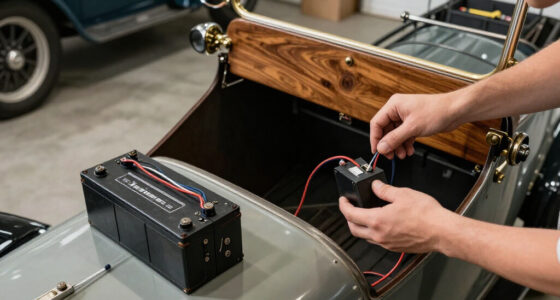
car emergency kit with jump starter and power bank
As an affiliate, we earn on qualifying purchases.
As an affiliate, we earn on qualifying purchases.
How to Build a Custom Kit That Fits Your Driving Style
Not all driving situations are the same, so your kit should reflect your needs. Here’s a quick step-by-step guide to customizing your emergency setup. Assessing your typical driving environment helps identify the most relevant items—what’s vital in snowy conditions might be unnecessary in a city commute. For example, including winter-specific gear like an ice scraper and thermal blankets can be lifesavers in cold climates, but may add unnecessary bulk if you rarely face winter weather. Conversely, in hot climates, extra water and cooling supplies might be more critical. Tech gear such as portable jump starters with USB ports and solar chargers not only add convenience but also ensure your devices stay powered when you need them most, which is especially important if your phone is your primary communication tool. Safety items like pepper spray or roadside flares can provide peace of mind in unpredictable situations, but their relevance depends on your environment and personal comfort level. Packing everything in a durable, clearly labeled container makes it easier to access what you need quickly, which can be vital during stressful emergencies. For example, a driver in snowy Minnesota might prioritize warm clothing and traction aids, whereas a traveler in California’s deserts would focus on hydration and navigation tools. Customizing your kit based on your driving habits and environment ensures you’re not overloading with unnecessary items nor underprepared for common risks, ultimately saving time, reducing stress, and increasing safety in critical moments.
What’s New? Latest Tech and Eco-Friendly Options for Your Kit
| Feature | Traditional Kit | Modern Innovations |
|---|---|---|
| Power Source | Battery-powered flashlights | USB-rechargeable LED flashlights with SOS modes |
| Safety Devices | Warning triangles, vests | Integrated safety alarms, pepper spray |
| Eco-Friendly | Standard plastics, disposable batteries | Solar-powered chargers, biodegradable supplies |
Recent developments focus on smart tech—portable jump starters that double as power banks, LED flashlights with multiple modes, and solar-powered chargers—making your kit more efficient and environmentally friendly. These upgrades aren’t just trendy; they can be real game-changers in emergencies. For instance, a solar-powered flashlight can provide hours of illumination without draining batteries, ensuring you’re never left in the dark when you need light most. Portable jump starters with built-in power banks can quickly revive a dead battery, saving you hours waiting for roadside assistance or a call for help. Eco-friendly options like biodegradable wipes and solar chargers not only reduce environmental impact but also tend to be more durable and reliable in the long run, giving you peace of mind that your kit is both effective and sustainable. These innovations often come with tradeoffs—such as higher upfront costs or the need for regular recharging—so understanding your specific needs and environment can help you choose the best options without unnecessary expense or complexity.
Key Facts About Car Emergency Kits That Could Save You Hours
Did you know that in some regions, carrying a high-visibility vest and warning triangle is legally required? In fact, according to the National Highway Traffic Safety Administration (NHTSA), 78% of roadside fatalities could be avoided if drivers had proper safety gear and knew how to use it. These statistics highlight the importance of not only having safety equipment but also understanding its proper deployment. Proper use of reflective vests and warning triangles can significantly increase your visibility, especially at night or in poor weather, reducing the risk of being hit by passing vehicles. Moreover, being familiar with how to quickly set up these devices can make a crucial difference in emergency situations, where every second counts. Maintaining a well-stocked kit isn’t just about compliance; it’s a proactive approach to safety that can save lives and prevent injuries. Regularly checking items like batteries, water, and food ensures everything remains functional and ready when needed. Furthermore, a thoughtfully assembled kit can help you assist others in distress, turning a potentially stressful situation into an opportunity to help fellow drivers, fostering a sense of community and shared responsibility on the road. Ultimately, understanding the significance of these facts encourages more mindful preparation, which can translate into saving hours of waiting or dealing with avoidable accidents.
Your Top 5 Questions About Car Emergency Kits — Answered
Q1: What should I include in my car emergency kit? A: Cover the basics—first aid supplies, safety devices, basic tools, and vehicle-specific gear like a spare tire. Tailor it to your driving environment. For example, including a thermal blanket and ice scraper in winter, or extra water and a GPS in remote areas, ensures your kit is practical and effective for your typical conditions.
Q2: How often should I check my kit? A: Every 6-12 months, especially before long trips. During these checks, inspect batteries, expiration dates on food and water, and the condition of tools and safety devices. This regular maintenance prevents surprises when you need your kit most and ensures all items are functional and up-to-date.
Q3: Are pre-made kits good enough? A: Pre-made kits can be convenient, but they often lack customization. Building your own allows you to include specific items suited to your driving conditions and personal needs, making your kit more effective and tailored. For instance, a pre-made kit might not have enough warm clothing for winter or extra water for desert trips, so personalizing it ensures comprehensive preparedness.
Q4: What emergencies can my kit help with? A: Flat tires, dead batteries, minor injuries, getting lost, or weather-related issues like snow or rain. By understanding the scope of your kit’s capabilities, you can better prepare for these scenarios, reducing panic and increasing your chances of a safe resolution.
Q5: How do I make my kit eco-friendly? A: Use rechargeable batteries, biodegradable supplies, and solar-powered devices to reduce waste and environmental impact. These choices not only help preserve the environment but often provide more reliable performance in the long run, making your emergency preparedness more sustainable and cost-effective.
Conclusion
Think of your car emergency kit as your personal safety toolkit — a small investment with a big payoff. With recent tech and eco-friendly options, staying prepared has never been easier or smarter. Take a moment today to review, update, and customize your kit — your future self will thank you.
After all, the best road trip isn’t just about the destination, but knowing you’re ready for whatever bumps in the road come your way.
Halloween Picks
halloween
As an affiliate, we earn on qualifying purchases.