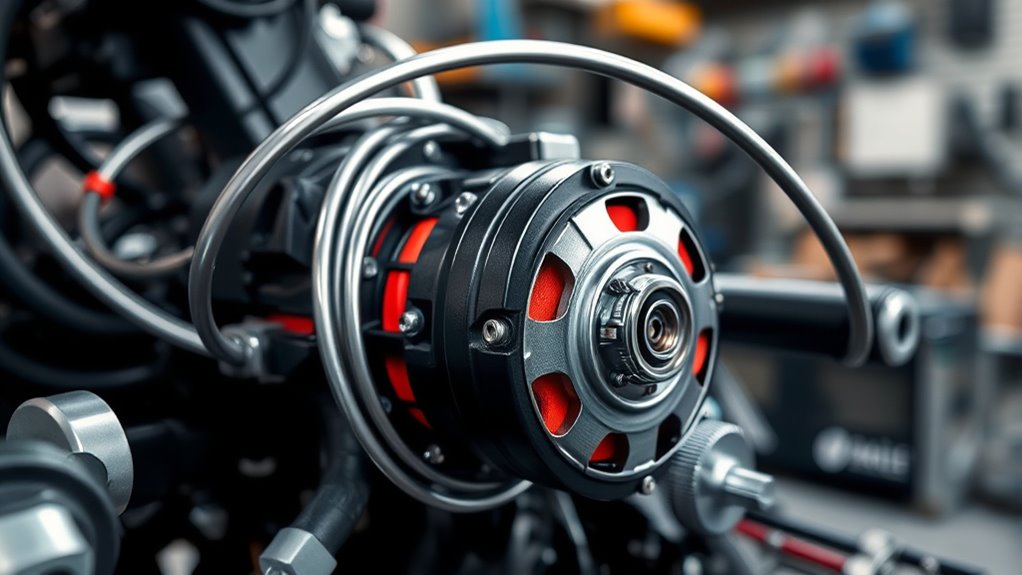

Electric power steering systems replace hydraulic components with an electric motor and sensors, providing assistance only when needed. This design makes the system more efficient, reduces maintenance, and offers better performance. You’ll notice smoother handling and the ability to customize assistance levels based on driving conditions. Plus, electric systems are more reliable and environmentally friendly, consuming less energy. If you want to explore how these advanced systems work and their benefits, there’s more to uncover ahead.
Key Takeaways
- Electric Power Steering (EPS) uses an electric motor to assist steering, replacing hydraulic components.
- EPS reduces maintenance costs by eliminating fluid checks, hoses, and pump failures common in hydraulic systems.
- It offers improved vehicle space, energy efficiency, and adaptability for advanced driver-assistance features.
- EPS provides precise steering control and variable assistance based on driving conditions and speed.
- Overall, EPS enhances reliability, reduces environmental impact, and lowers long-term vehicle operating expenses.
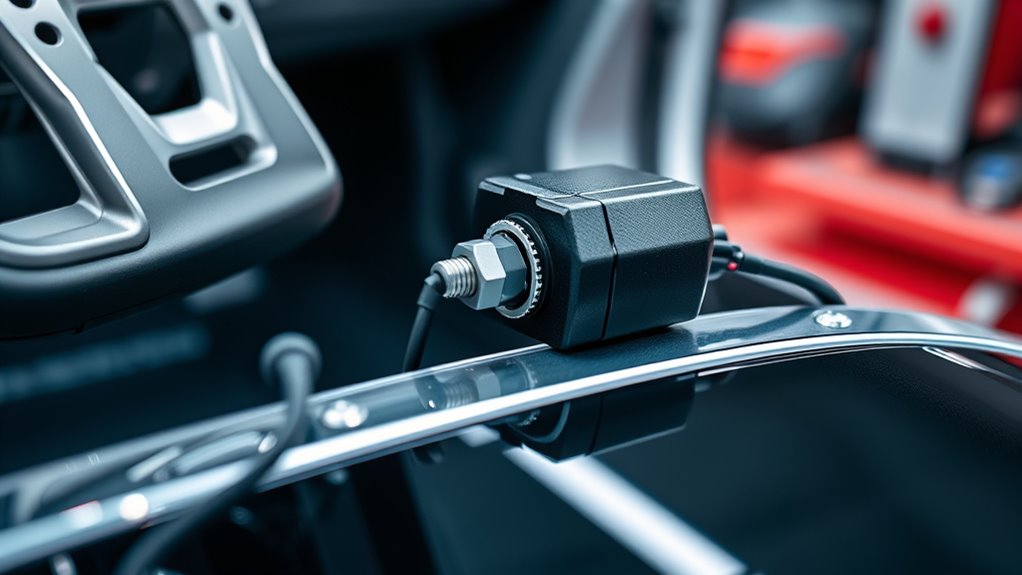
Have you ever wondered how modern cars make steering easier and more responsive? Electric power steering (EPS) systems have revolutionized vehicle handling by providing assistance through electronic components instead of traditional hydraulic mechanisms. When comparing EPS to older hydraulic power steering, one of the key factors to contemplate is the difference in maintenance costs. Hydraulic systems rely on a pump, fluid, and hoses, which require regular checks and replacements due to leaks, fluid degradation, or pump failures. These maintenance tasks can add up over time, especially as the vehicle ages. In contrast, electric systems eliminate many of these components, reducing the need for routine fluid changes and leak repairs. Since EPS relies on sensors, motors, and controllers, the maintenance tends to be less intensive and more straightforward, often limited to software updates and electrical checks. This difference in maintenance costs makes electric power steering more appealing for manufacturers aiming for lower long-term expenses and for drivers who want less hassle and fewer visits to the mechanic. Additionally, the reduction in hydraulic component reliance contributes to increased system reliability over the vehicle’s lifespan.
Beyond costs, the distinction between hydraulic and electric systems influences overall vehicle design and efficiency. Hydraulic systems are bulkier, requiring space for the pump and fluid reservoir, which can limit design flexibility. They also tend to consume more energy because the pump runs continuously or when steering assistance is needed, leading to higher fuel consumption. Electric power steering, on the other hand, is more compact and energy-efficient. The electric motor only activates when steering assistance is necessary, reducing power draw and improving fuel economy. This efficiency not only benefits the environment but also contributes to lower operating costs for the vehicle owner.
You’ll find that electric power steering offers a more precise and adaptable steering experience. Since it’s controlled electronically, the system can adjust assistance levels based on driving conditions, speed, or driver preferences. This adaptability enhances safety and comfort, particularly at high speeds or during tight maneuvers. Additionally, electric systems integrate seamlessly with advanced driver-assistance systems (ADAS), enabling features like lane-keeping assist and automatic parking. These functionalities become easier to implement without the complexity of hydraulic lines or fluid pressures.

Rugged UTV 220W Electric Power Steering Kit All Years Universal Front, is not a Bolt On System, Steers Easily & Gets Rid of Wheel Jerk/Bump Steer When Navigating Rough Terrains
Significantly reduces steering efforts the rugged electric power steering kit is a must have for any off-road enthusiast….
As an affiliate, we earn on qualifying purchases.
As an affiliate, we earn on qualifying purchases.
Frequently Asked Questions
How Does Electric Power Steering Compare to Hydraulic Systems?
Electric power steering (EPS) offers a more efficient alternative to hydraulic systems, which rely on hydraulic fluid for steering assist. EPS uses an electric motor, reducing energy consumption and eliminating the need for fluid maintenance. You’ll notice smoother, more responsive steering with EPS, and it’s easier to install and maintain. Plus, EPS systems adapt better to driving conditions, providing consistent steering assist without the mess or complexity of hydraulic fluid-based systems.
What Are Common Signs of Electric Power Steering Failure?
You might notice your steering feels a bit unusual if electric power steering starts to have issues. Common signs include increased steering noise, which can sound like faint whines or squeaks, and fluid leaks that indicate a potential problem. If your steering becomes harder or less responsive, it’s a good idea to get it checked. Addressing these signs early helps keep your driving smooth and safe.
Can Electric Power Steering Be Repaired or Rebuilt?
Yes, electric power steering can be repaired or rebuilt. If you notice issues, you can have an expert perform electric motor repair or wiring troubleshooting to identify and fix problems. Sometimes, replacing worn components or repairing the motor itself restores proper function. Regular maintenance and prompt repairs help extend the system’s lifespan, ensuring your steering remains responsive and safe.
How Does Ambient Temperature Affect Electric Power Steering Performance?
When it’s hot outside, your electric power steering (EPS) can feel less responsive, like trying to steer a boat in rough seas. Ambient temperature affects EPS performance through its temperature sensitivity, making it less efficient in extreme heat or cold. You should consider climate adaptation, ensuring your system stays calibrated. Proper maintenance helps your EPS adapt smoothly to temperature changes, keeping your steering precise and reliable regardless of weather conditions.
Are Electric Power Steering Systems More Environmentally Friendly?
Electric power steering systems are more environmentally friendly because they use less energy and produce fewer emissions compared to traditional hydraulic systems. By relying on renewable energy sources, you can further reduce your carbon footprint and contribute to emission reduction. This means your vehicle becomes more eco-conscious, helping protect the environment while providing reliable steering assistance. Switching to electric power steering aligns with sustainable practices and supports global efforts to combat climate change.

Cardone 1C-18010M Remanufactured Power Steering Assist Motor (Renewed)
As a remanufactured Original Equipment part, this unit assures a perfect vehicle fit
As an affiliate, we earn on qualifying purchases.
As an affiliate, we earn on qualifying purchases.
Conclusion
You now understand how electric power steering systems make driving easier and more efficient. Did you know that electric steering systems can reduce fuel consumption by up to 10% compared to traditional hydraulic systems? That’s a significant saving that benefits both your wallet and the environment. As technology advances, expect even smarter, more responsive systems that enhance safety and comfort. Embrace these innovations, and your driving experience will be smoother, safer, and more eco-friendly.
Rugged UTV 220W Electric Power Steering Kit All Years Universal Front, is not a Bolt On System, Steers Easily & Gets Rid of Wheel Jerk/Bump Steer When Navigating Rough Terrains
Significantly reduces steering efforts the rugged electric power steering kit is a must have for any off-road enthusiast….
As an affiliate, we earn on qualifying purchases.
As an affiliate, we earn on qualifying purchases.
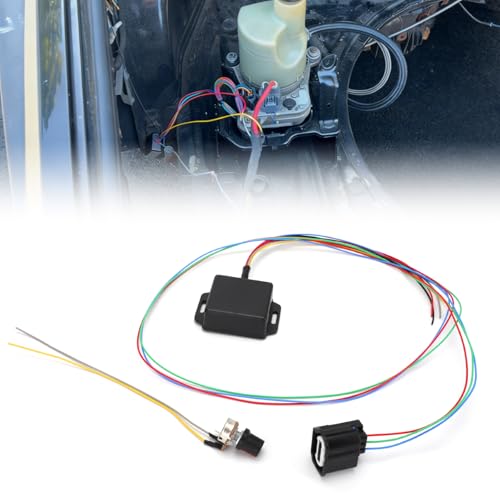
Foruly Electric Power Steering controller Kit for Volvo C30 S40 V50 C70 2005-2013, S60 V60 V70 XC60 XC70 S80 2010-2015 | Replacement for BLA093 | Adjustable Hydraulic Steering Controller
EASY INSTALLATION – Simply connect to 12V ignition power and mount the adjustment knob in a convenient location—no…
As an affiliate, we earn on qualifying purchases.
As an affiliate, we earn on qualifying purchases.