Using low-viscosity motor oils in your modern engine helps it start faster in cold weather and run more efficiently. These oils flow easily through engine parts, reducing friction and engine wear while improving fuel economy. They support advanced engine technologies like turbocharging and direct injection, ensuring your engine works smoothly under various conditions. If you want to discover how these benefits can keep your engine performing at its best, keep exploring further.
Key Takeaways
- Enhance fuel economy by reducing engine resistance and energy consumption.
- Minimize engine wear with quicker oil flow, protecting vital components.
- Improve cold start performance with thinner oils that circulate faster in low temperatures.
- Support modern engine technologies like turbocharging and direct injection for optimal operation.
- Promote smoother engine operation and longer lifespan through efficient lubrication.
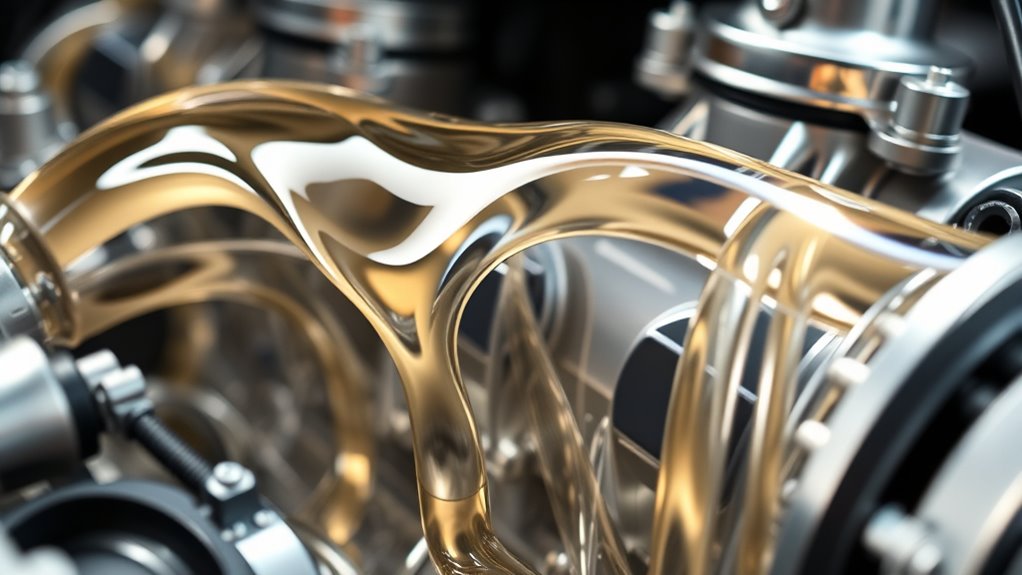
As modern engines become more efficient and compact, using low-viscosity motor oils offers significant advantages. One of the most notable benefits is improved fuel efficiency. Because these oils flow more easily through engine components, your engine doesn’t have to work as hard to circulate lubricant throughout the system. This reduced effort translates directly into less energy consumption, helping you squeeze more miles out of each tank of fuel. Over time, this efficiency can lead to noticeable savings on fuel costs, especially if you drive frequently or have a vehicle with a smaller, more economy-focused engine.
Low-viscosity oils improve fuel efficiency by easing engine operation and reducing energy consumption.
Another essential benefit of low-viscosity oils is their role in minimizing engine wear. When oil flows smoothly and swiftly, it creates a stronger, more effective barrier between moving parts, reducing friction and preventing metal-to-metal contact. This means less wear and tear on critical engine components like pistons, camshafts, and bearings. By decreasing the amount of friction, low-viscosity oils also help extend the lifespan of your engine, keeping it running smoothly for longer periods and reducing the likelihood of costly repairs down the line. Since modern engines often operate at higher speeds and pressures, using an oil that can maintain its protective qualities without thickening becomes especially important.
In addition to improving fuel efficiency and reducing engine wear, low-viscosity oils contribute to quicker cold starts. When temperatures drop, thicker oils tend to resist flowing properly, making it harder for your engine to start smoothly. Low-viscosity oils, on the other hand, flow readily even in chilly conditions, ensuring your engine is lubricated faster, which further reduces wear during startup. This quick lubrication not only protects your engine but also helps you warm up your vehicle faster, providing a more comfortable driving experience.
Furthermore, these oils are better suited for modern engine designs that feature tighter tolerances and advanced technologies like turbocharging and direct injection. Their ability to circulate quickly and maintain stability under varying conditions ensures your engine operates at its best. Additionally, synthetic oils often offer enhanced stability and performance compared to conventional options, making them particularly advantageous for modern, high-performance engines. While low-viscosity oils might seem like a small change, their impact on fuel efficiency and engine longevity makes them a smart choice for anyone looking to maximize their vehicle’s performance and durability. By choosing the right low-viscosity motor oil, you’re investing in a smoother, more efficient, and longer-lasting engine that adapts well to the demands of modern driving.
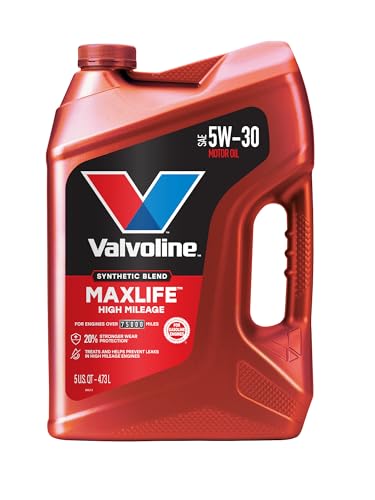
Valvoline MaxLife High Mileage 5W-30 Synthetic Blend Motor Oil 5 Quart
Formulated for engines with 75,000 miles or more, Valvoline MaxLife High Mileage synthetic blend is formulated with seal…
As an affiliate, we earn on qualifying purchases.
As an affiliate, we earn on qualifying purchases.
Frequently Asked Questions
How Does Low-Viscosity Oil Affect Engine Noise Levels?
Using low-viscosity oil helps reduce engine noise because it flows more easily, enhancing lubrication efficiency. You’ll notice quieter operation as the oil creates less friction and vibration within engine components. This improved lubrication minimizes rattles and knocking sounds, providing a smoother, more comfortable ride. Overall, low-viscosity oils contribute markedly to engine noise reduction, making your vehicle run more quietly and efficiently.
Are Low-Viscosity Oils Suitable for High-Mileage Engines?
Low-viscosity oils can be suitable for high-mileage engines, especially if they offer high mileage compatibility. They help reduce engine wear by flowing more easily through engine parts, which can prevent further damage over time. However, it is crucial to check your engine’s specifications and consult your mechanic. Using the right low-viscosity oil tailored for high-mileage engines can enhance performance and prolong engine life.
What Is the Optimal Temperature Range for Low-Viscosity Oils?
You’re asking about the essential temperature range for low-viscosity oils, and it’s where the viscosity temperature relationship shines. Generally, these oils perform best between 175°F and 220°F, ensuring proper lubrication without thinning out too much. Keep in mind, maintaining the ideal oil temperature is vital for engine health, as it balances flow and film strength, preventing wear and tear. Think of it as finding the sweet spot for smooth operation.
Can Switching to Low-Viscosity Oil Extend Engine Lifespan?
Switching to low-viscosity oil can help extend your engine’s lifespan by reducing engine wear, thanks to better lubrication at operating temperatures. Additionally, it improves fuel efficiency because the engine doesn’t have to work as hard to circulate the oil. Over time, these benefits can lead to less stress on engine components, decreasing the likelihood of costly repairs and helping your engine stay healthier longer.
How Often Should Low-Viscosity Oil Be Changed Compared to Traditional Oils?
Changing low-viscosity oil is like tuning a fine instrument—you need to pay close attention. Typically, oil change intervals for low-viscosity oils are similar to traditional oils, often every 5,000 to 7,500 miles, depending on your vehicle and driving habits. Always check your owner’s manual for oil viscosity compatibility and recommended intervals, as using the right oil and timely changes guarantee your engine stays smooth and efficient longer.
Valvoline MaxLife High Mileage 5W-30 Synthetic Blend Motor Oil 5 Quart
Formulated for engines with 75,000 miles or more, Valvoline MaxLife High Mileage synthetic blend is formulated with seal…
As an affiliate, we earn on qualifying purchases.
As an affiliate, we earn on qualifying purchases.
Conclusion
By choosing low-viscosity motor oils, you’ll experience smoother starts, better fuel efficiency, and boosted engine durability. These lightweight lubricants lessen resistance, reduce wear, and help your engine run reliably longer. Embrace the benefits of better flow and friction reduction — because when you prioritize performance with low-viscosity oils, you’re powering your engine’s potential and prolonging its life. Make the switch today and enjoy a more mighty, more maintained motor!

Lubegard 30015 Engine Oil Protectant for Turbocharged Engines, 15 fl. oz.
For use in all turbocharged engines
As an affiliate, we earn on qualifying purchases.
As an affiliate, we earn on qualifying purchases.

Husqvarna 32-oz 4-Cycle 5W-30 Synthetic Blend Engine Oil 593153504
Semi-Synthetic 5W-30 4-Stroke Oil
As an affiliate, we earn on qualifying purchases.
As an affiliate, we earn on qualifying purchases.