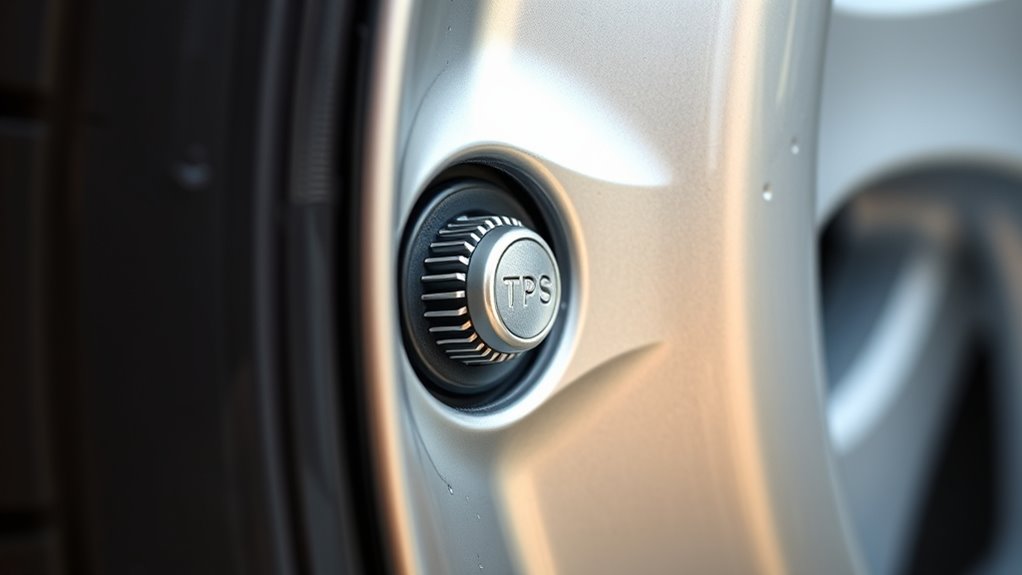

A TPMS sensor monitors your tire pressure and alerts you when it’s too low, helping you stay safe and save fuel. These sensors are installed directly on your valve stem and communicate with your vehicle’s system, so proper installation and calibration are key. If you notice warning lights or inconsistent readings, troubleshooting or replacing sensors may be necessary. Keep exploring to discover how to maintain and troubleshoot your TPMS system effectively.

Get business pricing on garage and car supplies
- Business-only prices and quantity discounts
- Tax-exempt purchasing
- Multiple users, one account, clear invoices
Key Takeaways
- TPMS sensors monitor tire pressure and alert drivers to low-pressure conditions for safety and efficiency.
- Installed directly on valve stems, these sensors transmit data wirelessly to the vehicle’s computer system.
- Proper installation, calibration, and maintenance are essential to ensure accurate readings and system reliability.
- Troubleshooting involves checking sensor communication, replacing dead batteries, and resetting or relearning the system.
- Regular inspection and using compatible sensors help prevent false warnings and extend sensor lifespan.
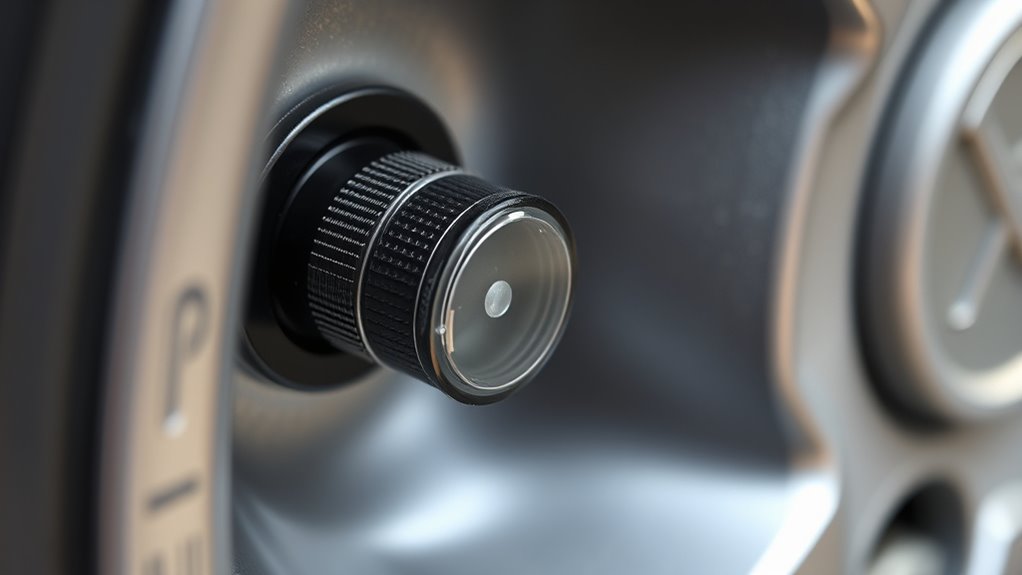
If you’ve ever noticed a warning light on your dashboard indicating low tire pressure, you’re seeing the importance of TPMS sensors in action. These sensors are crucial in helping you maintain proper tire inflation, which improves safety, fuel efficiency, and prolongs tire life. When it comes to sensor installation, it’s essential to ensure each sensor is correctly mounted and calibrated. Most modern TPMS sensors are installed directly onto the valve stem, replacing your existing valve cap. During installation, you should verify that the sensor is securely attached, the battery is functioning properly, and the sensor communicates effectively with your vehicle’s computer system. Proper installation prevents false warnings and helps the system operate smoothly.
Proper TPMS sensor installation ensures accurate readings and maintains vehicle safety.
Troubleshooting techniques are vital if your TPMS warning light stays on or flashes unexpectedly. First, you need to check if the sensors are transmitting data correctly. Sometimes, a sensor’s battery can die, especially if it’s an older unit, leading to system errors. In such cases, replacing the sensor is necessary. Other issues might stem from interference or damaged sensors, which can be diagnosed by using a TPMS scan tool. This tool reads the sensor IDs and helps you identify if a particular sensor isn’t responding or is sending inconsistent signals. If you notice that the system isn’t calibrating after sensor installation, you may need to perform a reset or relearn procedure, which varies by vehicle make and model. This process often involves driving the vehicle at a certain speed or using a scan tool to manually reset the system.
Additionally, faulty sensors can sometimes cause false alarms, which may be due to dirt or corrosion around the valve stem. Cleaning the sensor and ensuring the valve stem area is clear of debris can resolve minor issues. If troubleshooting techniques don’t resolve the warning, you might need to replace a malfunctioning sensor altogether. Always ensure you select compatible sensors suited for your vehicle to avoid calibration issues.
Understanding how to install sensors properly and troubleshoot common problems empowers you to keep your TPMS system functioning correctly. Regularly inspecting your sensors, especially after tire rotations or repairs, ensures the system remains reliable. In essence, investing a little time in proper sensor installation and mastering troubleshooting techniques can save you from inconvenient warning lights and potential safety hazards down the road.
As an affiliate, we earn on qualifying purchases.
Frequently Asked Questions
How Often Should TPMS Sensors Be Calibrated?
You should calibrate your TPMS sensors about once a year or whenever you change tires, to guarantee ideal sensor accuracy. Regular calibration maintains the system’s reliability, preventing false warnings or missed alerts. Keep an eye on your vehicle’s dashboard for warning lights, and consult your owner’s manual for specific calibration guidelines. Proper calibration helps you stay safe and ensures your TPMS functions correctly when you need it most.
Can TPMS Sensors Cause False Pressure Readings?
Imagine your TPMS sensors as vigilant guards watching over your tires. Sometimes, they can send false pressure readings due to sensor malfunctions or calibration errors, like a guard mistaking a harmless shadow for a threat. These issues cause inaccurate alerts, making you think there’s a problem when there isn’t. Regular calibration and maintenance help prevent sensor malfunctions, ensuring your system provides reliable, true readings to keep you safe on the road.
Are TPMS Sensors Compatible With All Vehicle Types?
Yes, TPMS sensors aren’t compatible with all vehicle types. You need to check your vehicle’s specifications for sensor installation and confirm the sensors are compatible with your car model. Some vehicles require specific sensors or additional hardware, so it’s essential to verify vehicle compatibility before purchasing or installing new sensors. Doing this helps prevent issues and ensures your TPMS functions correctly, providing accurate pressure readings.
What Is the Typical Lifespan of a TPMS Sensor?
Your TPMS sensor usually lasts between 5 to 10 years, like a reliable friend who’s been with you for many miles. To keep it in top shape, you’ll need to evaluate sensor replacement and sensor maintenance over time. Don’t ignore warning lights or irregular readings, as they signal your sensor’s life is winding down. Regular checkups help ensure your system stays accurate and your drive remains safe and smooth.
How Do Temperature Changes Affect TPMS Sensor Accuracy?
Temperature fluctuations can impact your TPMS sensor accuracy because extreme changes cause the sensor to misread tire pressure. As temperatures drop or rise, the sensor’s calibration may become slightly off, leading to false alerts or overlooked issues. To maintain accuracy, it’s essential to regularly check and recalibrate your TPMS, especially after significant temperature shifts, ensuring your system provides reliable readings and keeps you safe on the road.
Conclusion
Think of TPMS sensors as the vigilant guardians of your car’s health, silently watching over your tires like lighthouse beams guiding ships through dark waters. When pressure drops, they shine a warning, steering you away from danger. By understanding these tiny sentinels, you guarantee your journey stays smooth and safe. Just as a lighthouse keeps sailors safe, TPMS sensors keep you confident, alert, and ready to navigate any road ahead.
Fall Picks
fall essentials
As an affiliate, we earn on qualifying purchases.