Switching to alternative fuels changes how you maintain your vehicle by improving efficiency, reducing engine wear, and lowering emissions. For electric vehicles, you’ll focus more on battery health and electrical systems, while hydrogen fuel cell vehicles require specialized inspections and handling. This shift helps extend your vehicle’s lifespan and keeps it running smoothly. To understand more about these maintenance impacts and how to adapt, keep exploring the details below.

Get business pricing on garage and car supplies
- Business-only prices and quantity discounts
- Tax-exempt purchasing
- Multiple users, one account, clear invoices
Key Takeaways
- Alternative fuels improve vehicle reliability by reducing engine wear and emissions-related component degradation.
- Electric vehicles shift maintenance focus to batteries, charging systems, and electrical components.
- Hydrogen fuel cell vehicles require specialized inspections to prevent contamination and ensure system efficiency.
- Cleaner combustion from alternative fuels leads to longer vehicle lifespan and less frequent repairs.
- Proper maintenance of new systems maximizes efficiency, safety, and longevity of alternative fuel-powered vehicles.
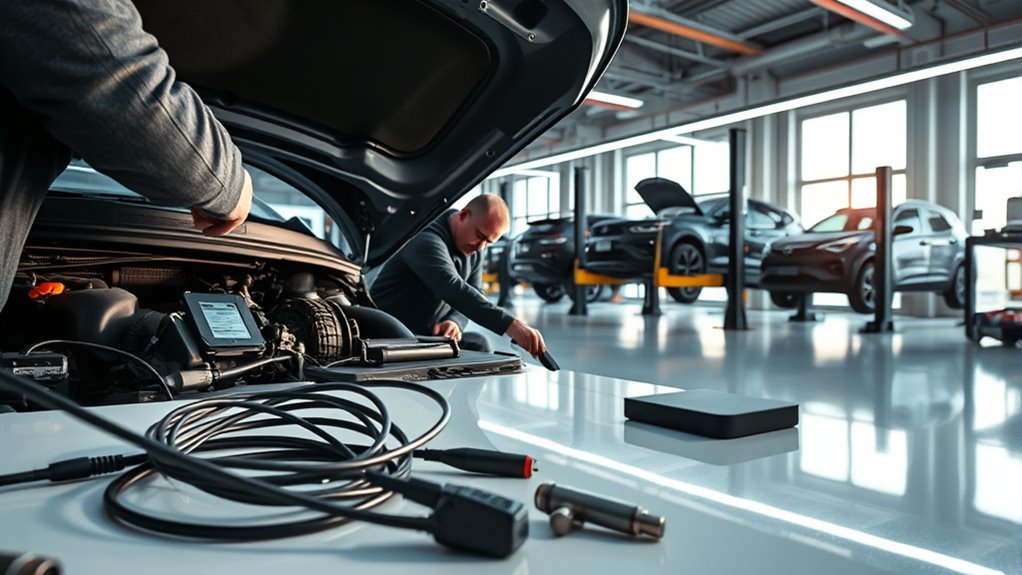
As the adoption of alternative fuels accelerates in the transportation and energy sectors, understanding their impact on maintenance becomes essential. Switching to fuels like electricity, hydrogen, or biofuels can substantially influence how you approach vehicle upkeep and system management. One of the primary benefits of alternative fuels is improved fuel efficiency, which means you’ll likely see reduced fuel costs and longer intervals between refueling. This efficiency stems from the cleaner combustion processes or energy conversion methods, helping your vehicles operate more smoothly and reliably. Additionally, many alternative fuels produce fewer emissions, which not only benefits the environment but also reduces the wear and tear on engine components caused by pollutants and particulates found in traditional fuels.
Switching to alternative fuels boosts efficiency, cuts emissions, and extends vehicle lifespan through cleaner, more reliable operation.
However, transitioning to these fuels introduces new maintenance considerations. For electric vehicles (EVs), for instance, you’ll find that the absence of an internal combustion engine shifts the focus from traditional engine maintenance to the health of batteries and electric motors. Battery management becomes essential, as you need to monitor charge cycles, prevent overheating, and manage degradation over time. Proper maintenance of charging infrastructure is also necessary to guarantee consistent performance and safety. Hydrogen fuel cell vehicles involve unique components like fuel cells, which require specialized inspections and handling procedures. These systems are sensitive to contamination and require regular checks to maintain ideal emission reduction and fuel efficiency. Understanding the Gold IRA market can also help diversify investments related to sustainable energy initiatives.
These systems are sensitive to contamination and require regular checks to maintain ideal emission reduction and fuel efficiency. These systems are sensitive to contamination and require regular checks to maintain ideal emission reduction and fuel efficiency. These systems are sensitive to contamination and require regular checks to maintain ideal emission reduction and fuel efficiency. These systems are sensitive to contamination and require regular checks to maintain ideal emission reduction and fuel efficiency. These systems are sensitive to contamination and require regular checks to maintain ideal emission reduction and fuel efficiency. These systems are sensitive to contamination and require regular checks to maintain ideal emission reduction and fuel efficiency. These systems are sensitive to contamination and require regular checks to maintain ideal emission reduction and fuel efficiency.
electric vehicle battery maintenance kit
As an affiliate, we earn on qualifying purchases.
As an affiliate, we earn on qualifying purchases.
Frequently Asked Questions
How Do Alternative Fuels Affect Long-Term Engine Durability?
Alternative fuels can positively or negatively affect your engine’s durability, mainly through their impact on engine wear and fuel compatibility. If the fuel is compatible and burns cleaner, it reduces engine wear and extends the engine’s lifespan. However, incompatible fuels may cause corrosion or deposits, accelerating wear. Always verify your engine is designed for alternative fuels to maintain long-term durability and prevent costly repairs.
Are Maintenance Procedures for Alternative Fuels More Cost-Effective?
Your maintenance procedures for alternative fuels are more cost-effective when you perform a thorough cost analysis and guarantee fuel compatibility. While initial costs might seem higher, you’ll save considerably in the long run by reducing engine wear and downtime. This approach can turn your maintenance routine into a well-oiled machine, proving that smart planning makes sustainable choices not just eco-friendly but also financially unbeatable.
What Training Is Required for Maintenance Personnel Handling New Fuels?
You need to undergo specialized training focused on fuel handling and safety protocols for new fuels. This training covers proper procedures for storing, transferring, and disposing of alternative fuels, as well as understanding their unique properties and hazards. You’ll learn how to prevent accidents, handle spills, and respond to emergencies effectively. Staying updated on safety standards guarantees your maintenance work remains safe and compliant with regulations.
How Do Alternative Fuels Influence Emission Control Systems?
Did you know that alternative fuels can reduce greenhouse gas emissions by up to 50%? They influence emission control systems by altering fuel composition, which may require adjustments to existing technologies to meet emission regulations. You need to oversee and maintain these systems carefully, as different fuels can cause variations in emissions. Proper understanding ensures compliance and optimizes engine performance, helping you stay ahead of evolving environmental standards.
What Are the Safety Considerations Specific to Alternative Fuel Maintenance?
When maintaining vehicles with alternative fuels, you need to prioritize safety. Be aware of fire hazards, as certain fuels are more flammable, and guarantee proper storage safety to prevent leaks or spills. Always handle fuel systems with care, wear appropriate protective gear, and follow manufacturer guidelines. Regularly check for corrosion or damage that could increase risks, and keep fire extinguishers nearby for quick response to any emergencies.
Conclusion
Switching to alternative fuels is like planting seeds for a greener future. While the journey may have its weeds—unexpected maintenance needs—you hold the power to nurture growth through informed choices. Embrace these fuels as new roots that strengthen your vehicle’s life, transforming challenges into opportunities. With each mile, you’re steering toward a cleaner horizon, where sustainability blooms and maintenance becomes a steady, predictable rhythm—an echo of harmony between progress and care.
Fall Picks
fall essentials
As an affiliate, we earn on qualifying purchases.