
When evaluating extended car warranty plans, you should compare coverage levels, costs, and exclusions carefully. Look for plans that fit your vehicle’s make, model, and age, and check if they include perks like roadside assistance. Be aware of claim limits and coverage gaps to avoid surprises. Weigh the total repair costs against premiums over time to find the best balance. Keep exploring to discover more tips for choosing the right coverage for you.
Key Takeaways
- Evaluate coverage options, including parts covered and exclusions, to ensure it matches your vehicle’s needs.
- Compare claim limits, caps, and process details to understand potential payout restrictions.
- Assess the cost of premiums relative to expected repair expenses over time.
- Check for added perks like roadside assistance, towing, and rental reimbursement for extra value.
- Review repair shop choices and coverage quality to ensure flexibility and reliable service.
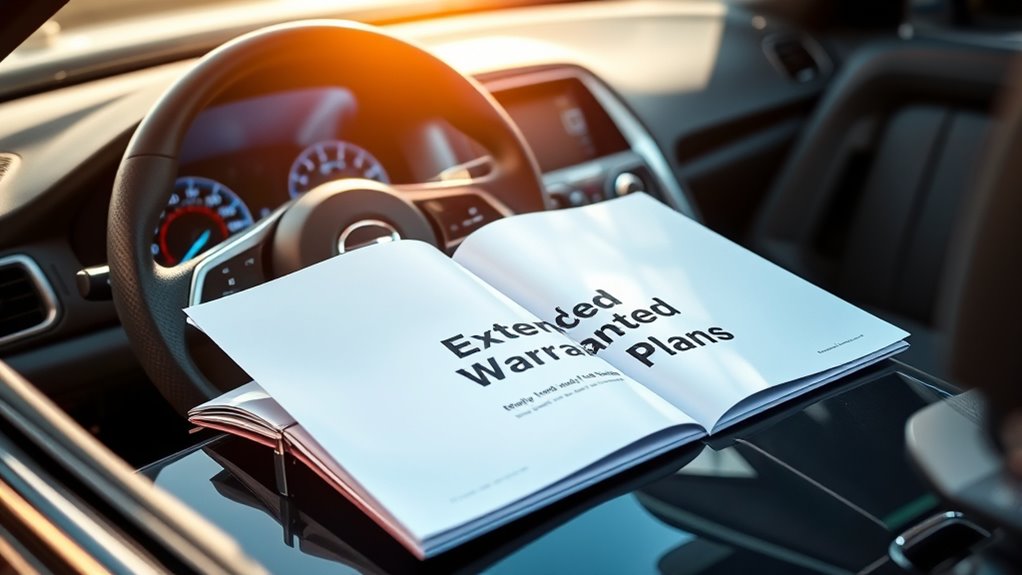
Extended Car Warranty Plans
An extended car warranty plan can provide peace of mind by covering costly repairs after your manufacturer’s warranty expires. But before you commit, it’s essential to understand the different pricing options available and the coverage exclusions that might limit your benefits. When exploring plans, you’ll notice that pricing varies considerably depending on factors like your vehicle’s make, model, age, and the level of coverage you choose. Some plans offer comprehensive coverage at a higher premium, while others focus on specific parts or systems, reducing costs but also providing less protection. It’s important to compare these options carefully to find a plan that fits your budget without leaving gaps in coverage. Remember, cheaper isn’t always better—consider the potential costs of repairs that might not be covered under a low-cost plan, and weigh that against the premiums you’ll pay over time.
Coverage exclusions are another critical element to review. Every warranty plan has certain conditions or parts that it excludes, which can catch you off guard if you’re not paying close attention. Common exclusions include routine maintenance items like oil changes, brake pads, or tires, which are typically your responsibility regardless of warranty coverage. More significant issues, such as damages caused by accidents, misuse, or neglect, are often not covered either. Some plans also exclude specific parts that are prone to wear and tear, like batteries or belts, unless you opt for a more comprehensive plan. Understanding these exclusions upfront helps you avoid surprises when a repair is needed. It’s also worth checking whether there are any restrictions or limitations on the number of claims you can make annually, or caps on the payout amounts. These details can greatly influence how valuable a plan truly is. Additionally, it’s advisable to review whether the plan includes vetted coverage options for common issues and repairs, ensuring you get quality protection.
Furthermore, you should evaluate whether the plan offers flexibility, such as the choice of repair shops or roadside assistance. Some plans restrict repairs to authorized service centers, which might be inconvenient or more costly. Others might include perks like rental car reimbursement or towing services, adding extra value. It’s also wise to verify the process for filing claims—whether it’s straightforward or involves complicated paperwork. By thoroughly examining these aspects, you ensure that you’re selecting a plan that not only fits your budget but also provides comprehensive protection and peace of mind. In the end, a well-chosen extended warranty can save you money and stress, but only if you understand the pricing options and coverage exclusions involved.
extended car warranty plans
As an affiliate, we earn on qualifying purchases.
As an affiliate, we earn on qualifying purchases.
Frequently Asked Questions
How Do I Compare Different Warranty Providers Effectively?
To compare warranty providers effectively, start by examining their coverage exclusions to see what’s not included. Check customer reviews to gauge satisfaction and reliability. Look for clear terms and transparent pricing. Consider the provider’s reputation, claim process, and customer service quality. Comparing these aspects helps you find a plan that offers all-encompassing coverage, minimizes surprises, and guarantees you’re well-supported if repairs are needed.
Are There Hidden Costs in Extended Warranty Plans?
You might find hidden costs lurking like shadows in your extended warranty plan. Uncovered fees can pop up unexpectedly, and service exclusions may limit coverage when you need it most. Carefully read the fine print to spot these traps. Ask your provider about all potential charges and exclusions upfront, so you don’t get caught off guard. Staying vigilant keeps your peace of mind intact and helps you avoid surprise expenses down the road.
What Is the Typical Claim Process for Repairs?
When you file a claim, you typically contact your warranty provider and explain the issue. The claims process involves getting repair authorization, which means the provider reviews and approves the repair before work begins. Once authorized, you take your vehicle to an authorized repair shop. After repairs, you submit the invoice, and the provider handles the payment. Make sure to keep all documents for smooth claims processing.
Can I Cancel My Warranty Plan Early?
Of course, you can cancel your warranty plan early—if you enjoy jumping through hoops and dealing with fine print. Warranty cancellation and early plan termination often come with fees or proration, so don’t expect a full refund. Before jumping ship, check your contract’s terms; some plans have strict cancellation policies. Remember, walking away might save money, or it might just lead to more headaches down the road.
How Do Warranties Apply to Used Versus New Cars?
Warranties for used cars often have shorter coverage periods and may exclude certain repairs, while new car warranties typically offer full coverage for a set time or mileage. Vehicle age affects warranty applicability; newer cars usually qualify for extensive plans, whereas older vehicles might only get limited coverage. Check the warranty terms carefully to understand what’s included based on your vehicle’s age, ensuring you’re protected when repairs arise.

Ranallto Car Emergency Roadside Tool kit,Road Side Safety Assistance Kit for Women Men Adult,Auto Truck Vehicle Emergency Bag with Shovel Jumper Cable First Aid Kit
🚗 【BE SMART FOR ANY UNEXPECTED AUTO EMERGENCIES】Build with superior quality accessories, the car emergence replacement repair alignment…
As an affiliate, we earn on qualifying purchases.
As an affiliate, we earn on qualifying purchases.
Conclusion
When choosing an extended car warranty plan, you hold the power to safeguard your vehicle against unforeseen expenses—think of it as a shield stronger than armor. By carefully considering coverage options, costs, and provider reputation, you guarantee your car remains a loyal companion on every journey. Don’t settle for anything less than the ultimate protection; after all, your vehicle’s reliability is nothing short of a masterpiece worth defending with the utmost diligence.

Chevrolet & GMC Full-size Pick-ups (88-98) & C/K Classics (99-00) Haynes Repair Manual (Does not include information specific to diesel engines. Includes coverage apart from specific exclusion noted.)
Step-by-step procedures written from a complete teardown and rebuild, giving you the confidence to tackle repairs at any…
As an affiliate, we earn on qualifying purchases.
As an affiliate, we earn on qualifying purchases.

Conquer the ASE C1 Exam: Your Guide to a Career as an Automobile Service Consultant (Automotive Exams)
As an affiliate, we earn on qualifying purchases.
As an affiliate, we earn on qualifying purchases.