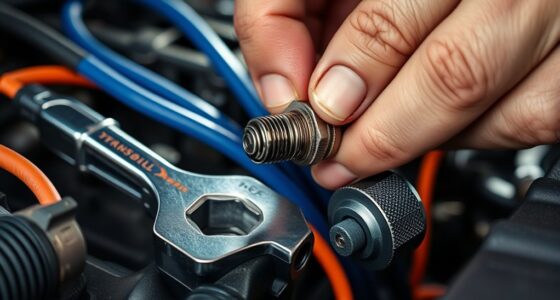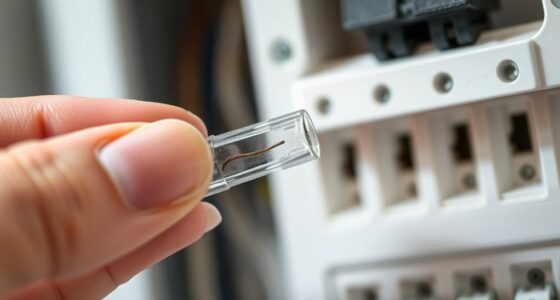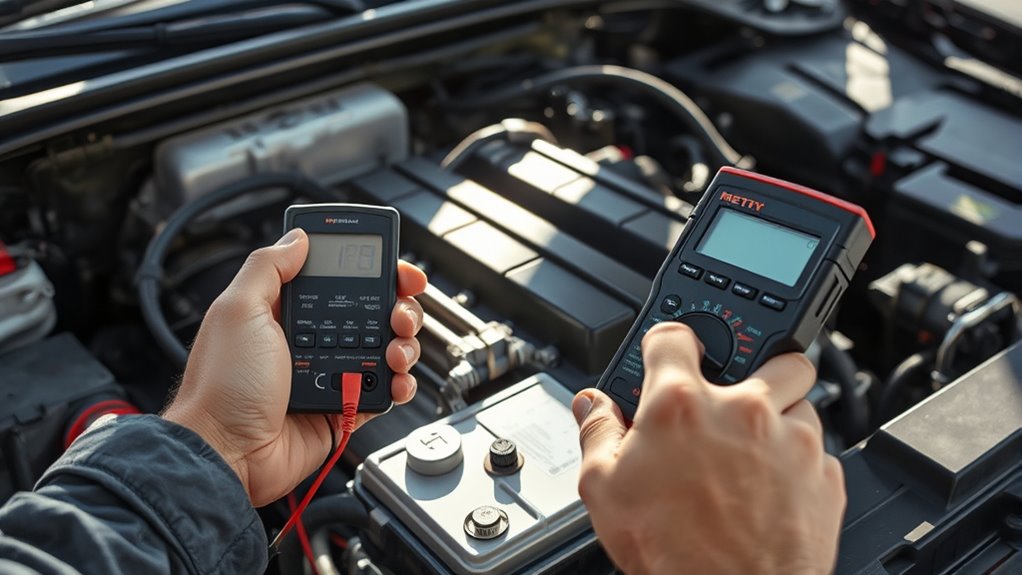

If your headlights flicker, your dashboard warning light stays on, or your car struggles to start, your alternator may be failing. To diagnose, check the belt for wear and use a multimeter to measure voltage at the battery with the engine running; ideal is between 13.8 and 14.4 volts. Dimming lights or strange noises also signal problems. Keep exploring to learn how these tests can confirm if your alternator needs attention.
Key Takeaways
- Watch for warning lights, flickering gauges, or dimming headlights indicating electrical issues.
- Perform a visual inspection of the alternator belt for wear, looseness, or damage.
- Use a multimeter to check battery voltage with the engine running; 13.8-14.4 volts suggests proper alternator function.
- Listen for unusual noises like squealing or grinding near the alternator area.
- Observe for electrical malfunctions such as stalling, difficulty starting, or erratic dashboard signals.
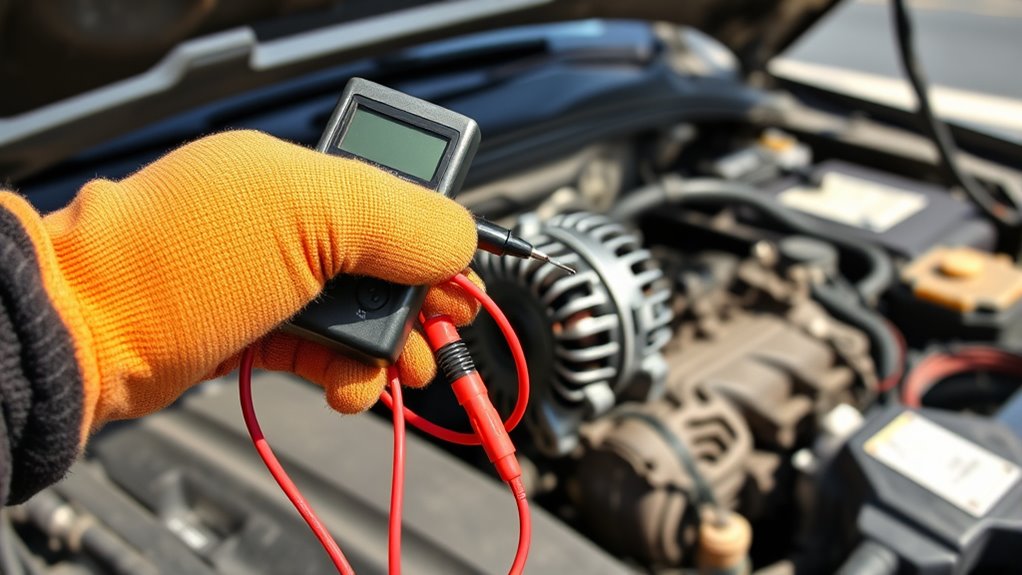
A failing alternator can leave you stranded, so it’s vital to recognize the signs early. One of the most common indicators is a battery warning light that flickers or stays illuminated on your dashboard. This light often appears when the electrical system isn’t receiving the proper charge, signaling that your alternator might not be functioning correctly. If you notice this warning, don’t ignore it; it’s your vehicle’s way of alerting you to a potential problem before it becomes a breakdown. The electrical system relies heavily on the alternator to maintain the battery’s charge and power essential components like headlights, dashboard instruments, and even your radio. When the alternator starts to fail, these systems may behave erratically, flickering, dimming, or shutting off unexpectedly.
A warning light or dimming headlights can signal a failing alternator.
To diagnose a bad alternator, start with a visual inspection. Check the alternator belt for signs of wear, cracks, or looseness, as a slipping belt can reduce its effectiveness. Next, turn on your vehicle and observe the dashboard. If the battery warning light remains on or keeps flickering, it’s a strong sign that your alternator isn’t charging the battery properly. You can also test the battery itself; a weak or dead battery often mimics alternator problems. If your battery is relatively new and fully charged but the warning light persists, then your alternator is likely the culprit. Additionally, tuning modifications or performance upgrades can sometimes influence electrical system demands, making it especially important to ensure your alternator is functioning correctly.
A practical test involves using a multimeter to measure the voltage at the battery terminals. With the engine running, a healthy alternator should produce around 13.8 to 14.4 volts. If the voltage is considerably lower, your alternator isn’t generating enough power, indicating failure. Also, if the voltage exceeds this range, it could mean the voltage regulator inside the alternator is malfunctioning, which can damage your battery over time. Be cautious during this test, and ensure your vehicle is on a flat surface, with the engine running and all accessories turned off.
Listening for unusual noises can also help in your diagnosis. A failing alternator often makes squealing or grinding sounds that come from the front of the engine, especially when the bearing or internal components are worn. Keep in mind that a consistently weak electrical system, dimming headlights, or difficulty starting your car usually points toward a problem with the alternator. Recognizing these signs early and performing simple tests can save you from being stranded unexpectedly. When in doubt, consult a professional mechanic to confirm your diagnosis and prevent further damage to your vehicle’s electrical system. Proper maintenance and timely upgrades from Porsche Tuning Shops can help ensure your vehicle’s electrical components stay reliable.

ANCEL BA101 Car Battery Tester, 12V Digital Automotive Alternator Meter Diagnostic Tool,100-2000 CCA Load Capacity, Charging & Cranking Analyzer for Truck, Boat, RV, Marine Vehicle, and More
Catch Battery Problems Early: Featured in two videos by Project Farm, a popular YouTube channel with millions of…
As an affiliate, we earn on qualifying purchases.
As an affiliate, we earn on qualifying purchases.
Frequently Asked Questions
Can a Bad Alternator Cause Engine Stalling?
Yes, a bad alternator can cause engine stalling. When your alternator warning light appears, it indicates your electrical system isn’t charging properly. This can lead to power loss in critical components, including the ignition system, causing your engine to stall unexpectedly. If you notice stalling along with electrical issues, it’s vital to check your alternator promptly to prevent further damage and guarantee your vehicle runs smoothly.
How Often Should I Test My Alternator?
You should test your alternator at least once every six months to make certain your charging system and battery health are in good shape. Regular testing helps catch potential issues early, preventing unexpected breakdowns. If you notice dimming lights or a dead battery, test your alternator immediately. Maintaining a routine check-up keeps your charging system functioning properly, saving you time and money on costly repairs down the road.
Is It Safe to Drive With a Suspected Bad Alternator?
You shouldn’t drive with a suspected bad alternator, as it can cause your car to stall unexpectedly. To stay safe, follow safety precautions like avoiding busy roads and keeping emergency supplies handy. If you notice warning signs, get your alternator tested promptly. Being prepared for breakdowns by carrying a flashlight, jumper cables, and a phone charger guarantees you’re ready for emergencies, minimizing risks while driving with potential alternator issues.
What Are the Costs to Replace a Faulty Alternator?
You’re looking at the sticker shock of alternator replacement, which typically costs between $300 and $700, including parts and labor. Repair costs vary depending on your vehicle make and model, and whether you choose an aftermarket or OEM part. Keep in mind, it’s better to fix this sooner rather than later—ignoring it could leave you stranded. Think of it as throwing good money after bad if you delay repairs.
Can a Bad Alternator Damage My Car’s Battery?
Yes, a bad alternator can damage your car’s battery. If it’s failing, it may cause battery drain, leaving the battery undercharged and weakening its overall health. This can lead to electrical issues like dim lights or starting problems. Over time, continuous charging problems can shorten your battery’s lifespan, so it’s essential to get your alternator checked and replaced if needed, to prevent further damage.

AstroAI Digital Multimeter Tester 2000 Counts with DC AC Voltmeter and Ohm Volt Amp Meter; Measures Voltage, Current, Resistance, Continuity and Diode, Blue
Additional Tips – The following incorrect operations may cause the multimeter not to show results: Firstly, the plugs…
As an affiliate, we earn on qualifying purchases.
As an affiliate, we earn on qualifying purchases.
Conclusion
When your car starts acting up, spotting a bad alternator is like catching a warning sign before a storm. Pay attention to signs like dimming lights or strange noises, and test your alternator regularly. By staying vigilant, you can catch issues early and save yourself from unexpected breakdowns. Remember, a healthy alternator keeps your vehicle running smoothly, just like a steady heartbeat keeps a body alive. Stay proactive, and your car will thank you for it.

ACDelco Gold 6K841 Standard V-Ribbed Serpentine Belt
Drives several engine functions
As an affiliate, we earn on qualifying purchases.
As an affiliate, we earn on qualifying purchases.
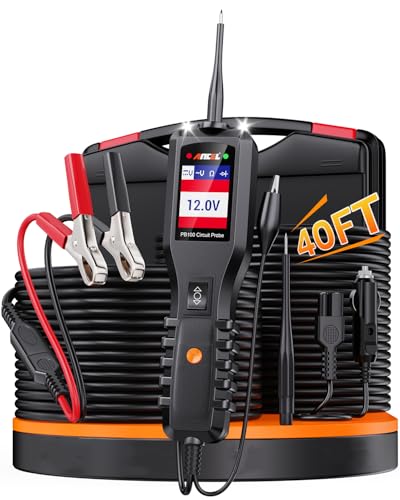
ANCEL PB100 Automotive Power Circuit Probe, 12-24 VDC Car Electrical Diagnostic Tool, AC/DC Voltage Current Resistance Short Detection, Trailer Fuse Tester, Digital Voltmeter Ohmmeter, 40FT Cables
All-in-One Power Circuit Tester for 6–30V Systems: The ANCEL Electrical Tester provides a complete solution for diagnosing vehicle…
As an affiliate, we earn on qualifying purchases.
As an affiliate, we earn on qualifying purchases.