
Before heading out on holiday travel, make sure to conduct important safety checks on your vehicle. Check tire pressure, tread depth, and inspect the spare tire. Top off all fluid levels, including oil, coolant, and brake fluid. Ensure your battery is secure and functioning well, and test brake responsiveness. Verify all lights are working and windshield wipers are in good condition. Testing your climate control helps maintain comfort and alertness. Keep these tips in mind to enjoy a safe trip—there’s more you can do to prepare.
Key Takeaways
- Check tire pressure, tread depth, and spare tire to ensure safe and efficient driving.
- Top off essential fluids like oil, coolant, brake, and windshield washer fluids.
- Inspect the battery for corrosion, secure mounting, and test its charge if over three years old.
- Verify all lighting systems are operational and windshield wipers are in good condition.
- Test climate control systems to ensure comfort and alertness during long trips.
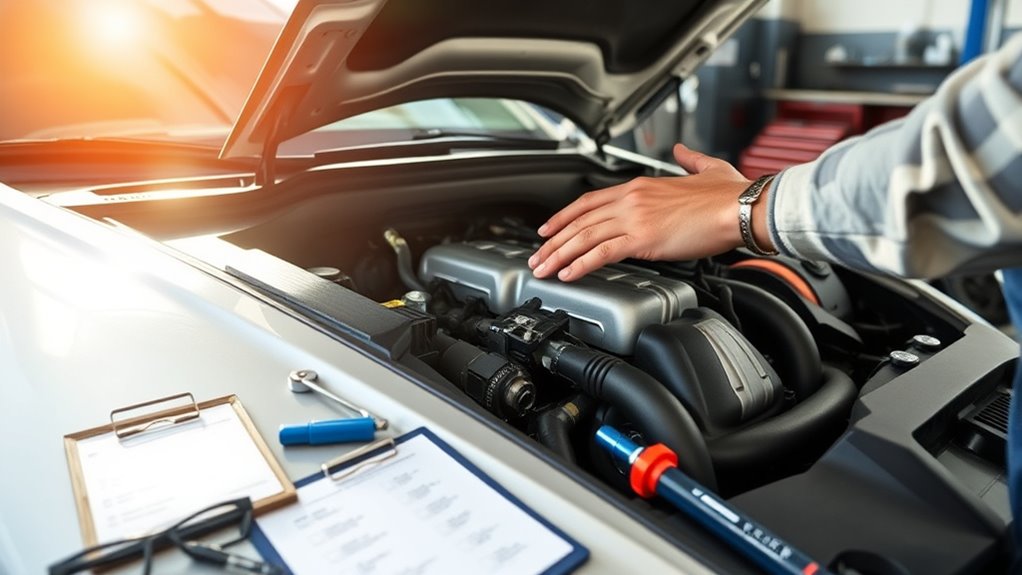
Are you ready to guarantee your holiday travel goes smoothly? One of the most significant steps you can take is ensuring your vehicle is in top condition. Proper car maintenance isn’t just about avoiding breakdowns; it’s about prioritizing your safety and peace of mind during a busy travel season. Before hitting the road, take the time to perform essential vehicle checks that can prevent costly repairs and dangerous situations down the line. This proactive approach helps you stay focused on the journey rather than unexpected setbacks.
Ensure your vehicle is in top shape for a safe, smooth holiday journey by performing essential maintenance checks before hitting the road.
Start by inspecting your tires. Check the pressure and tread depth, ensuring they meet the manufacturer’s recommendations. Properly inflated tires improve fuel efficiency, provide better traction, and reduce the risk of blowouts. Don’t forget to examine the spare tire as well—being prepared for a flat can save you a lot of trouble in unfamiliar areas. Next, turn your attention to fluid levels. Top off engine oil, coolant, brake fluid, and windshield washer fluid. These fluids play pivotal roles in your vehicle’s operation, and neglecting them can lead to overheating, brake failure, or impaired visibility.
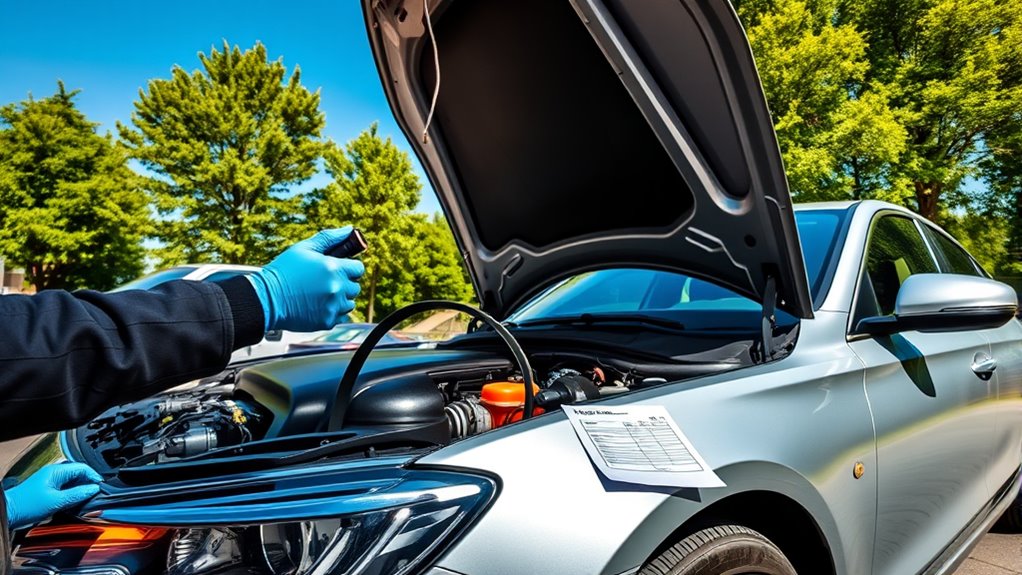
Your battery is another essential component for travel safety. Inspect it for corrosion on the terminals and ensure it’s securely mounted. If your battery is more than three years old or shows signs of weakness, consider having it tested or replaced before your trip. A dead battery can strand you miles from help, especially during winter or colder months when starting can be more challenging. Also, examine your brakes for responsiveness. Squealing or reduced braking power signals that maintenance is needed. Address any brake issues promptly to avoid accidents and ensure reliable stopping power.
Lighting is often overlooked but indispensable for safe travel. Verify that all headlights, taillights, brake lights, and turn signals are functioning correctly. Proper lighting not only helps you see the road clearly but also makes you visible to other drivers, especially during early mornings, late evenings, or bad weather. Wipers should be in good condition, and blades replaced if they streak or smear. Clear visibility is essential for travel safety, particularly in adverse weather conditions. Additionally, consider inspecting your vehicle’s air filtration system, such as the cabin air filter, to ensure clean air inside the vehicle, especially during long trips.
Finally, don’t forget to check your air conditioning and heating systems, especially if you’re traveling during extreme weather. Comfort is important, but these systems also contribute to your alertness and overall well-being on long drives. Once you’ve completed these basic car maintenance checks, you’ll feel more confident and prepared. Taking these steps minimizes the risk of breakdowns, keeps your vehicle running smoothly, and ensures your holiday travel remains safe and enjoyable. Remember, a little effort now can save you from major headaches later.
Frequently Asked Questions
How Often Should I Check My Tire Pressure Before a Long Trip?
You should verify your tire pressure at least once a week before a long trip, especially as temperatures change. Also, inspect your tire tread depth for signs of wear and consider a tire rotation to promote even wear. Properly inflated tires with good tread ensure better fuel efficiency and safety. Make these checks regularly, and you’ll be ready to hit the road confidently and safely.
What Are Signs My Brake Pads Need Replacement?
Your brake pads are crying out if you hear squealing or grinding noises—that’s a red flag. Also, if your brake pedal feels soft or spongy, it indicates trouble. These signs mean your brake pads might be worn thin, risking safety. Don’t ignore these symptoms; they’re your vehicle’s way of telling you it’s time for a replacement. Acting promptly keeps your drive smooth and safe, like a well-rehearsed symphony.
How Can I Ensure My Emergency Kit Is Complete?
You can verify your emergency kit is complete by checking it regularly. Make sure it includes essential items like a first aid kit, flashlight, batteries, and basic tools. Don’t forget to inspect car fluids like oil and coolant, and pack extra in case of leaks or overheating. Add some non-perishable snacks, water, and a blanket for comfort. Keeping everything organized and up-to-date helps you stay prepared for any roadside emergency.
When Should I Replace My Windshield Wipers for Winter Travel?
You should replace your winter windshield wipers before the first snow or icy conditions hit. Check for signs like streaking, cracking, or squeaking when you use them. If they’re damaged or haven’t been replaced in over a year, it’s time for wiper replacement. Proper winter windshield wipers guarantee clear visibility during snowstorms and icy conditions, making your drive safer. Don’t wait until it’s too late—swap them now for reliable performance.
Is It Necessary to Update My Vehicle’s Maintenance Records?
You definitely should update your vehicle’s maintenance records; after all, who wants to explain a mysterious breakdown with a blank stare and no proof? Keeping your vehicle history organized makes insurance documentation easier and demonstrates responsible ownership. Plus, if a mishap occurs, you’ll have all the details at your fingertips—no frantic searching needed. So, stay ahead, stay prepared, and keep those records current to avoid holiday travel headaches.
Conclusion
As you gear up for your holiday journey, remember that a well-prepared vehicle is your trusted companion on the road. Think of your car as a sturdy ship, ready to sail through bustling streets and quiet highways. By checking those essential safety points, you’re setting the stage for smooth sailing and joyful reunions. So, tighten those bolts, top off the fluids, and hit the road with confidence—your holiday adventure awaits just beyond the horizon.