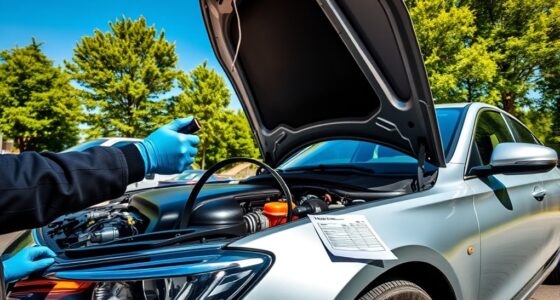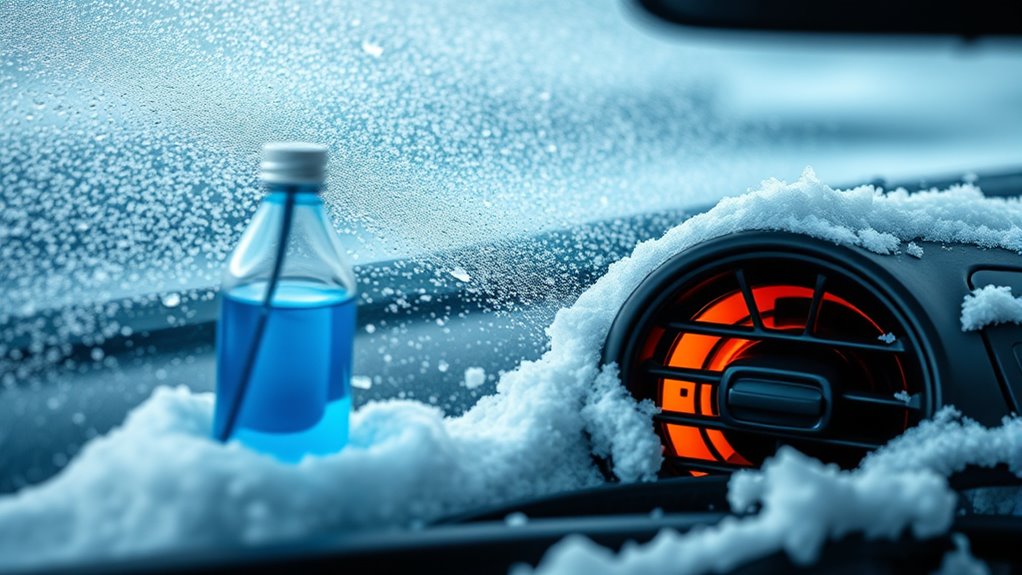

To winterize your windshield, start by checking that your wipers are in good condition and replace any worn blades for a clear sweep. Fill your reservoir with a winter-grade windshield washer fluid that won’t freeze. Verify your defrosters and heating system work properly so you can quickly clear frost and ice buildup. Using heated windshields can also help. Taking these steps will keep your view unobstructed and safer on the road — learn more about winter prep tips below.
Open a free Amazon Business account
Business pricing, bulk buying and tax-exempt orders.
As an affiliate, we earn on qualifying purchases.
Key Takeaways
- Use winter-grade windshield washer fluid to prevent freezing and ensure effective cleaning.
- Inspect and replace worn wiper blades to maintain clear visibility in snow and ice.
- Ensure defrosters and heating systems are functioning properly before winter for quick frost removal.
- Remove snow and ice thoroughly with proper tools to prevent wiper damage and improve visibility.
- Consider installing a heated windshield if compatible, for faster frost melting and safer driving.
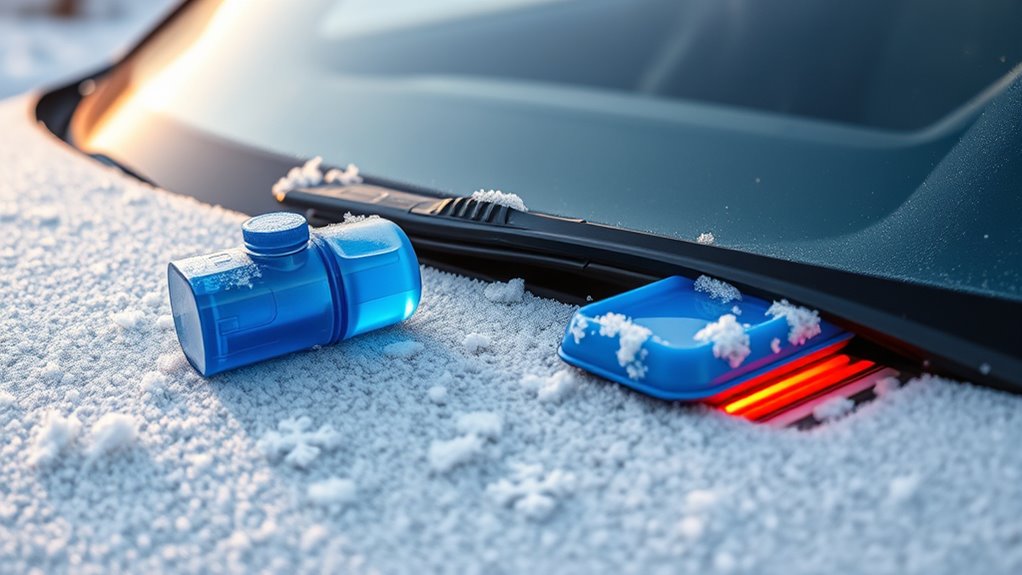
As winter approaches, taking steps to winterize your windshield is essential to maintain visibility and safety on the road. One of the best ways to do this is by investing in a heated windshield if your vehicle supports it. A heated windshield can quickly melt frost and ice, reducing the need for manual snow removal and minimizing scraping that can damage the glass. This feature keeps your view clear and prevents ice buildup that can obscure your vision. If a heated windshield isn’t an option, consider using a high-quality ice scraper and snow brush to remove snow efficiently. Clearing snow from your windshield before driving is crucial, as snow and ice can impair your line of sight and compromise safety. Always ensure you clear the entire surface, including the edges and wipers, to prevent snow from interfering with the wiper blades‘ movement. Additionally, utilizing appropriate windshield washer fluids formulated for cold weather helps maintain visibility and prevents freezing on the glass. Your windshield washer fluid plays a vital role in winter weather. Switch to a winter-grade fluid that is designed to withstand low temperatures and prevent freezing. Regular fluid can thicken or freeze, making it ineffective at cleaning your windshield. Keep the reservoir full to ensure you always have enough fluid to clear away slush, dirt, and salt residue. It’s also a good idea to check your wiper blades before winter hits. Wipers that are cracked or worn won’t effectively clear water or snow, which can lead to streaks or missed spots. Replacing worn blades ensures you have optimal contact with the glass, making your windshield cleaning more efficient. Defrosters are your frontline defense against fog and frost on the inside and outside of your windshield. Make sure your vehicle’s defrosting system is working properly before winter arrives. Turn on the defroster early to prevent frost buildup and use the air conditioning setting if your vehicle has one—this helps remove humidity from the air inside the car, reducing fog. Combining the use of defrosters with a heated windshield, if available, can make a significant difference in maintaining clear visibility. Remember, a well-maintained heating system, including the defrost vents and controls, ensures rapid and even defrosting, saving you time and frustration during cold mornings.
As an affiliate, we earn on qualifying purchases.
Frequently Asked Questions
How Often Should I Replace My Windshield Wipers for Winter?
You should replace your windshield wipers every 6 to 12 months, especially before winter. Wiper blade lifespan varies, but harsh winter conditions can wear them out faster. Regular winter wiper maintenance, like checking for cracks or stiffness, helps make certain of clear visibility. If your wipers streak or skip during winter, it’s time for a replacement. Staying proactive guarantees safe driving in snowy or icy conditions.
Can Using Hot Water Damage My Windshield During Winter?
Don’t throw caution to the wind—using hot water on your windshield can do more harm than good. It might cause cracks or damage the glass, especially if there’s a tiny chip or crack already. Instead, stick to gentle de-icing techniques like a scraper or a mixture of cold water and vinegar. This helps prevent windshield cracks and keeps your glass in top shape, ready to face winter’s worst.
What’s the Best Type of Windshield Fluid for Extreme Cold?
For extreme cold, you should use a windshield fluid with a high antifreeze content, like an antifreeze spray or winter windshield treatment. These formulas prevent freezing and guarantee clear visibility. Look for products rated for temperatures below your usual winter lows. Regular windshield fluid won’t cut it in severe cold, so investing in a quality antifreeze spray or winter treatment keeps your windshield clear and safe during freezing conditions.
Are Heated Windshield Wipers Available and Effective?
Heated windshield wipers act like a warm hug for your glass, making them quite effective in winter. They melt snow and ice on contact, reducing scraping and improving visibility. While not as common as traditional wipers, heated wipers are available and can be a game-changer in extreme cold. Their effectiveness depends on quality and installation, but overall, they’re a smart investment to keep your view clear during winter storms.
How Do I Prevent Ice Buildup Around My Windshield Wipers?
To prevent ice buildup around your windshield wipers, start by applying a silicone-based spray on the rubber blades to improve wiper maintenance and reduce ice adhesion. Cover your wipers with a windshield cover or cloth when parked overnight to shield them from moisture. Additionally, keep your windshield and wipers clean, and consider using a de-icer spray around the wiper area. These steps help guarantee your wipers stay functional and ice-free.
Conclusion
Now that you’ve winterized your windshield, you’re all set to face the cold with confidence. Regular maintenance makes sure you won’t be caught off guard when Jack Frost comes knocking. Remember, a little prep goes a long way—don’t let winter catch you with your guard down. Stay proactive, keep your wipers, fluid, and defrosters in top shape, and you’ll cruise through the season without a hitch. After all, it’s better to be safe than sorry!
NFL season / tailgating Picks
team gear
As an affiliate, we earn on qualifying purchases.