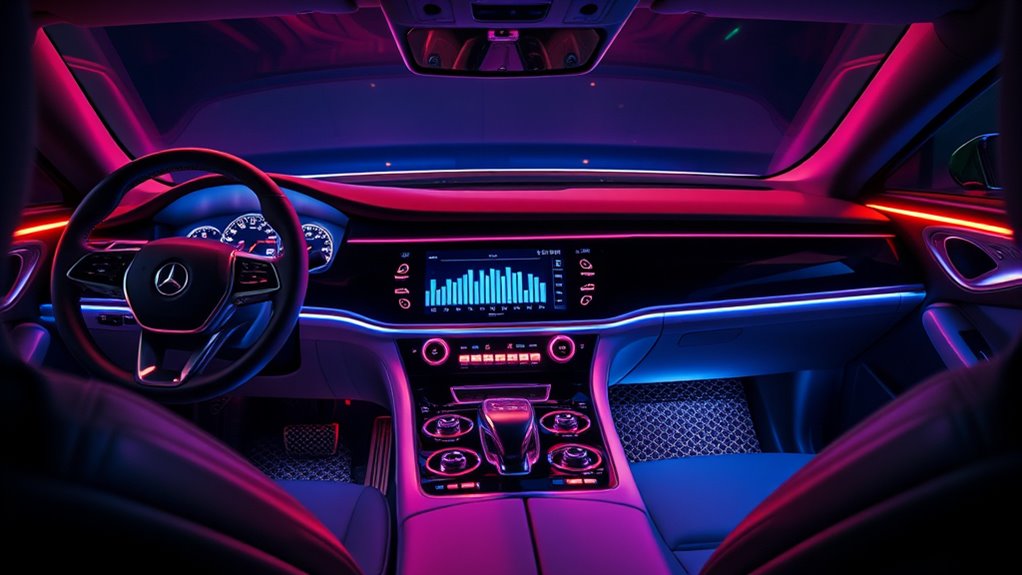

Among these high end car stereo systems, I rank the Alpine iLX-W670 as the best overall because it balances reputable audio engineering, smartphone integration, and a practical double-DIN design. The Kenwood Excelon Reference DMX1058XR is my premium pick for buyers who want a larger HD display and more ambitious system-building potential. For a lower-cost touchscreen upgrade, the Pioneer DMH-130BT offers a stronger brand foundation than the many generic alternatives, though it lacks the latest wireless phone integration. The main tradeoffs are sound-tuning depth versus price, large screens versus dashboard fit, and polished software versus long feature lists from lesser-known brands. Continue reading for the full breakdown of which receiver best matches each vehicle, budget, and listening goal.
Complete the kit


Key Takeaways
- Alpine iLX-W670 leads the roundup because its balanced mix of audio credibility, familiar controls, and smartphone support suits more buyers than the oversized or stripped-down alternatives.
- Kenwood Excelon Reference DMX1058XR is the premium choice; its 10.1-inch HD display and system-expansion focus justify the higher price for serious builds, but exceed what casual listeners need.
- Pioneer DMH-130BT offers the clearest value play for buyers who prioritize dependable Bluetooth, FLAC playback, and a capacitive screen over CarPlay or Android Auto.
- Screen size did not determine rank: several 10.1-inch generic receivers advertise more functions than Alpine or Pioneer models, yet weaker brand support and uncertain software longevity lower their appeal.
- Single-DIN buyers have three distinct paths: Pioneer DEH-S4220BT for CDs and stronger preamp connectivity, Alpine UTE-73BT for simple digital playback, and Kenwood KMM-BT332U for Alexa and SiriusXM compatibility.
| Pioneer DMH-130BT |  | Best Simple Touchscreen Upgrade | Display: 6.8-inch capacitive touchscreen | Chassis: Double DIN | Connectivity: Bluetooth and USB | VIEW ON AMAZON | See Our Full Breakdown |
| Pioneer DEH-S4220BT |  | Best Single-DIN Pick for System Builders | Chassis: Single DIN | Connectivity: Built-in Bluetooth | Inputs: USB and auxiliary | VIEW ON AMAZON | See Our Full Breakdown |
| Kenwood Excelon Reference DMX1058XR |  | Best Overall | Display: 10.1-inch adjustable HD floating touchscreen | Resolution: 1280 x 720 | Phone Integration: Wireless Apple CarPlay and Android Auto | VIEW ON AMAZON | See Our Full Breakdown |
| Alpine UTE-73BT |  | Best Minimalist Digital Media Receiver | Receiver Type: Mech-less digital media receiver | Bluetooth: Built in | Tuner: AM/FM with RBDS | VIEW ON AMAZON | See Our Full Breakdown |
| BOSS Audio Systems BVCP9700A |  | Best Value for Smartphone Integration | Display: 7-inch touchscreen | Apple Integration: Apple CarPlay | Android Integration: Android Auto | VIEW ON AMAZON | See Our Full Breakdown |
| Haudio 10.1-inch Single DIN Car Stereo |  | Best Large-Screen Single-DIN Upgrade | Display: 10.1-inch rotatable IPS touchscreen | Operating system: Android 13 | Memory: 2GB RAM | VIEW ON AMAZON | See Our Full Breakdown |
| 10.1-inch QLED Double Din Car Stereo |  | Best for a Subwoofer-Focused Build | Display: 10.1-inch QLED | Maximum power output: 240W | Subwoofer outputs: Dual | VIEW ON AMAZON | See Our Full Breakdown |
| Wireless Double Din Car Stereo with 7-inch HD Touchscreen |  | Best Value Camera Bundle | Display: 7-inch HD capacitive touchscreen | Display resolution: 1024 x 600 | Video playback: Up to 1920 x 1080P | VIEW ON AMAZON | See Our Full Breakdown |
| Double Din Car Stereo with 7-inch HD Touchscreen and 240W Output |  | Best Compact Audio-Tuning Pick | Display: 7-inch IPS touchscreen | Resolution: 1024 x 600 | Maximum power output: 240W | VIEW ON AMAZON | See Our Full Breakdown |
| BOSS Audio Systems BCP62-RC Car Stereo |  | Best Warranty-Backed iPhone Pick | Phone integration: Apple CarPlay | Voice assistant: Siri | Software updates: USB | VIEW ON AMAZON | See Our Full Breakdown |
| KENWOOD KMM-BT332U Bluetooth Single DIN Car Stereo |  | Best Screen-Free Sound Pick | Display: Multi-color LCD | Bluetooth: Built-in audio streaming and hands-free calling | USB: Front USB port with 1.5A output | VIEW ON AMAZON | See Our Full Breakdown |
| 10.1-inch Single-DIN Car Stereo with CarPlay and Android Auto |  | Best Budget Large-Screen Upgrade | Screen Size: 10.1 inches | Display Resolution: 1024 x 600 | Touchscreen: IPS panel with rotation and vertical adjustment | VIEW ON AMAZON | See Our Full Breakdown |
| Alpine iLX-W670 Digital Multimedia Receiver |  | Best Overall | Display: 7-inch touchscreen | Phone Compatibility: Wired Apple CarPlay and Android Auto | Bluetooth: Built in | VIEW ON AMAZON | See Our Full Breakdown |
| BOSS Audio Systems BCPA14 Car Stereo |  | Best Oversized Display | Display: 14-inch capacitive touchscreen | Phone Compatibility: Wired Apple CarPlay and Android Auto | Bluetooth: Hands-free calling and audio connectivity | VIEW ON AMAZON | See Our Full Breakdown |
| high end car stereo system | Display |
|---|---|
| Pioneer DMH-130BT | 6.8-inch capacitive touchscreen |
| Pioneer DEH-S4220BT | — |
| Kenwood Excelon Reference DMX1 | 10.1-inch adjustable HD floating touchscreen |
| Alpine UTE-73BT | — |
| BOSS Audio Systems BVCP9700A | 7-inch touchscreen |
| Haudio 10.1-inch Single DIN Ca | 10.1-inch rotatable IPS touchscreen |
| 10.1-inch QLED Double Din Car | 10.1-inch QLED |
| Wireless Double Din Car Stereo | 7-inch HD capacitive touchscreen |
| Double Din Car Stereo with 7-i | 7-inch IPS touchscreen |
| BOSS Audio Systems BCP62-RC Ca | — |
| KENWOOD KMM-BT332U Bluetooth S | Multi-color LCD |
| 10.1-inch Single-DIN Car Stere | — |
| Alpine iLX-W670 Digital Multim | 7-inch touchscreen |
| BOSS Audio Systems BCPA14 Car | 14-inch capacitive touchscreen |
More Details on Our Top Picks
Pioneer DMH-130BT
I rank the Pioneer DMH-130BT as the best choice for drivers who want a polished touchscreen without paying for advanced smartphone projection. Its responsive 6.8-inch capacitive display makes Bluetooth audio, USB files, and camera viewing easier to manage than the button-driven Pioneer DEH-S4220BT. Compared with the BOSS BVCP9700A, however, it lacks listed Apple CarPlay and Android Auto support, so phone-based navigation is less convenient. The 50W x 4 output suits a straightforward speaker upgrade, while FLAC playback gives owners access to lossless files. I would not make it the centerpiece of an elaborate competition-grade system because advanced tuning and preamp details are absent. Its strongest case is clean, uncomplicated touchscreen control, backed by camera readiness and display customization.
Pros:- Capacitive 6.8-inch screen offers more direct control than a conventional button receiver
- FLAC and USB playback support lossless local music libraries
- Backup-camera compatibility adds a practical safety upgrade
- Customizable colors and backgrounds can better match the dashboard
Cons:- Apple CarPlay and Android Auto support are not listed
- No built-in navigation
- Professional installation may add cost
Best for: Drivers replacing an older double-DIN radio who want responsive touchscreen controls, Bluetooth streaming, and a backup-camera display without relying on CarPlay
Not ideal for: Phone-first drivers who expect wireless Apple CarPlay, Android Auto, built-in navigation, or detailed sound-processing controls
- Display:6.8-inch capacitive touchscreen
- Chassis:Double DIN
- Connectivity:Bluetooth and USB
- Radio:AM/FM
- Power Output:50W x 4
- Audio Format:FLAC supported
- Camera Support:Backup-camera ready
- Dimensions:7 W x 3.875 H x 4.375 D inches
Our verdict“I recommend this Pioneer for buyers who value a responsive touchscreen and camera support more than advanced phone projection or audiophile tuning.”
Pioneer DEH-S4220BT
The Pioneer DEH-S4220BT earns its place through flexibility rather than screen size. I see it as the stronger single-DIN foundation for an amplified audio build because its high-voltage RCA preouts provide a more purposeful connection path for external amplifiers than the Alpine UTE-73BT specifications describe. It also retains a CD mechanism, something the Alpine UTE-73BT omits, while supporting FLAC, USB, auxiliary sources, and Bluetooth. The tradeoff is daily usability: its compact display and layered controls cannot match the clarity of the Kenwood DMX1058XR touchscreen, and new owners may need time to learn the interface. The 50W x 4 onboard output is adequate for ordinary speakers, but a serious high-end system will still call for separate amplification. I rank it highly for source versatility and expansion, not modern visual integration.
Pros:- High-voltage RCA preouts suit external amplifier expansion
- Supports CD, FLAC, USB, auxiliary, and Bluetooth sources
- Detachable faceplate adds theft deterrence
- Color-changing display allows dashboard matching
Cons:- Small display is less convenient than a touchscreen for browsing media
- Control layout may take time to learn
- A high-end speaker system will still need external amplification
Best for: Owners of vehicles with single-DIN openings who want CD playback, lossless files, and preamp connections for a future amplifier installation
Not ideal for: Drivers seeking a large navigation display, camera viewing, or Apple CarPlay and Android Auto controls
- Chassis:Single DIN
- Connectivity:Built-in Bluetooth
- Inputs:USB and auxiliary
- Power Output:50W x 4
- Supported Formats:CD, FLAC, and MP3
- Radio:AM/FM
- Faceplate:Detachable
- Audio Expansion:High-voltage RCA preouts
- Playback Feature:MIXTRAX technology
Our verdict“I favor this model for single-DIN system builders who want broad media support and amplifier-ready outputs rather than a large screen.”
Kenwood Excelon Reference DMX1058XR
I put the Kenwood Excelon Reference DMX1058XR first because it addresses both sides of a high-end upgrade: refined audio control and a modern dashboard interface. Its 13-band EQ, time alignment, LDAC, and optical output offer far more system-shaping potential than the Pioneer DMH-130BT, while wireless CarPlay and Android Auto reduce cable clutter. The adjustable 10.1-inch HD panel also gives maps and camera feeds more usable space than the BOSS BVCP9700A can provide on its 7-inch screen. Four camera inputs make the Kenwood particularly persuasive for larger vehicles or custom installations. That breadth brings real costs: the receiver carries a premium price, may need a vehicle-specific dash kit, and requires separate hardware for SiriusXM. I view its audio processing and expansion range as the clearest justification for the top ranking.
Pros:- Advanced EQ and time alignment support precise system tuning
- Hi-Res Audio, LDAC, and optical output suit higher-grade audio chains
- Large HD screen supports wireless CarPlay and Android Auto
- Four camera inputs provide broad visibility options
Cons:- Premium pricing places it well above basic touchscreen receivers
- Some vehicles require an added dash kit
- SiriusXM service requires a separately sold tuner
Best for: Enthusiasts building an amplified, carefully tuned system who also want wireless phone integration and several vehicle cameras
Not ideal for: Budget-focused owners or compact dashboards that cannot comfortably accommodate a large floating display
- Display:10.1-inch adjustable HD floating touchscreen
- Resolution:1280 x 720
- Phone Integration:Wireless Apple CarPlay and Android Auto
- Wireless Connectivity:Bluetooth and Wi-Fi
- Camera Inputs:4
- Audio Support:Hi-Res Audio, LDAC, and optical output
- Sound Tuning:13-band EQ and time alignment
- Radio Compatibility:HD Radio and SiriusXM-ready
- Vehicle Integration:iDatalink Maestro compatible
Our verdict“I recommend the Kenwood as the strongest all-around choice for buyers willing to pay for serious tuning, connectivity, and camera expansion.”
Alpine UTE-73BT
I assign the Alpine UTE-73BT the minimalist role because it concentrates on wireless streaming, USB playback, and conventional radio without adding a disc mechanism or oversized screen. That makes it a cleaner fit for drivers who keep music on a phone or flash drive. Compared with the Pioneer DEH-S4220BT, the Alpine drops CD playback, the color-changing display, and listed high-voltage preouts, so it offers less flexibility for collectors and ambitious amplifier builds. Its FLAC support still matters: owners can play lossless files instead of relying only on compressed streaming. iPhone, Android AOA 2.0, and Pandora compatibility broaden source access, but they do not provide the map-and-message interface found on the BOSS BVCP9700A. I see this as a focused, low-distraction receiver, though its limited display information weakens its high-end credentials.
Pros:- Mech-less design suits phone- and USB-based listening
- FLAC playback supports lossless music files
- Bluetooth handles wireless audio and calls
- Works with iPhone, Android AOA 2.0, and Pandora
Cons:- No CD slot
- No touchscreen, CarPlay, or Android Auto interface
- Provided specifications do not describe advanced tuning or preamp features
Best for: Drivers with a single-DIN dashboard who primarily stream music or play USB files and prefer physical controls over a touchscreen
Not ideal for: Disc collectors, touchscreen shoppers, and audio builders who need documented advanced tuning or preamp expansion
- Receiver Type:Mech-less digital media receiver
- Bluetooth:Built in
- Tuner:AM/FM with RBDS
- USB Audio Formats:FLAC, MP3, and WMA
- Apple Compatibility:Made for iPod and iPhone
- Android Compatibility:AOA 2.0
- Music Service:Pandora compatible
- Disc Playback:None
Our verdict“I would choose the Alpine for a tidy single-DIN streaming setup, but not for a feature-heavy multimedia or advanced amplifier build.”
BOSS Audio Systems BVCP9700A
The BOSS Audio Systems BVCP9700A is my value-oriented recommendation for drivers who place phone access ahead of audiophile processing. Apple CarPlay and Android Auto bring maps, calls, messages, and music onto the 7-inch touchscreen, giving it a major usability advantage over the Pioneer DMH-130BT, which does not list either platform. Front, rear, and subwoofer preamp outputs also make the BOSS more adaptable than a basic factory replacement when external amplifiers are planned. Against the Kenwood DMX1058XR, though, its limitations become clear: the supplied data lists no HD panel resolution, Hi-Res playback, optical output, time alignment, or detailed EQ system. An interface module and professional installation can raise the completed price. I rank it below the Kenwood but favor it for affordable phone-centered functionality and broad USB, SD, AV, and camera connectivity.
Pros:- Apple CarPlay and Android Auto provide familiar phone-based controls
- Front, rear, and subwoofer preamp outputs support system expansion
- USB, SD, AV, and dual-camera inputs offer broad connectivity
- Listed three-year online-dealer warranty is longer than many basic receiver warranties
Cons:- Required vehicle interface module may be sold separately
- Professional installation can raise the total project cost
- No listed Hi-Res audio support or advanced tuning suite
Best for: Value-conscious drivers who want CarPlay, Android Auto, camera inputs, and preamp outputs in a conventional double-DIN installation
Not ideal for: Audiophiles seeking documented high-resolution playback, advanced time alignment, or extensive signal-processing controls
- Display:7-inch touchscreen
- Apple Integration:Apple CarPlay
- Android Integration:Android Auto
- Wireless Connectivity:Bluetooth
- Media Inputs:USB, SD, and AV
- Camera Inputs:Front and rear
- Preamp Outputs:Front, rear, and subwoofer
- Warranty:3-year platinum online-dealer warranty
Our verdict“I recommend the BVCP9700A for buyers who want accessible CarPlay and Android Auto without paying for the Kenwood’s advanced audio platform.”
Haudio 10.1-inch Single DIN Car Stereo
I rank the Haudio 10.1-inch Single DIN as the most flexible choice for a car that lacks a double-DIN opening. Its rotatable IPS display brings navigation and media closer to eye level, while wireless CarPlay, Android Auto, and split-screen support make the interface more versatile than the smaller Wireless Double Din 7-inch stereo. It also includes an AHD reversing camera, reducing the number of separate components buyers need. The compromise is performance: 2GB of RAM is modest for Android 13, so heavier multitasking may feel less fluid than on the Kenwood Excelon Reference DMX1058XR. The oversized floating screen can also block vents or controls in tighter dashboards. I see this as a feature-led upgrade with excellent installation flexibility, rather than the strongest choice for audiophile-grade processing.
Pros:- Large rotatable IPS screen suits many single-DIN installations
- Wireless Apple CarPlay and Android Auto reduce cable clutter
- Split-screen mode can display two functions together
- AHD backup camera is included
Cons:- 2GB of RAM may restrict smooth multitasking
- Floating display can obstruct nearby dashboard controls
- Some vehicles need extra mounting or wiring accessories
Best for: I recommend it to drivers with a single-DIN dashboard who want a large adjustable screen, wireless phone integration, and an included reversing camera.
Not ideal for: I would skip it for buyers who run several Android apps at once or have vents and vehicle controls positioned close to the stereo opening.
- Display:10.1-inch rotatable IPS touchscreen
- Operating system:Android 13
- Memory:2GB RAM
- Storage:32GB ROM
- Phone integration:Wireless Apple CarPlay and Android Auto
- Connectivity:Bluetooth, WiFi, and Mirror Link
- Camera:AHD backup camera included
- Installation format:Universal single-DIN
Our verdict“I would choose this for a single-DIN vehicle that needs maximum screen area, provided its modest processing hardware and dashboard clearance are acceptable.”
10.1-inch QLED Double Din Car Stereo
I place this 10.1-inch QLED stereo ahead of the Haudio model for buyers building a more ambitious audio system. Its built-in DSP and dual subwoofer outputs provide a better foundation for bass tuning, while the QLED panel offers broad viewing angles for a large dashboard display. Wireless and wired CarPlay and Android Auto add useful redundancy when a wireless connection becomes unreliable. Compared with the Double Din 7-inch 240W stereo, this model supplies more screen area and a second subwoofer path, but it demands considerably more dashboard space. The music-reactive lighting will suit customized cabins, though I find it less appealing for understated interiors. Installation is another hurdle: dash kits, steering-wheel-control interfaces, or vehicle-specific adapters may raise the final cost. Its 240W rating is a maximum figure, not proof of sustained audiophile power.
Pros:- Dual subwoofer outputs support more flexible bass-system layouts
- Large QLED screen offers wide viewing angles
- Built-in DSP provides more audio adjustment than basic receivers
- Both wired and wireless CarPlay and Android Auto are supported
Cons:- Large display may require a dash kit or physical clearance checks
- Music-reactive lighting will not suit every cabin
- Vehicle-specific adapters can increase installation cost
Best for: I recommend it to enthusiasts planning a dual-subwoofer system who also want a large display and both wired and wireless phone projection.
Not ideal for: I would skip it for drivers with a restrained factory-style cabin or limited dashboard space, since the large screen and animated lighting can dominate the interior.
- Display:10.1-inch QLED
- Maximum power output:240W
- Subwoofer outputs:Dual
- Phone integration:Wireless and wired Apple CarPlay and Android Auto
- Connectivity:Bluetooth and Mirror Link
- Audio processing:Built-in DSP
- Lighting:Music-activated ambient lighting
- Voice control:Siri and Google voice control
Our verdict“I would pick this for a visually bold, bass-heavy installation where dual subwoofer connectivity matters more than factory-like styling.”
Wireless Double Din Car Stereo with 7-inch HD Touchscreen
I chose this 7-inch Wireless Double Din stereo as the value-oriented bundle because it combines wireless CarPlay, Android Auto, physical controls, and a night-vision backup camera. The smaller display is easier to integrate cleanly than either 10.1-inch model, and its 1024 x 600 panel is adequate for maps without overwhelming the dashboard. Compared with the Double Din 7-inch 240W stereo, however, it lacks the stated 10-band EQ, DSP processing, and front-camera support that make the other unit better suited to a tuned system. WiFi also cannot serve as a hotspot connection, which limits its standalone flexibility. I view the 60W x 4 output and RCA connectivity as useful building blocks, but buyers seeking genuinely high-end sound will still need amplification and careful speaker matching. Its strength is practical feature coverage, not advanced audio control.
Pros:- Included night-vision rear camera adds real bundle value
- Physical buttons complement the touchscreen while driving
- Wireless CarPlay and Android Auto support cable-free daily use
- Compact 7-inch format is easier to fit than floating 10.1-inch screens
Cons:- Audio adjustment is less advanced than the 10-band EQ and DSP alternatives
- WiFi connection does not support hotspot functionality
- Some dashboards still require extra frames, wiring, or adapters
Best for: I recommend it to budget-conscious drivers who want wireless smartphone projection, tactile buttons, and a reversing camera in one package.
Not ideal for: I would skip it for audio enthusiasts who want detailed DSP tuning, front-camera integration, or WiFi hotspot support.
- Display:7-inch HD capacitive touchscreen
- Display resolution:1024 x 600
- Video playback:Up to 1920 x 1080P
- Power output:60W x 4
- Phone integration:Wireless Apple CarPlay and Android Auto
- Connectivity:Bluetooth and Mirror Link
- Camera:HD night-vision rear camera included
- Operating voltage:DC 12V
Our verdict“I would buy this as an affordable all-in-one connectivity and camera upgrade, not as the centerpiece of a heavily tuned audio system.”
Double Din Car Stereo with 7-inch HD Touchscreen and 240W Output
I rank this 7-inch Double Din stereo above the similarly sized Wireless Double Din model for listeners who want more control over a compact system. Its 10-band EQ, DSP, and subwoofer output give buyers more room to shape tonal balance and integrate external bass, while the large rear heat sink helps manage temperature. It also supports both wireless and wired CarPlay and Android Auto, making it less dependent on one connection method. Unlike the 10.1-inch QLED stereo, it has only one stated subwoofer output and gives up the expansive screen and dual-sub layout. The rear camera is included, but the supported front camera costs extra, and longer vehicles may need an extension cable. I also treat the 240W maximum rating cautiously; a separate amplifier remains the better route for demanding speakers. For me, its appeal lies in balanced functionality within a conventional footprint.
Pros:- 10-band EQ and DSP offer useful sound-shaping control
- Wireless and wired CarPlay and Android Auto provide connection flexibility
- Included rear camera and optional front-camera support improve parking coverage
- Large rear heat sink supports thermal management
Cons:- Front camera must be purchased separately
- Long vehicles may need an additional rear-camera extension cable
- 240W maximum output does not equal sustained external-amplifier power
Best for: I recommend it to drivers who want a factory-sized 7-inch receiver with meaningful EQ control, subwoofer integration, and dual-mode phone connectivity.
Not ideal for: I would skip it for dual-subwoofer builds or buyers expecting its maximum power figure to replace a dedicated external amplifier.
- Display:7-inch IPS touchscreen
- Resolution:1024 x 600
- Maximum power output:240W
- Phone integration:Wireless and wired Apple CarPlay and Android Auto
- Equalizer:10-band EQ with DSP
- Subwoofer output:Yes
- Camera support:Rear and front cameras; rear camera included
- Microphone connections:Built-in microphone and external microphone port
- Steering-wheel controls:Supported with an interface module
Our verdict“I would choose this when audio adjustment and a conventional 7-inch fit matter more than a huge display or dual-subwoofer connectivity.”
BOSS Audio Systems BCP62-RC Car Stereo
I selected the BOSS Audio Systems BCP62-RC for iPhone-focused buyers who value brand support and system expansion more than a long feature list. Its three-year dealer warranty is a meaningful advantage over the generic 7-inch and 10.1-inch receivers, while front, rear, and subwoofer preamp outputs provide a sensible route into external amplifiers. USB, microSD, auxiliary, AV, and dual-camera inputs also make it adaptable to older and newer sources. Compared with the Double Din 7-inch 240W stereo, though, this BOSS model does not list Android Auto, DSP, or a 10-band EQ, so it is less flexible for mixed-phone households and hands-on sound tuning. Steering-wheel integration requires a separately sold Metra interface, adding expense. I see CarPlay and Siri integration as its core attraction, with the included backup camera and warranty making ownership easier to justify.
Pros:- Three-year warranty provides stronger ownership support than many generic rivals
- Front, rear, and subwoofer preamp outputs suit expandable systems
- Broad input selection includes USB, microSD, AV, auxiliary, and camera connections
- Apple CarPlay provides Siri-based access to calls, maps, music, and messages
Cons:- Android Auto is not listed
- Steering-wheel-control interface is sold separately
- Professional installation adds to the likely total cost
Best for: I recommend it to iPhone owners who plan to add external amplification and want a longer warranty from an established car-audio brand.
Not ideal for: I would skip it for Android users or buyers who want built-in DSP tuning and steering-wheel controls without purchasing another interface.
- Phone integration:Apple CarPlay
- Voice assistant:Siri
- Software updates:USB
- Media inputs:USB, microSD, AV, and auxiliary
- Camera inputs:Front and rear
- Preamp outputs:Front, rear, and subwoofer
- Included camera:Backup camera
- Warranty:Three-year platinum online dealer warranty
- Steering-wheel interface:Metra ASWC-1 sold separately
Our verdict“I would choose the BCP62-RC for an iPhone-centered amplified system where warranty coverage matters more than advanced built-in tuning.”
KENWOOD KMM-BT332U Bluetooth Single DIN Car Stereo
I rank the KENWOOD KMM-BT332U as the strongest choice here for drivers who value audio support and physical controls more than dashboard apps. Its FLAC and high-resolution playback, 50-watt-per-channel rating, and six-channel preamp outputs provide a better foundation for an amplified system than the phone-centric 10.1-inch single-DIN model. The shallow installation depth also suits older dashboards where a large display would feel intrusive. Compared with the Alpine iLX-W670, however, it sacrifices CarPlay, Android Auto, navigation display, and detailed touchscreen tuning. Its 2.5-volt preamp signal is useful but modest beside higher-voltage audiophile receivers. I see this as a focused single-DIN upgrade, not a full multimedia centerpiece, and the missing CD mechanism will rule it out for buyers with physical collections.
Pros:- FLAC and high-resolution file support serves sound-focused digital libraries
- Six-channel preamp outputs allow amplifier and subwoofer expansion
- Detachable face adds theft deterrence in open or older vehicles
- Front USB and auxiliary connections keep wired sources accessible
Cons:- No CarPlay, Android Auto, or navigation display
- No CD playback despite its traditional single-DIN format
- 2.5-volt preamp outputs are less robust than those on some audiophile receivers
Best for: Owners of older single-DIN vehicles who play lossless files and plan to connect external amplifiers without adding a large screen
Not ideal for: Drivers who want dashboard navigation, CarPlay, Android Auto, or continued access to a CD collection
- Display:Multi-color LCD
- Bluetooth:Built-in audio streaming and hands-free calling
- USB:Front USB port with 1.5A output
- Auxiliary Input:Front input
- Preamp Outputs:Six-channel, 2.5V rear and subwoofer outputs
- Power:50 watts per channel
- Supported Formats:MP3, WMA, WAV, AAC, and FLAC
- Installation Size:7-3/16 x 2-1/8 x 3-15/16 inches
Our verdict“I recommend it to sound-focused single-DIN buyers who can trade modern screen integration for flexible digital playback and amplifier connections.”
10.1-inch Single-DIN Car Stereo with CarPlay and Android Auto
This model earns its place by putting a 10.1-inch adjustable IPS screen into a single-DIN opening, making it appealing for older cars that cannot accept a conventional double-DIN receiver. CarPlay, Android Auto, Mirror Link, a microphone, and camera support deliver more everyday utility than the screen-free KENWOOD KMM-BT332U. I also prefer its rotatable, height-adjustable display to a fixed panel when vents or dashboard trim sit close to the radio slot. The compromises become clear beside the Alpine iLX-W670: the 1024-by-600 resolution is merely adequate at this size, the supplied data gives no advanced EQ or preamp details, and installation may demand extra troubleshooting. Its wired-looking, specification-light package also feels less polished than established-brand alternatives. I rank it as the value route to oversized phone integration, rather than the choice for a carefully tuned high-end audio build.
Pros:- Large adjustable IPS display fits through a single-DIN installation opening
- Supports CarPlay, Android Auto, and Mirror Link
- Included backup camera and microphone add useful driving functions
- 1080p video playback broadens parked multimedia use
Cons:- 1024-by-600 resolution can look coarse across a 10.1-inch panel
- Installation and initial setup may be difficult for inexperienced owners
- Product data omits advanced audio-tuning and preamp-output details
Best for: Budget-minded owners of single-DIN cars who want a large adjustable display for phone navigation and a backup-camera view
Not ideal for: Audio enthusiasts who need documented preamp performance, advanced sound tuning, or established-brand installation support
- Screen Size:10.1 inches
- Display Resolution:1024 x 600
- Touchscreen:IPS panel with rotation and vertical adjustment
- Phone Compatibility:Apple CarPlay, Android Auto, and Mirror Link
- Video Playback:Up to 1080p HD
- Bluetooth:Hands-free calling and phonebook support
- Camera Support:Backup camera supported
- Installation Size:178 x 50 mm
- Power Supply:Stable 12V required
Our verdict“I would choose it for an affordable big-screen conversion, but not as the centerpiece of a demanding audiophile system.”
Alpine iLX-W670 Digital Multimedia Receiver
I place the Alpine iLX-W670 first among these four because it balances credible audio tuning, recognizable interface support, and practical installation better than the oversized alternatives. Its 13-band EQ and subwoofer controls give system builders more useful adjustment than the 10.1-inch single-DIN model documents, while the shallow chassis leaves extra space for wiring. The seven-inch screen is far smaller than the BOSS BCPA14’s 14-inch panel, but it is also less likely to cover vents or controls and fits a wider range of dashboards cleanly. Buyers still face wired CarPlay and Android Auto, and first-time installers may find the tuning menus more involved than a basic receiver. Compared with the Kenwood Excelon Reference DMX1058XR elsewhere in the roundup, it lacks wireless phone integration and a large HD display. I see it as the most balanced high-end foundation, rather than the most lavish screen.
Pros:- 13-band EQ and subwoofer controls support detailed system tuning
- Shallow chassis creates more room for wiring behind the dashboard
- CarPlay and Android Auto cover both major phone platforms
- SiriusXM readiness supports an optional satellite-radio setup
Cons:- CarPlay and Android Auto require a wired connection
- Seven-inch display feels modest beside newer 10- and 14-inch receivers
- Sound adjustments may be complicated for first-time users
Best for: Drivers building a tuned amplifier-and-subwoofer system who want dependable wired phone integration in a space-saving chassis
Not ideal for: Buyers who demand wireless CarPlay or Android Auto, an oversized HD screen, or the simplest possible setup
- Display:7-inch touchscreen
- Phone Compatibility:Wired Apple CarPlay and Android Auto
- Bluetooth:Built in
- Sound Tuning:13-band equalizer with subwoofer controls
- Illumination:Five-color key illumination
- Satellite Radio:SiriusXM ready
- PowerStack Support:Yes
- Mounting:Shallow chassis
Our verdict“I rate it as the best all-around choice for buyers who prioritize installation quality and audio control over wireless connectivity or sheer screen size.”
BOSS Audio Systems BCPA14 Car Stereo
The BOSS Audio Systems BCPA14 is the specialist choice for drivers who want phone navigation and camera imagery displayed at near-tablet scale. Its 14-inch capacitive panel dwarfs both the Alpine iLX-W670 and the 10.1-inch single-DIN model, making maps and touch targets easier to read from the driver’s seat. Unlike many screen-first receivers, it also provides a 13-band EQ, crossovers, and time alignment, so the audio system is not an afterthought. I rank it below the Alpine because size creates its own problems: the floating display may block vents, switches, or sightlines, and adapter brackets can complicate fitment. Wired CarPlay and Android Auto also feel restrictive in a unit built around convenience. Steering-wheel integration is programmable but not universal. This is the boldest multimedia option in the batch, yet buyers should measure the dashboard carefully before choosing it.
Pros:- Expansive 14-inch capacitive display makes maps and controls easy to see
- Built-in DSP includes a 13-band EQ, crossovers, and time alignment
- 85-watt x 4 rating provides substantial claimed onboard power
- Programmable steering-wheel controls can retain convenient factory inputs
Cons:- Large screen may obstruct dashboard equipment or driver sightlines
- CarPlay and Android Auto require cables
- Steering-wheel compatibility varies and bracket installation may require extra work
Best for: Drivers with spacious dashboards who want maximum map visibility plus DSP controls for a multi-speaker system
Not ideal for: Owners of compact dashboards where a 14-inch panel could obstruct vents, factory controls, or the forward view
- Display:14-inch capacitive touchscreen
- Phone Compatibility:Wired Apple CarPlay and Android Auto
- Bluetooth:Hands-free calling and audio connectivity
- Tuner:AM/FM with US and EU frequencies plus RDS/RBDS
- Power:85 watts x 4 channels
- DSP:13-band EQ, crossover settings, and time alignment
- Steering-Wheel Controls:Programmable; vehicle compatibility varies
- Mounting:Single-DIN receiver with included double-DIN adapter brackets
Our verdict“I recommend it only when a very large display is the priority and the vehicle has enough dashboard space to accommodate it safely.”
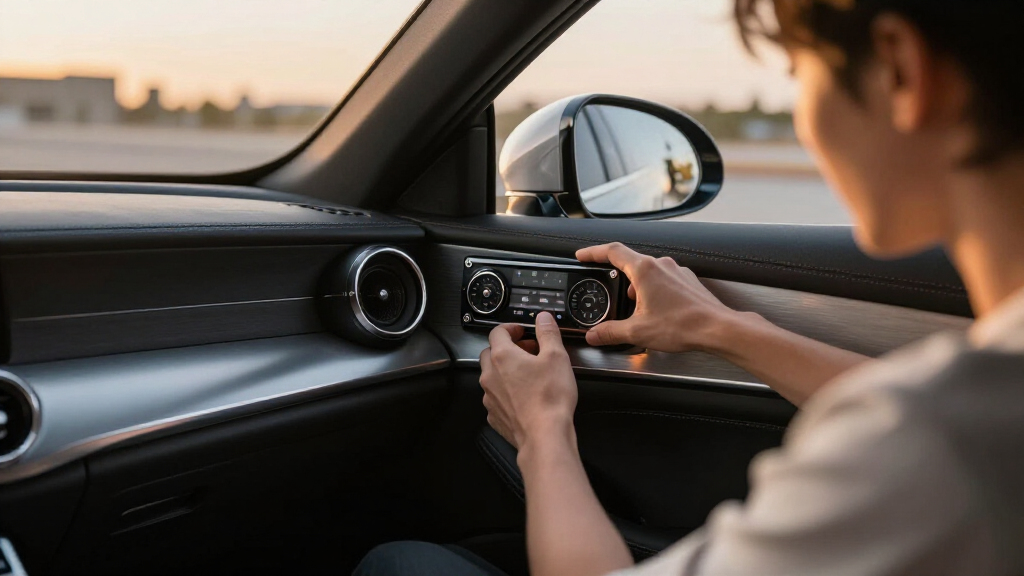
How We Picked
I ranked these systems by audio architecture, interface quality, smartphone compatibility, installation flexibility, and the usefulness of their expansion connections. Sound-focused features such as higher-voltage preouts, subwoofer control, FLAC support, and compatibility with external amplifiers carried more weight than exaggerated wattage figures. I also compared screen resolution, touch technology, control layout, startup simplicity, camera support, and whether wireless connectivity added real convenience.
The final order reflects buyer confidence as well as specifications. Alpine, Kenwood, and Pioneer models ranked higher when their focused feature sets, established support channels, and system-building options made them safer long-term purchases. BOSS models earned targeted roles where bundled cameras, larger screens, or accessible pricing created a clear advantage. Generic Android-based units ranked lower despite broad feature lists because software support, audio refinement, and documentation may be less predictable.
Factors to Consider When Choosing High End Car Stereo Systems
I would choose a high-end receiver by starting with the vehicle and planned audio system, then narrowing the field by interface and convenience features. A large display or long specification sheet cannot compensate for poor fit, noisy outputs, awkward controls, or missing amplifier connections.
Match the Chassis and Screen to the Dashboard
A receiver must fit both the radio opening and the surrounding dashboard, so I start by checking single-DIN or double-DIN compatibility. Floating 10.1-inch displays can bring modern visibility to a small opening, but they may block vents, climate controls, or hazard switches. A conventional 6.8- or 7-inch double-DIN screen usually creates a more integrated appearance and attracts less attention when parked. Vehicle-specific trim kits, wiring interfaces, and steering-wheel-control adapters can add far more to the installed price than expected. Factory amplified systems may also need a dedicated integration module rather than a simple harness. I favor clean physical fit and retained factory functions over the largest screen that can be attached.
Separate Audio Quality From Wattage Claims
Headline wattage is a poor shortcut for judging real listening performance, especially when brands quote peak rather than continuous power. I place more value on clean preamp outputs, crossover controls, equalization, time alignment, and subwoofer adjustment. Higher-voltage RCA outputs can help an external amplifier receive a stronger signal with less gain, which may reduce background noise. A receiver alone will not correct weak factory speakers, poor door sealing, or an underpowered subwoofer. Buyers planning a staged upgrade should choose enough outputs and tuning control for the final system, not only the first installation. That approach makes expandability more useful than inflated power numbers.
Choose the Right Smartphone Connection
Wireless CarPlay and Android Auto reduce cable clutter, but they can raise the price and consume more phone battery than a wired connection. Wired integration often delivers more consistent charging and can be preferable on long drives. Bluetooth-only receivers cost less and work well for music and calls, yet they lack the map, message, and app interface provided by phone projection. Mirror Link should not be treated as an equal substitute because compatibility can vary by phone and software version. I also check whether the receiver supports both major phone platforms when more than one person drives the vehicle. The best choice is the simplest connection that supports the apps actually used.
Judge Software Support, Not Feature Count
Generic Android receivers often promise Wi-Fi, split-screen use, app downloads, cameras, and multiple phone-mirroring modes at an appealing price. Those features can be useful, but processor speed, memory, firmware updates, and documentation shape the daily experience. A unit with 2GB of RAM may feel acceptable for basic playback while struggling with several apps or background tasks. Established audio brands usually offer narrower app ecosystems but clearer manuals, accessory compatibility, and service routes. I would pay more for dependable controls if the receiver will stay in the vehicle for several years. Buyers who enjoy customizing Android hardware may accept more uncertainty for greater software freedom.
Budget for the Complete Installation
The receiver price is only one part of a properly integrated system. A dash kit, harness, antenna adapter, camera wiring, USB extension, microphone placement, and steering-wheel interface can change the value calculation. Professional labor becomes more expensive when the vehicle has a factory amplifier, data-bus controls, or a complex dashboard. Large floating screens also demand careful mounting so vibration does not produce movement or noise. I recommend pricing every required part before comparing a premium receiver with a cheaper model that includes a camera. A higher initial budget can make sense when it buys better integration and a cleaner upgrade path.
Know When a Single-DIN Receiver Is Enough
A touchscreen is not automatically the better choice for every driver. A single-DIN audio receiver can offer tactile controls, quick startup, a detachable face, and strong preamp connections while leaving storage space in an older dashboard. CD listeners should favor the Pioneer DEH-S4220BT, while streaming-focused buyers can avoid paying for a disc mechanism with the Alpine UTE-73BT or Kenwood KMM-BT332U. Small displays are less useful for maps and camera views, which makes phone mounting and local driving habits part of the decision. Physical buttons may be easier to operate without looking away from the road. I see single-DIN models as focused audio upgrades, not lesser versions of touchscreen systems.
Frequently Asked Questions
Is the Kenwood DMX1058XR worth paying more for than the Alpine iLX-W670?
I would pay more for the Kenwood DMX1058XR when a large HD display, wireless phone projection, and an expandable premium system are central to the build. Its floating 10.1-inch screen also suits dashboards where a standard double-DIN display feels too small. The Alpine iLX-W670 is the better all-around purchase for buyers who prefer a more integrated installation and do not need the Kenwood’s larger interface. Money saved on the Alpine can fund speakers, sound treatment, or an amplifier, which may produce a larger audible gain. The Kenwood earns its premium role, but it is not automatically the better value.
Can a new receiver alone make a factory audio system sound high-end?
A receiver can improve source quality, tuning control, and signal delivery, but it cannot turn weak factory speakers into a full high-end system by itself. The largest gains often come from pairing a capable head unit with better front speakers, proper amplification, and door sound treatment. If the factory system already includes a branded amplifier, integration quality may matter more than replacing the receiver. I would choose a model with the preouts and crossovers needed for later upgrades. This creates a useful foundation without forcing the entire system to be purchased at once.
Should I choose wireless CarPlay and Android Auto or save money with Bluetooth?
I favor wireless phone projection when navigation, messages, podcasts, and voice commands are used on most drives. Bluetooth is enough for music streaming and calls, making the Pioneer DMH-130BT or a single-DIN receiver a sensible lower-cost choice. Wired CarPlay or Android Auto sits between those options by providing the full interface with steady charging and fewer connection variables. Buyers should verify whether a listing says wireless or merely compatible, since those descriptions are not interchangeable. Paying extra makes sense when the dashboard app interface will be used regularly.
Are the generic 10.1-inch Android stereos a good alternative to Alpine or Kenwood?
They can suit buyers who want maximum screen size and Android flexibility for a modest price. The tradeoff is less certainty around firmware updates, boot speed, audio tuning, accessory compatibility, and long-term support. A long feature list does not reveal how smoothly split-screen apps, wireless connections, or camera switching work together. I would choose one for an experimental or budget build where customization matters more than polish. For a primary vehicle expected to retain the same stereo for years, Alpine or Kenwood is the safer purchase.
Do I need professional installation for these car stereos?
A basic receiver swap can be manageable when the vehicle uses a simple harness and the buyer is comfortable identifying wiring connections. Professional installation becomes more appealing with factory amplifiers, steering-wheel controls, data-bus features, or backup-camera wiring. Floating screens also need careful placement and stable mounting. An installation mistake can introduce noise, battery drain, lost factory functions, or unreliable camera behavior. I would compare labor costs with the value of retained features and choose professional help for any complex integrated dashboard.
Conclusion
For most buyers, my best overall recommendation is the Alpine iLX-W670 because it combines credible audio performance, a clean double-DIN format, and modern phone integration without pushing into luxury pricing. The Pioneer DMH-130BT is the best value for listeners who can live without CarPlay and Android Auto, while the Kenwood Excelon Reference DMX1058XR is the best premium pick for a large-screen, amplifier-ready build. Beginners should start with the BOSS BCP62-RC, whose CarPlay support and included backup camera create a straightforward feature upgrade. For specific needs, I would choose the Pioneer DEH-S4220BT for CDs and single-DIN expansion, the Alpine UTE-73BT for simple digital playback, or the Kenwood KMM-BT332U for Alexa and SiriusXM compatibility. Buyers drawn to oversized Android screens should choose them for customization and price, while accepting less predictable support than the leading Alpine, Kenwood, and Pioneer options.