
Your car’s emissions system includes key components like the catalytic converter and oxygen sensors, which work together to reduce harmful pollutants and improve fuel efficiency. Regular maintenance, such as inspecting or replacing faulty sensors and ensuring the converter isn’t clogged, helps keep your vehicle clean and compliant with environmental standards. Proper care prevents increased emissions and engine issues. If you want to learn about how to keep your system in top shape and maximize its benefits, continue exploring this important topic.
Listen free for 30 days with Audible
Thousands of audiobooks and originals — cancel anytime.
As an affiliate, we earn on qualifying purchases.
Key Takeaways
- The emissions system includes components like catalytic converters and oxygen sensors that reduce harmful pollutants.
- Regular maintenance and inspections of these parts prevent clogging, damage, and increased emissions.
- The catalytic converter transforms toxic gases into less harmful substances using precious metals.
- Oxygen sensors monitor exhaust gases in real time, helping the engine adjust for optimal performance and lower pollution.
- Properly functioning emissions components improve fuel efficiency, ensure compliance with environmental standards, and support vehicle longevity.
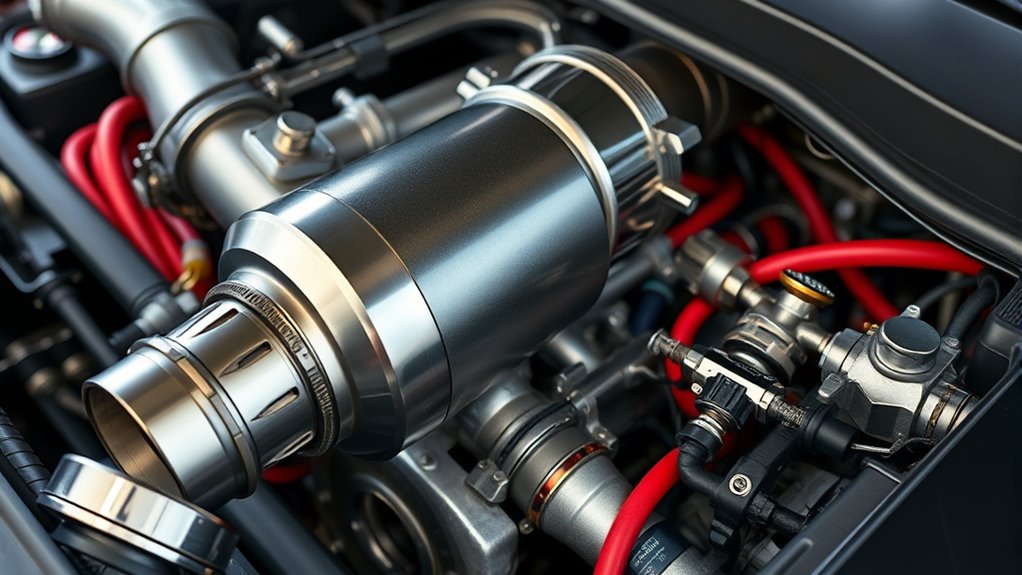
Have you ever wondered how your car reduces harmful pollutants before they reach the environment? It’s thanks to your vehicle’s emissions system, a complex setup designed to minimize pollution and keep your car running efficiently. At the heart of this system are components like the catalytic converter and oxygen sensors, working together to clean up exhaust gases before they escape into the atmosphere.
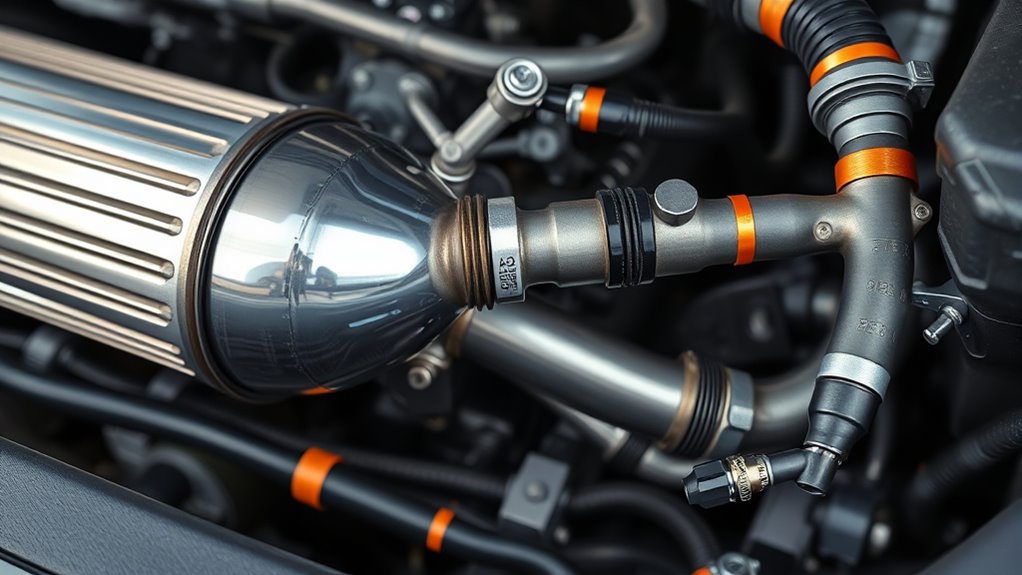
The catalytic converter is a essential part of this process. Think of it as a filter that transforms dangerous emissions—like carbon monoxide, nitrogen oxides, and unburned hydrocarbons—into less harmful substances such as carbon dioxide, nitrogen, and water vapor. It’s typically located beneath your car, between the engine and the muffler. As exhaust gases pass through the converter, a chemical reaction occurs inside, facilitated by precious metals like platinum, palladium, and rhodium. This process drastically reduces the amount of pollutants released into the air. To keep your catalytic converter functioning properly, regular maintenance is critical. If it gets clogged or damaged, your vehicle’s emissions will increase, and fuel efficiency drops. That’s why paying attention to warning signs like reduced engine performance or a check engine light is essential.
The catalytic converter transforms harmful gases into less toxic substances, crucial for reducing vehicle emissions and protecting the environment.
Oxygen sensors, often called O2 sensors, are another key component. They monitor the level of oxygen in your exhaust gases, providing real-time data to your vehicle’s engine control unit (ECU). The ECU uses this information to adjust the air-fuel mixture, ensuring ideal combustion. Properly functioning oxygen sensors help your engine run smoothly, reduce emissions, and improve fuel economy. When these sensors malfunction, your engine may run too rich or too lean, leading to increased pollution and potential damage to other components. Additionally, the patterns of behavior exhibited by the sensors can indicate underlying issues. Fortunately, replacing faulty oxygen sensors is straightforward and should be part of your routine maintenance schedule. Usually, your vehicle will alert you with a warning light if an oxygen sensor is failing.
In essence, your car’s emissions system is a finely tuned machine designed to protect the environment while keeping your vehicle running efficiently. The catalytic converter and oxygen sensors play pivotal roles in this process. Regular inspection and maintenance of these parts ensure your car remains eco-friendly and performs at its best. By understanding their functions and staying attentive to signs of trouble, you can contribute to cleaner air and extend your vehicle’s lifespan. Keep in mind, a well-maintained emissions system isn’t just about compliance—it’s about taking responsibility for the air we all share.
catalytic converter replacement kit
As an affiliate, we earn on qualifying purchases.
As an affiliate, we earn on qualifying purchases.
Frequently Asked Questions
How Often Should I Have My Emissions System Inspected?
You should have your emissions system inspected at least once a year or every 12,000 miles, whichever comes first. Regular inspections ensure your vehicle meets emissions standards and runs efficiently. Follow your car manufacturer’s maintenance tips and check your owner’s manual for specific recommendations. Staying on top of the inspection schedule helps prevent costly repairs and keeps your vehicle environmentally friendly. Don’t neglect these inspections; they’re essential for smooth operation and compliance.
What Are Common Signs of Emissions System Failure?
You notice an emissions warning light or a check engine light on your dashboard, signaling potential issues. Unusual exhaust fumes, decreased fuel efficiency, or rough idling also point to emissions system failure. These signs act as alerts, contrasting with normal operation. Ignoring them can lead to costly repairs or environmental harm. Stay attentive to these indicators, and get your vehicle inspected promptly to keep your emissions system functioning correctly.
Can I Drive With a Faulty Emissions System?
You shouldn’t drive with a faulty emissions system, especially if your vehicle fails emissions testing or shows signs like a failing catalytic converter. Ignoring these issues can lead to increased emissions, reduced fuel efficiency, and potential damage to your engine. Driving with a malfunctioning catalytic converter can also cause your car to fail emissions tests, making repairs urgent to avoid fines or legal issues. Always get your emissions system inspected and repaired promptly.
How Does Cold Weather Affect Emissions System Performance?
Cold weather can reduce your emissions system’s efficiency because lower temperatures slow down catalytic converter reactions and cause engine oil to thicken. This leads to incomplete combustion and increased emissions. You might notice your vehicle struggling to pass emissions tests or experiencing rough idling. To maintain ideal emissions performance, guarantee your system is well-maintained, and consider warming up your car longer in cold weather to help everything operate smoothly.
Are Aftermarket Parts Suitable for Emissions System Repairs?
Coincidentally, aftermarket parts can be suitable for emissions system repairs, but you need to check their compatibility first. While they may save you money upfront, consider repair cost considerations—some aftermarket options might not meet your vehicle’s standards or could cause issues later. Always verify compatibility with your car’s make and model, and choose reputable brands to guarantee your emissions system remains effective and compliant.
Conclusion
Just like a well-tuned orchestra, your car’s emissions system relies on harmony and attention. When you maintain each component, you guarantee smooth performance and cleaner air—avoiding the chaos of breakdowns and costly repairs. Think of it as keeping the rhythm steady, the melody clear, and the harmony intact. Stay vigilant, and your car will sing its song of efficiency and responsibility, echoing the timeless truth that care and consistency lead to lasting harmony on the road.
NFL season / tailgating Picks
team gear
As an affiliate, we earn on qualifying purchases.