
Before mountain driving, prepare your vehicle for high altitudes by upgrading air intake systems, installing turbochargers or superchargers, and recalibrating the ECU to optimize fuel and ignition. Check that your air filters are clean and ensure your tires and brakes are in good condition. Carry supplies like coolant and oil suited for mountain climates. These steps help maintain performance and safety—you’ll discover more tips to make sure a smooth and secure journey through the mountains.
Key Takeaways
- Assess vehicle readiness with a mechanic and consider altitude-specific tuning or upgrades.
- Install or check turbochargers, superchargers, and upgraded air intake systems for better performance.
- Recalibrate the ECU to optimize fuel mixture and ignition timing for high-altitude conditions.
- Ensure air filters are clean and use supplies like coolant and oil suitable for mountain climates.
- Regularly monitor tire pressure, brakes, and engine performance to adapt to environmental changes.
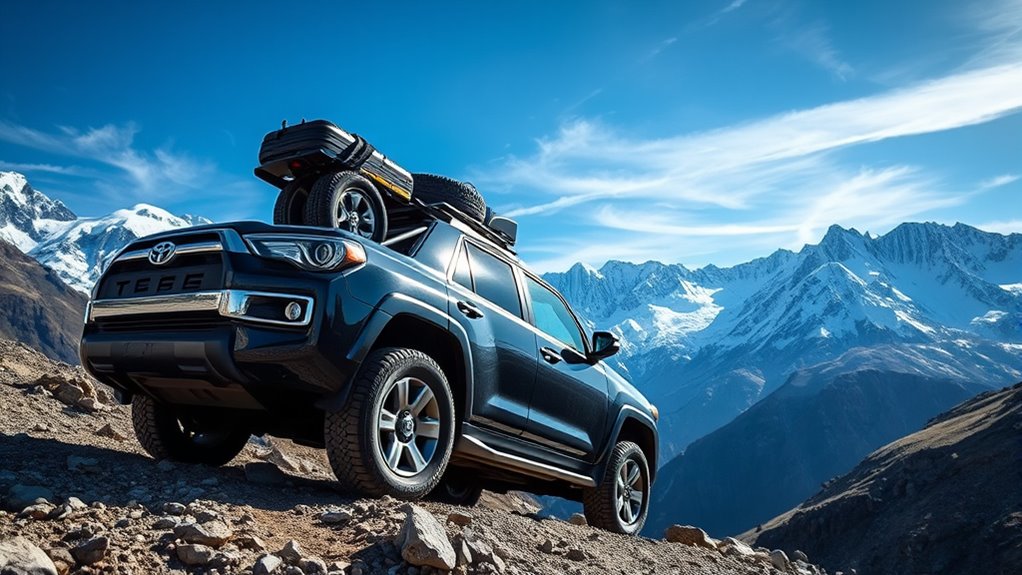
Have you ever wondered what it takes to navigate winding mountain roads safely? When you’re heading into high-altitude terrain, the challenges increase, and your vehicle needs to be ready to handle them. One of the key factors to consider is altitude effects, which can substantially impact your car’s performance. As you ascend, the air becomes thinner, meaning there’s less oxygen for your engine to breathe. This reduced oxygen intake can cause your vehicle to lose power, stall, or run less efficiently. To combat this, vehicle modifications are often necessary. These modifications might include installing a turbocharger or supercharger to boost engine power or upgrading the air intake system to improve airflow. Some drivers opt for recalibrating the engine control unit (ECU), which can optimize fuel mixture and ignition timing to better suit high-altitude conditions.
Before your trip, it’s wise to check whether your vehicle has undergone these modifications, especially if you’re planning to drive through mountainous regions regularly. If your car isn’t equipped for altitude, you might notice sluggish acceleration, lower fuel efficiency, or difficulty maintaining speed on inclines. These issues aren’t just inconvenient—they can be dangerous if they cause you to lose control or stall on a steep grade. To prepare, consider visiting a mechanic who can assess your vehicle’s readiness and recommend necessary adjustments. Whether it’s upgrading your air filter or adding altitude-specific tuning, these modifications can make a considerable difference in your driving experience.
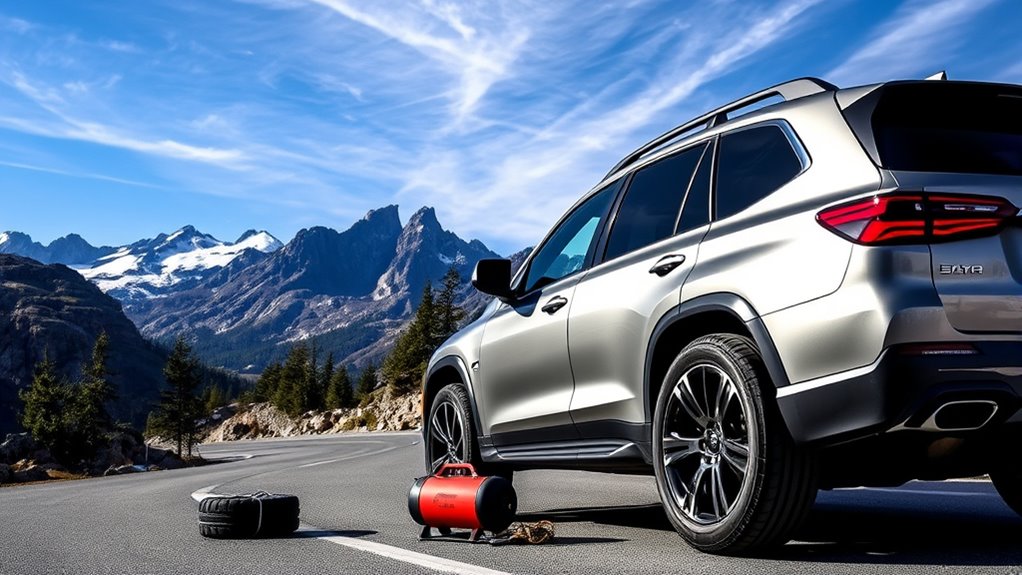
Additionally, keep in mind that altitude effects aren’t limited to the engine. Your tires and brakes also need to be in top condition, as mountain driving often involves sharp turns and steep descents. Carrying extra supplies, like coolant and oil suitable for high-altitude conditions, ensures your vehicle remains cool and well-lubricated. Regularly check your tire pressure, as it can fluctuate with temperature changes common in mountain climates. Also, drive more cautiously—reduce your speed on curves and be prepared for sudden weather changes, which are common at higher elevations. Monitoring engine performance and understanding how to adapt your vehicle for high-altitude conditions can greatly enhance safety and efficiency during mountain driving.

APS 6in Stainless Steel Black Running Boards Compatible with Jeep Grand Cherokee 2011-2021 (Include 22 WK)(Exclude Limited X & High Altitude & Summit & SRT & SRT8 & Trackhawk & Trailhawk) Nerf Bars
Sold as a pair (2) of stainless steel black running boards. Mounting kit + instructions included
As an affiliate, we earn on qualifying purchases.
As an affiliate, we earn on qualifying purchases.
Frequently Asked Questions
How Often Should I Check My Vehicle’s Fluid Levels Before Mountain Trips?
You should check your vehicle’s fluid levels, including oil levels and coolant checks, at least once a week before your mountain trip. It’s especially important to do these checks if you’re nearing or exceeding high altitudes. Make sure your oil is clean and topped up, and your coolant is at the proper level to prevent overheating. Regular checks help guarantee your vehicle runs smoothly and reduces the risk of breakdowns.
What Are the Signs of Altitude Sickness Affecting My Vehicle?
You notice your engine stuttering or losing power unexpectedly—these are signs altitude sickness affecting your vehicle. Oxygen depletion at high elevations hampers engine performance, causing sluggishness or rough idling. Keep an eye on strange noises, warning lights, or overheating, which signal your vehicle struggles with thinner air. Acting quickly by checking your engine and pulling over safely can prevent further damage, ensuring you reach your destination safely.
Can Regular Tires Handle Mountain Driving Conditions Safely?
Regular tires can handle mountain driving if you check your tire tread and maintain proper tire pressure. Make certain your tread has enough depth for grip on wet or rough surfaces, and adjust tire pressure as needed for altitude changes. Properly inflated tires improve handling and safety, especially on steep inclines and sharp turns. Don’t forget to inspect your tires before hitting the mountains to prevent surprises and ensure a smooth, safe journey.
How Does High Altitude Affect My Vehicle’s Braking System?
Imagine your braking system is on a mountain climb, gasping for air—high altitudes reduce brake fluid performance, making it less effective. This causes your brake pads to wear faster, turning your descent into a nerve-wracking slide. You need to check and upgrade brake fluid and inspect your brakes regularly. Otherwise, your braking system might just give out when you need it most, turning a scenic drive into a panic attack.
What Emergency Supplies Should I Carry for Mountain Driving?
You should carry an emergency kit with essentials like a flashlight, first aid supplies, water, and warm clothing. Navigation tools such as a GPS device or physical maps are vital in case of signal loss or unfamiliar routes. These supplies guarantee you’re prepared for unexpected situations, helping you stay safe and avoid being stranded in remote mountain areas. Always check your supplies before heading into high-altitude terrain.

YL New Universal 12V Electric Turbo SuperCharger Kit Thrust Electric TurboCharger Air Filter Intake for car improve speed
As an affiliate, we earn on qualifying purchases.
As an affiliate, we earn on qualifying purchases.
Conclusion
Now that you’re prepared to tackle mountain roads, remember that your vehicle’s performance is key to a safe and enjoyable trip. Regularly check your brakes, tires, and fluids, and don’t forget to warm up your engine before the ascent. Are you ready to conquer those peaks with confidence? With the right prep, you can enjoy breathtaking views and smooth rides—so hit the road and embrace the adventure ahead!
ECU recalibration tool for high altitude
As an affiliate, we earn on qualifying purchases.
As an affiliate, we earn on qualifying purchases.
mountain driving vehicle maintenance supplies
As an affiliate, we earn on qualifying purchases.
As an affiliate, we earn on qualifying purchases.