Regional fuel quality varies widely due to different standards and regulations. In areas with strict rules, fuels tend to have lower sulfur content, reducing emissions and extending your vehicle’s lifespan. Conversely, regions with laxer standards might supply fuels with higher sulfur and inconsistent additives, which can cause more engine wear, soot buildup, and maintenance issues. Understanding these differences can help you choose the right fuel or additives—stick with us to learn more about how regional fuel quality impacts your vehicle.

Get business pricing on garage and car supplies
- Business-only prices and quantity discounts
- Tax-exempt purchasing
- Multiple users, one account, clear invoices
Key Takeaways
- Regional fuel standards vary, affecting sulfur content, additives, and overall fuel quality.
- Higher sulfur fuels increase emissions, accelerate engine wear, and can damage emission control systems.
- Variations in additive formulations influence fuel efficiency, engine performance, and maintenance needs across regions.
- Low-sulfur, high-quality fuels support cleaner combustion, longer engine life, and reduced particulate emissions.
- Mismatched regional fuel standards may lead to decreased vehicle performance and increased repair costs.
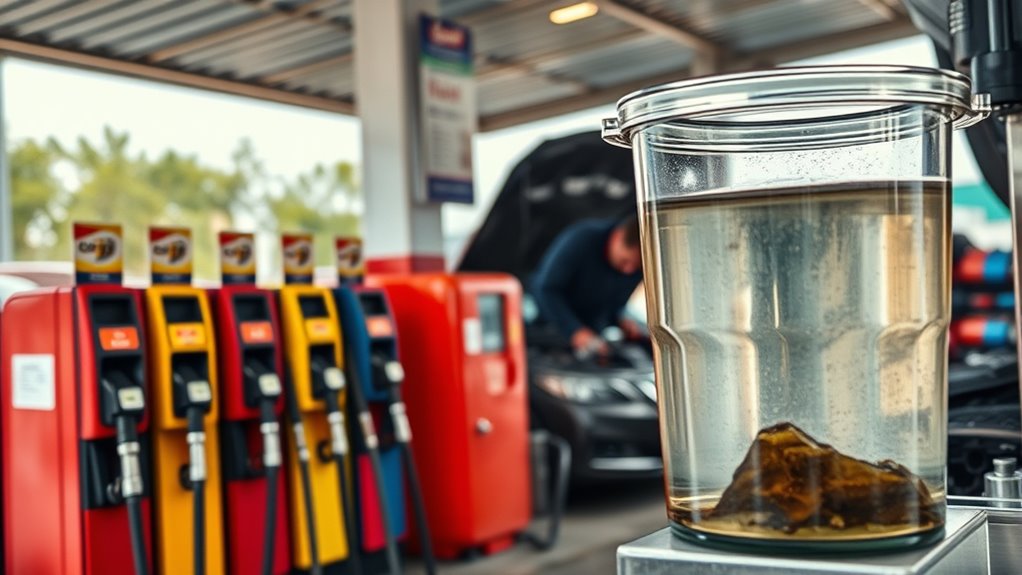
Have you ever wondered how fuel quality varies across different regions and what impact it has on your vehicle? The truth is, fuel isn’t the same everywhere, and these differences can influence your car’s performance, longevity, and fuel efficiency. One of the main factors contributing to regional variation is the regional sulfur content. Some areas, especially those with stricter environmental regulations, have lower sulfur levels, which helps reduce emissions and prolong the life of your vehicle’s components. In contrast, regions with higher sulfur content can cause more wear and tear on emissions systems, leading to potential maintenance issues down the line.
Another key aspect to contemplate is fuel additive issues. Fuel additives are designed to improve performance, clean engine deposits, and protect against corrosion. However, the quality and formulation of these additives can vary considerably from one region to another. When you fill up at a station in an area with less stringent regulations, the additives in the fuel might not be as effective or could even be incompatible with your vehicle’s requirements. This inconsistency can lead to problems such as reduced fuel efficiency, engine knocking, or buildup of deposits in fuel injectors and intake valves. Over time, these issues may cause costly repairs or decreased engine life.
Fuel additive quality varies regionally, affecting engine performance and longevity.
Regional sulfur content isn’t just a regulatory matter; it directly influences fuel stability and combustion quality. Higher sulfur fuels tend to produce more soot and particulate matter, which can clog filters and sensors. Meanwhile, low-sulfur fuels burn cleaner, improving emissions and engine health. But if your vehicle is designed to operate with a certain sulfur level, using fuel outside that specification can affect its performance. For example, using fuel with too high sulfur content might lead to increased emissions and faster deterioration of catalytic converters, while extremely low sulfur fuels may sometimes lack certain lubricating properties, impacting fuel pump and injector longevity. Additionally, fuel stability and the quality of combustion can be compromised by regional differences in fuel composition.
These regional differences are compounded by the fact that fuel standards are not uniform worldwide. Some regions adopt stricter standards faster, meaning your vehicle might perform differently depending on where you’re driving or fueling up. It’s vital to be aware of these variations so you can choose your fuel wisely or consider using additives or fuel treatments if you’re operating in an area with suboptimal fuel qualities. Overall, understanding how regional sulfur content and fuel additive issues affect your vehicle helps you make informed decisions, ensuring better performance, fewer repairs, and longer engine life.
low sulfur fuel additive for cars
As an affiliate, we earn on qualifying purchases.
As an affiliate, we earn on qualifying purchases.
Frequently Asked Questions
How Do Regional Climate Differences Affect Fuel Quality?
You’ll notice that climate influence affects fuel quality because temperature and humidity vary by region, leading to different contamination levels. In hot, humid areas, regional contamination like microbial growth and oxidation can degrade fuel faster, reducing its effectiveness. Conversely, colder regions may see fuel gelling or freezing issues. These climate differences require tailored fuel formulations to guarantee ideal performance and prevent engine problems across regions.
Are There Specific Regulations Governing Fuel Standards Regionally?
Yes, regional standards govern fuel quality to make certain fuel compliance with local environmental and safety requirements. You should check the specific regulations in your area, as they dictate acceptable fuel formulations, additives, and emissions levels. These standards help prevent issues like engine damage or pollution. By adhering to regional standards, you ensure your vehicle runs efficiently and legally, avoiding fines or penalties for non-compliance.
How Does Local Infrastructure Impact Fuel Quality Variation?
Local infrastructure directly impacts fuel quality variation by affecting fuel storage and distribution challenges. If storage facilities are outdated or poorly maintained, contaminants can enter the fuel, reducing quality. Inadequate distribution networks may cause delays, temperature fluctuations, and contamination during transit. These issues lead to inconsistent fuel quality, which can harm engines and reduce efficiency. You should be aware that investing in modern infrastructure helps guarantee consistent, high-quality fuel everywhere you go.
What Are Common Regional Contaminants Found in Fuel?
You’ll often find seasonal contaminants in fuel, like water or ice during winter, and increased evaporation during summer. Regional additive formulations also introduce unique contaminants, such as alcohol-based additives in colder areas or different detergents elsewhere. These contaminants can clog filters or harm engines. To minimize issues, always use fuel suited for your region’s seasonal demands and guarantee proper storage to reduce contaminant buildup.
Can Regional Fuel Quality Differences Influence Vehicle Warranty Claims?
Yes, regional fuel quality differences can impact your vehicle warranty claims. Variations in fuel additives and storage conditions may lead to engine issues, which could be mistaken for manufacturer defects. If your vehicle suffers damage due to poor fuel quality, the warranty might not cover repairs. Always check the fuel quality in your area and verify proper storage to protect your vehicle and avoid potential claim denials.
Conclusion
As you navigate different regions, remember that fuel quality is like the foundation of a sturdy journey. Lower-quality fuel can clog your engine’s heartbeat, turning smooth rides into rough patches. High-quality fuel, on the other hand, fuels your engine’s liveliness, keeping it vibrant and responsive. So, choose wisely, and let your vehicle’s performance shine like a clear sky after a storm—bright, reliable, and ready for whatever road lies ahead.
Fall Picks
fall essentials
As an affiliate, we earn on qualifying purchases.