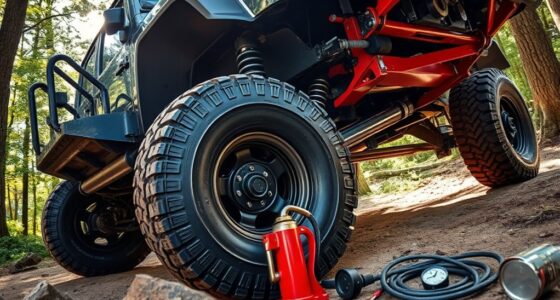
Your insurance premiums are closely tied to your maintenance history because regularly servicing your vehicle shows you’re a responsible owner, lowering your risk of accidents and breakdowns. Insurers see well-maintained cars as safer, which often translates into lower premiums. Keeping detailed maintenance records and avoiding neglect can even earn you discounts or better rates. To understand how proper upkeep actively benefits your insurance costs and what else you can do, keep exploring further.
Key Takeaways
- Consistent maintenance records indicate responsible ownership, leading to lower insurance premiums.
- Well-maintained vehicles are less likely to experience breakdowns or accidents, reducing claim costs.
- Insurers often offer discounts for documented regular servicing and proactive vehicle upkeep.
- Neglected maintenance increases risk perception, resulting in higher premiums due to potential mechanical failures.
- A strong claims history combined with good maintenance records enhances eligibility for favorable insurance rates.
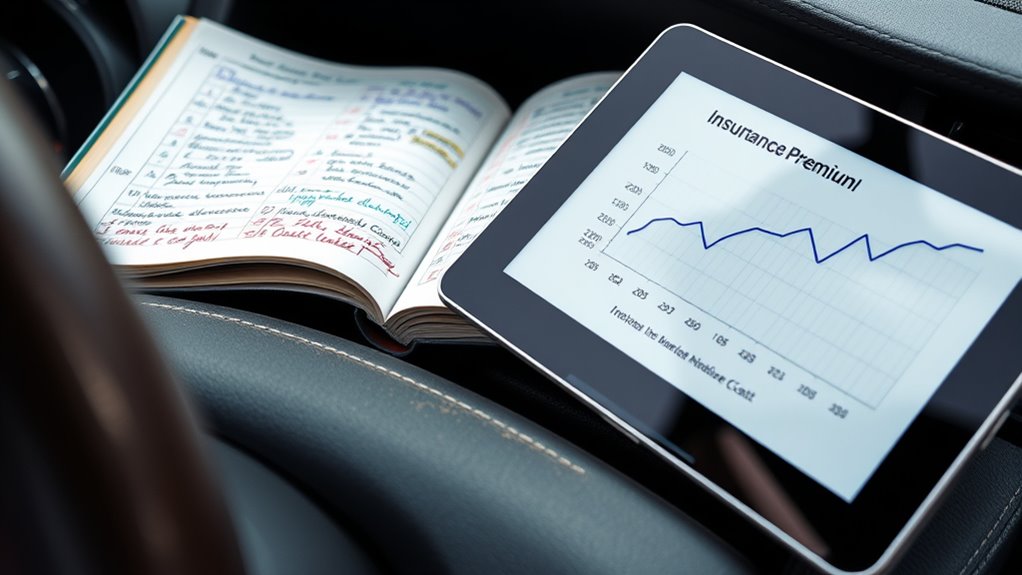
Your insurance premiums often reflect your vehicle’s maintenance history, as insurers see well-maintained cars as less risky. When you keep up with regular repairs and inspections, you demonstrate responsible ownership, which can positively influence your claims history. A strong claims history—meaning few or no recent claims—tells insurers that you’re less likely to file a claim in the future. Consequently, they view your vehicle as a lower risk, which often results in lower premiums. Conversely, if your maintenance is neglected, your car becomes more prone to breakdowns and accidents, increasing the likelihood of claims. This history of frequent or costly claims signals higher risk during risk assessment, prompting insurers to charge higher premiums to offset potential payouts.
Insurers perform a thorough risk assessment when determining your premium costs, and your vehicle’s maintenance record plays a central role in this process. A car that’s regularly serviced and well-maintained indicates that you’re proactive about preventing problems before they happen. Such proactive behavior reduces the chance of mechanical failures that could lead to accidents or insurance claims. When your vehicle’s maintenance history aligns with a low claims history, insurers see you as a lower risk, and your premiums tend to be more affordable. On the other hand, if your maintenance records are inconsistent or show neglect, the risk assessment shifts. Insurers may interpret this as an increased likelihood of breakdowns, accidents, or expensive repairs, which raises your premium costs.
Regular vehicle maintenance lowers risks and insurance premiums through proactive prevention and reliable records.
Another aspect insurers consider is how your maintenance influences the overall safety of your vehicle. Well-maintained brakes, tires, and lights lower the chance of accidents, which directly affects your claims history. The fewer incidents you have, the better your risk profile appears to insurers. This relationship is why some insurance companies even offer discounts or incentives for drivers who keep detailed maintenance records or participate in safe driving programs. By demonstrating that you prioritize your vehicle’s upkeep, you’re fundamentally reducing the risk you pose to the insurer, which benefits you financially in the long run.
Additionally, maintaining proper vehicle maintenance, such as replacing worn tires and ensuring brake safety, directly reduces the likelihood of accidents caused by mechanical failure.
In essence, your vehicle’s maintenance history is a tangible indicator of your risk level. Maintaining your car diligently not only prolongs its lifespan but also improves your insurance risk profile. When insurers see a clean claims history combined with a solid maintenance record, they’re more likely to offer you favorable premiums. Conversely, neglecting maintenance increases the perceived risk, leading to higher costs. Staying on top of repairs and keeping good records is a smart move that pays off both in safety and insurance savings.

Family Vehicle Maintenance Organizer: For Service Records, Repairs, Mileage, Parts, Expenses, and Multi-Car Reference
As an affiliate, we earn on qualifying purchases.
As an affiliate, we earn on qualifying purchases.
Frequently Asked Questions
How Does a Clean Maintenance Record Affect Premium Discounts?
A clean maintenance record can notably lower your insurance premiums through maintenance incentives. Insurers view well-maintained vehicles as lower risk, so they often reward you with discounts. To qualify, they verify your record during record verification processes, ensuring your vehicle meets upkeep standards. Keeping a detailed, up-to-date maintenance history shows responsible ownership, which could lead to substantial premium savings over time.
Can Poor Maintenance History Increase Insurance Premiums Significantly?
Ironically, neglecting vehicle safety through poor maintenance can skyrocket your insurance premiums, even if you’re trying to avoid fraud. Insurers see a history of bad upkeep as a red flag, increasing your risk profile. This isn’t just about avoiding accidents; it’s about proving your vehicle’s reliability. So, neglecting maintenance might save you a buck now, but it could cost you a lot more in higher premiums later.
Are Specific Maintenance Tasks Prioritized for Lower Premiums?
Yes, insurance companies often prioritize maintenance tasks that minimize risk during risk assessment. You should focus on regular maintenance scheduling for critical components like brakes, tires, and lights, as these lower the chance of accidents or claims. By keeping up with these tasks, you demonstrate responsible vehicle management, which can help you qualify for lower premiums. Consistent maintenance shows insurers you’re proactive about safety, ultimately reducing your insurance costs.
How Often Do Insurers Review Vehicle Maintenance Records?
Think of your vehicle inspection and accident history like a report card; insurers review these records typically every 6 to 12 months. They analyze maintenance logs and accident reports to assess risk, much like a teacher grades papers. Regular updates guarantee your premiums stay fair, rewarding responsible upkeep. So, keep your maintenance records current — it’s your best chance to maintain lower premiums and demonstrate your commitment to safety.
Do Maintenance Records Impact Claims Processing Times?
Maintenance records can substantially impact claims processing times. If your records show regular upkeep, insurers process your claim faster, reducing claims delays. Conversely, poor maintenance history might cause coverage denial or delays, as insurers see higher risk. Keep detailed, up-to-date records to help streamline claims processing, ensuring quicker resolution and better coverage. Proper maintenance demonstrates responsibility, which insurers value, and can prevent unnecessary disputes during claims evaluation.
Conclusion
Just as the wise builder learns from every brick laid, you can lower your insurance premiums by maintaining your vehicle diligently. Your maintenance history acts like a trusted compass, guiding insurers to see you as a responsible driver. Remember the tale of Icarus—neglecting care can lead to downfall. Keep your vehicle in top shape, and you’ll not only extend its life but also enjoy more affordable, fairer insurance premiums. Stay vigilant, and your efforts will pay off.