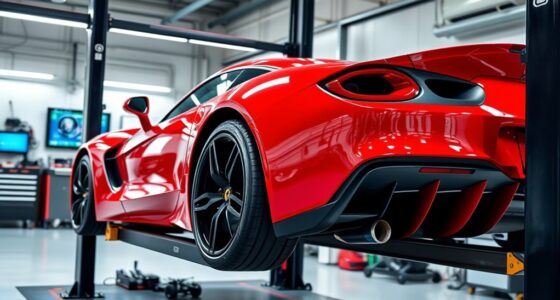

Inflation makes car maintenance more expensive by raising the prices of parts, labor, and related services. When costs go up, you’ll pay more for routine repairs and replacements, and longer wait times for parts can add extra charges. Wages for mechanics also increase, boosting repair bills overall. To keep costs manageable, it’s important to plan and prioritize proper vehicle care—find out how you can stay ahead of these rising expenses.

Get business pricing on garage and car supplies
- Business-only prices and quantity discounts
- Tax-exempt purchasing
- Multiple users, one account, clear invoices
Key Takeaways
- Rising spare part costs due to inflation increase overall vehicle maintenance expenses.
- Higher labor wages lead to more expensive repair and servicing costs.
- Delays and shortages in parts supply cause additional charges and extended downtime.
- Increased financing and credit costs raise the total expense of vehicle upkeep.
- Consumers need to budget more and adopt preventive maintenance strategies to manage rising costs.
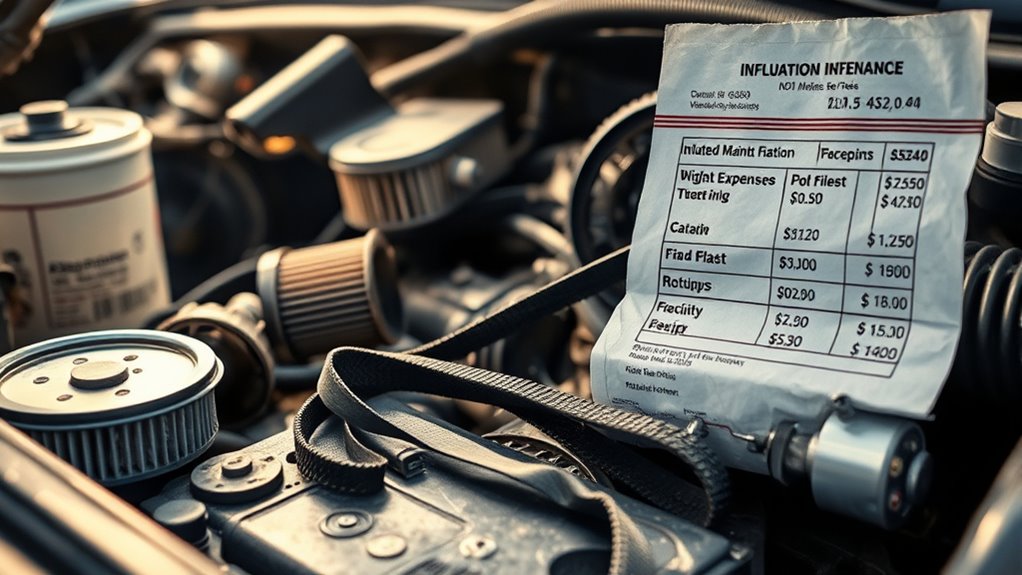
Rising inflation affects everything, including how much it costs to maintain your car. One of the most noticeable impacts is the increase in price hikes across various car maintenance services and supplies. When inflation rises, the cost of spare parts goes up, making repairs more expensive than before. This is because manufacturers and suppliers face higher production and shipping costs, which they pass on to consumers. As a result, your routine maintenance expenses can quickly add up, especially if your car needs multiple repairs or replacements.
Rising inflation drives up costs for car parts and repairs, making routine maintenance more expensive than ever.
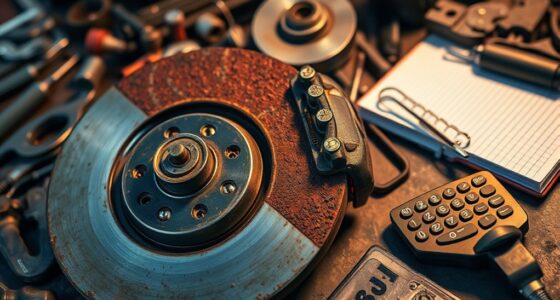
Spare parts are a significant factor in your overall maintenance budget, and inflation directly impacts their prices. Not only are new parts more costly, but their availability can also be affected. During periods of high inflation, manufacturers often delay or reduce production to cope with rising costs, which can lead to shortages or longer wait times for parts. This scarcity can push prices even higher, forcing you to pay more for essential repairs or replacements. If your car relies on specialized or imported parts, these costs can skyrocket further due to currency fluctuations and tariffs, compounding the financial strain. So, when inflation hits, expect to spend more on the same repairs you used to get at a lower cost.
Additionally, inflation influences labor costs. As the general price level increases, wages for mechanics and service technicians tend to follow suit. This means labor charges for repairs or regular servicing will likely rise, adding another layer of expense to your maintenance bills. If you’re used to getting routine checks done at certain intervals, you might find yourself paying more each time you visit the shop. The combined effect of pricier spare parts and higher labor costs means that even basic maintenance now feels more costly.
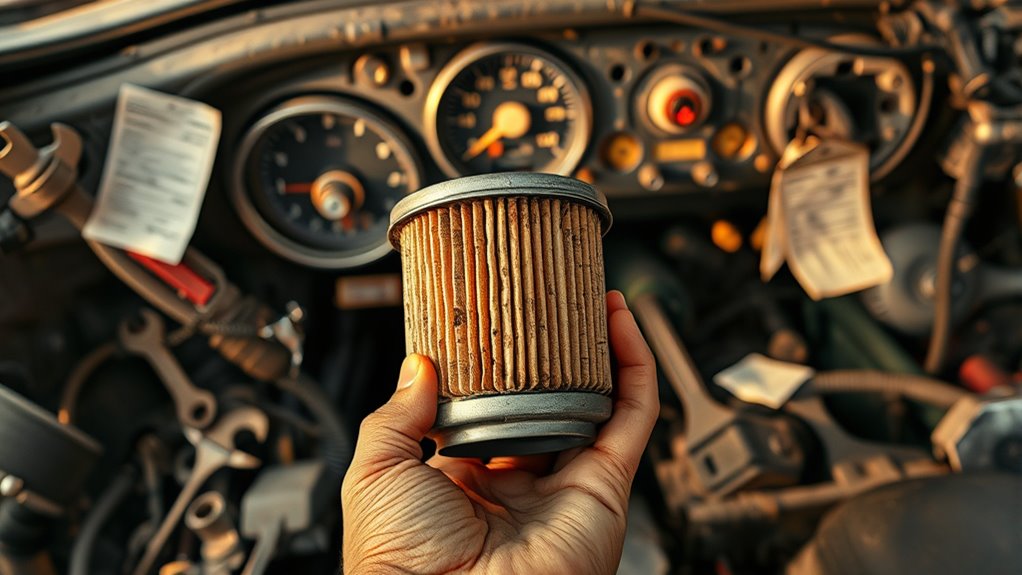
Furthermore, costs associated with credit can also influence how consumers manage their vehicle maintenance budgets during inflationary periods, as financing options may become less favorable or more expensive. To manage these increased expenses, you’ll need to plan ahead. Budget more for routine maintenance, shop around for better prices, and consider preventive care to avoid costly repairs down the line. Keeping your car in good shape can help you avoid unnecessary breakdowns that might require expensive parts and labor. Ultimately, inflation makes it necessary to be more mindful of your vehicle’s maintenance needs and costs, so staying proactive can help you mitigate some of its effects.
car maintenance parts replacement kit
As an affiliate, we earn on qualifying purchases.
As an affiliate, we earn on qualifying purchases.
Frequently Asked Questions
How Can I Budget for Unexpected Inflation-Related Repair Costs?
To budget for unexpected inflation-related repair costs, you should build an emergency fund specifically for car repairs. Aim to save at least three to six months’ worth of expenses, including potential inflation increases. Use cost forecasting to estimate future repair costs, and regularly review and adjust your savings. This way, you’ll be prepared for rising prices, reducing financial stress when unexpected repairs come up.
Does Inflation Impact the Availability of Car Parts and Supplies?
Inflation acts like a storm cloud over the supply chain, making car parts and supplies harder to find. Supply chain disruptions become more common, causing delays and shortages. Price fluctuation trends also mean that what used to be affordable can suddenly spike in cost. You might find yourself searching longer and paying more, as inflation quietly reshuffles the availability of essential parts, impacting your car maintenance plans.
Are Electric Vehicles Less Affected by Inflation Than Traditional Cars?
Electric vehicles are generally less affected by inflation due to their inflation-resistant features like fewer moving parts and lower maintenance costs. Their advantage lies in stable battery prices and reduced reliance on traditional car parts, which often fluctuate with inflation. You’ll find that EVs maintain more consistent expenses over time, making them a smarter choice if you’re looking to avoid the rising costs associated with inflation on traditional car maintenance.
How Often Should I Review My Car Maintenance Budget During Inflation Periods?
You should review your car maintenance budget monthly during inflation periods, ironically because it seems like expenses are growing faster than your paycheck. Keep an eye on fuel efficiency and warranty coverage, as these can help offset rising costs. Regular checks help you spot price hikes early, so you’re not caught off guard. Staying proactive guarantees your budget adapts smoothly, even when prices seem to inflate faster than your savings.
What Strategies Can I Use to Minimize Inflation’s Impact on Maintenance Costs?
To minimize inflation’s impact on your maintenance costs, focus on cost-saving measures like routine maintenance to prevent costly repairs. Practice maintenance planning by scheduling services ahead of time and shopping around for the best prices. You can also consider doing simple tasks yourself, such as oil changes. Staying proactive helps you avoid unnecessary expenses and keeps your car in good shape despite rising prices.
Conclusion
As inflation rises, it’s like a storm cloud casting shadows over your car’s future. But remember, you hold the umbrella—your decisions and planning are your shield. By staying proactive and budgeting wisely, you can navigate these turbulent times. Think of your car as a trusted companion on your journey; with care and foresight, you’ll keep it running smoothly, no matter how the economic weather shifts. Your vigilance turns uncertainty into steady progress.
Fall Picks
fall essentials
As an affiliate, we earn on qualifying purchases.