
To prevent water from ruining your paint, you need to control moisture in your air lines. Moisture forms naturally when compressed air cools, causing water and condensation to build up. You can fix this by installing proper moisture traps and filters, regularly draining your system, and checking for signs of water contamination. Addressing these issues early is vital, and more tips are available if you want to keep your finishes flawless and your equipment protected.
Key Takeaways
- Regularly drain moisture from air lines using valves or petcocks to prevent water buildup.
- Install appropriate moisture traps and filters after the compressor to remove excess humidity.
- Monitor system pressure and inspect filters for signs of moisture contamination regularly.
- Upgrade to dryers or advanced filtration systems if moisture persists, to ensure dry, quality air.
- Perform routine maintenance and inspections to identify and address early signs of moisture-related issues.
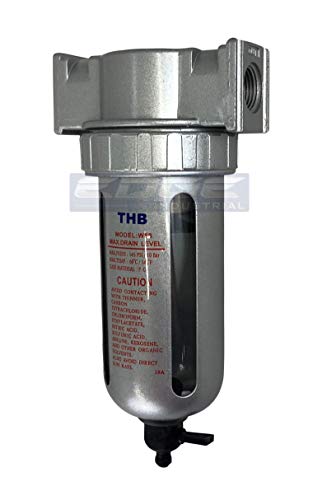
1/2" Particulate filter water trap seperator moisture Compressed Air Compressor
- Size: 1/2 inch NPT connection
- Function: Removes moisture from compressed air
- Bowl Capacity: 5 oz polycarbonate bowl with guard
As an affiliate, we earn on qualifying purchases.
As an affiliate, we earn on qualifying purchases.
How Does Water Get Into Your Air Lines?
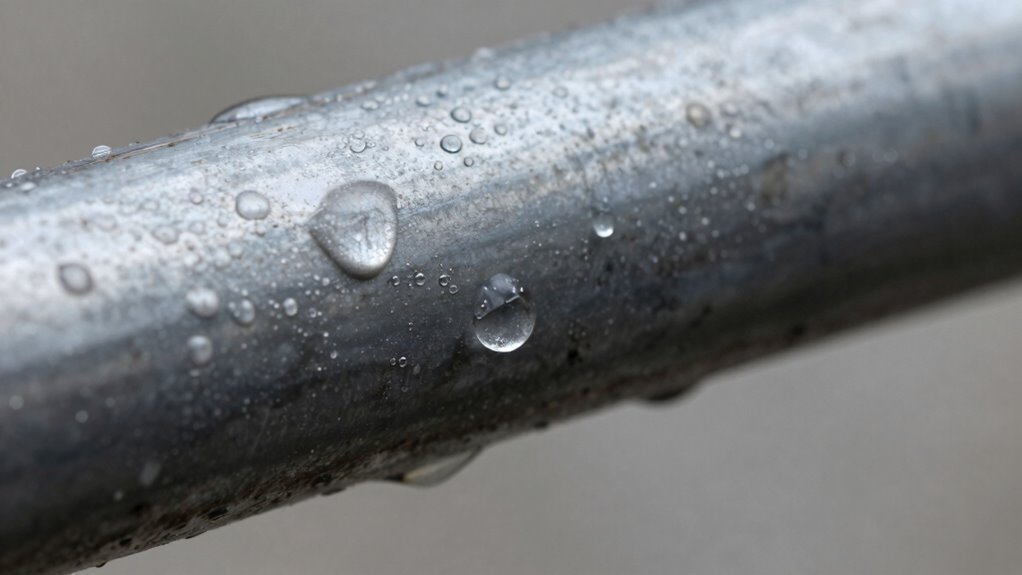
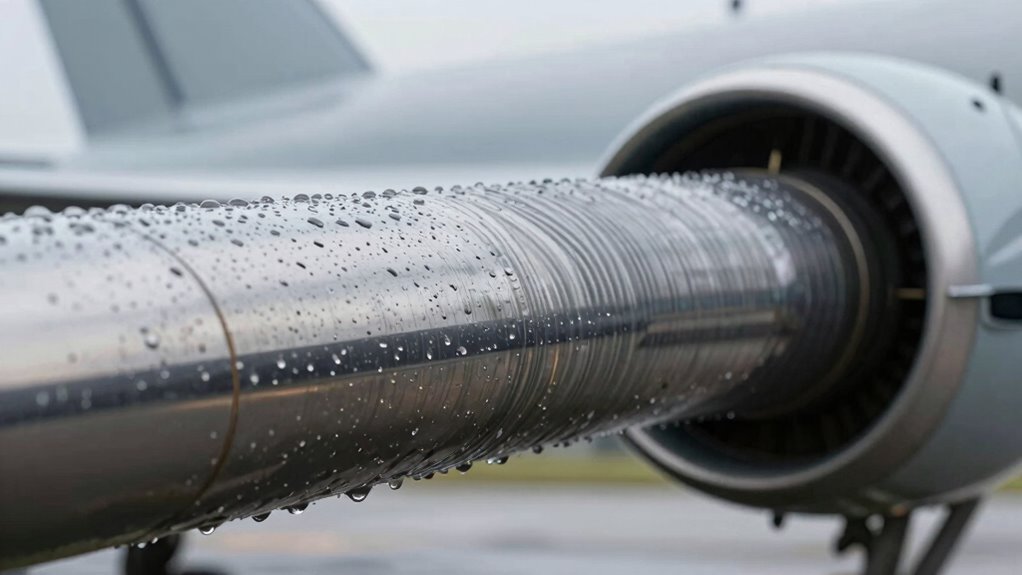
Water enters your air lines mainly because moisture naturally condenses out of the compressed air as it cools. As air is compressed, it holds more moisture than it would at atmospheric pressure. When that compressed air cools, the excess moisture turns into liquid, leading to condensate buildup inside the lines. Over time, this moisture can cause air line corrosion, damaging pipes and fittings. Proper moisture control techniques are essential to maintain the integrity of your system and prevent costly repairs. Condensate buildup not only weakens the system but also increases the risk of rust and contamination. Without proper drainage or moisture management, water can accumulate and create blockages or reduce the efficiency of your equipment. Recognizing how water gets into your lines is the first step toward preventing corrosion and ensuring your compressed air system functions smoothly. Implementing moisture elimination devices can significantly reduce the amount of water that enters the system, prolonging its lifespan. Regular maintenance and monitoring are also crucial in system reliability and avoiding unexpected downtimes. Additionally, employing effective drainage solutions can help remove accumulated moisture more efficiently, further protecting your system.
How Can You Tell If Moisture Is in Your Compressed Air?
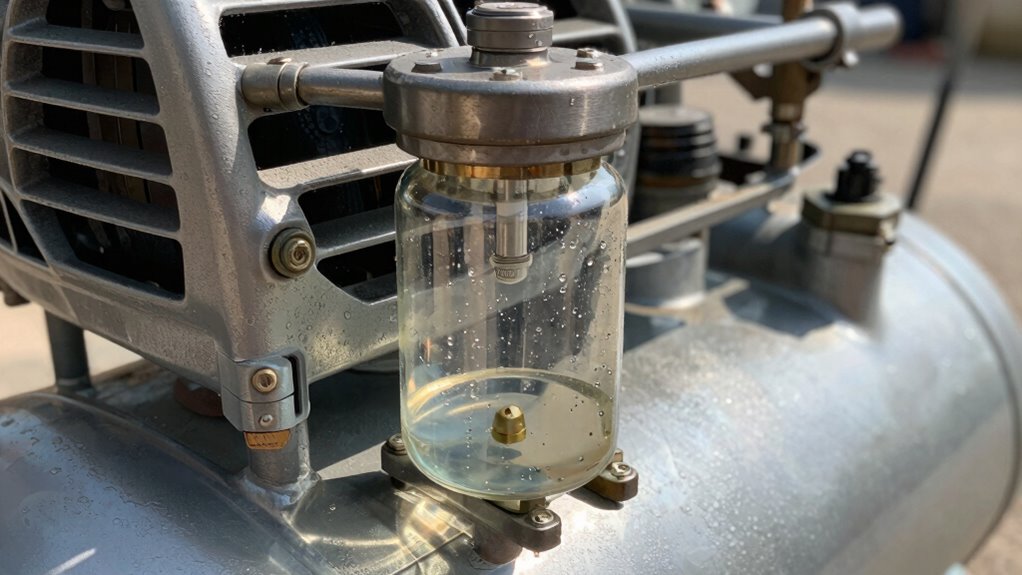
How can you tell if moisture is in your compressed air? One sign is poor air quality, such as visible water droplets or mist in your lines. You might notice water collecting at the bottom of filters or drains during compressor maintenance. Additionally, uneven spray patterns or a rough finish can indicate moisture contamination. Listening for unusual noises or hissing sounds can also signal moisture buildup. Regularly inspecting your air system helps catch issues early. Using a moisture test kit can provide definitive results, showing if water is present in your compressed air. Proper air line standards and maintaining your compressor properly reduces moisture problems and ensures consistent air quality. Being aware of moisture control techniques helps prevent costly damage to your equipment. If you notice these signs, it’s time to address moisture issues before they compromise your work.
How to Choose and Install Moisture Traps and Filters

Selecting the right moisture traps and filters is essential for maintaining clean, dry compressed air. To improve air quality and guarantee ideal filter selection, consider these steps: 1. Assess your system’s air flow and pressure needs to choose filters that match your equipment’s specifications. 2. Pick moisture traps with appropriate capacity to handle your moisture load without frequent replacements. 3. Install filters and traps at strategic points, such as right after the compressor and before the paint booth, to effectively remove water and contaminants. Additionally, understanding the concept of Free Floating can help ensure your filtration system remains effective over time. Proper placement and system design can optimize moisture removal, ensuring consistent performance. Recognizing the importance of nail biology in equipment maintenance emphasizes how crucial proper filtration is to prevent corrosion and damage caused by moisture. Implementing regular maintenance routines can further enhance the longevity and reliability of your air system, especially when tailored to your system’s specific auditory processing demands.
How to Maintain and Drain Your Air Lines Properly

To keep your air lines functioning properly, regular maintenance and drainage are essential. Properly draining moisture from your lines helps maintain air quality and prevents water buildup that can damage equipment or ruin your paint job. Start by releasing trapped moisture at the end of each workday or after extended periods of inactivity. Use a drain valve or manually open the drain petcock to expel accumulated water. During compressor maintenance, inspect and clean filters and moisture traps to ensure they operate effectively. Keep an eye on pressure gauges, as drops can indicate moisture issues. Filtration is crucial for maintaining dry, clean air and prolonging the life of your spray equipment. Consistent drainage prevents corrosion inside the lines and maintains ideal airflow. Regularly replacing or cleaning your safety glasses ensures your eyes are protected during maintenance procedures. Additionally, maintaining air line pressure within recommended ranges can prevent excessive moisture formation. Implementing proper drainage procedures helps prevent costly repairs and downtime. Incorporating moisture traps into your system can further enhance moisture removal and protect your tools. By staying proactive, you ensure your air system remains dry, reliable, and capable of delivering high-quality, moisture-free air for your projects.
How to Troubleshoot Ongoing Moisture Issues and When to Upgrade

Even with regular drainage, moisture issues can persist in your air lines, signaling underlying problems that need attention. To troubleshoot effectively, begin by evaluating your air quality: check for inconsistent moisture levels or visible water buildup. Next, appraise your system’s capacity—if you’re constantly battling moisture, your current setup may be inadequate. Lastly, perform a cost analysis: determine whether investing in advanced filtration or a refrigerated dryer is more economical long-term. Upgrading might be necessary if moisture problems continue despite maintenance, especially when ongoing issues threaten your paint finish. Addressing these core issues ensures you’re not just fixing symptoms but improving system reliability, reducing downtime, and safeguarding your investment. Proper troubleshooting and timely upgrades keep your air lines dry and your projects on track.
How to Prevent Moisture Problems for Flawless Paint Finishes
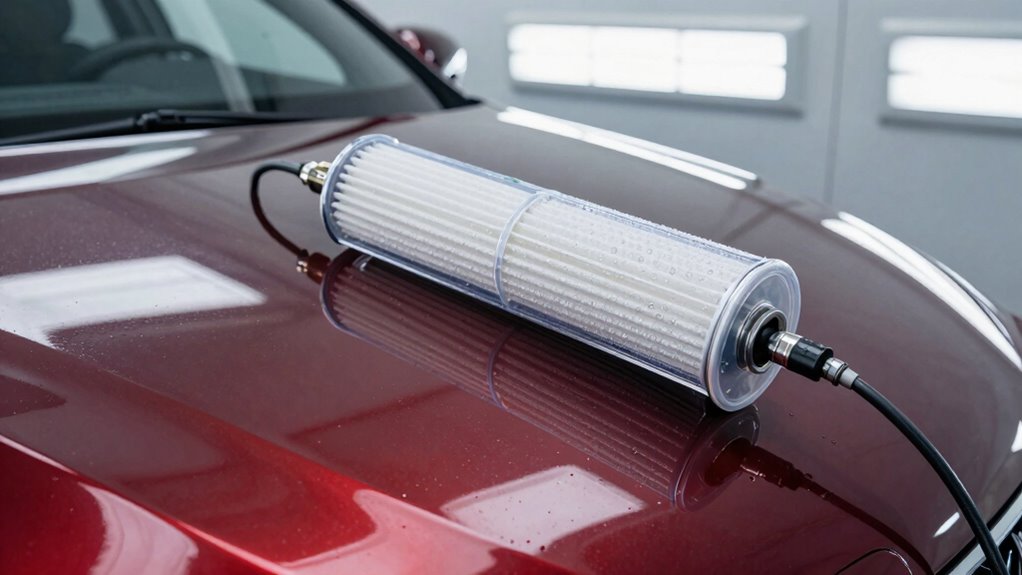
Moisture in air lines can ruin a flawless paint finish, so taking proactive steps to prevent it is essential. Regular air line maintenance is key—inspect hoses, drains, and filters frequently to catch moisture early. Use moisture prevention techniques like installing water traps, dryers, and desiccant filters to remove humidity before it reaches your spray gun. Keep your compressor at ideal temperature and pressure settings to reduce condensation buildup. Drain moisture from tanks and lines regularly, especially after long periods of use. Proper maintenance not only minimizes moisture but also extends your equipment’s lifespan. Additionally, understanding air quality standards can help ensure your system is optimized for moisture control. By staying vigilant with air line maintenance and employing moisture prevention techniques, you’ll ensure a dry, consistent air supply, resulting in smooth, flawless paints every time.
Frequently Asked Questions
Can Moisture in Air Lines Affect Different Types of Paint Differently?
Yes, moisture in your air lines can affect different types of paint differently. It can weaken paint adhesion, causing peeling or bubbling, especially with water-based paints. Moisture also prolongs drying times, making your job more difficult and risking poor finish quality. To avoid these issues, make sure your air lines are dry and moisture-free, so your paint applies smoothly and cures properly, regardless of the paint type you’re using.
Are There Specific Brands or Models of Moisture Traps Recommended?
You should absolutely choose reliable moisture trap brands like Hoppes, Dräger, or Festo, known for their durability and effectiveness. When selecting moisture trap models, look for those with high moisture removal capacity and easy maintenance features. Avoid cheap, untested options—they’re like playing roulette with your paint job. Investing in top-rated moisture trap brands and models guarantees your air lines stay dry, protecting your paint from costly moisture damage.
How Often Should I Inspect My Air Lines for Moisture Buildup?
You should inspect your air lines for moisture accumulation at least once a week, especially if you use your compressor frequently. An inspection schedule helps you catch moisture buildup early, preventing rust and paint issues. Regularly check moisture traps and drain them as needed. If you notice increased moisture or condensation, consider inspecting more often. Staying vigilant guarantees your air system stays dry and your paint job remains smooth.
What Are the Safety Precautions When Working With Compressed Air Systems?
You should always prioritize safety when working with compressed air systems. Always wear personal protective equipment like safety goggles and gloves, and never bypass safety devices. Remember electrical safety—disconnect power before maintenance to prevent shocks. Even if you’re experienced, never take shortcuts; compressed air is powerful and dangerous. Staying vigilant and following proper procedures helps prevent accidents and injuries, ensuring you work safely and efficiently.
Is It Better to Use Chemical Dryers or Refrigerated Dryers for Moisture Control?
Refrigerated dryers are generally better for moisture control because they efficiently remove water vapor by cooling the air, making them ideal for most industrial applications. Chemical dryers, on the other hand, are more suitable for small-scale or specialized needs, providing desiccant-based moisture removal. If you want reliable, consistent drying for your air lines, go with refrigerated dryers—they’re more effective and easier to maintain long-term.
Conclusion
Don’t let water sneak into your air lines like a thief in the night, sabotaging your perfect paint job. By staying vigilant and maintaining your moisture traps, you keep your system as dry as a desert. Think of it as armor against the rust and blemishes that moisture can cause. With these tips, you’ll keep your airflow pure and your finishes flawless—turning your workshop into a fortress of perfection, one dry breath at a time.