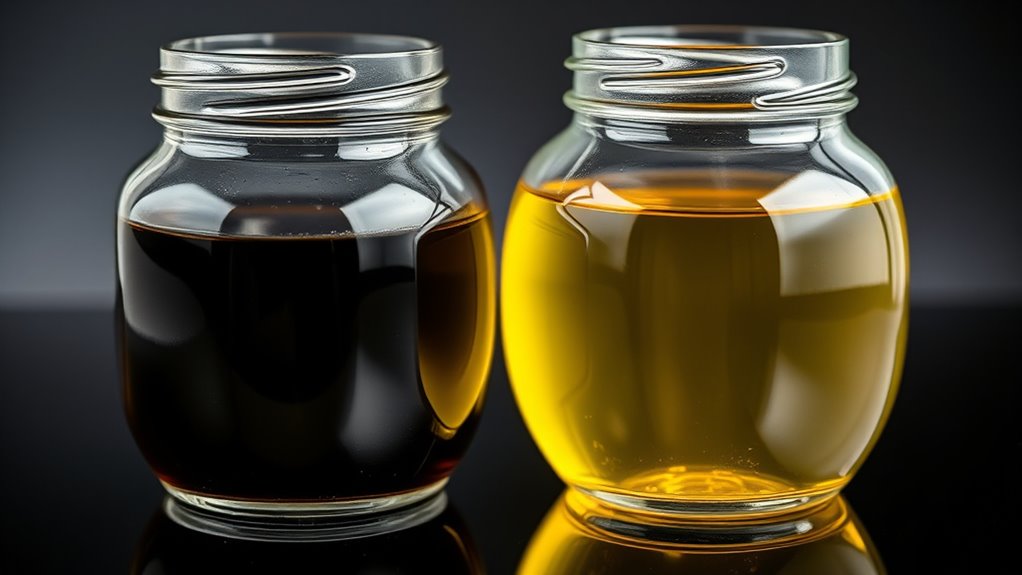

Conventional oil generally costs less upfront, making it appealing if you’re on a tight budget. However, synthetic oil has a higher price per quart but lasts longer between changes, reducing maintenance costs over time. It also offers better engine protection, which can save money on repairs down the road. Overall, while synthetic oil may seem pricier initially, its benefits often balance out or surpass those of conventional oil. Keep exploring to discover how this choice can impact your vehicle’s lifespan and costs.
Key Takeaways
- Conventional oil has a lower upfront cost but requires more frequent oil changes, increasing maintenance expenses.
- Synthetic oil costs more initially but lasts longer, reducing the frequency and total cost of oil changes over time.
- Longer intervals between synthetic oil changes may offset its higher price, leading to potential overall savings.
- Fewer oil changes with synthetic oil generate less waste oil and lower environmental impact.
- Overall, synthetic oil can be more cost-effective in the long run due to better engine protection and reduced maintenance needs.

When choosing between conventional and synthetic oil, cost is often a key factor. You’ll find that conventional oil usually costs less upfront, making it appealing if you’re on a tight budget. However, it’s important to consider how often you’ll need an oil change, as this can influence overall expenses. Conventional oil generally requires more frequent oil changes—typically every 3,000 to 5,000 miles—because it breaks down faster and offers less protection at high temperatures. This means that over time, the cumulative cost of frequent oil changes can add up, potentially offsetting the lower initial price. Synthetic oil, on the other hand, costs more per quart but tends to last longer, often going 7,500 to 10,000 miles between oil changes. This extended oil change interval can reduce maintenance visits and labor costs, which might balance out or even surpass the initial price difference. Moreover, the stability of synthetic oils helps prevent engine wear and tear, extending the lifespan of your vehicle. Beyond just the financial aspect, you should also think about the environmental impact of your oil choice. Synthetic oils are designed to be more stable and to resist breakdown better than conventional oils. As a result, synthetic oil tends to generate fewer emissions and less waste oil over time because you need fewer changes. Additionally, because synthetic oil maintains its viscosity and lubricates better under extreme temperatures, it helps your engine run more efficiently. This improved efficiency can lead to better fuel economy, which means fewer emissions and a smaller carbon footprint. Conversely, frequent oil changes with conventional oil produce more waste oil, which requires proper disposal and can pose environmental hazards if not handled correctly. The extra oil changes also consume more resources during manufacturing and disposal, adding to the environmental footprint of conventional oil. In terms of total cost, synthetic oil might seem more expensive initially, but when you factor in the longer intervals between oil changes, reduced waste, and better engine protection, it can be more economical over the long haul. You may spend more upfront, but the reduced frequency of oil changes, lower environmental impact, and the potential for better engine health make synthetic oil an attractive option. If you’re looking for a solution that balances cost, environmental considerations, and engine protection, synthetic oil often comes out ahead despite the higher starting price. Ultimately, your choice depends on your driving habits, vehicle type, and how much you value sustainability, but understanding these factors helps you make an informed decision that aligns with your priorities.
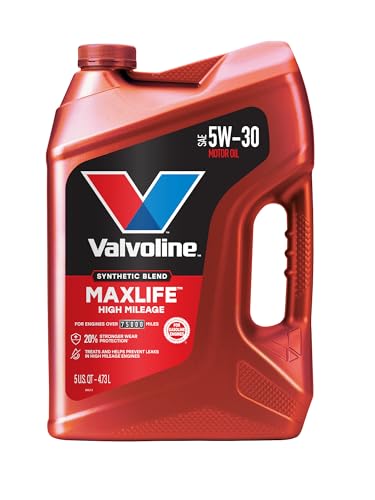
Valvoline MaxLife High Mileage 5W-30 Synthetic Blend Motor Oil 5 Quart
Formulated for engines with 75,000 miles or more, Valvoline MaxLife High Mileage synthetic blend is formulated with seal…
As an affiliate, we earn on qualifying purchases.
As an affiliate, we earn on qualifying purchases.
Frequently Asked Questions
How Does Oil Type Affect Vehicle Resale Value?
Using synthetic oil can positively impact your vehicle’s resale value because it often leads to better engine health and fewer issues. When you follow dealer recommendations for oil change frequency, you demonstrate proper maintenance, which buyers appreciate. This can make your car more attractive on the market. Potential buyers may see your vehicle as more reliable, especially if you’ve used high-quality synthetic oil, boosting its resale value.
Are Synthetic Oils Environmentally Friendlier Than Conventional Oils?
They say “Every drop counts,” and synthetic oils are generally more environmentally friendly than conventional oils. Synthetic oils have a lower environmental impact because they produce fewer emissions, resist breakdown longer, and are more biodegradable. By choosing synthetic, you help reduce pollution and waste, making a positive impact on the planet. It’s like planting a seed for a greener future, one oil change at a time.
Can Switching Oils Improve Engine Performance?
Switching oils can improve your engine’s performance. Synthetic oils often have better oil viscosity, which reduces friction and helps your engine run smoother. They also keep your engine cleaner by resisting sludge and deposits. This means fewer breakdowns and more efficient operation. If you switch to a high-quality synthetic, you’ll likely notice improved acceleration, better fuel economy, and longer-lasting engine health, making it a smart upgrade for your vehicle.
What Are the Long-Term Maintenance Savings With Synthetic Oil?
Your long-term savings with synthetic oil can really add up, like a snowball gathering speed. It allows for extended oil change intervals and boosts engine longevity, reducing the need for frequent repairs and part replacements. Over time, these benefits save you money and keep your engine running smoothly. Investing in synthetic oil now means fewer visits to the mechanic down the line and a healthier engine for years to come.
Does Oil Quality Impact Warranty Coverage?
Yes, oil quality impacts warranty coverage. Using high-quality synthetic oil with superior oil additives can help protect your engine and guarantee it meets warranty requirements. Poor quality oil may lead to warranty exclusions if it causes engine damage or fails to meet the manufacturer’s specifications. Always choose oil that complies with your vehicle’s warranty guidelines to prevent potential coverage issues and maintain ideal engine performance.

Castrol GTX 10W-30 Conventional Motor Oil, 5 Quarts
Advanced protection against viscosity and thermal breakdown
As an affiliate, we earn on qualifying purchases.
As an affiliate, we earn on qualifying purchases.
Conclusion
Think of conventional oil as a quick-burning candle—cheaper upfront but burning out faster, costing you more in the long run. Synthetic oil, on the other hand, is like a steady, bright lighthouse beam—more costly initially but offering lasting protection and savings over time. When choosing between them, remember that investing in synthetic is like lighting a beacon of reliability, guiding your engine smoothly through every mile and shining brighter in the end.

Valvoline Extended Protection Full Synthetic Motor Oil SAE 0W-20 5 QT
Extended Protection Full Synthetic motor oil provides superior protection from deposits, wear, heat and friction – the four…
As an affiliate, we earn on qualifying purchases.
As an affiliate, we earn on qualifying purchases.
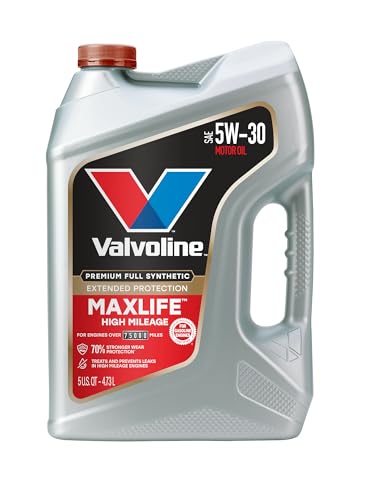
Valvoline MaxLife Extended Protection High Mileage 5W-30 Full Synthetic Motor Oil 5 Quart
Our premium motor oil for vehicles with over 75K miles, Valvoline MaxLife Extended Protection Full Synthetic High Mileage…
As an affiliate, we earn on qualifying purchases.
As an affiliate, we earn on qualifying purchases.