The cost of oil changes varies based on factors like your vehicle, oil type, and location. Conventional oils are cheaper, usually around $20-$50, while synthetic oils can cost $50-$100 or more. Using coupons and local promotions can help you save, and selecting the right oil for your vehicle’s needs balances cost with performance. Keep exploring to learn how to make the best choice and get the most value from your oil change.
Key Takeaways
- Oil change costs vary based on location, oil type, and service provider, with coupons and discounts reducing expenses.
- Conventional oil is cheaper, while synthetic oil offers longer-lasting protection but at a higher upfront cost.
- Additional services like filter replacements can increase the total price but are essential for engine health.
- Using coupons and promotions can make premium oils more affordable, balancing cost and quality.
- Proper maintenance, including choosing the right oil and service option, ensures engine longevity and optimal performance.

Regular oil changes are essential for keeping your vehicle running smoothly, but understanding their true cost can sometimes be confusing. When you start looking into how much an oil change will set you back, you’ll notice a wide range of prices depending on where you go and what type of oil you choose. Many shops offer oil change coupons, which can considerably reduce the cost and make routine maintenance more affordable. These coupons often provide discounts on standard oil changes, helping you save money without sacrificing quality. Keep an eye out for promotions at local service centers or online; they’re a smart way to cut costs, especially if you need to get multiple services done.
The type of oil you select is a major factor influencing the overall price. Conventional motor oil is generally the most affordable option, but it requires more frequent changes. Synthetic oil, on the other hand, costs more upfront—often ranging from $50 to $100 for a full synthetic oil change—but it offers better performance and longer-lasting protection. Synthetic oil prices can be intimidating at first glance, but when you consider the extended interval between oil changes and the improved engine efficiency, many drivers find it to be a worthwhile investment. If you’re looking to stretch your dollar further, some service shops provide synthetic oil discounts or package deals, so it’s worth asking about those options.
Understanding the true cost of an oil change also involves considering additional services that may be included, such as filter replacements or fluid top-offs. These extras can add to the final bill but are usually necessary for maintaining your vehicle’s health. The overall price varies depending on the make and model of your car, as well as the shop you choose. While quick-lube chains often advertise low prices, they might not always use the highest quality oils or include all necessary services. Conversely, independent mechanics or dealership service centers might charge more but provide more personalized service and use premium oils, including synthetic options, which can improve your engine’s longevity.
In the end, balancing cost and quality is key. Take advantage of oil change coupons whenever possible, and weigh the benefits of synthetic oil prices against your vehicle’s needs. Doing your homework ensures you’re not just saving money today but also protecting your engine for miles to come.
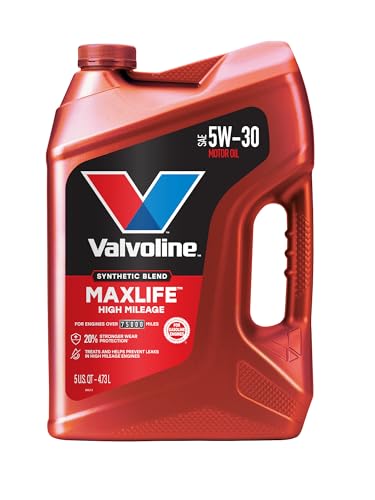
Valvoline MaxLife High Mileage 5W-30 Synthetic Blend Motor Oil 5 Quart
Formulated for engines with 75,000 miles or more, Valvoline MaxLife High Mileage synthetic blend is formulated with seal…
As an affiliate, we earn on qualifying purchases.
As an affiliate, we earn on qualifying purchases.
Frequently Asked Questions
How Often Should I Get an Oil Change for Optimal Engine Health?
You should get an oil change every 5,000 to 7,500 miles for ideal engine health. Following proper oil change intervals helps maintain engine longevity by preventing sludge buildup and reducing wear. Check your vehicle’s owner’s manual for specific recommendations, as driving conditions and oil types can influence the perfect schedule. Regular oil changes keep your engine running smoothly and extend its lifespan.
Can Using Synthetic Oil Reduce Long-Term Maintenance Costs?
Think of synthetic oil as the knight in shining armor for your engine. It offers superior synthetic benefits like better lubrication and longer-lasting protection, which can markedly reduce your long-term maintenance costs. While synthetic oil may be pricier upfront, its extended intervals and enhanced performance mean fewer oil changes and repairs down the line. So, investing in synthetic oil now pays off with notable cost savings over time.
Are There Signs Indicating I Need an Urgent Oil Change?
You should get an urgent oil change if your oil appears dark or gritty in color, which indicates it’s worn out and not lubricating properly. Also, listen for increased engine noise or knocking sounds, as these can signal low or degraded oil affecting engine performance. Don’t ignore these signs—they can lead to more costly repairs if you delay. Regular checks help keep your engine running smoothly.
How Does Oil Change Frequency Vary by Vehicle Type?
Your oil change frequency depends on your vehicle type, as it’s vehicle specific. For example, older cars or those with high mileage may need more frequent changes, while newer models often last longer. Driving conditions also matter—if you drive in stop-and-go traffic, extreme temperatures, or dusty environments, you might need to change the oil sooner. Always check your owner’s manual and consider your driving habits to determine the best interval.
What Are the Environmental Impacts of Oil Disposal?
Did you know that improperly disposed oil can contaminate up to a million gallons of water annually? You can help reduce this by using recycling methods for your used oil. Proper disposal prevents pollution and protects ecosystems. By choosing recycling, you support pollution prevention and avoid environmental hazards like soil and water contamination. Your responsible actions directly contribute to a cleaner planet and safer communities.

JINCH Oil Change Stickers Static Cling, 120pcs 2×2 Inches Oil Change Reminder Sticker for Windshield with No Residue, Clear Next Service Due Labels for Car Auto Vehicle Window
Static Cling Oil Change Stickers: The oil change stickers can stick to the windshield steadily with static cling,…
As an affiliate, we earn on qualifying purchases.
As an affiliate, we earn on qualifying purchases.
Conclusion
Now that you know what influences oil change costs, you’re better equipped to make smart choices. Remember, a stitch in time saves nine—staying on top of regular maintenance can save you money and headaches down the road. Don’t wait until things get worse; being proactive keeps your vehicle running smoothly and your wallet happy. Keep this in mind, and you’ll avoid costly surprises and keep your engine humming along happily.

10L0L Golf Cart Tune Up Kit for Club Car DS 1992-up Gas Carts with FE290 FE350 Engines, Air Oil Fuel Filter 1015426, 1016467 41016467, 1013684 1014522 102003201, Spark Plug
To get your engine running smooth again, This Golf Cart Tune Up Kit is a good replacement
As an affiliate, we earn on qualifying purchases.
As an affiliate, we earn on qualifying purchases.

Valvoline Advanced Full Synthetic SAE 5W-30 Motor Oil 5 QT
Advanced protection against the four main causes of engine breakdown: wear friction heat and deposits
As an affiliate, we earn on qualifying purchases.
As an affiliate, we earn on qualifying purchases.