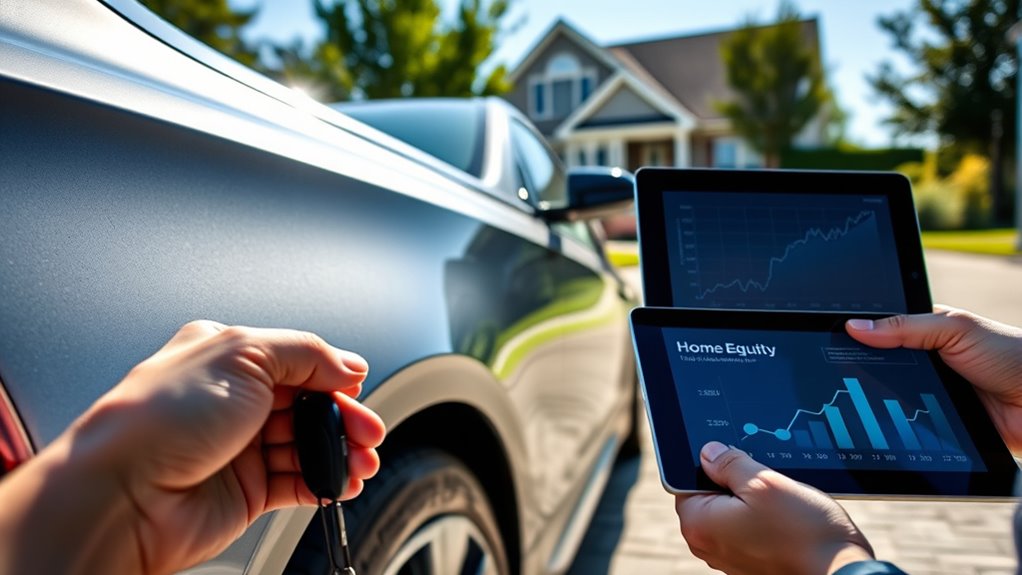

Using your home equity for auto repairs can save you on interest and provide quick access to cash, but it’s a big decision. It ties your auto expenses directly to your home, risking your house if you can’t repay. Before borrowing, consider your financial stability and other options. If you’re curious about whether this makes sense for your situation, there’s more you should consider before making a move.
Key Takeaways
- Home equity loans and HELOCs offer lower interest rates, making auto repairs potentially more affordable than personal loans or credit cards.
- Using home equity ties auto repair expenses to your housing security, risking foreclosure if you can’t repay the loan.
- Consider your ability to repay; financial setbacks or income changes could make long-term commitments difficult.
- Responsible repayment can improve your credit score, but missed payments could harm your credit history.
- Evaluate alternative financing options to ensure borrowing against home equity is the most advantageous choice for your situation.

Are you contemplating ways to cover unexpected auto repairs without draining your savings? Using your home equity might seem like an easy solution, but it’s vital to weigh the pros and cons carefully. When exploring this option, you’ll find several loan options available, such as a home equity loan or a home equity line of credit (HELOC). These loans typically offer lower interest rates compared to personal loans or credit cards, making them attractive for large expenses like auto repairs. However, before proceeding, it’s essential to understand how tapping into your home equity can impact your credit. Taking out a home equity loan or HELOC will likely involve a hard credit inquiry, which could temporarily lower your credit score. Additionally, if you already have significant debt or a less-than-ideal credit history, qualifying for favorable rates might be more challenging.
Using your home as collateral means that failing to repay the loan could put your house at risk. While the interest rates are usually lower, the long-term financial commitment is more substantial. If your income situation changes unexpectedly or if you face other financial setbacks, maintaining consistent payments could become difficult. This risk underscores the importance of evaluating your ability to repay before borrowing against your home equity. Furthermore, borrowing against your home ties your auto repair expenses directly to your housing security, which might not be the best strategy if other options are available. It’s also important to consider that home equity can be a powerful financial tool when used wisely, but it requires careful planning and responsible borrowing.
Another aspect to consider is the potential impact on your credit profile. While responsible repayment can positively influence your credit score over time, missed payments or defaulting on the loan could severely damage your credit history. This, in turn, might make future borrowing more difficult or expensive. If you’re planning to apply for other credit or loans soon, such as a mortgage or personal loan, using home equity could complicate your credit profile. Always evaluate whether the benefits of using your home equity outweigh the potential risks to your credit and financial stability.
home equity loan for auto repairs
As an affiliate, we earn on qualifying purchases.
As an affiliate, we earn on qualifying purchases.
Frequently Asked Questions
What Are the Risks of Using Home Equity for Car Repairs?
Using home equity for auto repairs carries financial risks, such as increasing your debt load and potential repayment challenges. If you can’t keep up with payments, you might lose your home or face foreclosure. Additionally, high interest rates on home equity loans can make repairs more costly over time. Carefully consider these risks, and verify you have a solid plan to repay before tapping into your home equity for car repairs.
How Does Interest on Home Equity Loans Compare to Auto Loans?
Imagine your finances as a river flowing smoothly. When comparing loans, home equity interest rates are generally lower than auto loans, making them a more affordable option. Home equity loans often have fixed rates, providing stability, while auto loans may have higher rates based on your credit. A thorough loan comparison reveals that choosing a home equity loan can save you money over time, easing the burden of auto repairs.
Can Using Home Equity Affect My Mortgage Terms?
Using your home equity can affect your mortgage terms because it might alter your home appraisal and impact future loan approval. When you tap into your equity, lenders reassess your home’s value, which could influence your interest rate or borrowing limits. Be aware that applying for a home equity loan or line of credit may also trigger a new appraisal, potentially affecting your current mortgage conditions and approval process.
What Happens if I Can’T Repay a Home Equity Loan?
If you can’t repay a home equity loan, your credit score takes a hit like a pebble causing ripples across a pond. You risk foreclosure, losing your home as the lender forces a sale to recover their funds. Missing payments can jeopardize future loan approval, making it harder to borrow when you need it most. Stay proactive, communicate with your lender, and explore options before the situation spirals out of control.
Are There Tax Implications When Using Home Equity for Repairs?
Using your home equity for repairs can have tax consequences. If you use the funds for substantial improvements, the interest might be deductible as a mortgage expense. However, if you take out a home equity loan for repairs, the interest isn’t typically deductible unless it qualifies as a deductible expense under IRS rules. Always consult a tax professional to understand how your specific situation impacts your deductions and potential tax implications.
HELOC auto repair financing
As an affiliate, we earn on qualifying purchases.
As an affiliate, we earn on qualifying purchases.
Conclusion
While tapping into your home equity might seem like a tempting shortcut for auto repairs, it’s worth pondering whether it’s the best path. Consider it a gentle nudge to explore other options first, like savings or small loans. After all, your home is a cozy haven, and keeping it secure means weighing every decision carefully. Sometimes, a little patience and planning can steer you toward smoother roads ahead—and keep your home’s comfort intact.
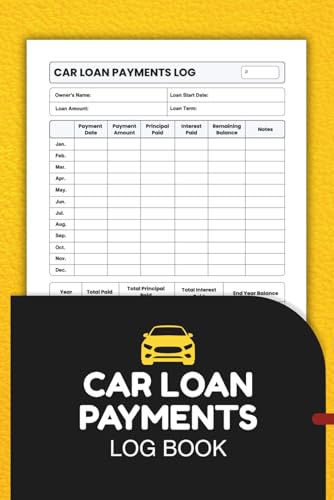
Car Loan Payments Log Book: Monthly Auto Finance Tracker for Recording Principal, Interest, and Balances
As an affiliate, we earn on qualifying purchases.
As an affiliate, we earn on qualifying purchases.

Credit Card Privacy Sticker (Non-RFID) – Anti-Spy Cover Hides Card Numbers & CVV – Easy Apply, Residue-Free – Works with ATMs/Terminals – 1 Set Protects Up to 3 Cards
Hide Sensitive Data, Not Functionality – Narrow viewing angle helps keep card number and CVV from prying eyes…
As an affiliate, we earn on qualifying purchases.
As an affiliate, we earn on qualifying purchases.