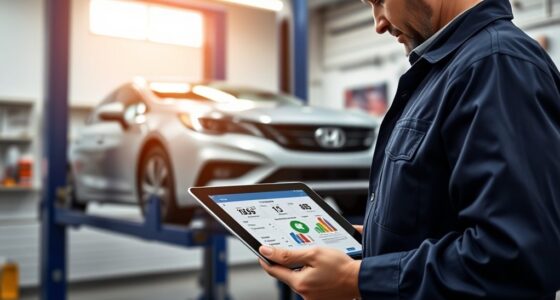

When comparing leasing and owning, you’ll find that lease payments often include warranties, reducing your repair costs, but coverage varies. Owning means higher maintenance expenses over time, especially after warranties expire, but gives you long-term control and potential tax benefits. Insurance premiums are typically higher for leased vehicles due to coverage requirements. Understanding these factors helps you evaluate the true costs, and exploring more details will show you how to make the best choice for your budget.
Key Takeaways
- Leasing generally covers basic maintenance, reducing ongoing costs, whereas owned vehicles incur higher maintenance expenses over time.
- Lease agreements often require comprehensive insurance and gap coverage, increasing overall costs compared to owning.
- Ownership allows for customization and potential tax deductions, but long-term maintenance costs tend to rise as the vehicle ages.
- Leasing offers predictable monthly payments and lower initial costs, while owning involves higher upfront expenses and variable maintenance costs.
- Proper vehicle upkeep, such as using professional-grade products, can extend lifespan and reduce repair costs whether leasing or owning.
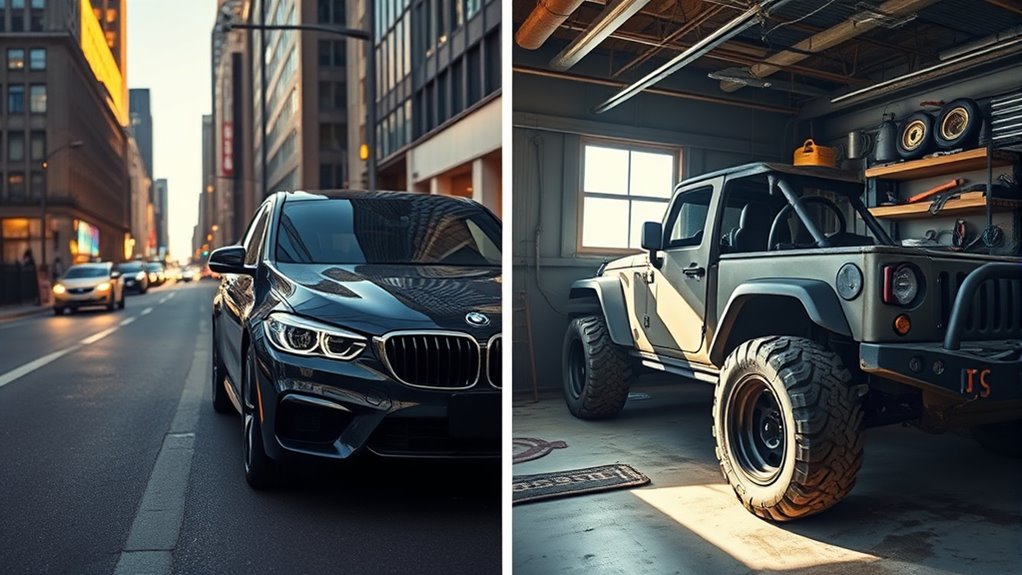
Are you trying to decide whether leasing or owning a vehicle is more cost-effective? When you’re weighing the costs, it’s important to evaluate not just the sticker price or monthly payments but also the long-term financial implications. Maintenance costs play a key role here, but so do factors like tax implications and insurance requirements, which can differ substantially depending on whether you lease or buy.
Deciding between leasing and owning? Consider long-term costs, tax benefits, and insurance to choose what suits your financial goals.
If you choose to lease, your maintenance costs are often lower because most leases come with warranties that cover many repairs. Since the vehicle remains the leasing company’s property, you’re typically responsible only for basic maintenance and wear-and-tear repairs. This setup can save you money on unexpected expenses, but it’s essential to understand the tax implications. Leasing payments are generally considered a business expense if you’re self-employed or use the vehicle for work, which could provide tax benefits. However, the lease itself might have restrictions on deductibility, and you’ll need to keep detailed records to maximize potential deductions. Insurance requirements also tend to be higher for leased vehicles, as leasing companies often mandate comprehensive coverage and sometimes additional gap insurance, which can increase your premiums. These higher insurance costs should be factored into your overall vehicle budget.
On the other hand, if you opt to own, you’ll have the freedom to customize your vehicle and keep it for as long as you want. But owning usually means higher maintenance costs over time, especially as the vehicle ages. You’ll be responsible for all repairs once the warranty expires, which can add up notably. From a tax perspective, owning a vehicle may allow you to deduct depreciation or actual expenses if you use the car for business purposes, but these benefits require careful record-keeping. Insurance requirements for owned vehicles can be less stringent compared to leased ones, but you should still carry sufficient coverage to protect your investment. Keep in mind that insurance premiums can vary based on the vehicle’s age, model, and your driving history, influencing your ongoing costs. Additionally, professional-grade shampoos and oils can help maintain the vehicle’s interior and exterior, reducing long-term wear and tear.
Ultimately, the decision hinges on how you prioritize flexibility, upfront costs, and ongoing expenses. Leasing might offer lower initial maintenance costs and certain tax advantages, but it comes with stricter insurance requirements. Owning provides long-term control and potential tax deductions but can lead to higher maintenance and insurance costs as your vehicle ages. Carefully appraising these factors will help you determine which option aligns better with your financial situation and driving habits.
Frequently Asked Questions
How Do Maintenance Costs Differ Between Leased and Owned Vehicles Over Time?
When comparing maintenance costs, leased vehicles typically have lower expenses over time because your lease often covers routine upkeep and repairs. Owned vehicles may incur higher costs due to depreciation impact and the need for more frequent repairs as they age. Additionally, insurance premiums might increase for owned cars due to their higher value, whereas leased cars usually have lower premiums. Overall, leasing can be more predictable and cost-effective regarding maintenance over the long run.
Are There Hidden Fees Associated With Leasing or Owning That Impact Maintenance Costs?
They say “look before you leap,” so watch out for hidden fees. Leasing might include penalties for exceeding mileage or early termination, while ownership involves ownership taxes and potential repair costs. Both options can have unexpected expenses impacting maintenance costs. Carefully review lease agreements for penalties, and understand ownership taxes to avoid surprises. Being aware helps you make smarter choices, saving money and stress in the long run.
How Does Vehicle Age Influence Maintenance Expenses in Leasing Versus Ownership?
As your vehicle ages, maintenance costs typically increase due to wear and tear, whether you lease or own. With leasing, you’re limited by mileage and wear, which can lead to additional charges as depreciation accelerates. Owning, however, means you’re responsible for ongoing repairs, insurance premiums, and vehicle depreciation, which can rise as the car gets older. Both options require budgeting for these increased expenses over time.
What Maintenance Responsibilities Are Typically Covered in Lease Agreements?
In most lease agreements, maintenance responsibilities like oil changes, tire rotations, and routine inspections are covered, giving you peace of mind. You benefit from lease incentives that often include maintenance packages, reducing out-of-pocket costs. Unlike ownership, where depreciation affects your vehicle’s value and maintenance costs can increase over time, leasing keeps maintenance predictable and usually included, helping you avoid unexpected expenses.
How Can I Accurately Estimate Long-Term Maintenance Costs for Leasing or Owning?
You can accurately estimate long-term maintenance costs by analyzing historical data and industry averages, noting that 1 in 4 vehicles needs repairs costing over $1,000 annually. Consider how insurance premiums and depreciation impact expenses over time. Create a detailed budget, including routine maintenance, unexpected repairs, and insurance, then compare leasing and ownership costs. Regularly track actual expenses to refine your estimates and make informed financial decisions.
Conclusion
When deciding between leasing and owning, think of it like choosing between a quick, flexible ride or a long-term journey. Leasing offers lower upfront costs and maintenance simplicity, but owning builds equity and control. You’ll want to weigh the ongoing expenses and your future plans carefully. Ultimately, it’s about finding what fits your lifestyle best—like picking the perfect pair of shoes that support your walk ahead. Choose wisely, and your decision will serve you well down the road.