
In urban areas, your parking surface greatly affects tire wear. Smooth, well-maintained pavement reduces strain and uneven tread damage, while rough, cracked, or sloped surfaces can accelerate tire deterioration. Keeping your tires properly inflated and checking pressure regularly helps prevent damage from city potholes and curbs. Consistently parking on good surfaces and maintaining your tires can extend their lifespan. To learn more about protecting your tires in the city, keep exploring these essential tips.
Key Takeaways
- Parking on smooth, stable surfaces reduces tire wear caused by uneven pressure points.
- Avoid rough, cracked, or sloped pavement to minimize tire damage and uneven tread deterioration.
- Maintaining proper tire pressure is crucial to handle urban surface variations and prevent premature wear.
- Regularly inspecting tires helps detect early signs of uneven wear or damage from city parking conditions.
- Choosing well-maintained parking areas and practicing proactive maintenance extends tire lifespan in urban environments.
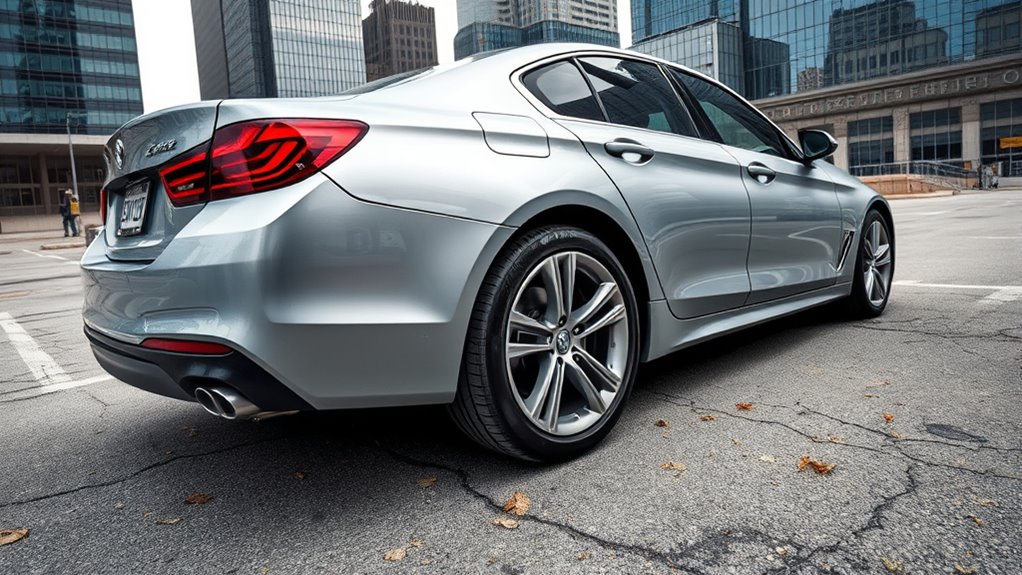
Parking your car in busy city streets can take a toll on your tires, often leading to uneven wear and reduced lifespan. The type of parking surface you encounter—whether it’s asphalt, concrete, or uneven pavement—directly impacts how your tires wear over time. Rough or poorly maintained surfaces can cause localized pressure points, leading to faster tread wear or even sidewall damage. Additionally, parking on uneven terrain, like sloped or cracked surfaces, puts extra strain on your tires, which can accelerate their deterioration. It’s vital to be mindful of these surfaces and try to park on smooth, stable ground whenever possible to minimize unnecessary tire stress. Furthermore, proper tire maintenance**** plays a crucial role in mitigating the effects of city parking conditions and prolonging tire life.
Parking on smooth surfaces reduces tire wear and prevents damage in city streets.
Another essential factor that influences how your tires wear in city parking is tire pressure. When parking in busy urban environments, temperature fluctuations, frequent stops, and the constant exposure to varying surface conditions can cause your tire pressure to fluctuate. Under-inflated tires lose pressure more rapidly and are more susceptible to damage from potholes or curb impacts, which are common in city streets. Over-inflated tires, on the other hand, may wear unevenly, especially in the center of the tread, reducing their overall lifespan. Regularly checking and maintaining proper tire pressure ensures your tires distribute weight evenly and absorb shocks more effectively, which is especially important when parking on rough surfaces or after driving through potholes.
In city environments, where parking often involves tight spaces and frequent stop-and-go traffic, maintaining ideal tire pressure also enhances safety. Properly inflated tires improve handling and braking, giving you better control when maneuvering around obstacles or parallel parking. This is particularly important on uneven or gravelly parking surfaces, which can cause tires to lose pressure more quickly. Keep a tire pressure gauge in your vehicle and check your pressure at least once a month, especially before long trips or after parking in unfamiliar areas. This simple step can extend your tires’ lifespan and reduce the likelihood of blowouts or uneven tread wear caused by improper inflation.
Ultimately, by paying attention to the parking surface and maintaining correct tire pressure, you can greatly reduce the impact of city parking on your tires. Choosing flat, smooth surfaces whenever possible and being diligent about tire maintenance helps guarantee your tires wear evenly and last longer. In the hustle and bustle of city life, small proactive measures make a big difference in preserving your tires’ health, keeping you safe, and saving you money in the long run.

ETENWOLF T300 Digital Tire Pressure Gauge 3-200 PSI, Industrial Tire Gauge Calibrated to ANSI B40.7 Grade 2A(Plus-Minus 0.5%), Replaceable AAA Batteries (Vivid Orange)
PROCESS LEVEL ACCURACY: Each ETENWOLF’s digital tire pressure gauge is calibrated manually to ANSI B40.7 Grade 2A(plus-minus 1…
As an affiliate, we earn on qualifying purchases.
As an affiliate, we earn on qualifying purchases.
Frequently Asked Questions
How Does Parking Duration Affect Tire Degradation?
Long parking durations can accelerate tire degradation because your tires sit stationary, leading to flat spots and uneven wear over time. The longer your vehicle remains parked, especially in hot or cold conditions, the more stress it puts on the tires. This can cause cracks, hardening, and loss of elasticity. Regularly moving your vehicle or using tire protectants helps reduce parking duration-related tire degradation and extends tire life.
Are There Specific Parking Surfaces That Accelerate Tire Wear?
A stitch in time saves nine, especially when parking surfaces matter. You’ll notice that uneven surfaces and pothole damage can accelerate tire wear. Parking on rough asphalt or concrete with potholes causes uneven tread and sidewall damage, leading to faster degradation. To extend your tires’ life, avoid these surfaces when possible, and regularly check for damage. Proper parking choices help prevent unnecessary tire wear and costly repairs.
Can Parking Location Influence Tire Pressure and Longevity?
Yes, your parking location can influence tire pressure and longevity. Parking on rough surfaces or uneven pavement increases tire temperature, leading to faster wear. Hard surfaces like concrete can cause constant pressure points, affecting tire integrity over time. Always check your tire pressure regularly, especially after parking on different surfaces, and avoid extreme temperature fluctuations. Properly maintaining tire pressure helps extend your tires’ lifespan and ensures safer driving.
What Are the Best Practices for Tire Maintenance in Urban Areas?
Think of your tires as the heartbeat of your car—keeping them healthy means smoother rides and fewer surprises. Regularly rotate your tires to guarantee even wear, especially on city streets with potholes and debris. Check tire pressure monthly, and inspect for road hazards like nails or glass. These simple steps prevent uneven wear, extend tire life, and keep you safe traversing urban jungle streets.
How Does Frequent Parking in City Traffic Impact Tire Health?
Frequent parking in city traffic can negatively impact your tire health due to constant urban congestion. When you park often, your tires endure repeated pressure changes, leading to uneven wear and potential flat spots. Additionally, parking in congested areas exposes your tires to more debris and temperature fluctuations. To mitigate this, check your tire pressure regularly, rotate your tires, and avoid parking on rough surfaces whenever possible.

AstroAI Tire Inflator Portable Air Compressor Air Pump for Car Tires-Car Accessories, 9.8Ft Cord-12V DC-Powered Auto Pump with Digital Pressure Gauge, Emergency LED Light for Bicycle, Balloons, Yellow
Please Note: This product must be powered by a 12V DC Cigarette Lighter to function properly, and ensure…
As an affiliate, we earn on qualifying purchases.
As an affiliate, we earn on qualifying purchases.
Conclusion
Parking in the city can substantially impact your tire wear, often causing faster deterioration due to frequent stops and uneven surfaces. Did you know that improper parking habits can reduce tire lifespan by up to 20%? Staying mindful of where and how you park not only saves you money on replacements but also improves your overall driving experience. So next time you park, consider its effect on your tires — small changes can make a big difference!

GODESON Tire Tread Depth Gauge,Two-Sided Smart Color Coded Tire Tread Depth Measurement Tool, Tire Wear Gauge in 32nds(Pack of 2)
Easy to read. Two calibration meters(inch and millimeter) in order to make people read more easily and suitable…
As an affiliate, we earn on qualifying purchases.
As an affiliate, we earn on qualifying purchases.
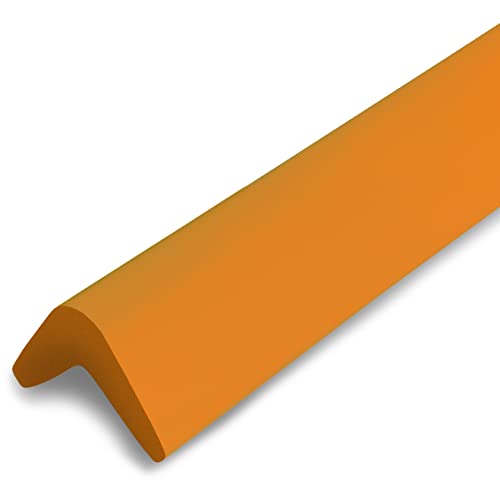
urbanhouse Ultra High-Density Heavy Duty Corner Guard Edge Protector & Bumper for Parking Garages, Workshops and Warehouses – Orange, 24 Inches – 1 Each
[ HEAVY-DUTY DURABILITY & TOXIC FREE ] – Made of premium-grade & ultra high-density rubber foam maximum cushioning…
As an affiliate, we earn on qualifying purchases.
As an affiliate, we earn on qualifying purchases.