TL;DR

Get business pricing on garage and car supplies
- Business-only prices and quantity discounts
- Tax-exempt purchasing
- Multiple users, one account, clear invoices
A comprehensive car emergency kit includes essential supplies like first aid, tools, and signaling devices. Recent innovations add tech, eco-friendly options, and space-saving designs to improve safety and convenience. Regular checks and customization based on climate are vital for true preparedness.
Imagine you’re stranded on a quiet highway, engine overheating, and no help in sight. Your heart pounds, but you remember you packed an emergency kit last month. That kit becomes your lifeline. The truth is, a well-stocked, up-to-date car emergency kit isn’t just a good idea—it’s your safety net in unpredictable moments.
In this guide, you’ll discover exactly what to include, how recent tech advances are changing these kits, and simple steps to keep yours ready for anything. Because when seconds count, preparedness makes all the difference.
Customize your emergency kit based on climate and trip length for maximum effectiveness.
Recent tech upgrades—like GPS tracking and solar-powered devices—can make your kit safer and more reliable.
Regularly check and refresh supplies every six months to prevent expiration and damage.
A comparison table helps decide between basic and high-tech kits based on your needs and budget.
Building your kit in three simple steps keeps safety simple and effective.
What Exactly Goes Into a Car Emergency Kit That Saves Lives
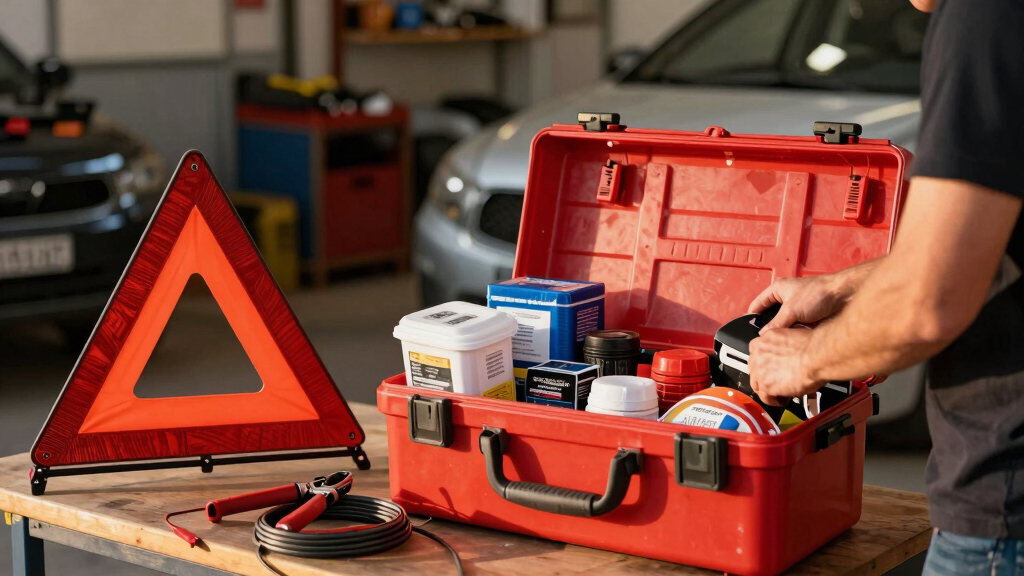
Your car emergency kit should be a mix of basic supplies and smart extras. Think of it as a safety toolbox tailored for the road. It needs to have the essentials—like first aid supplies, lighting, and signaling devices—plus some surprises that could turn a bad day into just a minor bump.
Understanding why each item matters helps you customize your kit effectively. For instance, a first aid kit isn’t just about treating minor cuts; it’s about stabilizing injuries until professional help arrives. Tools like screwdrivers and pliers are more than convenience—they can be crucial for fixing minor mechanical issues or opening a stuck battery compartment. Lighting, especially reliable flashlights, ensures you can see and be seen in low-light situations, reducing the risk of accidents or further mishaps. Signaling devices like flares or reflective triangles are vital for alerting other drivers during breakdowns, preventing secondary accidents. Fluids such as extra engine oil and coolant aren’t just spare parts—they are essential for preventing engine damage and getting you back on the road. Adding weather-specific gear like warm clothing or snow traction aids can be life-saving in harsh conditions, offering protection and comfort when help might be delayed. Ultimately, the goal is to understand the implications of each item: they aren’t just clutter—they are strategic tools designed to mitigate risks based on your environment and driving habits.
- First Aid Kit: Bandages, antiseptic wipes, pain relievers—because injuries can happen unexpectedly, and immediate care can prevent infections or worsening conditions.
- Tools: Screwdrivers, pliers, adjustable wrench—these enable quick fixes or adjustments, potentially saving hours or avoiding costly roadside assistance.
- Lighting: Flashlight with extra batteries or a hand-crank model—crucial for visibility and safety in darkness, especially if roadside assistance is delayed.
- Signaling Devices: Reflective triangles, roadside flares, emergency whistle—these help alert other drivers to your presence, reducing the risk of accidents and ensuring help can locate you.
- Fluids: Extra engine oil, coolant, windshield washer fluid—prevent engine overheating or breakdowns, which can happen suddenly and strand you in dangerous conditions.
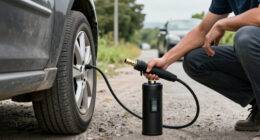
- Spare Tire & Tools: Tire, jack, lug wrench, portable inflator or sealant—being able to replace or repair a flat can be the difference between continuing your trip or being stranded.
- Food & Water: Non-perishable snacks, bottled water—these sustain you during delays and prevent dehydration or hunger, especially in remote areas.
- Clothing & Comfort: Warm jacket, blankets, gloves—protect against cold and weather exposure, which can be life-threatening if you’re stuck for hours.
- Miscellaneous: Multi-tool, duct tape, phone charger, gloves—these versatile items can solve unexpected problems, making your kit adaptable to a variety of emergencies.
Adding or removing items depends on your typical driving conditions. Winter drivers, for example, should include an ice scraper and traction mats. Long-distance travelers might carry extra maps or a portable charger, ensuring you’re prepared for the specific challenges of your journey.
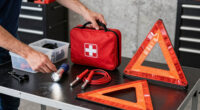
car emergency kit with first aid supplies
As an affiliate, we earn on qualifying purchases.
As an affiliate, we earn on qualifying purchases.
How Tech Is Making Car Emergency Kits Smarter and Safer
Car emergency kits are evolving fast, thanks to technology. Smart kits now incorporate GPS tracking, built-in power banks, and even satellite communication devices. These features aren’t just about convenience—they significantly enhance safety and response times. For example, a GPS-enabled kit can help locate you precisely during an emergency, especially in remote areas where cell service might be patchy. Built-in power banks ensure your devices stay charged, vital for calling for help or using emergency apps. Satellite communication devices can connect you even when traditional networks fail, providing a critical lifeline in isolated regions. Imagine a kit with a solar-powered flashlight that charges during the day or a portable air compressor with a digital gauge—these aren’t science fiction anymore. They turn your kit into a versatile safety hub capable of functioning effectively in night, snow, or remote areas. These innovations also often include eco-friendly options, like biodegradable wipes or rechargeable batteries, aligning safety with sustainability. The tradeoff with these advanced features is often cost and complexity, but the benefits—faster rescue, better communication, and environmental responsibility—can outweigh these considerations for many drivers. Ultimately, integrating these technologies transforms your emergency preparedness from basic to cutting-edge, offering peace of mind in any situation.
| Feature | Traditional Kit | Tech-Enhanced Kit |
|---|---|---|
| Power Source | Batteries or manual | Rechargeable, solar, or portable power banks |
| Communication | Signal with flares or whistle | Satellite phones, emergency apps, GPS tracking |
| Tools | Basic hand tools | Multi-functional, space-saving tools with digital gauges and smart features |
Many kits now include eco-friendly supplies, like biodegradable wipes or rechargeable batteries, aligning safety with sustainability. These upgrades can turn a simple kit into a versatile safety hub—ready for night, snow, or remote areas.
What You Must Check and Refresh Regularly to Stay Prepared
Your emergency kit is only as good as the freshness of its supplies. Batteries lose power over time, food expires, and items can get damaged or degraded, especially if exposed to extreme temperatures. This isn’t just about keeping things tidy—it’s about ensuring every item functions when needed most. For example, corroded batteries can prevent your flashlight from working during a blackout, or expired food might be unappetizing—or worse, unsafe. Regular inspection and maintenance are crucial; they prevent surprises that could turn a minor inconvenience into a dangerous situation. Setting a reminder every six months to check batteries, replace expired snacks, and tighten loose items keeps your kit reliable. Before long trips, give it a thorough review, ensuring everything is in working order. Think of it as a safety tune-up—an investment in peace of mind. This routine also helps you identify potential issues early, such as damaged tools or worn-out supplies, allowing you to replace or upgrade components proactively. A well-maintained kit isn’t just about having supplies; it’s about ensuring those supplies are ready to perform under stress, making your preparedness truly effective.
For example, a driver once found their flashlight didn’t turn on because the batteries had corroded after a year. Regular checks prevent such surprises and keep your kit dependable, ensuring you’re always ready for whatever the road throws at you.
Quick Comparison: Basic vs. High-Tech Car Emergency Kits
| Feature | Basic Kit | High-Tech Kit |
|---|---|---|
| Price Range | $20-$50 | $80-$150+ |
| Tech Features | Manual flashlight, basic tools | GPS, solar chargers, digital gauges, satellite communication |
| Eco-Friendly Options | Limited | Many |
| Ease of Use | Simple, straightforward | Somewhat advanced, requires setup |
| Ideal For | Budget-conscious, quick fixes | Tech-savvy, long-term preparedness |
Think about your typical driving habits. If you mostly commute in town, a basic kit might do. But if you love adventures or long trips, investing in a high-tech kit can add peace of mind with advanced safety features. The tradeoff is often cost and complexity, but for those who frequently venture into remote areas or want the latest safety innovations, the benefits can justify the investment.
Your Action Plan: Building or Upgrading Your Car Emergency Kit in 3 Simple Steps
- Assess your needs. Consider your climate, typical trips, and family size. Do you need winter gear or extra water for long drives? Recognizing these factors helps tailor your kit to your specific risks, ensuring you’re not over- or under-equipped.
- Gather essential supplies. Use the checklist—first aid, tools, signaling, fluids, food, and clothing. For tech upgrades, add GPS, solar chargers, or advanced tools that can enhance safety and communication in emergencies. Prioritize quality and reliability to avoid failures when it matters most.
- Maintain regularly. Set a calendar reminder to check supplies every six months, replace expired items, and test electronics. Store your kit in an accessible, sturdy container in your vehicle, and consider labeling it for quick identification. This routine ensures your kit remains effective, functional, and ready to deploy at a moment’s notice.
This simple approach ensures your kit stays effective and ready for unexpected roadside surprises. Remember, a little prep now can save hours of stress later, turning potential chaos into manageable moments of safety and calm.
Frequently Asked Questions
What should I include in my car emergency kit?
Your kit should have first aid supplies, basic tools, signaling devices, water and snacks, and weather-specific gear like an ice scraper or warm clothing. Tailor it to your climate and driving habits for best results.
How often should I check or update my emergency kit?
At least every six months, and before long trips. Inspect batteries, replace expired food or water, and ensure all tools work properly. This keeps your kit reliable and ready to go.
Are ready-made emergency kits worth buying?
Yes, many retailers offer pre-assembled kits suited for different budgets and needs. These can be a quick way to ensure you’re covered, especially if you’re not sure what to include.
What should I add for winter driving?
Ice scraper, snow brush, traction mats, warm clothing, extra blankets, and perhaps a portable heater or chemical hand warmers. These items boost safety and comfort in cold conditions.
How can I make my emergency kit eco-friendly?
Use biodegradable supplies, rechargeable batteries, and choose solar-powered devices. Avoid single-use plastics and prioritize sustainable materials whenever possible.
Conclusion
Being prepared isn’t just about having supplies—it’s about knowing they work when it counts. A well-maintained, thoughtfully assembled car emergency kit transforms potential chaos into manageable moments of calm. Invest a little now, and you’ll thank yourself later when every second counts.
Next time you’re in your garage, take five minutes to review your kit. Your future self will thank you for that peace of mind amid life’s unpredictable road trips.
Halloween Picks
halloween
As an affiliate, we earn on qualifying purchases.