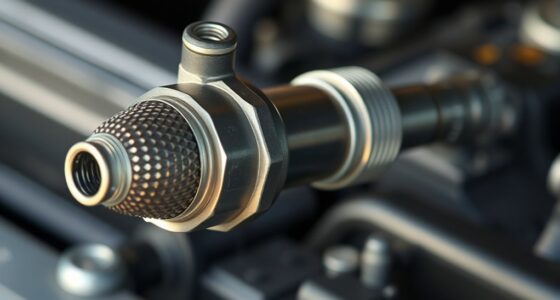
Your car’s air conditioning system cools your interior by moving heat outside through a series of components. When you turn it on, the compressor compresses refrigerant into a hot, high-pressure gas. This gas releases heat in the condenser, turning into a cooler liquid. The refrigerant then expands and evaporates inside the vehicle, absorbing heat from the cabin. As you continue, you’ll discover how each part works together to keep you comfortable.
Key Takeaways
- The compressor compresses refrigerant vapor into high-pressure, high-temperature gas, initiating the cooling cycle.
- The condenser releases heat from the refrigerant, causing it to condense into a high-pressure liquid.
- The expansion valve reduces refrigerant pressure, cooling it before it enters the evaporator.
- Inside the evaporator, refrigerant absorbs heat from cabin air, evaporating into vapor to cool the interior.
- The blower fan circulates cooled air inside the vehicle, while the refrigerant cycle repeats for continuous cooling.
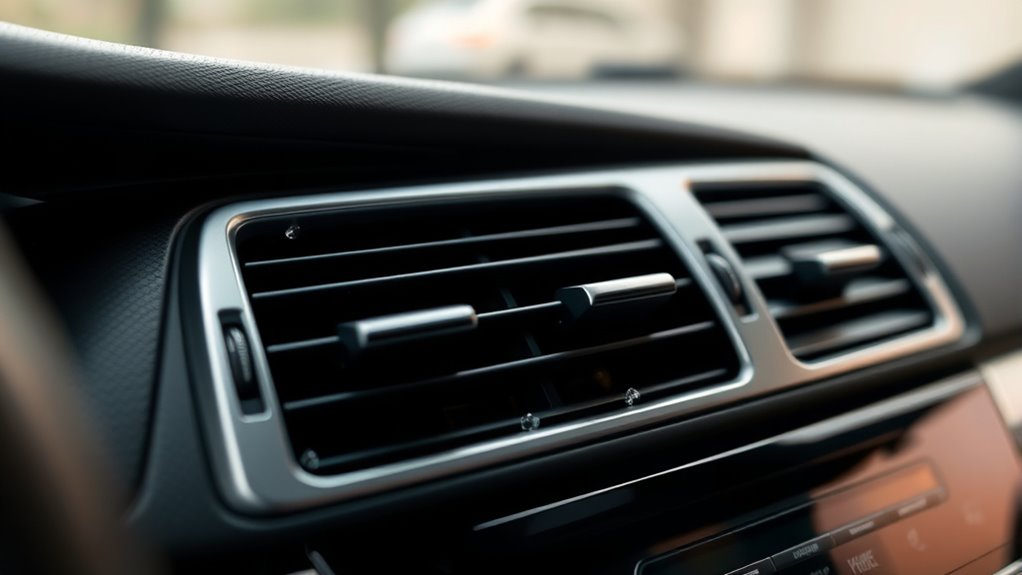
Understanding how your car’s air conditioning system works can help you troubleshoot issues and appreciate the technology behind it. At the heart of the system is the refrigerant cycle, which moves heat from inside your vehicle to the outside, creating a cool and comfortable environment. When you turn on the A/C, the compressor springs into action, initiating the process. The compressor’s operation is essential because it compresses the low-pressure refrigerant vapor into a high-pressure, high-temperature gas. This compression raises the refrigerant’s temperature, making it ready to release heat as it circulates through the system.
Once compressed, the hot, high-pressure refrigerant flows into the condenser, usually located at the front of your car’s radiator. Here, the refrigerant releases heat to the outside air, cooling down and condensing into a high-pressure liquid. This phase change is critical because it prepares the refrigerant for the next stage of the cycle. The high-pressure liquid then passes through an expansion valve or orifice tube, where it undergoes a sudden drop in pressure. This rapid decrease in pressure causes the refrigerant to cool substantially and become a low-pressure, low-temperature mixture of liquid and vapor.
The refrigerant releases heat in the condenser, cooling and condensing into a high-pressure liquid before expanding again.
The cooled refrigerant then enters the evaporator, situated inside your vehicle’s dashboard. As the refrigerant absorbs heat from the cabin air, it evaporates back into a low-pressure vapor. This absorption of heat is what causes the interior to cool down. The blower fan pushes air over the evaporator coil, distributing the cooled air throughout your car. The refrigerant, now a low-pressure vapor again, travels back to the compressor to repeat the cycle. Throughout this process, the refrigerant cycle continuously transfers heat from inside to outside, maintaining a cool interior.
Additionally, the efficiency of this cycle can be affected by system maintenance, which ensures all components operate optimally and prevents potential issues. The compressor operation is synchronized with the rest of the system by a control unit that turns it on and off as needed, based on the temperature you set. When the desired temperature is reached, the compressor cycles off to save energy, then cycles back on when the cabin warms up again. This cycle of compression, condensation, expansion, and evaporation keeps your car’s interior comfortably cool, even on hot days. By understanding these key components—the refrigerant cycle and compressor operation—you gain insight into how your vehicle’s air conditioning system efficiently keeps you comfortable and how to spot potential issues before they become major repairs.

A-Premium Air Conditioner AC Compressor with A/C Clutch (w/One Plug) Compatible with Nissan Rogue 2.5L 2008-2013, Rogue Select 2.5L 2014 2015, (w/ DKS17DS Compressor not for 6SBH114C Style)
[Specifications]: ①Compressor Type: DKS17D; ②Oil Type: PAG46; ③Pulley Grooves: 6; ④Clutch Included: Yes; ⑤Oil Prefilled: 170ml (20ml tolerance)
As an affiliate, we earn on qualifying purchases.
As an affiliate, we earn on qualifying purchases.
Frequently Asked Questions
How Often Should I Service My Car’s A/C System?
You should service your car’s A/C system every 1-2 years. During this service, an A/C recharge may be necessary to maintain cooling performance. Also, check for coolant leaks, which can cause system failure. Regular servicing guarantees your A/C stays efficient and reliable. If you notice weak airflow or strange odors, get it inspected sooner to prevent bigger issues and costly repairs later.
Can I Fix My Car’s A/C System Myself?
You can attempt DIY repairs on your car’s A/C system, but it’s not always advisable. Using common tools like pressure gauges or refrigerant recharge kits, you might handle simple tasks such as recharging or inspecting for leaks. However, the complexity of components and potential safety risks mean that for most repairs, especially those involving refrigerant or system parts, it’s best to call in a professional. Your safety and comfort depend on proper handling.
Why Does My Car’s A/C Smell Bad?
You notice a bad smell coming from your car’s A/C because odor buildup and mold growth develop inside the system. Moisture trapped in the vents creates a perfect environment for mold and bacteria to thrive, leading to musty odors. To fix this, clean or replace the cabin air filter, run the A/C with the windows open, and consider using an antimicrobial spray to eliminate persistent mold and odor.
How Does Refrigerant Affect the Environment?
Refrigerant emissions from your car’s A/C impact the environment by contributing to ozone depletion and climate change. When refrigerants leak, they release gases that trap heat in the atmosphere, worsening global warming. This environmental impact underscores the importance of proper maintenance and using eco-friendly refrigerants. Reducing refrigerant emissions helps protect the ozone layer and minimizes your vehicle’s overall environmental footprint, making a positive difference for the planet.
What Are Signs of a Failing A/C Compressor?
You’ll notice your A/C compressor is failing if it makes unusual compressor noise or if your car’s cooling becomes less effective, especially during hot days. Studies show that compressor issues account for nearly 30% of A/C repairs. When the compressor struggles, it can’t circulate refrigerant properly, leading to reduced cooling efficiency. Keep an eye out for these signs to prevent further damage and make certain your car stays comfortable.

AUTOSAVER88 A/C AC Condenser Air Conditioning Condenser Compatible with 2008-2017 Buick Enclave 2009-2017 Chevrolet Traverse 2007-2017 GMC Acadia 2007-2010 Saturn Outlook V6 3.6L
Compatibility: The AC Condenser is compatible with – 2008-2017 Buick Enclave, 2009-2017 Chevrolet Traverse, 2007-2017 GMC Acadia, 2007-2010…
As an affiliate, we earn on qualifying purchases.
As an affiliate, we earn on qualifying purchases.
Conclusion
Now that you’ve explored the details of how car air conditioning systems work, you can confidently comprehend the cool, calculated cycle that keeps your commute comfortable. Remember, the compressor compresses, the condenser cools, and the evaporator evaporates, creating a seamless symphony of chill. So, next time you turn on your AC, appreciate the intricate interplay of parts that provide perfect, invigorating relief. Stay savvy, stay satisfied, and enjoy the soothing sensation of a smoothly functioning system.

Car A/C Expansion Valve, Metallic Anti-Wear Steam Engine Air Conditioning Valve, A/C System Repair Accessories,80213-TF0-G01、80211-TP5-H11、80221TZ3A41 for Lexus、Jaguar Land Rover、Honda、Toyota、Suzuki
Product Materials: The air conditioning expansion valve is made of high-quality metal materials, which guarantees excellent durability. Its…
As an affiliate, we earn on qualifying purchases.
As an affiliate, we earn on qualifying purchases.
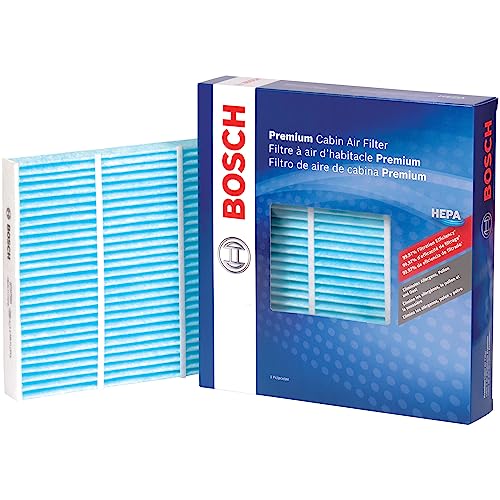
BOSCH 6091C HEPA Cabin Air Filter – Compatible with Select Buick Enclave, Encore GX; Cadillac XT4, XT5; Chevrolet Camaro, Cruze, Impala, Malibu, Silverado, Traverse; GMC Sierra, Terrain, Yukon + More
Bosch HEPA Premium Cabin Air Filters are designed and tested to meet High Efficiency Particulate Air (HEPA) standards…
As an affiliate, we earn on qualifying purchases.
As an affiliate, we earn on qualifying purchases.