
Fuel additives can sometimes improve engine performance, fuel efficiency, and reduce emissions, but their effectiveness really depends on your vehicle’s age, condition, and driving habits. While some users notice benefits, others see little change, and not all additives are proven to lower emissions long-term. Before using any product, it’s wise to check if it’s recommended by your manufacturer and consider environmental impacts. To get a clearer picture of how additives may suit you, keep exploring these key points.
Key Takeaways
- Effectiveness of fuel additives varies based on vehicle age, model, and driving habits; some users notice benefits, others see little change.
- Additives may improve engine performance and fuel efficiency temporarily but are not a universal solution for long-term issues.
- Not all additives are proven to reduce emissions; some may mask problems or introduce pollutants, affecting environmental impact.
- Proper vehicle maintenance often provides similar benefits at lower costs, making additives optional rather than essential.
- Always verify if an additive is recommended by your vehicle manufacturer and consider environmental and cost implications before use.
Fuel additives are marketed as solutions to improve engine performance, increase fuel efficiency, and reduce emissions. You might wonder if these claims hold up or if they’re just marketing hype. To figure that out, it’s important to consider how fuel additives impact the environment and whether they offer good value for your money. The environmental impact of using additives is complex. Some additives claim to clean fuel systems and reduce harmful emissions, which sounds beneficial. However, not all additives are created equal. Some contain chemicals that might improve engine operation temporarily but could also introduce pollutants into the environment over time. If you’re environmentally conscious, you’ll want to look into whether a specific additive is proven to lower emissions or if it simply masks problems temporarily. A thorough cost benefit analysis can help you decide if an additive is worth the investment. This involves weighing the upfront cost of the additive against the potential savings from improved fuel efficiency and reduced maintenance. For example, if an additive costs $10 but helps your vehicle run more smoothly, uses less fuel, and extends the life of parts like spark plugs or fuel injectors, then it might be a good deal. But if the benefits are marginal or short-lived, the cost might outweigh the gains. You should also consider how often you’d need to use the additive and whether regular maintenance could achieve similar results at a lower overall cost. It’s worth noting that some additives are formulated to prevent engine build-up, which can help maintain performance over time. Still, the actual impact varies depending on your vehicle’s age, model, and how you drive. While some users report noticeable improvements, others see little difference, which makes it essential to research specific products and read customer reviews. Keep in mind that additives aren’t a substitute for good vehicle maintenance; they’re more like an optional supplement. If your engine is already running well, adding an additive might not make a significant difference. Conversely, if your vehicle has performance issues caused by fuel system deposits, a well-chosen additive could help. Additionally, using electric bikes or other alternative transportation methods can reduce reliance on traditional fuel-powered engines. Ultimately, the decision hinges on a careful assessment of the additive’s proven benefits versus its costs and environmental implications. Always check if the additive is approved or recommended by your vehicle’s manufacturer to avoid unintended damage. In summary, while some fuel additives can provide benefits, they’re not a universal solution. A thoughtful cost benefit analysis, considering environmental impact and your vehicle’s specific needs, will guide you toward making an informed choice.
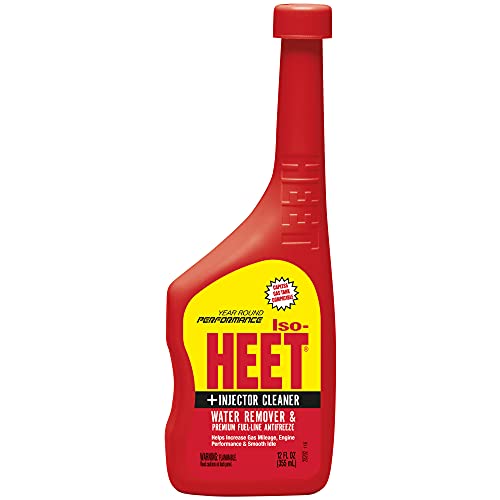
Heet Iso-HEET Water Remover And Premium Fuel Line Antifreeze + Injector Cleaner Helps Increase Gas Mileage Improves Engine Performance Year Round Performance, 12 fl. oz. (28202) , Red
PREMIUM WATER REMOVAL: Absorbs 5 times more water than regular gas-line antifreeze, providing superior fuel system protection and…
As an affiliate, we earn on qualifying purchases.
As an affiliate, we earn on qualifying purchases.
Frequently Asked Questions
Are Fuel Additives Safe for All Vehicle Types?
You might wonder if fuel additives are safe for all vehicle types. Generally, additive safety depends on proper use and vehicle compatibility. Some additives suit gasoline engines, while others are designed for diesel, so always check your vehicle’s owner manual. Using incompatible additives can cause issues. When you choose the right product for your vehicle and follow instructions, you minimize risks and guarantee additive safety across different vehicle types.
How Often Should I Use Fuel Additives?
You should follow the recommended frequency usage and dosage recommendations on the fuel additive packaging. Typically, use additives every 3,000 to 5,000 miles or as advised by your vehicle’s manufacturer. Avoid overusing them, as excessive frequency can cause build-up or damage. Check your owner’s manual for specific guidance, and only use the additive when necessary to maintain engine performance without risking harm.
Do Fuel Additives Improve Fuel Economy Significantly?
Fuel additives can improve your engine performance and fuel efficiency, but their impact varies. You might notice slight gains in fuel economy when using high-quality additives regularly, especially if your engine is dirty or running inefficiently. However, they generally don’t deliver dramatic improvements. To maximize benefits, follow the manufacturer’s instructions and maintain your vehicle properly. Remember, additives are a complement, not a substitute, for good maintenance and driving habits.
Can Fuel Additives Damage My Engine?
You might wonder if fuel additives can harm your engine. While some additives help reduce fuel system buildup, poorly formulated ones can cause engine corrosion or clog crucial parts. Always choose reputable products and follow instructions carefully. Using the wrong additive or overdoing it could lead to damage, so it’s best to research and select quality options. Proper use minimizes risks and keeps your engine running smoothly.
Are There Any Environmental Impacts From Using Fuel Additives?
You might wonder about environmental concerns when using fuel additives. While some additives help reduce emissions impact by cleaning engines and improving combustion, others can contain chemicals that may harm air and water quality. It’s important to choose products carefully, as improper use or low-quality additives could contribute to pollution. Always follow manufacturer instructions and consider eco-friendly options to minimize environmental impacts and support cleaner air.

Chevron Techron Concentrate Plus Fuel System Cleaner, 20 oz., Pack of 1
QUALITY ASSURED
As an affiliate, we earn on qualifying purchases.
As an affiliate, we earn on qualifying purchases.
Conclusion
So, next time you’re tempted to pour in that mysterious additive, remember: it’s probably just a fancy potion for your wallet. Sure, some claim it boosts performance, but most of us just want to believe in magic, right? If your car’s still running smoothly, maybe it’s not the additive’s fault—perhaps it’s just good old-fashioned luck. Either way, save your money and keep the tank full of good old gasoline—no potions required.

Lucas Oil 10003 Fuel Treatment – 1 Quart
The world’s #1 fuel additive for both gasoline and diesel engines
As an affiliate, we earn on qualifying purchases.
As an affiliate, we earn on qualifying purchases.
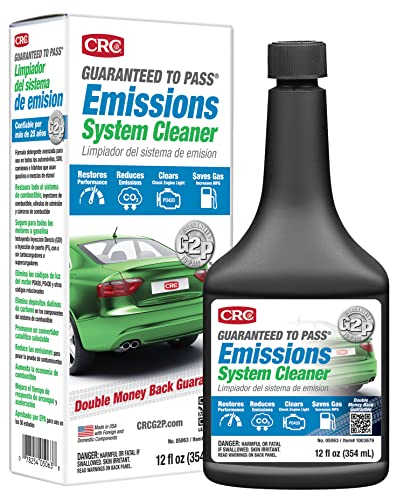
CRC Guaranteed to Pass Emissions Test Formula, 12 Fluid Ounce
GUARANTEED TO PASS: CRC's Guaranteed to Pass Emissions Test Formula reduces your car's emissions and improves power; performance;…
As an affiliate, we earn on qualifying purchases.
As an affiliate, we earn on qualifying purchases.