
Emission testing procedures differ widely across states, influenced by local environmental rules and vehicle types. Some states, like California, require annual, detailed smog checks using advanced tech, while others only test during registration or for certain vehicle classes. Procedures can include roadside inspections, dynamometer tests, or onboard diagnostics. Knowing your state’s specific methods helps keep your vehicle compliant and avoid penalties. Keep exploring how each state’s process works to make certain you’re always prepared.
Key Takeaways
- Emissions testing methods vary by state, including roadside tests, dynamometer tests, and onboard diagnostics.
- Testing frequency ranges from annual to biennial, depending on state regulations and vehicle type.
- Standards for passing differ, with California enforcing stricter, more comprehensive tests than many other states.
- Testing locations include state-operated centers, authorized repair shops, and mobile units accessible across regions.
- Post-test procedures typically involve obtaining a compliance certificate or repairing and re-testing if failed.

Understanding emissions testing procedures is essential if you want to guarantee your vehicle meets state regulations and avoid fines. Every state has its own process for vehicle inspection, which is designed to ensure vehicles comply with emissions standards. These standards are put in place to reduce air pollution and protect environmental quality, but the specifics of how your vehicle is tested can vary considerably depending on where you live. Some states require annual tests, while others only check vehicles during certain registration periods or if they’re flagged for issues. Knowing what to expect in your state helps you prepare and ensures a smooth testing experience.
Knowing your state’s emissions testing rules helps ensure compliance and a smooth vehicle inspection process.
In many states, the vehicle inspection involves a roadside or station-based emissions test. The process typically measures your vehicle’s exhaust emissions to determine whether they are within acceptable limits set by state regulations. Some states use dynamometer testing, where your car is driven on a treadmill-like device to simulate real-world driving conditions and measure emissions under load. Others rely on onboard diagnostic (OBD) systems, which check your vehicle’s computer for emissions-related fault codes. If your vehicle passes these tests, you’ll receive a certificate indicating compliance, which is often required for registration renewal. Additionally, emissions standards can be quite strict in some states, requiring more comprehensive testing procedures to ensure environmental safety.
The differences in emissions standards across states can be quite noticeable. For instance, California has some of the strictest regulations, requiring an annual smog check for most vehicles and employing advanced testing methods to ensure low emissions. Conversely, states with less dense populations or more lenient regulations might only require testing every two years or have fewer testing centers. This variation means that even if your vehicle is well-maintained, you should familiarize yourself with your state’s specific procedures. Some states have exemptions for certain vehicle types, such as electric or antique cars, but most gasoline-powered vehicles need to undergo emissions testing regularly.
Another key aspect to contemplate is the testing location. Many states operate designated testing centers, but some also allow inspections at authorized auto repair shops or mobile testing units. Knowing where you can get your vehicle inspected helps you plan ahead and avoid delays. Additionally, if your vehicle fails the emissions test, states often provide a window to make necessary repairs before re-testing at reduced or no additional cost. Staying informed about these procedures ensures you’re not caught off guard and helps you maintain compliance with emissions standards.

UMEIJA OBD2 Scanner with Upgrade Battery Tester – Diagnostic Tool for Cars That Check Engine Light & Emissions Readiness Read and Clears Vehicle Error Codes for All OBD II Protocol Vehicles Since 1996
Multi-Function: This code reader for cars and trucks is like a micro mechanic, which can quickly read and…
As an affiliate, we earn on qualifying purchases.
As an affiliate, we earn on qualifying purchases.
Frequently Asked Questions
How Do Emissions Testing Costs Vary Between States?
Emissions testing costs differ between states mainly because of variations in fee structures and local regulations. You might pay lower fees in states with streamlined processes, while others charge higher fees for more thorough testing. Factors like testing station availability and state subsidies influence cost variations. To save, check your state’s specific fees and procedures, since understanding these differences helps you budget accordingly and guarantees your vehicle stays compliant without overspending.
Are There Any Exemptions Available for Certain Vehicle Types?
Think of emissions testing as a gatekeeper, but some vehicle classifications get a VIP pass. You might find special exemptions for classic cars, electric vehicles, or motorcycles, sparing them from testing requirements. These exemptions serve as a break in the routine, recognizing certain vehicle types’ unique roles or lower emissions. Always check your state’s specific rules, because these special exemptions can vary widely, giving some vehicles a free pass through the emissions gate.
How Often Must Vehicles Undergo Emissions Testing in Different States?
You need to know that inspection intervals vary by state, typically ranging from once a year to every two years. Some states offer testing exemptions for certain vehicle types, like newer or vintage models, so check your local regulations. Stay proactive and schedule your emissions testing accordingly, ensuring your vehicle remains compliant and avoids fines. Regular testing helps reduce emissions and keeps your vehicle running smoothly.
What Are the Common Reasons for Emissions Test Failures?
You might fail emissions tests due to poor vehicle maintenance, like dirty air filters or malfunctioning sensors. Issues with testing technology, such as outdated or faulty equipment, can also cause failures. Common reasons include faulty oxygen sensors, clogged fuel injectors, or a malfunctioning catalytic converter. Regularly maintaining your vehicle and ensuring testing technology is up-to-date can help prevent failures and keep your vehicle running efficiently and within emissions standards.
How Do Testing Procedures Differ for Diesel Versus Gasoline Vehicles?
Ever wonder how testing differs for diesel versus gasoline vehicles? You’ll find that diesel vehicles must meet stricter diesel emission standards, often requiring additional tests like particulate matter measurement. Gasoline vehicle requirements focus more on hydrocarbons and carbon monoxide levels. Diesel tests tend to be more thorough due to higher pollution potential, making you realize that tailored procedures ensure both types meet environmental standards efficiently.
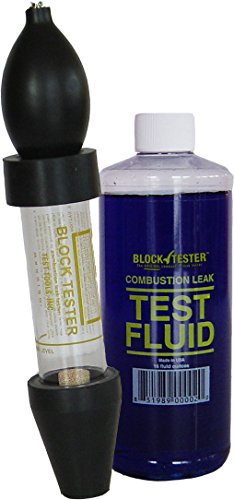
Block Tester BT-500 Head Gasket Combustion Leak Test Kit – Made in USA
Complete Combustion Leak Test Kit: Includes fluid and all necessary components with nothing more to buy for immediate…
As an affiliate, we earn on qualifying purchases.
As an affiliate, we earn on qualifying purchases.
Conclusion
Now that you’ve seen the different emissions testing procedures across states, you realize each method tells a story—one of environmental responsibility and local regulation. While procedures vary, the goal remains the same: cleaner air for everyone. By understanding these differences, you can better navigate your state’s requirements and contribute to a healthier planet. So, whether it’s a simple test or an all-encompassing inspection, remember that every step brings us closer to a greener future—one test at a time.

Handeful Grip Strength Tester, Hand Grip Dynamometer (198Lbs / 90Kgs), Electronic Handgrip Testing for Sports Home School Use
[Accurate Measurement] – This hand Grip Strength Tester is equipped with a high-precision strain gauge sensor for accurately…
As an affiliate, we earn on qualifying purchases.
As an affiliate, we earn on qualifying purchases.

OBD2 Scanner, CGSULIT SC103 Car Code Reader Diagnose Check Engine Light Smog Check DTCs Scan Tool Live Data Stream Voltage Test for Vehicles Since 1996
Your Trusted Check Engine Light Specialist – CGSULIT is a professional automotive diagnostic tool manufacturer recommended by well-known…
As an affiliate, we earn on qualifying purchases.
As an affiliate, we earn on qualifying purchases.