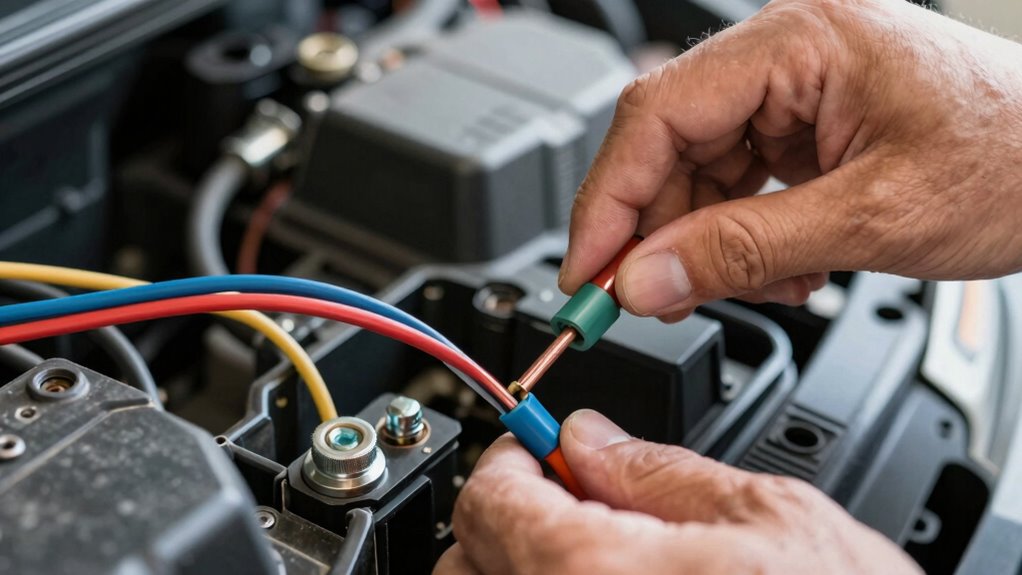

When working on DIY electrical projects, understanding fuse taps, grounding, and wire gauges is key to safety. Fuse taps let you add circuits safely by connecting new devices to existing ones without bypassing protection, as long as you use the correct fuse ratings. Proper grounding prevents shocks and fires, so secure connections to grounding points are crucial. Choosing the right wire gauge ensures your system handles the load safely. Keep these tips in mind to guarantee your projects are safe and reliable.
Key Takeaways
- Proper fuse tap installation ensures circuit protection, preventing overloads and fires while enabling safe addition of new devices.
- Correct grounding practices provide a safe path for faults, reducing shocks and electrical hazards in your system.
- Selecting the right wire gauge based on load capacity prevents overheating and ensures long-term safety and efficiency.
- Follow industry standards and double-check connections to avoid common mistakes like incorrect fuse ratings or loose wiring.
- Use tools like multimeters to verify circuit voltage and continuity, ensuring safe and reliable electrical system modifications.

Cooclensportey 16 Pack 4 Types Fuse Tap, Upgraded 12V Car Add a Circuit Fuse Tap Kit – Standard Mini Micro2 and Low Profile Mini Fuses Taps, ATO ATC ATM APM Fuses Adapter Jumper for Cars Trucks Boats
DUAL-SLOT FUSE HOLDER: The dual-slot fuse jumper connector provides two fuse holders, one fuse holder to protect existing…
As an affiliate, we earn on qualifying purchases.
As an affiliate, we earn on qualifying purchases.
What Is a Fuse Tap and Why Do You Need One?
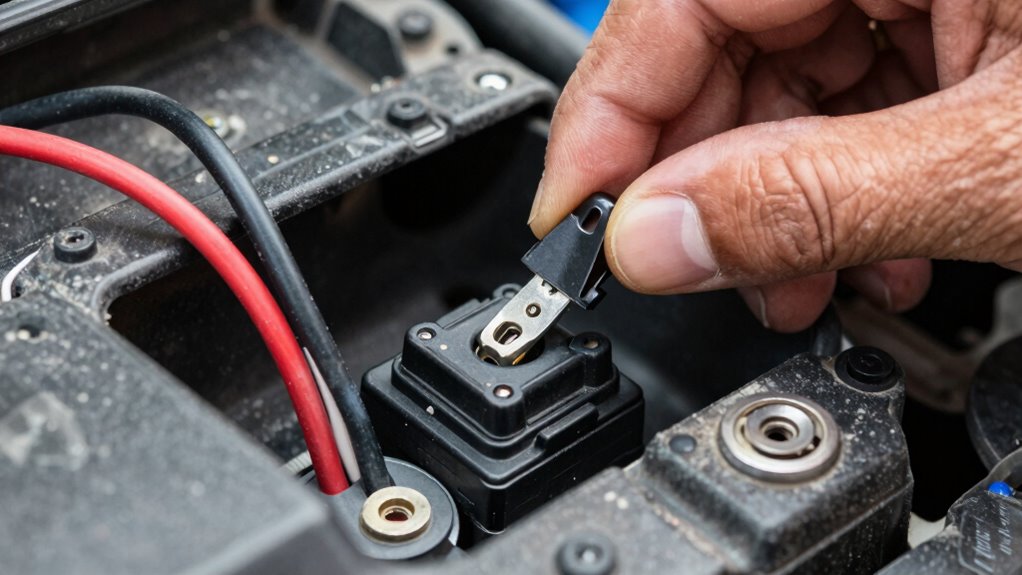
Have you ever needed to add a new electrical device to your vehicle or home but weren’t sure how to do it safely? That’s where a fuse tap comes in. It allows you to connect your new device directly to an existing circuit while maintaining proper circuit protection. Using a fuse tap ensures your system stays safe by respecting the correct fuse ratings, which protect against overloads and short circuits. Without a fuse tap, you might be tempted to bypass fuse protection, risking damage or fire. A fuse tap makes it easy to add circuits without rewiring. Just remember, selecting the right fuse ratings is vital—too high, and protection is compromised; too low, and your device might not work properly. Proper use keeps your electrical system safe and reliable.

AstroAI Digital Multimeter Tester 2000 Counts with DC AC Voltmeter and Ohm Volt Amp Meter; Measures Voltage, Current, Resistance, Continuity and Diode, Blue
Additional Tips – The following incorrect operations may cause the multimeter not to show results: Firstly, the plugs…
As an affiliate, we earn on qualifying purchases.
As an affiliate, we earn on qualifying purchases.
How to Install a Fuse Tap Safely in Your Vehicle or Panel

To install a fuse tap safely in your vehicle or panel, start by gathering the necessary tools and equipment, such as a fuse tap, a multimeter, and the correct replacement fuse. First, identify the appropriate fuse slot, considering fuse tap types like piggyback or add-a-circuit options. Use your multimeter to confirm the circuit’s power and make sure you’re working on the correct circuit. Insert the fuse tap into the chosen fuse slot, making sure it’s seated firmly. Connect grounding accessories if needed, but avoid touching grounding points during installation. Always replace the original fuse with a new one of the correct rating. Taking these steps ensures a safe, reliable connection without risking damage to your vehicle’s electrical system. Also, proper wiring gauges are crucial to prevent overheating and ensure long-term safety. Ensuring circuit compatibility helps avoid electrical faults and potential hazards. When working with electrical systems, understanding fuse ratings can prevent overloading and possible failures. Being aware of grounding techniques can further enhance the safety and stability of your electrical setup. Additionally, verifying the electrical system’s voltage ensures compatibility and prevents accidental damage during installation.

Professional Winged Ground Wire Connector Nuts with Hole by Dirvcp – 50-Pack of Spring Loaded Wire Nuts for Safe Electrical Connections
High current carrying capacity: The grounding connector boast outstanding current conductivity, enabling them to withstand high current loads…
As an affiliate, we earn on qualifying purchases.
As an affiliate, we earn on qualifying purchases.
Why Proper Grounding Matters and How to Do It Right

Proper grounding is essential for safety and equipment protection. If your system isn’t grounded correctly, you might notice flickering lights or frequent tripped breakers. Learning the right techniques and recognizing grounding issues can prevent accidents and keep your electrical system running smoothly. Additionally, understanding effective grounding techniques can help ensure your setup meets safety standards and reduces the risk of electrical shocks. Proper grounding also plays a role in minimizing issues caused by indoor air quality because electrical disturbances can sometimes contribute to dust and static buildup. Implementing reliable grounding methods from trusted sources can further enhance your system’s safety and longevity, especially when considering proper wiring gauges to handle different electrical loads safely. Using tested and approved grounding components can also improve overall system reliability and safety.
Proper Grounding Techniques
Ensuring proper grounding is essential because it provides a safe path for electrical faults, preventing shocks and fires. To achieve effective electrical grounding, use proper grounding techniques like connecting your grounding wire securely to a grounding rod or grounding bus bar. Make sure all connections are tight and corrosion-free, as loose or corroded connections can compromise safety. Use the correct gauge wire for grounding, typically heavier gauge for better conductivity. Avoid shortcuts like using inadequate wires or improper connections. Always verify that your grounding system is continuous and properly bonded to all metal parts that need grounding. Proper electrical grounding not only protects your equipment but also keeps you safe, so take the time to follow best practices and double-check every connection. Proper grounding techniques are crucial for maintaining safety and system integrity.
Signs of Grounding Issues
When grounding systems aren’t functioning correctly, you might notice warning signs that something’s wrong. Common grounding symptoms include frequent circuit breaker trips, lingering electrical shocks, or flickering lights. You may also see appliances or outlets feel warm or produce a humming sound, indicating poor electrical grounding. Poor grounding can compromise safety, increasing the risk of electrical shocks or fires. If you encounter these signs, it’s a clear indicator that your electrical grounding isn’t working properly. Proper electrical grounding helps protect you by directing excess current safely to the ground. Additionally, inadequate grounding can impact your indoor air quality because improperly grounded systems can cause electrical arcing that may contribute to dust and particulate buildup. Understanding grounding system issues is essential for maintaining overall electrical safety. Regular inspections of your electrical system can help detect issues early before they become dangerous. Ignoring these symptoms can lead to serious hazards, such as electrical fires or equipment damage. Regularly inspecting your grounding system and addressing issues promptly ensures your electrical system remains safe and effective. Always prioritize correct grounding for reliable electrical performance and safety.
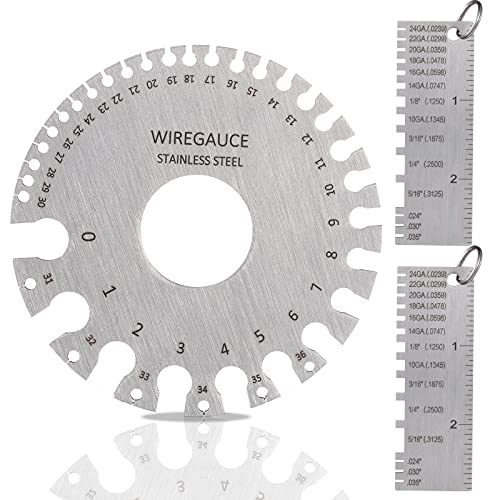
Young4us Metal Sheet Thickness Gauge & Dual-Sided Round Metal Sheet Gauge – Wire Measurement Tool Stainless Steel Welding Gage Material Wire Thickness Gage (Set of 3)
Value Pack:2pcs metal sheets welding thickness gauge and 1pc round dual sided wire cable sheet gage in one…
As an affiliate, we earn on qualifying purchases.
As an affiliate, we earn on qualifying purchases.
How to Choose the Right Wire Gauge for Your Electrical Projects

Choosing the right wire gauge is essential for safe and efficient electrical projects, as using the incorrect size can lead to overheating, voltage drops, or even fires. When doing wire gauge selection, start by considering your electrical load considerations—how much current your device or circuit requires. Thicker wires (lower gauge numbers) are suitable for higher loads, while thinner wires (higher gauge numbers) handle lighter loads. Always check the ampacity ratings and follow local electrical codes. Using an undersized wire can cause excessive heat, risking damage or fire, while oversized wires may be unnecessarily expensive or cumbersome. Proper wire sizing involves understanding the specific requirements of your project and adhering to established safety guidelines. For added safety, consider proper wire sizing to match the circuit’s electrical load and prevent potential hazards. When in doubt, consult a professional or refer to reliable wiring charts.
Common Mistakes When Installing Fuse Taps and Grounding: And How to Avoid Them
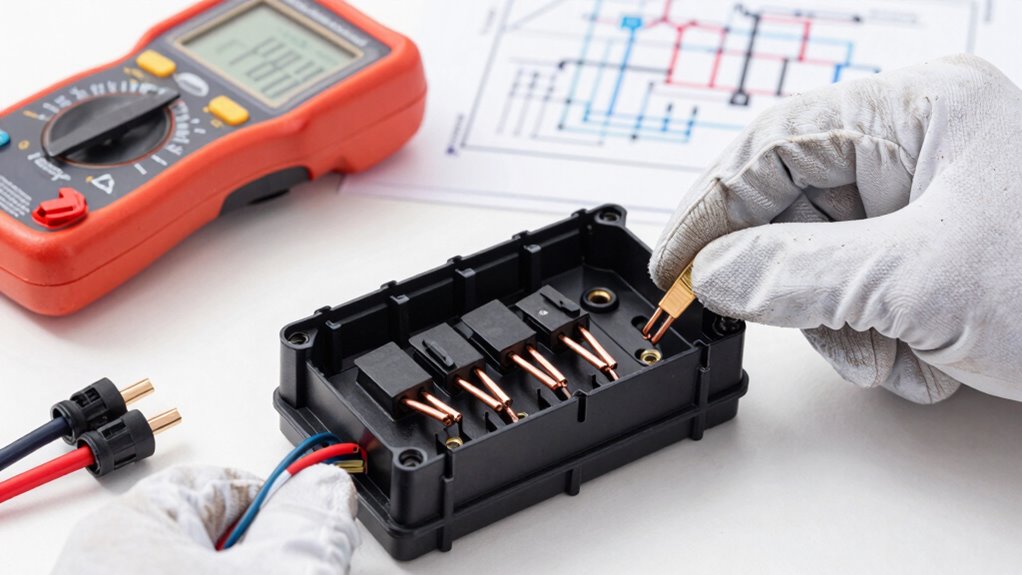
Installing fuse taps and grounding connections incorrectly can lead to serious safety hazards, including electrical fires and equipment damage. Common grounding hazards often stem from improper grounding techniques, such as loose or exposed wires, which increase the risk of short circuits. Proper grounding techniques are essential to ensure safety and compliance with electrical standards. Using the correct tools and following industry safety guidelines can significantly reduce these risks. Fuse tap errors, like overloading the circuit or using the wrong fuse size, can cause fuse blowouts or damage your electrical system. To avoid these mistakes, always double-check your connections, ensure the ground wire is securely attached to a proper grounding point, and use the correct fuse ratings for your devices. Never bypass safety features or skip testing your setup before full use. Proper attention to detail helps prevent grounding hazards and ensures your DIY project remains safe and reliable. Using the correct wire gauge is also essential for safely handling electrical loads and preventing overheating. Additionally, understanding electrical codes and standards can guide you in making safe, compliant installations. Being familiar with grounding hazards and how to mitigate them is crucial for maintaining a safe electrical environment.
Troubleshooting Electrical Issues in Your DIY Projects
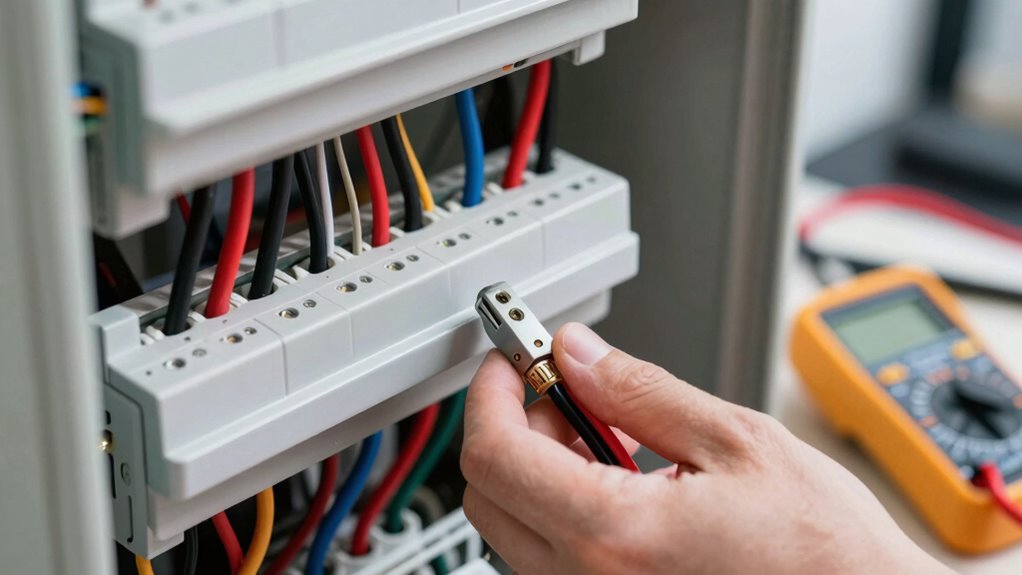
Troubleshooting electrical issues in your DIY projects requires a methodical approach to identify and resolve problems efficiently. Start by inspecting for circuit overloads, which can cause breaker trips or dimming lights. Check if too many devices are connected to a single circuit, and reduce the load accordingly. Next, verify wiring color coding to ensure all connections match standard conventions—black or red for hot, white for neutral, and green or bare for ground. Miswired components can lead to shorts or malfunction. Use a multimeter to test for continuity and proper voltage levels. Always turn off power before inspecting or adjusting wiring. Additionally, considering proper wiring practices such as secure connections and proper insulation can help prevent issues caused by environmental factors affecting your wiring. Proper wiring techniques are essential for safety and longevity of your electrical system. By systematically checking for overloads and confirming correct wiring, you’ll troubleshoot effectively and maintain safe, reliable electrical systems in your DIY projects.
Frequently Asked Questions
Can I Use a Fuse Tap for High-Current Applications?
You shouldn’t use a fuse tap for high-current applications because fuse tap durability is limited, and they aren’t designed to handle large loads. High current considerations mean you need dedicated wiring and proper circuit protection. Relying on a fuse tap in these situations risks overheating or damage. Instead, install a dedicated circuit with appropriate wire gauges and fuse ratings to guarantee safety and reliability.
What Safety Equipment Should I Use During Electrical Installations?
You should wear personal protective equipment like insulated gloves and safety goggles to safeguard yourself during electrical installations. Always use proper electrical testing tools, such as a multimeter and voltage tester, to guarantee circuits are safe before working. These safety measures help prevent shocks and accidents, especially when handling live wires. Never skip protective gear or testing procedures, and always follow safety protocols to keep yourself safe throughout the installation process.
How Long Do Fuse Taps Typically Last Before Replacement?
Fuse taps usually last between 5 to 10 years, but their lifespan depends on factors like electrical load and quality. You should check them periodically for signs of wear, corrosion, or damage. Replacement frequency varies, but it’s wise to substitute fuse taps if you notice any issues or after a major electrical upgrade. Regular inspection ensures safety and reliable performance, preventing potential electrical failures or hazards.
Are There Specific Wire Gauges Recommended for Outdoor Projects?
For outdoor wiring, you should use wire gauge selection that matches the current load and weather conditions. Generally, 12-gauge wire works well for most outdoor projects like lighting or outlets, while 10-gauge is suitable for heavier loads. Make sure to choose outdoor-rated, weatherproof wiring to prevent damage from moisture and UV rays. Always follow local electrical codes and consult a professional if you’re unsure about the correct gauge for your specific outdoor wiring needs.
How Can I Tell if My Grounding Is Properly Done?
Imagine a sturdy, unbreakable anchor holding your boat in place—that’s what proper grounding safety provides for your electrical system. To tell if your grounding is properly done, perform a grounding inspection: verify the ground wire is securely connected to a grounded metal part, check for corrosion or loose connections, and test with a multimeter for continuity. Proper grounding safeguards your system, giving you peace of mind during every electrical surge.
Conclusion
Mastering fuse taps, grounding, and wire gauges keeps your projects safe—like a well-tuned engine. But rushing through installation or ignoring safety can turn your DIY into a disaster, much like a car running on empty. Take your time, follow the steps, and double-check your work. When you prioritize safety and precision, your electrical projects run smoothly, giving you confidence and peace of mind—because in DIY, a little caution goes a long way.