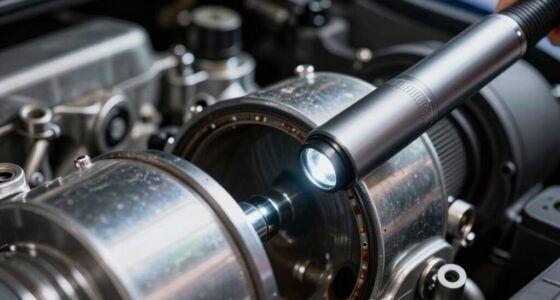
To clean your EGR valve yourself, first locate it near the intake manifold and disconnect any hoses or electrical connectors carefully. Remove the valve and inspect for carbon buildup or grime. Use a gasket scraper and cleaner to remove deposits, then rinse or wipe it clean. Once dry, reinstall the valve with a new gasket if needed, reconnect everything, and start your engine. If you want detailed step-by-step instructions, keep going to learn more.

Get business pricing on garage and car supplies
- Business-only prices and quantity discounts
- Tax-exempt purchasing
- Multiple users, one account, clear invoices
Key Takeaways
- Locate the EGR valve near the intake manifold and disconnect connected hoses and electrical connectors carefully.
- Remove the EGR valve using appropriate tools, ensuring the gasket is saved or replaced if damaged.
- Apply carburetor or specialized EGR cleaner to carbon deposits, letting it sit before scrubbing with a wire brush or gasket scraper.
- Rinse or wipe the EGR valve clean, dry thoroughly, and inspect for remaining buildup or damage.
- Reinstall the EGR valve with a new gasket if needed, reconnect hoses and electricals, then test the engine for proper operation.
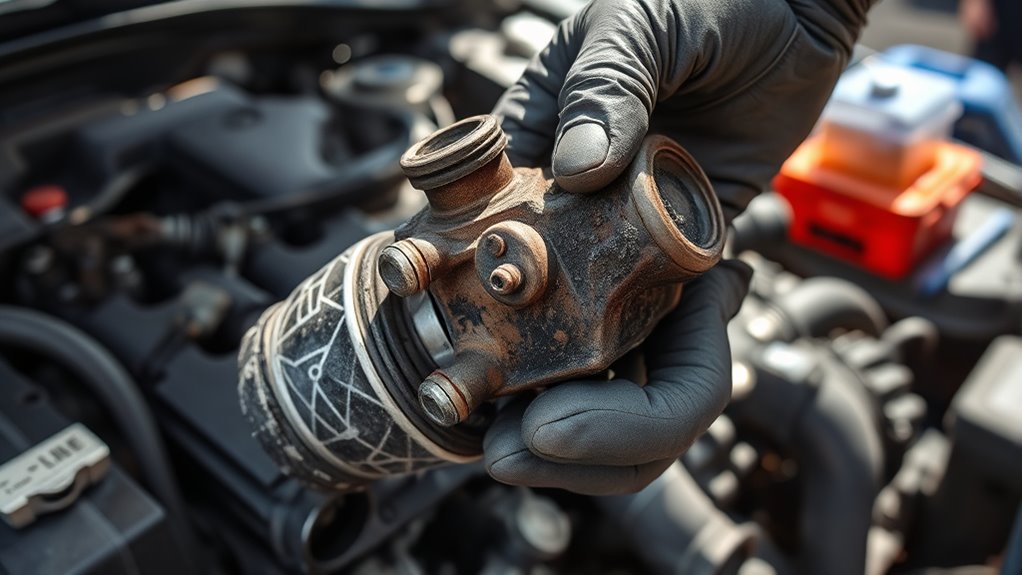
Have you noticed your engine running rough or experiencing reduced fuel efficiency? These signs can point to issues with your EGR system, and taking the time to perform DIY EGR valve cleaning can make a significant difference. The EGR (Exhaust Gas Recirculation) valve helps reduce emissions, but over time, carbon buildup can cause it to stick or malfunction, leading to poor engine performance. Regular EGR system maintenance isn’t just about emissions; it directly impacts your vehicle’s efficiency and longevity. Cleaning the EGR valve yourself is a cost-effective way to keep your engine running smoothly and can help you implement fuel efficiency tips that save you money at the pump.
Start by gathering the necessary tools and parts: a socket set, a gasket scraper or wire brush, carburetor cleaner or a specialized EGR cleaner, and a new gasket if needed. Before diving in, ensure the engine is cool to avoid burns or injuries. Disconnect the negative terminal of your battery for safety. Locate the EGR valve—it’s usually mounted near the intake manifold and connected to vacuum hoses or electrical connectors. Consult your vehicle’s manual if you’re unsure. Once located, carefully disconnect any hoses or electrical connectors attached to the EGR valve.
Next, remove the EGR valve from the engine. Be gentle to avoid damaging the gasket or surrounding parts. Once free, inspect the valve for carbon deposits and grime. Use a gasket scraper or wire brush to remove stubborn buildup. Apply a generous amount of carburetor cleaner or a dedicated EGR cleaner to loosen remaining deposits. Let it sit for a few minutes, then scrub gently until the valve is clean. Rinse with clean water or wipe with a clean rag, making sure no debris remains. Dry the valve thoroughly before reinstalling to prevent any contamination.
When reinstalling, replace the gasket if it’s worn or damaged to ensure a proper seal. Reattach the EGR valve, reconnect hoses and electrical connectors, and tighten all bolts securely. Reconnect the battery and start the engine. Check for leaks or abnormal engine behavior. After cleaning, you might notice smoother idling and better acceleration, which confirms your DIY effort paid off. Additionally, understanding how the contrast ratio affects image quality can help you evaluate the effectiveness of your cleaning process, similar to assessing a projector’s performance.
Incorporating regular EGR system maintenance into your vehicle care routine is a simple yet effective way to improve performance and fuel efficiency. Not only does this help your engine breathe better, but it also supports fuel efficiency tips by reducing carbon buildup that hampers combustion. Keeping your EGR valve clean prevents costly repairs down the line and helps your vehicle operate at peak efficiency. With a little effort, you can maintain your car’s health, save money on fuel, and enjoy a smoother ride.
As an affiliate, we earn on qualifying purchases.
Frequently Asked Questions
How Often Should I Clean My EGR Valve?
You should clean your EGR valve every 50,000 to 75,000 miles as part of regular EGR system maintenance. This helps prevent carbon buildup that can affect your vehicle’s performance. Regular cleaning also improves fuel efficiency tips, ensuring your engine runs smoothly. Keep an eye on rough idling or decreased power, which might indicate it’s time for an EGR valve check. Consistent maintenance keeps your engine running efficiently.
Can I Clean the EGR Valve Without Removing It?
You can clean the EGR valve without removing it by using chemical cleaning methods. First, spray a specialized EGR cleaner onto the valve while it’s still in place. Let it sit for a few minutes, then use a brush or compressed air to remove carbon deposits. However, for a thorough clean, EGR valve removal is recommended, especially if buildup is extensive. Always follow manufacturer instructions for safe, effective cleaning.
What Tools Are Essential for EGR Valve Cleaning?
To tackle EGR valve cleaning, you’ll need essential tools like screwdrivers, socket wrenches, and pliers for a precise process. Start with a toolkit to tackle tasks confidently, then use carburetor cleaner or a soft wire brush for thorough cleaning. These tools help dismantle, detangle, and deliver a detailed cleaning process. Proper preparation prevents problems, proving that a well-equipped toolkit transforms tedious tasks into tidy triumphs.
Are There Any Risks of Damaging the EGR Valve During Cleaning?
Yes, there’s a risk of damaging the EGR valve during cleaning, especially if you handle it roughly or use harsh chemicals. You might cause EGR valve corrosion or sensor damage if you’re not careful. To avoid issues, gently clean the valve, avoid applying excessive force, and use appropriate cleaning solutions. This careful approach helps prevent corrosion and sensor problems, ensuring your EGR system functions correctly afterward.
How Can I Tell if My EGR Valve Needs Cleaning?
Imagine your engine’s breathing becomes shallow—that’s a sign your EGR valve might need cleaning. Common EGR valve symptoms include rough idling, poor acceleration, and increased emissions. Check your owner’s manual for recommended cleaning frequency, usually every 50,000 miles. If these symptoms appear, it’s time to inspect and clean the EGR valve. Regular maintenance prevents buildup and keeps your engine running smoothly, saving you costly repairs down the road.
Conclusion
Cleaning your EGR valve yourself is like giving your engine a breath of fresh air—simple, satisfying, and cost-effective. With a few tools and a bit of patience, you can restore your vehicle’s performance and extend its lifespan. Don’t let grime build-up choke your engine’s potential; instead, take control and keep things running smoothly. After all, a clean EGR valve is the key to a healthier engine and a happier ride.
Fall Picks
fall essentials
As an affiliate, we earn on qualifying purchases.