To flush your radiator, first confirm the engine is completely cool and locate the drain plug at the bottom. Place a container underneath and carefully open the drain to release old coolant. Fill the radiator with a flush solution or water, then start your engine with the heater on high and run for 10-15 minutes. After it cools, drain the system again, refill with clean water, and repeat if needed. Continuing further helps keep your cooling system in top shape.
Key Takeaways
- Ensure the engine is completely cool before beginning, then locate and drain the old coolant from the radiator.
- Fill the radiator with a flushing solution or water, start the engine, and run for 10-15 minutes with the heater on high.
- Turn off the engine, allow it to cool, then fully drain the flush solution from the radiator.
- Rinse the system with clean water by refilling, running briefly, then draining to remove residual debris.
- Refill with fresh coolant, bleed the system to remove air, and check for leaks to complete the flush.
Have you noticed your vehicle running hotter or coolant leaks? If so, it might be time to consider flushing your radiator. Over time, the coolant in your car breaks down, becomes contaminated, and loses its ability to protect your engine from overheating. This is where understanding coolant lifespan and radiator maintenance becomes essential. Coolant doesn’t last forever; typically, it should be replaced every 30,000 to 50,000 miles, but this can vary depending on your vehicle and driving conditions. Regular radiator maintenance ensures that your cooling system functions properly, preventing costly repairs down the line. Flushing your radiator is a key part of this upkeep, helping to remove rust, dirt, and old coolant that can clog the system.
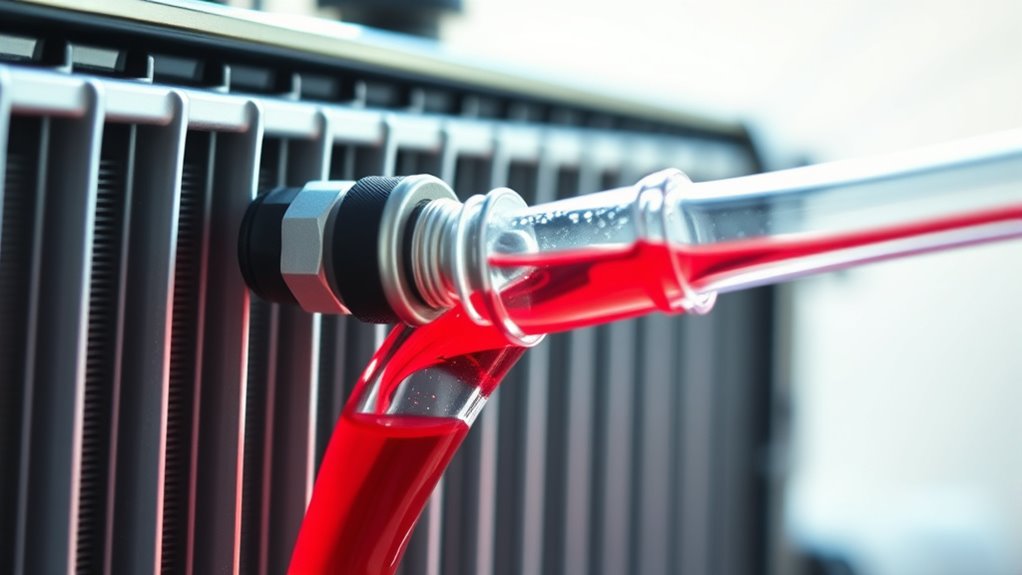
To start, make sure your engine is cool. Opening a hot radiator can cause serious burns from hot coolant under pressure. Once cooled, locate the radiator drain plug, usually at the bottom of the radiator. Place a container underneath to catch the old coolant as you open the drain. Carefully unscrew the plug and let the old coolant drain out completely. Next, close the drain plug securely. Now, fill the radiator with a radiator flush solution or a mixture of water and a cleaning agent designed for cooling systems. Start your engine and let it run for about 10-15 minutes with the heater on high. This process helps circulate the flush through the entire system, breaking down any deposits and rust that may have accumulated. Proper maintenance of your cooling system can significantly extend its lifespan and prevent unexpected breakdowns.
After the engine cools again, drain the flush solution the same way you did with the old coolant. Once drained, refill the radiator with clean water and run the engine for a few minutes to flush out any remaining residue. Drain the water completely and inspect the inside of the radiator if possible, making sure it’s clear of debris. Now, refill the radiator with fresh coolant, following your vehicle manufacturer’s specifications for the right type and mixture. Don’t forget to bleed the system if necessary—air pockets can cause overheating and reduce cooling efficiency. Proper radiator maintenance, including regular flushing, extends your coolant’s lifespan and keeps your engine temperature in check.
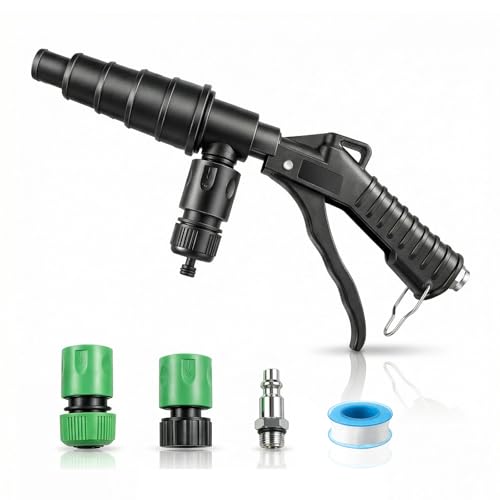
QUFYSK Coolant Flush Gun, Lever Action Heater Core Flush Kit, Coolant Flush Kit for Automotive Coolant Flush, Air and Water Radiator Flush Kit with Nozzles for 19-40mm Hoses
- Heater Core Flush Kit: Includes gun, adapters, and sealant tape
- Efficient Cleaning Power: Combines water and compressed air for strong flushing
- Universal Compatibility: Fits various hoses and includes multiple vent adapters
As an affiliate, we earn on qualifying purchases.
As an affiliate, we earn on qualifying purchases.
Frequently Asked Questions
How Often Should I Flush My Radiator?
You should flush your radiator every 1 to 2 years as part of regular radiator maintenance. This helps remove rust, debris, and old coolant, ensuring peak cooling system performance. During the flush, replace the coolant to prevent corrosion and overheating. Regular coolant replacement and radiator maintenance keep your engine running smoothly and extend the life of your cooling system. Don’t wait too long—staying on schedule prevents costly repairs later.
Can I Flush My Radiator Without Professional Help?
Imagine your radiator as a garden needing fresh water—yes, you can do a DIY maintenance to keep it healthy. You don’t need a professional; just follow proper steps. Start by choosing the right coolant types, drain the old fluid, and flush with water. With care, you can safely flush your radiator yourself, ensuring your cooling system stays efficient without risking damage or leaks.
What Signs Indicate My Radiator Needs Flushing?
You’ll know your radiator needs flushing if you notice coolant contamination, such as a cloudy or discolored fluid, or if your engine overheats frequently. Radiator corrosion can also cause leaks or reduced cooling efficiency. Keep an eye out for these signs, and don’t ignore them—flushing your radiator promptly helps prevent further damage and keeps your engine running smoothly. Regular maintenance saves you money and hassle down the road.
What Type of Coolant Should I Use After Flushing?
You should use a coolant that’s compatible with your vehicle’s make and model for peak performance. Check your owner’s manual for recommended coolant types to guarantee coolant compatibility. Opt for eco-friendly or low environmental impact coolants when possible, as they reduce environmental impact. Always mix the coolant with distilled water if required, and avoid using plain water alone, which can cause corrosion and damage over time.
Are There Risks of Damaging the Radiator During Flushing?
You risk turning your radiator into a ticking time bomb if you’re not careful! During flushing, aggressive techniques can cause radiator corrosion or flushing complications that lead to leaks or cracks. To avoid damage, use gentle flushing methods, don’t rush the process, and make certain you thoroughly drain and refill with the right coolant. Proper care prevents costly repairs and keeps your cooling system running smoothly for miles.
Conclusion
Now that you know how to flush your radiator, think of it as giving your car a revitalizing drink after a long journey. Just like a breath of fresh air revives your spirit, a clean radiator keeps your engine humming smoothly. Regular maintenance is the heartbeat of your vehicle’s health, ensuring it runs like a well-oiled symphony. So, take charge and keep your car’s heart strong—your engine will thank you every mile of the way.