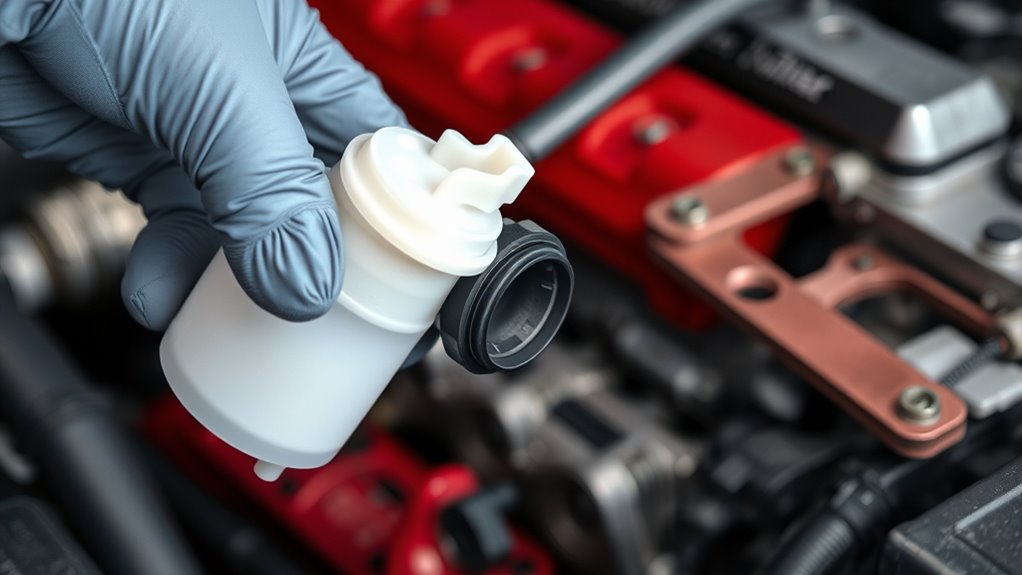

To replace your windshield washer fluid pump, first locate it near the reservoir, which is a translucent plastic tank. Turn off your vehicle and disconnect the electrical connector by gently pressing the tab. Remove the old pump either by unclipping or unscrewing it, then compare it with the new one to verify compatibility. Insert the new pump securely, reconnect the electrical plug, and refill the reservoir if needed. Turn on your vehicle and test the system—more tips follow if you want to get it just right.

Get business pricing on garage and car supplies
- Business-only prices and quantity discounts
- Tax-exempt purchasing
- Multiple users, one account, clear invoices
Key Takeaways
- Locate the washer fluid pump near the translucent reservoir and confirm its position and connection points.
- Turn off the vehicle, disconnect electrical wiring, and remove the old pump from the reservoir carefully.
- Compare the new pump with the old one for compatibility before installation.
- Insert the new pump securely, reconnect electrical connectors, and ensure it is properly seated.
- Test the system by activating the washer to confirm proper fluid spray and pump operation.
If your windshield washer isn’t squirting fluid like it used to, it’s likely time to replace the washer fluid pump. The first thing you need to do is locate the pump, which is usually situated near the fluid reservoir. This reservoir holds the washer fluid and supplies it to the nozzles through a network of hoses. Before you start any work, make sure your vehicle is turned off, and the engine is cool. Opening the hood, find the fluid reservoir—usually a translucent plastic tank with a cap labeled “washer fluid.” Once located, check the fluid level; if it’s full, but the washer still isn’t working, then the pump is probably the issue.
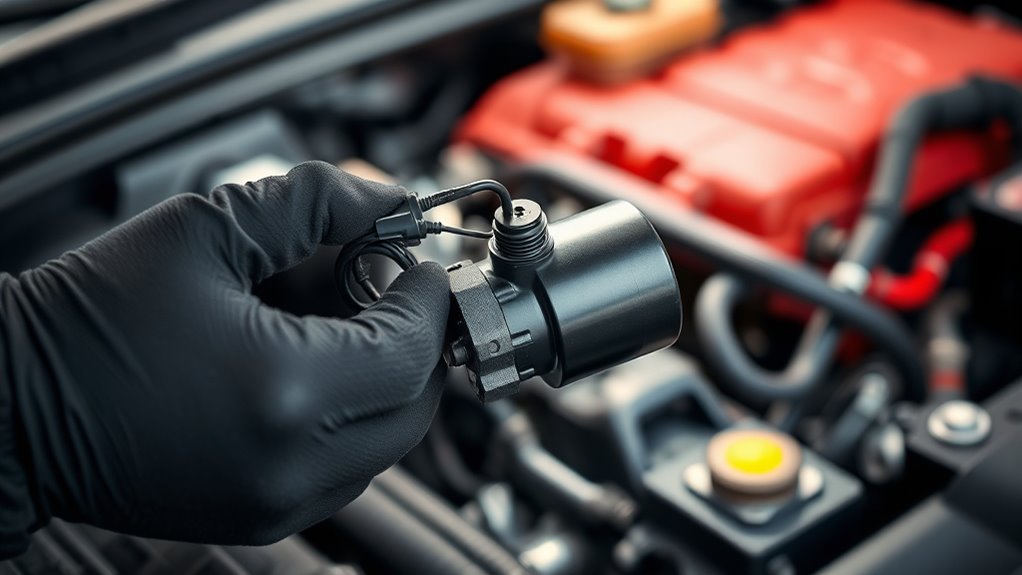
To remove the old pump, you’ll need to disconnect the electrical connections first. These are typically small plug-in connectors that supply power to the pump. Gently press the release tab and pull the connector away from the pump. Be careful not to pull on the wires directly to avoid damaging the connection. Next, examine how the pump is attached to the reservoir. Many pumps are either clipped or screwed into place. If it’s clipped, you can usually pry it off with a flat-head screwdriver. If it’s screwed in, use a socket wrench or screwdriver to unscrew it. Once the pump is free, lift it out of the reservoir, taking note of how it’s positioned.
Before installing the new pump, compare it to the old one to ensure they match in size and connector type. Insert the new pump into the fluid reservoir, making sure it’s seated securely. Reconnect the electrical connections by plugging the connector back into the new pump. Double-check that the connection is firm and properly aligned to ensure continuous power supply. After installing the new pump, fill the reservoir with washer fluid if needed, then turn on your vehicle and activate the windshield washer system. Watch to see if the fluid squirts out properly. If it doesn’t, recheck your electrical connections and make sure the pump is properly seated. Remember that understanding the basic layout of your vehicle can make this task much easier.
Replacing the washer fluid pump is a straightforward task if you understand the basic layout. Always handle electrical connections carefully, and make sure the pump is fitted tightly to prevent leaks. With the new pump in place, you’ll restore your windshield’s cleaning power, helping you see clearly on the road.
windshield washer fluid pump replacement kit
As an affiliate, we earn on qualifying purchases.
As an affiliate, we earn on qualifying purchases.
Frequently Asked Questions
How Do I Diagnose a Faulty Windshield Washer Pump?
You can diagnose a faulty windshield washer pump by first checking the pump electrical. Make sure the fuse is intact and the wiring connections are secure. Then, activate the washer switch; if there’s no fluid spray, test for fluid pressure at the nozzles. If the pump runs but fluid doesn’t spray, it may be clogged or the pump isn’t generating enough pressure, indicating a faulty pump.
Can I Use Any Washer Fluid With the New Pump?
You can’t use just any washer fluid with your new pump, as washer fluid compatibility is important. Stick to a fluid that’s designed for your climate and vehicle, ensuring it won’t damage the pump or windshield. During pump installation, follow tips like securing connections tightly and checking for leaks. Using the right fluid and proper installation practices helps keep your windshield clear and your pump functioning smoothly.
How Long Does It Typically Take to Replace the Pump?
Think of it like fixing a vintage radio—pump replacement usually takes about 30 to 60 minutes, depending on your skill level. You’ll want to follow troubleshooting techniques to make certain everything’s connected properly. Gather your tools, disconnect the battery, and carefully remove the old pump. With patience, you can complete the replacement efficiently. Rushing might cause issues, so take your time to avoid any future problems.
Are There Specific Tools Required for This Replacement?
You’ll need basic tools like screwdrivers and pliers, and possibly a socket wrench for this replacement. Check your vehicle’s manual for compatibility considerations to guarantee you get the right pump. Tools needed vary depending on your car’s make and model, so confirm before starting. Being prepared with the proper tools helps the job go smoothly and prevents damage to your vehicle’s components.
Is It Safe to Drive With a Malfunctioning Washer Pump?
Driving with a malfunctioning washer pump isn’t safe, especially if you notice a washer fluid leak or suspect an electrical issue. Without proper washer fluid, your visibility can be compromised, increasing your risk on the road. It’s best to get it checked and repaired promptly. Ignoring the problem might lead to further electrical damage or a complete failure of the washer system, making driving hazardous in poor weather conditions.
Conclusion
Now, with the new pump humming softly, you’ll see the world clearly again through streak-free glass. Imagine the windshield as a canvas, washed clean by your hands, revealing every detail with crisp clarity. Replacing the pump might seem small, but it restores your connection to the road, ensuring your view stays unobstructed under any weather. With this simple fix, you’re back in control, ready to face whatever the journey throws your way.
Fall Picks
fall essentials
As an affiliate, we earn on qualifying purchases.