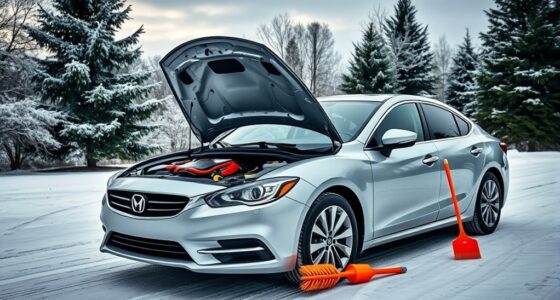
As fall approaches, it’s essential to prepare your tires for slick and unpredictable roads. Check your tire pressure regularly, ensuring they’re properly inflated to prevent underinflation caused by cold weather. Inspect tread depth using a penny—if Lincoln’s head shows, it’s time for new tires. Look for damage and uneven wear, and consider scheduling professional rotations and inspections. Staying on top of these steps will help you stay safe on wet and slippery surfaces; there’s more to know to keep you fully prepared.
Listen free for 30 days with Audible
Thousands of audiobooks and originals — cancel anytime.
As an affiliate, we earn on qualifying purchases.
Key Takeaways
- Check and adjust tire pressure regularly to prevent underinflation caused by cold weather contraction.
- Inspect tread depth using a penny test; ensure sufficient grip for wet and snowy conditions.
- Look for visible damage like cracks, cuts, or punctures, and remove debris that could hide issues.
- Rotate tires periodically to promote even wear and prolong tire lifespan.
- Schedule professional inspections before winter to assess overall tire health and prepare for slick roads.
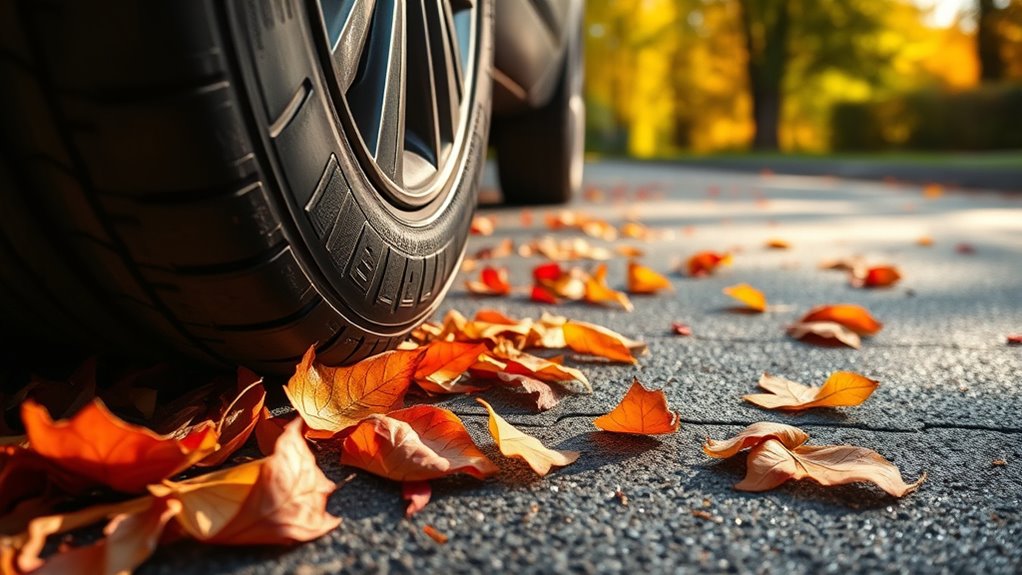
As the leaves change and temperatures begin to drop, it is essential to shift your focus to fall tire care. During this season, your tires face unique challenges that can impact your safety on slick, wet roads. One of the most important steps you can take is to check your tire pressure regularly. Cold weather causes air to contract, which can lead to underinflated tires if you haven’t adjusted the pressure accordingly. Underinflated tires not only reduce fuel efficiency but also compromise your vehicle’s grip on wet surfaces, increasing the risk of hydroplaning. Use a reliable tire pressure gauge to verify each tire matches the manufacturer’s recommended psi, usually found on a sticker inside the driver’s door. Maintaining proper tire pressure improves traction, handling, and overall safety as you navigate slippery roads.
Check your tire pressure regularly this fall to ensure safety on wet, slippery roads and prevent hydroplaning.
Equally important is inspecting your tread depth. As tires wear down over time, their ability to channel water away diminishes, making your vehicle more susceptible to hydroplaning in rainy or snowy conditions. You should perform a simple tread test by inserting a penny into the tire’s grooves with Lincoln’s head upside down. If you can see the top of Lincoln’s head, it’s time to replace your tires. Adequate tread depth is essential for maintaining grip and preventing accidents on slick surfaces. Don’t ignore uneven wear patterns either, as they can indicate misalignment or suspension issues that further impact your traction.
Beyond checking pressure and tread, take the time to inspect your tires for any visible damage, such as cuts, punctures, or cracks. Cold weather can exacerbate existing issues, leading to blowouts or loss of control. Keep your tires clean by removing debris, mud, or snow that can hide problems or cause uneven wear. Additionally, regular tire rotations help ensure even wear across all tires, prolonging their lifespan and maintaining optimal traction. Remember, tires are your primary contact with the road, so ensuring they are in top condition is fundamental for safe driving through fall’s unpredictable weather.
Lastly, consider scheduling a professional tire inspection before the season’s worst weather hits. A trained technician can accurately assess your tire’s condition and recommend replacements if necessary. Properly maintained tires not only improve your safety but also extend their lifespan, saving you money in the long run. As you prepare for the fall months, focus on these tire care basics—checking tire pressure and tread depth—so you can confidently tackle slick roads with peace of mind.
As an affiliate, we earn on qualifying purchases.
Frequently Asked Questions
When Should I Replace My Tires for Fall Driving?
You should replace your tires when the tread depth drops below 2/32 inch, especially before fall driving begins. Check your tires regularly and follow your tire rotation schedule to guarantee even wear. If you notice uneven tread wear or cracks, it’s time for new tires. Properly maintained tires with adequate tread help you stay safe on slick roads, so don’t delay replacing them when they’re worn out.
How Can I Tell if My Tires Are Winter-Ready?
You can tell if your tires are winter-ready by checking the tire tread depth—if it’s below 6/32 inch, it’s time for new tires. Also, look for cold weather indicators like cracks or hardening of the rubber, which suggest your tires may not perform well in icy conditions. verify your tires have proper grip, and consider switching to winter tires if these signs appear.
Are All-Season Tires Suitable for Wet Fall Conditions?
Like a trusted captain steering stormy seas, your all-season tires can handle wet fall conditions, but only if their tread wear isn’t worn thin. They offer decent wet traction and tire durability, yet aren’t specialized like winter tires. For safety’s sake, check the tread depth and consider switching to dedicated winter tires if you encounter persistent rain or icy patches. Better safe than caught in a squall.
How Often Should I Check Tire Pressure in Fall?
You should check your tire pressure at least once a month during fall, especially with changing temperatures affecting inflation. Regularly inspect your tire tread depth to guarantee proper traction on wet roads. Also, consider tire rotation every 5,000 to 8,000 miles to promote even wear. Keeping these up helps maintain peak grip and safety, reducing the risk of hydroplaning on slick fall roads.
What’s the Best Way to Store Summer Tires During Fall?
Store summer tires safely by selecting a cool, dry, and dark spot, away from direct sunlight and heat. Before storing, rotate the tires to ensure even wear and check the tread depth to confirm they’re in good shape. Clean the tires thoroughly to remove dirt and brake dust, then store them upright or flat in airtight containers. This helps preserve tire integrity and makes them ready for next season’s sunny days.
Conclusion
As you get your tires ready for slick fall roads, remember that proper maintenance keeps you safe and confident behind the wheel. Regular checks, proper inflation, and tread inspection are simple steps that make a big difference. Don’t wait until it’s too late—aren’t your loved ones worth the extra effort? Stay proactive this season and enjoy a safe, smooth ride through every rainy and leaf-covered turn. Your safety starts with your tires.
NFL season / tailgating Picks
team gear
As an affiliate, we earn on qualifying purchases.