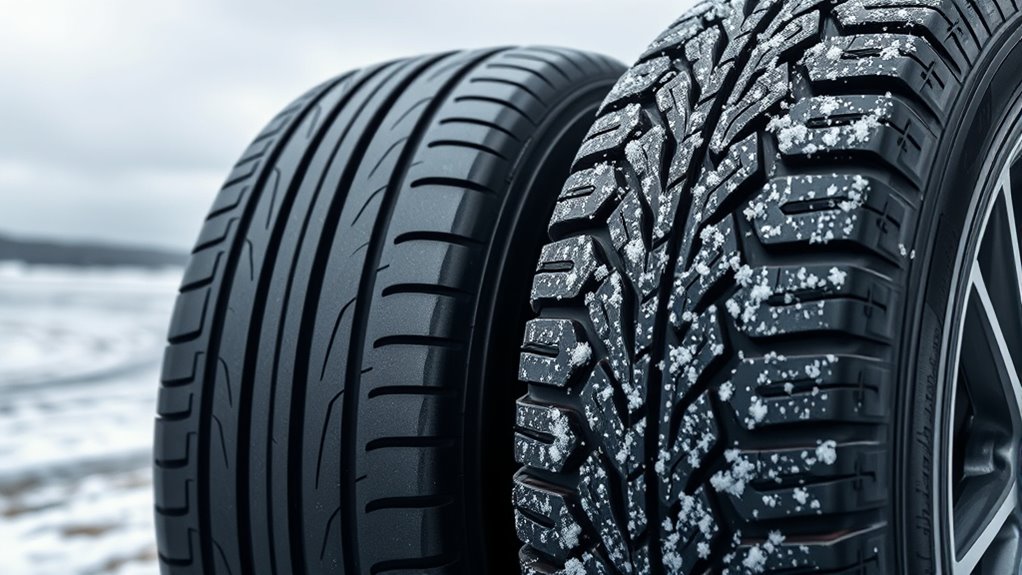

To guarantee safe driving as temperatures drop, switch from summer to winter tires before it consistently falls below 7°C (45°F). Install your winter tires before the first major snow or ice for better grip and safety. Check tire tread, pressure, and condition regularly throughout the season. Proper storage and correct installation help prolong tire life. Keep an eye on these tips to stay prepared and confident for winter driving conditions. If you continue, you’ll discover even more essential advice.
Key Takeaways
- Switch to winter tires before temperatures drop below 7°C (45°F) or before the first snow or ice forecast.
- Schedule tire change during daylight, favorable weather, and when roads are clear for safety and convenience.
- Inspect winter tires for wear, damage, and tread depth before installation to ensure optimal winter performance.
- Confirm proper installation, correct mounting, and maintain recommended tire pressure for safety and traction.
- Store summer tires in a cool, dry, dark environment to keep them in good condition for future seasonal changes.
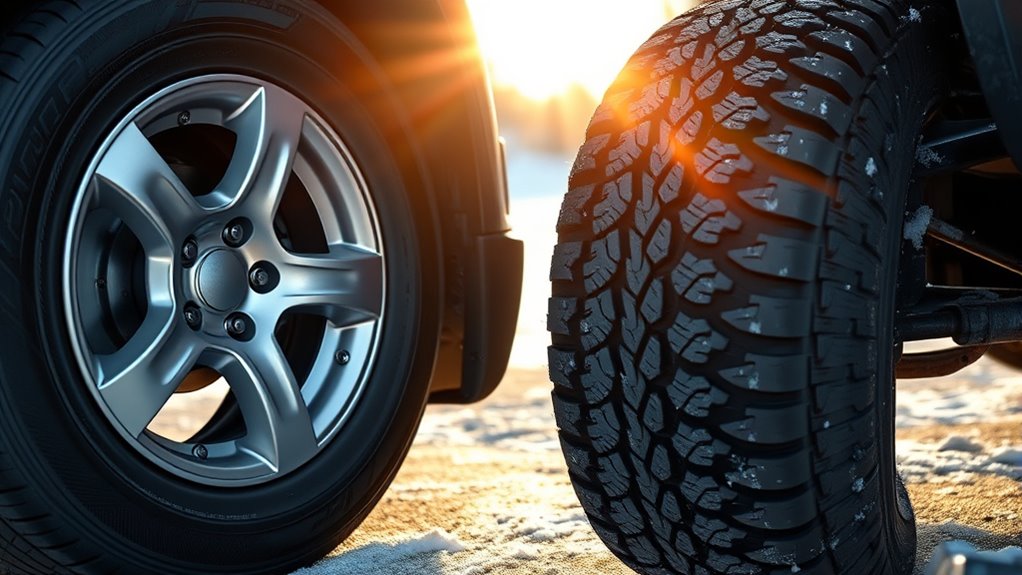
Are you ready to make the switch from summer to winter tires? Timing is essential, and knowing when to change your tires can make all the difference in guaranteeing your safety on the road. As temperatures start to dip consistently below 7°C (45°F), it’s a clear sign that winter tires will perform better than summer ones. Waiting too long can put you at risk, especially if snow, ice, or freezing rain hits unexpectedly. Planning ahead helps you stay ahead of the weather, giving your vehicle maximum traction and braking power during the colder months. Proper tire maintenance is vital during this changeover. This means inspecting your winter tires for signs of wear, checking the tread depth, and confirming there are no damages or punctures. Good tire maintenance not only prolongs the life of your tires but also guarantees they perform safely when you need them most. Keep in mind that old or worn tires won’t provide the same grip, so replace any tires that don’t meet safety standards.
Switching at the right time also plays a vital role in seasonal safety. You should aim to install winter tires before the first major snowfall or when icy conditions are forecasted. This proactive approach helps you avoid last-minute rushes or driving on worn-out tires in hazardous conditions. It’s a good idea to schedule your switch during daylight hours and in favorable weather, so the process is safer and easier. Remember to store your summer tires properly—clean, dry, and in a cool, dark place—to maintain their condition until next season. Proper storage prevents cracking and deterioration, making them ready for the following year.
Being aware of AI safety developments and how they can impact vehicle technology is also increasingly important, especially as automotive systems become more integrated with AI solutions. When installing your winter tires, double-check that they are mounted correctly and that the pressure matches your vehicle’s specifications. Under-inflated or over-inflated tires compromise handling, braking, and overall safety. Regularly check the pressure throughout the season, especially as temperatures fluctuate, since cold weather causes air pressure to drop. This practice is part of good tire maintenance, which directly impacts your seasonal safety. Keep an eye on your tire’s condition during the winter months; if you notice any irregular wear, vibrations, or noise, get them inspected promptly. Staying attentive to these details ensures your tires deliver the best possible performance, providing peace of mind during winter driving. Making timely, informed decisions about switching from summer to winter tires helps you stay safe, comfortable, and confident on the road all season long.

Rpeconu 15" Tire Spoons Kit, Tire Changing Tool for Motorcycles, Dirt Bikes, Lawn Mowers and More, 29PCS Tire Removal Tool Set, with Tire Spoon, Rim Protector, Valve Tool, Valve Cover and Valve Core
CONTAINS: 3 tire spoons, 3 rim protectors, 1 valve tool, 10 valve cores, 12 valve caps and a…
As an affiliate, we earn on qualifying purchases.
As an affiliate, we earn on qualifying purchases.
Frequently Asked Questions
How Often Should I Check Tire Pressure During Seasonal Changes?
You should check your tire pressure at least once a month during seasonal changes because temperature fluctuations can affect it. Also, regularly inspect your tire tread depth to verify safety. Remember, summer tire maintenance includes monitoring pressure and tread, especially as you prepare for winter. Properly inflated tires with good tread improve traction and fuel efficiency, so stay proactive to keep your car safe and perform well throughout the season.
Can I Switch to Winter Tires Earlier Than Recommended?
You can opt for an early tire switch if weather considerations suggest it’s wise. Keep an eye on local forecasts; if temperatures drop consistently below 45°F, it’s a gentle nudge to switch sooner. Doing so helps you stay safe and prepared. Just remember, switching too early might mean extra wear if conditions warm up unexpectedly, so balance timing with reliable weather updates to make the best decision.
Do Winter Tires Last Longer if Stored Properly?
Yes, winter tires last longer if you store them properly. Good tire storage involves keeping your tires in a cool, dry place away from direct sunlight, which helps prevent rubber aging. Avoid stacking them directly on the floor or exposing them to extreme temperatures. By maintaining ideal storage conditions, you protect your tires from premature wear and ensure they stay in good shape for many winter seasons.
Are There Specific Signs My Tires Need Replacing Before Switching?
You should replace your tires if you notice the tire tread depth is below 4/32 inch, which reduces traction, especially in winter conditions. Also, check for sidewall damage like cracks or bulges, as these indicate compromised integrity. If you spot either issue, it’s time to get new tires before shifting seasons. Properly maintaining your tires guarantees safety and peak performance when moving from summer to winter driving.
How Do I Dispose of Old Summer Tires Responsibly?
You should dispose of your old summer tires responsibly by taking advantage of local recycling programs and following disposal regulations. Many communities offer tire recycling services or drop-off centers where you can leave your tires for proper processing. Avoid tossing them in regular trash, as they can harm the environment. Check your city’s guidelines or visit local recycling facilities to make sure your tires are disposed of safely and sustainably.

ETENWOLF T300 Digital Tire Pressure Gauge 3-200 PSI, Industrial Tire Gauge Calibrated to ANSI B40.7 Grade 2A(Plus-Minus 0.5%), Replaceable AAA Batteries (Vivid Orange)
PROCESS LEVEL ACCURACY: Each ETENWOLF’s digital tire pressure gauge is calibrated manually to ANSI B40.7 Grade 2A(plus-minus 1…
As an affiliate, we earn on qualifying purchases.
As an affiliate, we earn on qualifying purchases.
Conclusion
As the cold months approach, timing your switch from summer to winter tires becomes essential. Miss it, and you risk slipping when you need grip the most; switch too early, and you might wear out your winter tires prematurely. The right moment isn’t always obvious, and rushing could cost you more than just time. Stay alert, plan ahead, and keep an eye on the weather—because when winter hits, every second counts, and your safety depends on it.

GODESON 88702 Smart Color Coded Tire Tread Depth Gauge 2 pieces(Pack of 1)
1. Accurately measures tire tread depth gauge tool, Calibrated from 0 to 1 inch in 1/32 inch
As an affiliate, we earn on qualifying purchases.
As an affiliate, we earn on qualifying purchases.
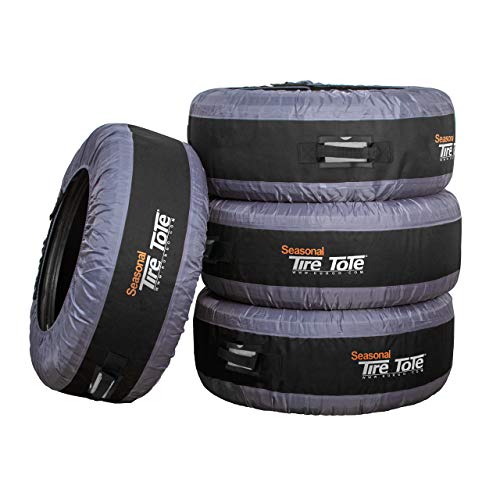
Kurgo Seasonal Tire Tote | Spare Tire Cover | Portable Wheel Bags | Winter Tire Cover | Eco-Friendly Tire Totes | Handle for Easy Transportation | Universal Fit
Protective Seasonal Storage: The Kurgo Seasonal Tire Tote shields your car interior, clothes, and garage from tire grime,…
As an affiliate, we earn on qualifying purchases.
As an affiliate, we earn on qualifying purchases.