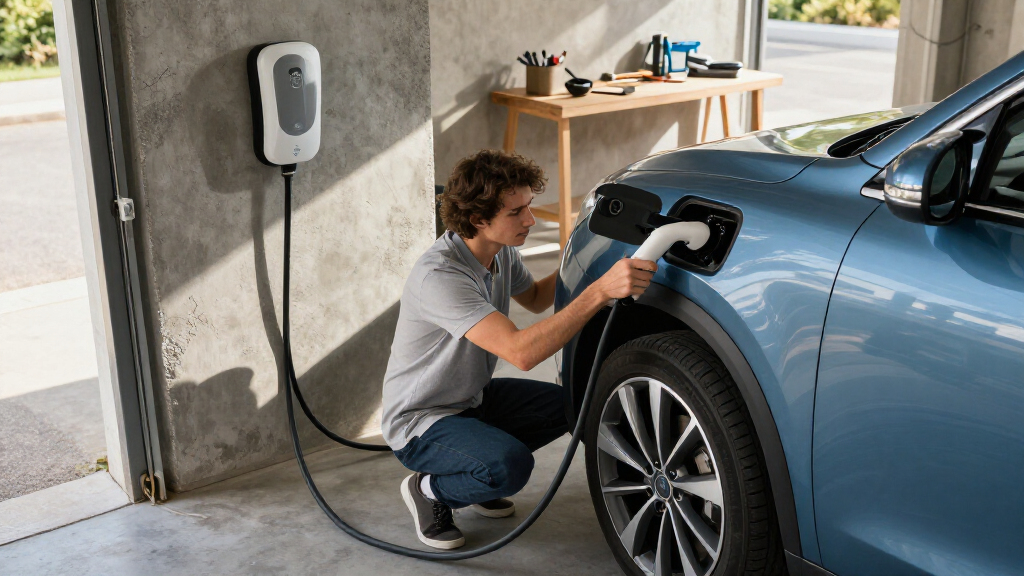

Looking for the best home EV chargers means balancing charging speed, installation cost, and smart features against your daily driving needs. After comparing 15 leading Level 2 models, the Autel MaxiCharger AC Home 50A stands out as the best overall for its blend of fast 50-amp output, reliable Wi-Fi/Bluetooth app control, and a rugged 25-foot cable. Two other picks deserve attention: the ChargePoint HomeFlex for its proven reliability and flexible amperage settings, and the Emporia Pro for those who want energy monitoring with their charging. The real tradeoffs in this category come down to hardwired versus plug-in installation, whether you need 40A or 48A charging, and how much you value app connectivity over a simpler, more durable unit. Keep reading for the full breakdown of every model and clear guidance on which charger fits your home setup.

Get business pricing on garage and car supplies
- Business-only prices and quantity discounts
- Tax-exempt purchasing
- Multiple users, one account, clear invoices
Complete the kit


Key Takeaways
- Hardwired 50A chargers like the Autel MaxiCharger AC Home and ChargePoint HomeFlex deliver faster charging than any 40A plug-in model, making them the best choice for high-mileage drivers with a 60-amp circuit.
- Plug-in NEMA 14-50 chargers (40A) are easier to install and portable, but they cap out at 9.6 kW—enough for most overnight charging but not for quick top-ups on large-battery EVs.
- The Emporia Pro and Autel MaxiCharger offer the best smart features (app scheduling, energy tracking) without sacrificing build quality, while the Grizzl-E proves that a no-frills, rugged charger can be the most dependable long-term pick.
- Several budget models (IYILO, Aimiler, Grasside) share the same 40A/9.6kW specs but differ in cable quality, connector durability, and app reliability—so the cheapest option is rarely the best value.
- If you own a Tesla, the ApexCharger MACH 1’s bundled NACS adapter eliminates the need for a separate adapter purchase, but it adds cost and a bulkier connector compared to J1772-only models.
- The 32A portable options (EVPOVO, Aimiler) are best for occasional use or travel, but they charge 25% slower than 40A units and should not be your primary home charger if you drive daily.




| home EV charger | Cable length | Connectivity | Weight | Certifications |
|---|---|---|---|---|
| Autel MaxiCharger AC Home EV C | 25 ft | Wi-Fi, Bluetooth, Ethernet | 18.21 lb | — |
| Leviton Smart Level 2 EV Charg | 25 ft | Wi-Fi | — | UL, Energy Star |
| IYILO Level 2 EV Charger | 25 ft | 2.4 GHz Wi-Fi | — | ETL, Energy Star, UL 2594, CSA |
| Autel MaxiCharger Level 2 EV C | 25 ft | — | — | — |
| ApexCharger MACH 1 Level 2 EV | 30 ft | Wi-Fi, Bluetooth, mobile app | 15 lb | ETL, Energy Star, UL 2594:2022 Ed.3, FCC, RoHS |
| EVwallbox Level 2 EV Charger w | 25 ft | — | 14.52 pounds | ETL, FCC, CE |
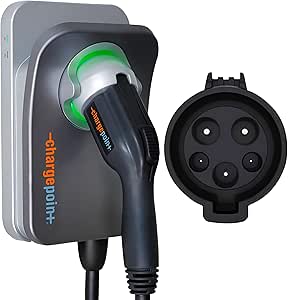
| ChargePoint HomeFlex Level 2 S | 23 ft | — | 13.8 lb | — |
| EVPOVO Level 2 Portable EV Cha | 25 ft | 2.4 GHz Wi-Fi | 2.5 kg | — |
| Grizzl-E Level 2 40A EV Charge | 24 feet | — | 16.79 pounds | UL tested; Energy Star |
| Aimiler 32A Level 2 EV Charger | 25 ft | Wi-Fi app | — | ETL, FCC |
| Autel 50A Level 2 J1772 EV Cha | 25 ft | Wi-Fi and Bluetooth | — | — |
| EVIQO Level 2 EV Charger J1772 | 25 ft | WiFi (2.4 GHz) | 21 pounds | UL, ETL, FCC, Energy Star |
| Emporia Pro Level 2 EV Charger | 25 ft | Wi-Fi and Bluetooth | — | Energy Star, NEMA, UL |
| Autel MaxiCharger AC Home Leve | 25 ft | Wi-Fi, Bluetooth, Ethernet | — | — |
| Grasside Level 2 EV Charger | 25FT | WiFi 2.4GHz | 17.51 pounds | — |
More Details on Our Top Picks
Autel MaxiCharger AC Home EV Charger, 50A J1772 Hardwired Level 2 Charger with 25ft Cable
The Autel MaxiCharger AC Home is the strongest fit here for drivers who want high charging output and a permanent installation. Its 50A, 12 kW capacity can replenish a compatible EV faster than the 40A Leviton Smart Level 2 or plug-in Autel MaxiCharger, while the 25-foot cable gives more flexibility for parking positions. The NEMA 4X enclosure also suits outdoor mounting, and app control with Wi-Fi, Bluetooth, and Ethernet supports scheduled charging and status checks.
The tradeoff is the hardwired setup: installation may require an electrician, and the 18.21-pound unit is less convenient to handle than a plug-in charger. I’d choose it over the ApexCharger MACH 1 when maximum listed amperage matters more than an included Tesla adapter or plug-in flexibility.
Pros:- Up to 50A and 12 kW for faster Level 2 charging on compatible vehicles
- 25-foot cable offers flexible reach from the mounting point
- NEMA 4X rating supports indoor or outdoor installation
- Wi-Fi, Bluetooth, and Ethernet connectivity with app-based scheduling and monitoring
Cons:- Hardwired installation can require a qualified electrician
- At 18.21 pounds, it is heavier than some plug-in alternatives
- J1772 connector may require a separate adapter for Tesla vehicles
Best for: EV owners with a suitable electrical supply who want a high-output, permanently mounted charger with a long cable and outdoor-rated housing.
Not ideal for: Renters or owners who need a plug-in installation, and households that want a lighter, easier-to-relocate charger.
- Connector:J1772
- Maximum amperage:50A
- Maximum power:12,000W
- Cable length:25 ft
- Connectivity:Wi-Fi, Bluetooth, Ethernet
- Weight:18.21 lb
- Dimensions:16.3 × 12.3 × 9.25 in
Our verdict“Choose this Autel if you want a weather-rated, high-output hardwired charger and have the electrical setup to support it.”
Leviton Smart Level 2 EV Charger, 40A, Wi-Fi, NEMA 14-50 Plug
The Leviton Smart Level 2 makes sense for buyers who already have a compatible NEMA 14-50 outlet and prefer not to hardwire a charger. It supplies up to 40A and 9.6 kW, with a 25-foot J1772 cable and app controls for scheduling, remote start and stop, and fault notifications. Compared with the hardwired Autel MaxiCharger AC Home, installation is more straightforward when the right receptacle is already in place, though the Leviton gives up some charging capacity.
Its Wi-Fi-only connectivity is simpler than the multi-connection Autel and IYILO options, but there’s no Bluetooth or Ethernet listed as a fallback. Tesla drivers need a separate Leviton NACS adapter. I’d favor the plug-in Autel 40A if a more weather-resistant enclosure is a priority; the Leviton is the tidier choice for buyers who value a familiar outlet-based setup and app scheduling.
Pros:- NEMA 14-50 plug avoids hardwiring when a suitable receptacle is available
- Up to 40A and 9.6 kW charging output
- 25-foot J1772 cable reaches across many garage parking layouts
- My Leviton app supports schedules, remote controls, and fault notifications
Cons:- Requires a compatible NEMA 14-50 receptacle
- Tesla vehicles require a separate NACS adapter
- Wi-Fi is the only listed connectivity option
Best for: Homeowners with a compatible NEMA 14-50 receptacle who want a 40A charger with app scheduling and remote controls.
Not ideal for: Drivers seeking the highest charging output, a hardwired installation, or Tesla compatibility without buying a separate adapter.
- Input voltage:240V
- Charging power:Up to 9.6 kW
- Maximum amperage:40A
- Connector:SAE J1772
- Cable length:25 ft
- Plug:NEMA 14-50P
- Connectivity:Wi-Fi
- Certifications:UL, Energy Star
Our verdict“Pick the Leviton if you have the right outlet and want useful app controls without a hardwired installation.”
IYILO Level 2 EV Charger, 40A/9.6kW, Wi-Fi, J1772 Connector
The IYILO Level 2 stands out for buyers who want to tune charging current rather than run at one fixed setting. Its adjustment range of 6A to 40A can help match charging to a home circuit or a vehicle’s needs, while the app adds scheduling and energy tracking. Like the Leviton, it delivers up to 9.6 kW and uses a NEMA 14-50 plug; unlike that model, the IYILO lists current adjustment and OTA updates among its smart features.
The 25-foot cable and ETL and Energy Star certifications add practical appeal, but its Wi-Fi works on 2.4 GHz networks only. That limitation may matter in homes configured for 5 GHz-only access. Compared with the plug-in Autel 40A, it offers more explicit current control, while the Autel’s NEMA 4X rating may be preferable for exposed outdoor installations. Tesla owners also need a separate adapter.
Pros:- Adjustable current from 6A to 40A supports more flexible circuit and charging settings
- App features include scheduling, energy tracking, and OTA updates
- 25-foot cable accommodates varied parking positions
- ETL and Energy Star certifications are listed
Cons:- Wi-Fi is limited to 2.4 GHz networks
- Tesla compatibility requires a separate NACS adapter
- NEMA 14-50 plug requires a compatible receptacle
Best for: Drivers with a NEMA 14-50 outlet who want to adjust charging current and track charging activity through an app.
Not ideal for: Households relying on 5 GHz-only Wi-Fi, or Tesla owners who want a NACS adapter included.
- Maximum amperage:40A, adjustable from 6A to 40A
- Power:9.6 kW
- Voltage:240V
- Connector:SAE J1772
- Plug:NEMA 14-50P
- Cable length:25 ft
- Connectivity:2.4 GHz Wi-Fi
- Certifications:ETL, Energy Star, UL 2594, CSA
- Warranty:3 years
Our verdict“Choose the IYILO if adjustable current and app-based energy tracking matter more to you than broader Wi-Fi support.”
Autel MaxiCharger Level 2 EV Charger, 40A, 240V, 25-Foot Cable, NEMA 14-50 Plug
This 40A Autel MaxiCharger pairs plug-in convenience with a notably robust NEMA 4X-rated enclosure, making it a strong option for buyers who need a charger that can live indoors or outdoors. Its 25-foot cable and adjustable 16A, 24A, 32A, or 40A settings make it more adaptable than a fixed-output unit. Compared with the Leviton Smart Level 2, the Autel offers a higher stated enclosure rating and adjustable charging levels; both use a NEMA 14-50 plug and deliver up to 40A.
The app supports charging schedules, but the provided product details don’t list connectivity types or specific monitoring tools, so I wouldn’t choose it over the IYILO if detailed energy tracking is a priority. It also needs a compatible receptacle, and RFID start/stop is optional rather than standard. For drivers who want the 50A hardwired Autel, this model trades charging speed for easier plug-in installation.
Pros:- NEMA 4X rating supports indoor and outdoor installation
- Current can be set to 16A, 24A, 32A, or 40A
- 25-foot cable provides flexible reach
- App supports charging schedules
Cons:- Requires a compatible NEMA 14-50 receptacle
- Maximum output is lower than the 50A Autel hardwired model
- RFID start and stop is optional
Best for: Homeowners with a NEMA 14-50 outlet who need adjustable charging and a charger rated for indoor or outdoor mounting.
Not ideal for: Drivers seeking 50A output, a built-in Tesla adapter, or clearly specified app connectivity and energy-tracking features.
- Output voltage:240V
- Maximum amperage:40A
- Adjustable amperage:16A, 24A, 32A, 40A
- Plug type:NEMA 14-50
- Cable length:25 ft
- Ports:1
- Dimensions:12 × 16 × 5 in
- Warranty:3 years
Our verdict“Choose this Autel for adjustable 40A charging from a compatible outlet, especially where outdoor-rated construction matters.”
ApexCharger MACH 1 Level 2 EV Charger (48 Amp) with J1772 Connector and Tesla NACS Adapter
The ApexCharger MACH 1 is the lineup’s most flexible pick for households with different connector types. It includes a J1772 connector and PRO 1 NACS adapter, so Tesla drivers don’t have to source a separate adapter as they would with the Leviton or IYILO. Its 48A output is also higher than those 40A plug-in chargers, and the 30-foot cable gives it the longest reach among these five models. Wi-Fi, Bluetooth, an LED display, and RFID access add control and a way to restrict use.
That range of features brings installation tradeoffs: full 48A hardwired operation requires a dedicated 60A breaker, while the NEMA 14-50 option offers a different installation path. Compared with the 50A hardwired Autel, the Apex has lower maximum amperage but includes Tesla compatibility and RFID cards. I’d skip it if simplicity and a modest home electrical setup matter more than broad vehicle support.
Pros:- Included PRO 1 NACS adapter supports Tesla compatibility alongside J1772
- 48A output offers more capacity than the listed 40A plug-in models
- 30-foot cable provides extended reach
- Wi-Fi, Bluetooth, app controls, LED display, and two RFID cards are included
Cons:- Full 48A hardwired operation requires a dedicated 60A breaker
- At 15 pounds, it needs secure wall mounting
- Maximum output is below the 50A hardwired Autel
Best for: Households with both J1772 and Tesla vehicles that want a long cable, access control, and flexible installation options.
Not ideal for: Drivers who want the simplest installation or cannot support a dedicated 60A breaker for full 48A hardwired charging.
- Maximum amperage:48A
- Voltage:200–240V
- Connector:J1772 with included NACS adapter
- Cable length:30 ft
- Installation:Hardwire or NEMA 14-50 plug
- Connectivity:Wi-Fi, Bluetooth, mobile app
- Weight:15 lb
- Certifications:ETL, Energy Star, UL 2594:2022 Ed.3, FCC, RoHS
- Included accessories:PRO 1 NACS adapter, 2 RFID cards, hardwire kit, wall mount
Our verdict“Pick the ApexCharger MACH 1 if your household needs Tesla and J1772 support in one feature-rich charger and can accommodate its electrical requirements.”
EVwallbox Level 2 EV Charger with J1772 Connector
This unit stands out for its balance of speed and intelligence, delivering 9.6 kW to add roughly 38 miles of range per hour. Unlike the ChargePoint HomeFlex, which demands hardwiring, this plug-in model offers flexibility for renters or those with existing NEMA 14-50 outlets. The 4.3-inch display is a significant upgrade over competitors that rely solely on app data, providing at-a-glance status without pulling out a phone. However, the RFID card system adds a layer of security but complicates the setup for casual users who might find it unnecessary. It is a robust choice for homeowners who want premium features without an electrician.
Pros:- High 9.6 kW output for rapid charging
- Built-in 4.3-inch screen for local monitoring
- ETL certified and IP65 weatherproof
- RFID cards provide secure access control
Cons:- Requires a specific NEMA 14-50 outlet
- RFID setup adds complexity for simple use cases
Best for: Homeowners with a dedicated 240V outlet who want fast charging, security features, and a local display.
Not ideal for: Renters who cannot modify electrical systems or Tesla owners who do not have a J1772 adapter.
- Power Output:9.6 kW
- Max Amperage:40 Amp
- Connector Type:SAE J1772
- Plug Type:NEMA 14-50
- Cable Length:25 ft
- Display:4.3-inch screen
- Certifications:ETL, FCC, CE
- Weight:14.52 pounds
Our verdict“A powerful, feature-rich plug-in charger ideal for owners who prioritize speed and local visibility over app-only control.”
ChargePoint HomeFlex Level 2 Smart EV Charger
The ChargePoint HomeFlex is engineered for permanence, offering a hardwired installation that looks cleaner and safer than plug-in units like the EVwallbox. Its ability to adjust current from 16A to 50A provides granular control, allowing users to optimize charging speed based on real-time household load. While it lacks the instant plug-and-play convenience of portable models, the UL certification and sleek design appeal to those seeking a professional-grade aesthetic. The tradeoff is the mandatory electrician installation, which adds cost and time. It is less flexible if you move homes, but superior for long-term stability.
Pros:- Professional hardwired installation for a clean look
- Wide adjustable amperage range (16–50 A)
- UL certified and Energy Star rated
- Robust app ecosystem for usage tracking
Cons:- Requires professional installation by an electrician
- Tesla vehicles require a separate adapter
Best for: Homeowners planning to stay long-term who prefer a clean, professional installation without visible cables.
Not ideal for: DIY enthusiasts who want to avoid hiring an electrician or renters who cannot alter wiring.
- Max Amperage:50 A
- Installation:Hardwired
- Connector:J1772
- Cable Length:23 ft
- Adjustable Amperage:16–50 A
- Certification:UL-certified; Energy Star
- Weight:13.8 lb
- Warranty:3 years
Our verdict“The definitive choice for owners who value a permanent, high-end installation and are willing to pay for professional setup.”
EVPOVO Level 2 Portable EV Charger
Weighing just 2.5 kg, the EVPOVO is significantly lighter than the Grizzl-E and other heavy-duty competitors, making it an excellent companion for travel or small garages. It delivers 7.68 kW, which is slower than the 9.6 kW of the EVwallbox, but its adjustable current settings (16A to 32A) allow it to work with a wider variety of existing circuits. The Smart Life app integration is straightforward, though it lacks the advanced energy management features found in premium models like ChargePoint. This charger prioritizes portability and ease of use over raw speed, making it ideal for users who need a flexible backup or primary charger for lighter daily commutes.
Pros:- Extremely lightweight at only 2.5 kg
- Adjustable current (16–32 A) fits various circuits
- ETL listed with robust safety protections
- Cold-flexible 25 ft cable for outdoor use
Cons:- Lower max power (7.68 kW) compared to 40A models
- App requires 2.4 GHz Wi-Fi, which may be spotty in garages
Best for: Users with limited garage space or those who need a lightweight, travel-friendly charger for occasional use.
Not ideal for: Drivers who need the fastest possible charging speed or have long daily commutes requiring high amperage.
- Power:Up to 7.68 kW
- Max Current:32A
- Adjustable Current:16A, 20A, 24A, 32A
- Plug:NEMA 14-50
- Cable Length:25 ft
- Weight:2.5 kg
- Safety Certification:ETL listed
- Connectivity:2.4 GHz Wi-Fi
Our verdict“A compact, efficient solution for owners who prioritize portability and circuit flexibility over maximum charging speed.”
Grizzl-E Level 2 40A EV Charger
While the EVwallbox offers a sleek modern look, the Grizzl-E Avalanche Edition is built like a tank, featuring IP67 water resistance and a rugged design suited for harsh climates. It delivers 10 kW of power, outperforming the 9.6 kW of the EVwallbox, but this raw power comes with bulk. At 16.79 pounds, it is unwieldy compared to the lightweight EVPOVO. The lack of a built-in screen means you must rely on the app or physical buttons, which is less convenient than the EVwallbox’s display. However, for owners in areas prone to snow or heavy rain, the superior sealing and heavy-duty construction justify the weight and industrial aesthetic.
Pros:- IP67 rated for extreme water and dust resistance
- High 10 kW power output for fast charging
- Rugged, durable construction for outdoor use
- Adjustable amperage up to 40A
Cons:- Heavy at 16.79 pounds, difficult to move
- No local display screen for status monitoring
Best for: Owners in harsh climates or those who prioritize rugged durability and high power output over aesthetics.
Not ideal for: Urban dwellers with tight spaces or those who prefer a discreet, lightweight charging solution.
- Wattage:10 kW
- Maximum Current:40A
- Ingress Protection:IP67
- Cable Length:24 feet
- Weight:16.79 pounds
- Certifications:UL tested; Energy Star
- Adjustable Amperage:16A, 24A, 32A, 40A
- Plug Type:NEMA 14-50
Our verdict“A tough, high-power charger designed for owners who need reliability in extreme weather conditions.”
Aimiler 32A Level 2 EV Charger with Wi-Fi App
The Aimiler offers a compelling entry point into smart charging, providing Wi-Fi app controls and a display at a price point that undercuts premium models like the ChargePoint HomeFlex. While its 32A limit yields 7.68 kW—slower than the 9.6 kW of the EVwallbox—it is sufficient for most daily commuters. The ETL certification ensures safety, but the build quality feels less substantial than the Grizzl-E. A notable drawback is the lack of an included 120V adapter, limiting versatility compared to some competitors. This charger is best for budget-conscious buyers who still want the convenience of scheduling and monitoring via a smartphone app.
Pros:- Affordable smart charger with Wi-Fi app support
- Built-in display for local charging status
- ETL and FCC certified for safety compliance
- Adjustable current from 16A to 32A
Cons:- No 120V adapter included for emergency charging
- Lower max amperage (32A) limits top speed
Best for: Budget-conscious EV owners who want smart features like app scheduling without paying for premium hardware.
Not ideal for: Tesla drivers without adapters or those needing the absolute fastest charging times available.
- Maximum Current:32 A
- Adjustable Current:16–32 A
- Maximum Charging Rate:7.68 kW
- Plug Type:NEMA 14-50
- Cable Length:25 ft
- Certifications:ETL, FCC
- Connectivity:Wi-Fi app
- Compatible Vehicles:North American J1772 EVs
Our verdict“A solid, no-frills smart charger for owners who want app connectivity and safety certification on a budget.”
Autel 50A Level 2 J1772 EV Charger, 240V Hardwired, Wi-Fi and Bluetooth, 25 ft
This unit stands out for its adjustable current range of 6A to 50A, allowing users to fine-tune charging speeds based on household electrical capacity. Unlike the Autel MaxiCharger AC Home, which is fixed at maximum output, this model offers flexibility for older electrical panels. The 25-foot cable provides ample reach for most driveways, while the NEMA 4X rating ensures durability in harsh outdoor conditions. However, the hardwired-only installation means you cannot easily move it or use it during power outages without a dedicated circuit. It is a robust choice for those who want maximum amperage and precise control over their charging schedule.
Pros:- Adjustable current from 6A to 50A for flexible power management
- High 12 kW output for rapid charging speeds
- NEMA 4X rating offers superior protection against dust and water
- Integrated holster keeps the heavy cable organized
Cons:- Hardwired installation requires a licensed electrician
- J1772 connector requires an adapter for Tesla vehicles
- Heavier and bulkier than plug-in alternatives
Best for: Homeowners with upgraded electrical panels who need maximum charging speed and adjustable current limits.
Not ideal for: Renters or those who want a portable solution, as it requires permanent hardwiring.
- Maximum Current:50 A
- Adjustable Current:6–50 A
- Maximum Power:12 kW
- Connector Type:J1772
- Cable Length:25 ft
- Installation:Hardwired
- Connectivity:Wi-Fi and Bluetooth
- Warranty:3 years
Our verdict“Choose this if you need high-amperage charging with the ability to dial down power usage during peak hours.”
EVIQO Level 2 EV Charger J1772 40A NEMA 14-50 Wall Charging Station
The EVIQO excels in ease of installation, plugging directly into a standard NEMA 14-50 outlet without needing an electrician. Compared to the Grasside Level 2 EV Charger, it offers a similar feature set but with a slightly more compact footprint. The IP66 weatherproof rating makes it suitable for outdoor use, and the glow-in-the-dark holster is a thoughtful touch for evening charging. While it lacks the high amperage of hardwired units like the Autel 50A, its 40A output is sufficient for daily commuting needs. The reliance on 2.4 GHz Wi-Fi can be a hurdle in homes with modern mesh networks that prioritize 5 GHz bands.
Pros:- No hardwiring required; plugs directly into NEMA 14-50
- IP66 rating ensures durability for outdoor installations
- Smart app enables scheduling and energy tracking
- Glow-in-the-dark holster aids in nighttime docking
Cons:- Limited to 2.4 GHz Wi-Fi connectivity
- Requires a dedicated 50A circuit for safe operation
- Tesla models need a separate adapter
Best for: DIY enthusiasts who already have a NEMA 14-50 outlet and want a smart charger without professional installation.
Not ideal for: Users who need faster than 40A charging or live in areas with poor 2.4 GHz Wi-Fi coverage.
- Amperage:40A
- Voltage:240V
- Plug Type:NEMA 14-50
- Cable Length:25 ft
- Connectivity:WiFi (2.4 GHz)
- Certifications:UL, ETL, FCC, Energy Star
- Weight:21 pounds
- Warranty:3 Years
Our verdict“An ideal entry point for smart charging if you have the right outlet and want to avoid installation costs.”
Emporia Pro Level 2 EV Charger with PowerSmart, 48 A, J1772, 25 ft Cable
What distinguishes the Emporia Pro is its PowerSmart technology, which uses the included Vue monitor to dynamically balance loads across your home. This feature prevents breaker trips by slowing the charger when other high-draw appliances are active, a capability absent in the Autel MaxiCharger AC Home. The ability to choose between plug-in or hardwired installation offers flexibility that many competitors lack. While it supports up to 48A, the real value lies in the real-time energy insights provided by the app. The setup is more complex than simple plug-in models due to the monitor integration, but the payoff is a smarter, safer charging experience.
Pros:- PowerSmart load balancing prevents electrical overloads
- Includes Vue Home Energy Monitor for detailed usage data
- Versatile installation options (plug-in or hardwired)
- High 48A capacity for fast charging
Cons:- Setup requires configuring the Vue monitor
- Installation may still need an electrician for hardwiring
- J1772 connector requires adapter for Tesla vehicles
Best for: Tech-savvy homeowners who want to integrate EV charging with whole-home energy monitoring and load balancing.
Not ideal for: Those seeking the simplest possible setup, as the Vue monitor adds complexity to the initial configuration.
- Input Voltage:240 V
- Connector:J1772
- Cable Length:25 ft
- Installation Options:NEMA 14-50 plug or hardwired
- Connectivity:Wi-Fi and Bluetooth
- Certifications:Energy Star, NEMA, UL
- Included Components:Charger, cable, mount, holster, Vue Monitor
- Warranty:3 years
Our verdict“The best choice if you want your EV charger to communicate with your home’s electrical system to prevent overloads.”
Autel MaxiCharger AC Home Level 2 EV Charger, 50A, J1772, Wi-Fi/Bluetooth, 25ft Cable
Designed for those who need to add 37 miles of range per hour, this Autel model pushes the limit of residential charging at 50A. Unlike the Emporia Pro, it does not include load balancing hardware, relying instead on its raw power and Ethernet connectivity for stable network performance. The NEMA Type 4 rating ensures it withstands outdoor elements, while the cable remains flexible even in cold weather. However, the hardwired-only design limits its versatility compared to plug-in options. It is a premium, fixed installation meant for users with dedicated electrical infrastructure who prioritize speed over flexibility.
Pros:- Delivers up to 12 kW for maximum charging speed
- Ethernet port ensures reliable connectivity alongside Wi-Fi
- Cable remains flexible in cold weather conditions
- NEMA Type 4 rating for outdoor durability
Cons:- Hardwired installation requires professional help
- No portable plug option for travel or emergencies
- Higher amperage demands robust electrical panel capacity
Best for: Drivers of long-range EVs who charge infrequently but need to recover range quickly in short windows.
Not ideal for: Users without a dedicated 50A circuit or those who prefer the flexibility of a plug-in unit.
- Voltage:240 V AC
- Power Output:12 kW
- Amperage:50A
- Cable Length:25 ft
- Connectivity:Wi-Fi, Bluetooth, Ethernet
- Certification:CSA Certified, NEMA Type 4
- Color:Dark Gray
- Warranty:3 Years
Our verdict“Select this for the fastest possible home charging if you have the electrical capacity and want Ethernet stability.”
Grasside Level 2 EV Charger, 40A NEMA 14-50P, 25FT Cable, J1772 Wall Charger, 9.6kW
The Grasside charger differentiates itself with RFID authentication, allowing multiple users to charge with personalized settings and security codes. This is a significant advantage over the EVIQO, which relies solely on app-based control. The metal case provides a sturdy feel and better heat dissipation than plastic competitors, while the IP65 rating handles outdoor exposure well. It delivers 9.6 kW at 40A, which is standard for this class. However, like many plug-in models, it is restricted to 2.4 GHz Wi-Fi, which may require network adjustments. It is best suited for households where multiple drivers share the vehicle or the charger.
Pros:- RFID authentication allows secure multi-user access
- Durable metal case enhances heat dissipation and longevity
- Plug-and-charge mode simplifies daily use
- IP65 rating ensures outdoor weather resistance
Cons:- Wi-Fi limited to 2.4 GHz band
- Requires a dedicated 50A breaker for full 40A output
- Tesla vehicles require a separate adapter
Best for: Households with multiple EV drivers who need individual user profiles and secure access via RFID cards.
Not ideal for: Single-user homes that don’t need RFID security or users with only 5 GHz Wi-Fi networks.
- Power Output:9.6kW
- Amperage:40A
- Connector Type:J1772
- Plug Type:NEMA 14-50P
- Cable Length:25FT
- Certification:ETL Listed to UL-2594 / CSA-C22.2 No. 280
- Connectivity:WiFi 2.4GHz
- Weight:17.51 pounds
Our verdict“Ideal for shared vehicles or households needing secure, multi-user access to a single charging point.”
How We Picked
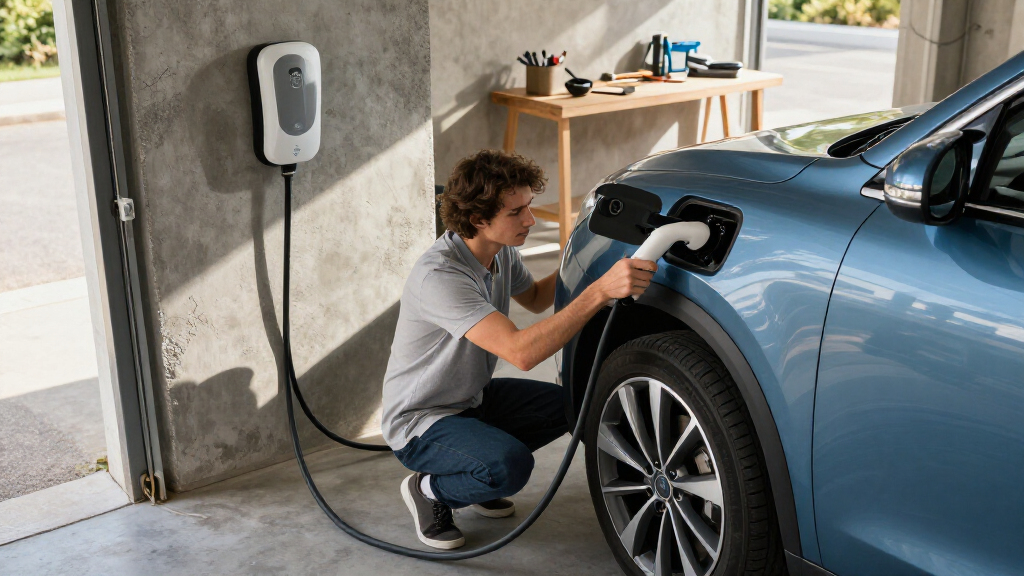
To rank these 15 home EV chargers, I evaluated each model on five core criteria: charging speed (amperage and voltage), installation flexibility (hardwired vs. plug-in), build quality and durability, smart features (app, scheduling, energy monitoring), and overall value for the typical homeowner. I also considered the connector type (J1772 vs. NACS) and cable length, since these affect everyday usability more than raw specs.
The ranking prioritizes models that balance real-world charging needs with long-term reliability. A 40A charger that works flawlessly for years beats a 48A charger with finicky software. I also gave weight to UL or ETL certification and customer support reputation, because a failed charger at 2 AM is a problem no spec sheet can fix. Plug-in models were judged on the quality of their NEMA 14-50 plug and whether the included cable and holster survive daily use. Hardwired models were assessed on their amperage capacity and whether the installation cost (often requiring a licensed electrician) is justified by faster charging.
Factors to Consider When Choosing Best Home EV Chargers
Choosing a home EV charger involves more than picking the highest amperage. Here are the key factors that separate a great purchase from a regret, based on what I saw across these 15 models.
Hardwired vs. Plug-In: The First Decision
Your electrical panel and installation budget will decide this for you. Hardwired chargers like the Autel MaxiCharger AC Home and ChargePoint HomeFlex can draw up to 50A or 48A, but they require a dedicated 60-amp circuit and a licensed electrician. That adds $200–$500 to the total cost. Plug-in models with a NEMA 14-50 outlet are simpler to install—many DIYers can do it—but they are limited to 40A (9.6 kW) and are easier to steal or disconnect. If you rent or move frequently, a plug-in is more practical. If you own your home and want the fastest possible charging, hardwired is the way to go. Just make sure your panel has the spare capacity.
Amperage: 40A vs. 48A vs. 50A
Higher amperage means faster charging, but only if your car can accept it. A 40A charger adds about 30–37 miles of range per hour, while a 48A or 50A unit adds 35–44 miles. For most drivers, 40A is plenty for overnight charging. The real difference shows up when you need a quick top-up before a trip. A 50A charger can add 20 miles in 30 minutes, while a 40A unit adds about 15. Also, check your EV’s onboard charger—many EVs max out at 11 kW (48A), so a 50A charger won’t be fully utilized. The Autel and ChargePoint models let you adjust the amperage in the app, which is handy if you have an older home with a 50-amp circuit instead of 60-amp.
Smart Features: Convenience vs. Reliability
App control, scheduling, and energy monitoring sound great, but they add complexity. Chargers like the Emporia Pro and Autel MaxiCharger offer excellent apps that let you set charging times to take advantage of off-peak electricity rates. The ChargePoint HomeFlex has a solid app too, but some budget models (IYILO, Aimiler) have apps that are clunky or lose connection. If you don’t care about scheduling, a dumb charger like the Grizzl-E is more reliable and cheaper. Remember that smart features rely on Wi-Fi; if your garage has poor signal, you’ll be frustrated. Consider whether you actually need remote monitoring or if a simple timer on the charger itself is enough.
Cable Length and Connector Compatibility
Most chargers come with a 25-foot cable, which is sufficient for most garages, but measure your distance from the outlet to your car’s charging port. If you park outdoors or have a large garage, a 25-foot cable is the minimum—some models like the EVPOVO portable offer 25 feet, but others cap at 20. For Tesla owners, the ApexCharger MACH 1 includes a NACS adapter, saving you a separate purchase. J1772 chargers work with all non-Tesla EVs, but if you have a Tesla and don’t want to use an adapter, look for a native NACS connector or a bundled adapter. Also check the cable thickness—thicker cables are more durable but heavier to handle.
Build Quality and Weather Resistance
If your charger is installed outdoors, you need a unit with a high IP rating (IP65 or higher) and a durable enclosure. The Grizzl-E is famous for its all-metal body and ability to withstand harsh weather, while the Autel MaxiCharger has a plastic housing that’s fine for garages but less ideal for direct sun and rain. The Leviton and EVIQO models are decent but have plastic connectors that can crack over time. Look for a charger with a sturdy holster and a cable that stays flexible in cold temperatures. A cheap charger that fails after two years will cost you more in the long run than a quality unit that lasts a decade.
Value Beyond the Price Tag
The cheapest 40A chargers (IYILO, Grasside, Aimiler) all cost less than $300, but they often lack UL certification, have weaker app support, or use thinner cables. Spending a bit more on a certified charger like the Emporia Pro or ChargePoint HomeFlex gets you better safety, customer support, and resale value if you sell your home. Also consider warranty—most reputable brands offer 2–3 years, but some budget models only offer 1. If you plan to keep your EV for 5+ years, a $500 charger with a solid warranty is a better investment than a $250 charger that may need replacing. Factor in potential utility rebates, which often require a smart charger with energy monitoring.
Frequently Asked Questions
Should I buy a 40A plug-in charger or a 50A hardwired charger?
It depends on your electrical setup and how fast you need to charge. A 40A plug-in charger works with a standard NEMA 14-50 outlet and is easier to install—just plug it in. It delivers 9.6 kW, which adds about 30 miles of range per hour, enough for most overnight charging. A 50A hardwired charger requires a dedicated 60-amp circuit and professional installation, but it can add up to 44 miles per hour. If you have a large battery EV (100 kWh or more) and drive long distances daily, the hardwired option is worth the extra cost. If you’re a typical commuter, the 40A plug-in is more than sufficient and much simpler.
Can I use a 50A charger with a 50-amp circuit?
No, you cannot. A 50A charger requires a 60-amp circuit because the charger draws a continuous load, and electrical codes require the circuit to be rated at 125% of the continuous load. A 50A continuous draw needs a 62.5A circuit, so a 60A breaker is the minimum. If you only have a 50-amp circuit, you must either install a 40A charger (which draws 32A continuous) or upgrade your electrical panel and wiring. Some chargers, like the ChargePoint HomeFlex, allow you to set a lower amperage in the app to work with a 50A circuit, but you lose the full speed. Always consult a licensed electrician before installing a hardwired charger.
Do smart chargers really save money on electricity?
Yes, but only if your utility has time-of-use rates. A smart charger like the Emporia Pro or Autel MaxiCharger lets you schedule charging during off-peak hours, which can cut your electricity cost by 30–50% depending on your utility. The app also tracks your energy usage, so you can see exactly what charging costs. However, if you have a flat rate for electricity, scheduling won’t save you money—you just get convenience. Some utilities offer rebates for installing a smart charger, which can offset the higher upfront cost. If you don’t have time-of-use rates, a simpler charger like the Grizzl-E is just as effective and cheaper.
Is a portable EV charger a good substitute for a wall-mounted one?
Portable chargers like the EVPOVO and Aimiler are fine for occasional use or travel, but they’re not ideal as your primary home charger. Most portable models are limited to 32A (7.6 kW), which charges about 25% slower than a 40A wall unit. They also lack the robust mounting, cable management, and weather resistance of a fixed charger. If you park in a garage and have a NEMA 14-50 outlet, a portable charger can work, but you’ll have to plug and unplug it daily, which wears out the connector. For daily home charging, a dedicated wall-mounted unit is more convenient and safer. Keep a portable charger in your trunk for emergencies instead.
What’s the difference between J1772 and NACS connectors, and which should I choose?
J1772 is the standard connector for all non-Tesla EVs, while NACS (North American Charging Standard) is Tesla’s connector, now being adopted by other automakers. If you drive a Tesla, you can use a J1772 charger with an adapter, but a native NACS charger or one with a bundled adapter (like the ApexCharger MACH 1) is more convenient. For non-Tesla EVs, J1772 is the only option unless you have a newer EV with a NACS port. Going forward, most new EVs will have NACS ports, but J1772 chargers will still work with an adapter. If you plan to keep your EV for 5+ years, consider a charger with a detachable cable or one that supports both connectors. The Autel MaxiCharger offers a J1772 cable but you can buy a NACS version.
Conclusion
After reviewing all 15 chargers, the best overall pick is the Autel MaxiCharger AC Home 50A—it offers the fastest hardwired charging, a reliable app, and a durable cable, making it the right choice for most homeowners who want speed and smart features. For the best value, the Emporia Pro gives you 48A charging, energy monitoring, and a solid app at a price that undercuts premium rivals. If you want the best premium option, the ChargePoint HomeFlex has the most polished app and a proven track record, though it costs more for similar specs. Beginners should look at the Grizzl-E—it’s simple, rugged, and doesn’t require an app, making it the most foolproof plug-in charger. For specific needs: Tesla owners should consider the ApexCharger MACH 1 for its included NACS adapter, and those with limited electrical capacity can choose the Autel MaxiCharger 40A plug-in for a balance of speed and easy installation. Whatever you pick, match the charger to your driving habits and electrical setup, and you’ll be charging at home without headaches.