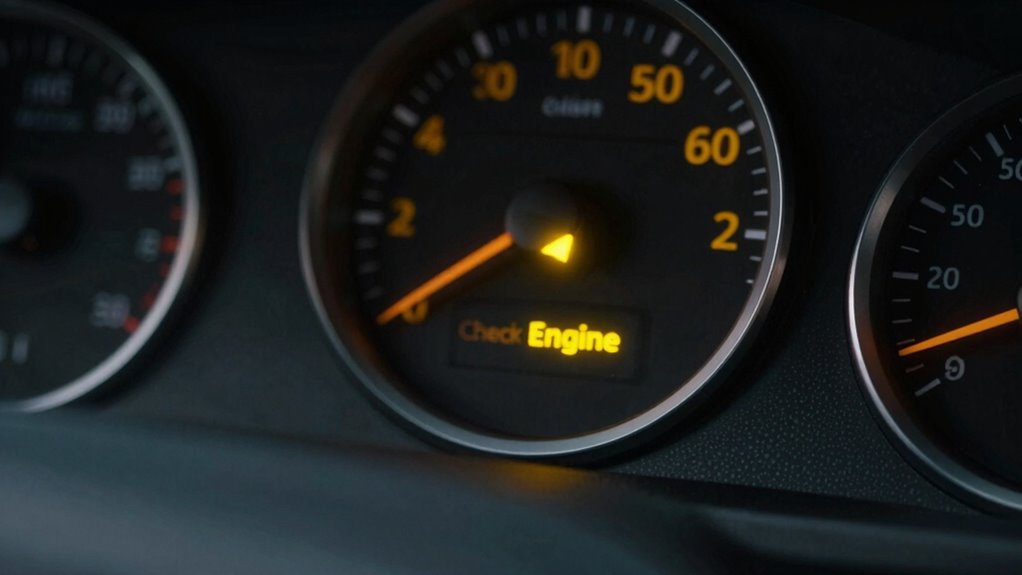

If your check engine light comes on, stay calm but pay close attention. A steady light often means a minor issue, like a loose gas cap, and it’s usually safe to drive temporarily. However, if it flashes or you notice strange noises, vibrations, or loss of power, stop driving immediately and seek help. Continuing to drive could cause serious damage. Keep going to discover more about when it’s safe to hit the road again.

Get business pricing on garage and car supplies
- Business-only prices and quantity discounts
- Tax-exempt purchasing
- Multiple users, one account, clear invoices
Key Takeaways
- A steady check engine light typically indicates minor issues, allowing safe continued driving temporarily.
- A flashing or blinking light signals urgent problems, requiring immediate stop and professional inspection.
- If there are no unusual noises, vibrations, or odors, and the vehicle runs smoothly, it’s generally safe to keep driving.
- Symptoms like loss of power, stalling, or warning lights combined suggest you should seek professional help promptly.
- Regularly monitor your vehicle and consult the owner’s manual to understand warning signs and ensure safe driving.
As an affiliate, we earn on qualifying purchases.
What Does the Check Engine Light Signal?
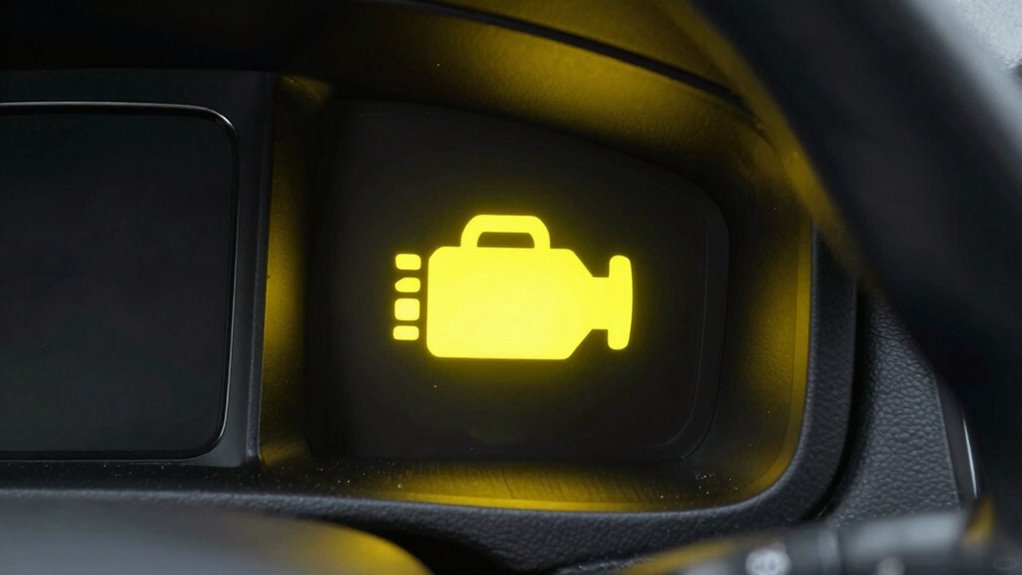
When the check engine light turns on, it’s an alert that your vehicle’s onboard computer has detected a problem. This engine warning signals that something isn’t right with your car’s systems, and you should pay attention. The dashboard indicators work together to give you clues about what might be wrong, but the check engine light is the primary warning. It can indicate a range of issues, from minor glitches to more serious problems. While it might not mean your car is about to break down immediately, it’s essential to make sure it’s addressed. Ignoring this warning could lead to further damage or decreased fuel efficiency. Understanding vehicle diagnostics can help you interpret the severity of the warning and decide on the appropriate action. Regularly monitoring your vehicle’s sensor data can provide additional insights into potential issues before they escalate. Utilizing precise measurement tools can be crucial in accurately diagnosing problems early. Additionally, familiarizing yourself with common warning signs can help you respond more effectively in urgent situations. Being aware of potential causes for the check engine light can assist in determining whether immediate action is necessary. Always get your vehicle checked as soon as the check engine light appears to ensure safe driving.
How Do I Know If My Car Needs Immediate Attention?

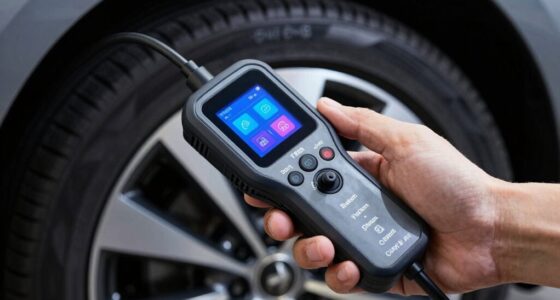
If your check engine light flashes or you notice other warning signs, your car may need immediate attention. Ignoring these cues can lead to severe damage or breakdowns. Use diagnostic tools or visit a mechanic to interpret warning signs accurately. Look out for:
- Unusual noises or vibrations
- Loss of power or stalling
- Burning smell or smoke
- Dashboard warning lights besides the check engine light
These warning signs indicate a serious issue that shouldn’t be delayed. If you experience any of these, stop driving safely and seek professional help promptly. Diagnostic tools can pinpoint the problem quickly, helping you determine whether immediate attention is necessary. Understanding warning signs is essential for safe vehicle operation and preventing costly repairs. Additionally, being aware of vehicle maintenance schedules can help prevent unexpected issues. Regular preventative maintenance can catch problems early before they escalate. Staying informed about early warning signs can make a significant difference in addressing issues promptly. Trust your instincts and prioritize safety to prevent costly repairs.
Is It Safe to Keep Driving When the Light Comes On?
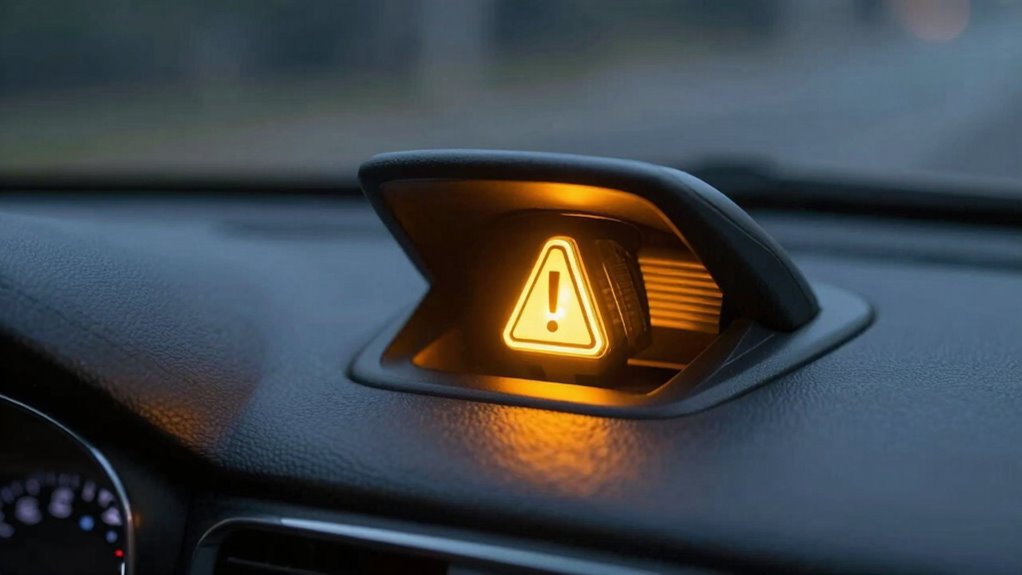
Determining whether it’s safe to keep driving with the check engine light on depends on the specific situation. If the dashboard symbols indicate a minor issue, like a loose gas cap, you might continue driving without immediate risk, but watch for changes. Keep an eye on your fuel efficiency; a sudden drop could signal engine trouble. If the light is steady and your car runs smoothly, it’s generally safe to drive for now. However, if the dashboard symbols show urgent warnings, or if your vehicle starts to sputter, overheat, or make strange noises, you should pull over immediately. Ignoring these signs can lead to more severe damage. Regular vehicle maintenance checks and understanding warning signs are essential for vehicle health, and consulting your owner’s manual can provide specific guidance for your model. Additionally, being aware of vehicle warning lights can help you respond promptly to potential issues. Staying informed about diagnostic trouble codes can also aid in identifying specific problems early. Recognizing early warning signs like unusual odors or vibrations can further prevent damage. Always prioritize safety and consider having your vehicle checked as soon as possible. Incorporating holistic SEO strategies such as regular vehicle maintenance checks and staying informed about warning signs can help prevent complex issues and ensure your safety on the road.
What Should I Do if the Engine Light Flashes or Stays On?
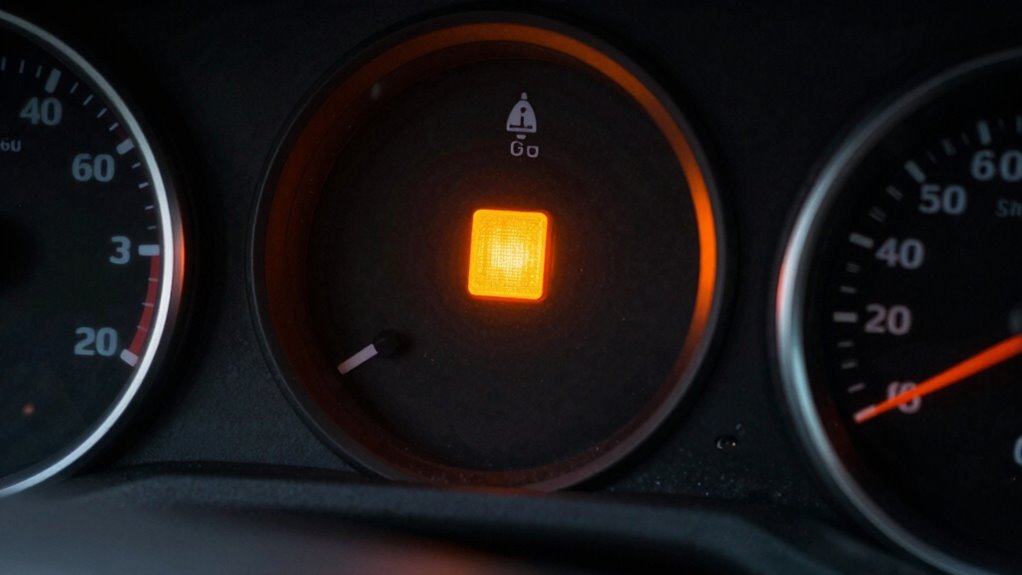
A flashing engine light signals a serious problem that requires immediate attention, while a steady light indicates a less urgent issue. If your engine light flashes or stays on, follow these steps:
- Stop driving safely and avoid high speeds to prevent further damage.
- Use diagnostic tools or visit a mechanic to read the engine codes.
- Check for obvious issues like loose gas caps or visible leaks.
- Note any symptoms such as strange noises or loss of power, which can help diagnose the problem.
- Be aware of warning signs such as engine symptoms that may indicate more serious underlying problems.
Understanding the engine codes from your diagnostic tools can reveal what’s causing the warning. Ignoring a flashing light can lead to costly repairs, so act promptly to protect your vehicle.
When Should I Seek Professional Help for My Vehicle?
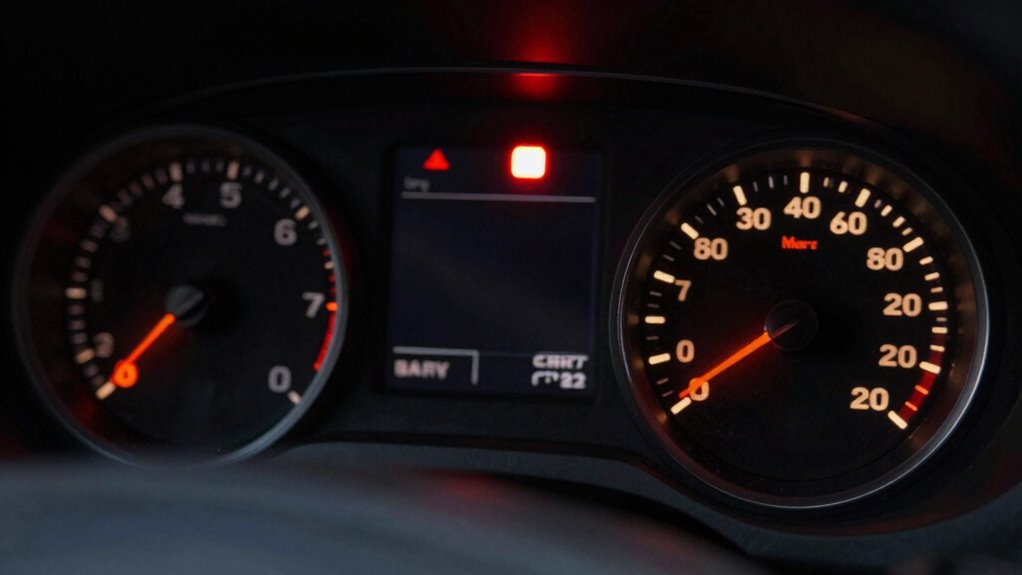
Knowing when to seek professional help is essential to keeping your vehicle running smoothly and avoiding costly repairs. If your check engine light stays on after basic troubleshooting, it’s time to visit a mechanic. They use diagnostic tools to accurately identify the problem, which can prevent further damage. Don’t ignore persistent or worsening warning signs, as unresolved issues can escalate repair costs considerably. If the light flashes or if your vehicle exhibits strange behavior—like stalling, poor acceleration, or strange noises—professional assistance becomes urgent. Addressing problems early with expert help can save you money and keep your car reliable. Remember, while some minor issues are manageable, ongoing or severe warning signals indicate you should seek help promptly. Additionally, understanding vetted diagnostic processes can help you better communicate your vehicle’s issues to professionals. Being aware of common vehicle warning signs can also aid in early detection and intervention. Recognizing factors that influence vehicle diagnostics can further ensure accurate and timely repairs. For example, sensor malfunctions can sometimes lead to false alarms or incomplete diagnoses if not properly checked.
Frequently Asked Questions
Can I Ignore the Check Engine Light if My Car Runs Fine?
You shouldn’t ignore the check engine light even if your engine performance seems fine. Dashboard indicators like this can signal underlying issues that might not be immediately noticeable but could worsen or cause damage over time. Ignoring it could lead to costly repairs later. It’s best to get a diagnostic check to identify the problem early, ensuring your vehicle stays safe and reliable on the road.
How Long Can I Drive With the Check Engine Light On?
Think of your dashboard warning as a red flag waving wildly. You shouldn’t drive long with the check engine light on, as it signals potential issues with engine performance or emissions. Usually, you can drive a few days if the car runs smoothly, but if the light blinks or your engine feels off, stop driving immediately. Ignoring it risks further damage and costly repairs. Always get it checked promptly.
Will Driving With the Light on Damage My Engine?
Driving with the check engine light on can risk engine damage if you ignore it. The light indicates a problem that could worsen if left unaddressed, potentially leading to costly repairs. Perform a quick risk assessment: if the car runs smoothly and there are no unusual noises or vibrations, it’s probably safe to keep driving temporarily. However, if you notice trouble, get a mechanic to diagnose the issue promptly to prevent further damage.
Does the Color of the Warning Light Indicate Severity?
Yes, the color of the warning light indicates severity. A red warning light means urgent warning and you should stop driving immediately to avoid damage. An amber or yellow light signals caution; you can usually drive but should get your vehicle checked soon. Green or blue lights are informational and don’t usually require immediate action. Pay attention to the color meaning to prioritize safety and prevent further issues.
Are There Any Temporary Fixes Before Visiting a Mechanic?
If your check engine light comes on, a temporary fix might help you avoid immediate repairs. You can try a quick repair like tightening the gas cap, as a loose cap often triggers the light. However, avoid relying solely on a temporary fix; it’s best to visit a mechanic soon. Remember, temporary fixes aren’t permanent solutions and could mask underlying issues that need professional attention.
Conclusion
Remember, your check engine light is like a warning bell, signaling that something needs your attention. Don’t ignore it or let it fester like a small leak that could turn into a flood. If you’re unsure, it’s best to play it safe and consult a professional. Staying proactive keeps your car running smoothly and your worries at bay. Trust your instincts—your vehicle’s health is the road map to your peace of mind.
Fall Picks
fall essentials
As an affiliate, we earn on qualifying purchases.