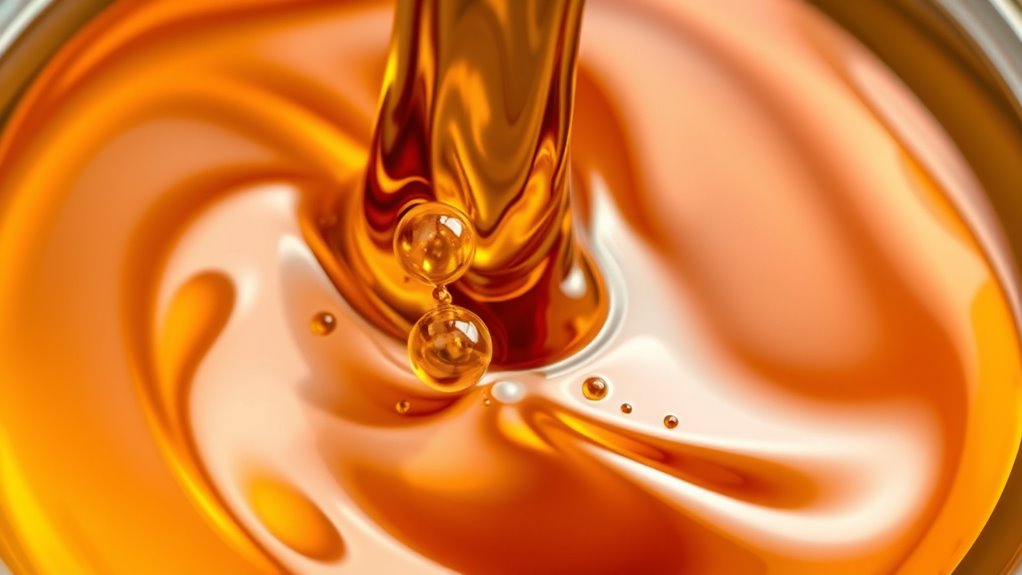

Engine oil lubricates your engine by forming a thin film that reduces friction between moving parts, preventing wear and metal-to-metal contact. It also plays an essential role in cooling by absorbing heat generated from combustion and friction, then transferring it away from critical components. The oil’s viscosity helps it flow effectively at different temperatures, ensuring both lubrication and heat transfer work hand in hand. To discover more about how this balancing act keeps your engine running smoothly, keep exploring further.
Key Takeaways
- Engine oil forms a thin film between moving parts, reducing friction and preventing metal-to-metal contact.
- It circulates quickly upon engine start, coating components to ensure smooth operation and minimize wear.
- Oil absorbs heat from combustion and friction, transferring it away from engine parts to prevent overheating.
- Proper viscosity allows oil to flow easily at low temperatures and maintain a protective film at high temperatures.
- Effective heat dissipation depends on the oil’s flow characteristics, balancing lubrication with thermal transfer.
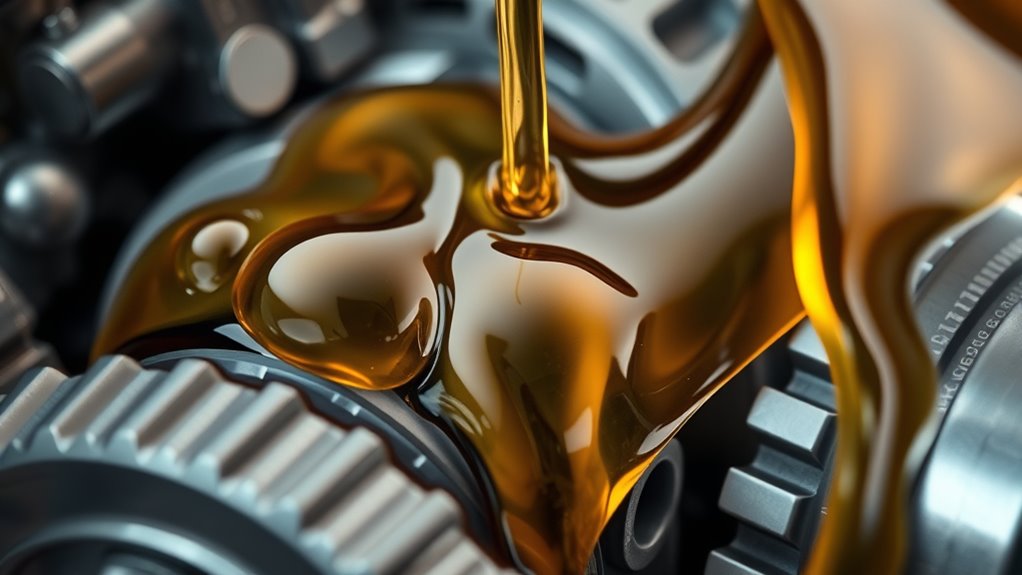
Engine oil plays a pivotal role in keeping your vehicle running smoothly by both lubricating moving parts and preventing overheating. When you start your engine, the oil circulates quickly through various components, forming a thin film that reduces friction and prevents metal-to-metal contact. This lubrication is essential because it minimizes wear and tear, making sure your engine stays efficient over time. One key factor influencing how well your oil performs is its oil viscosity, which measures its resistance to flow. Choosing the right viscosity guarantees that the oil is thick enough to coat engine parts at low temperatures but thin enough to flow freely when the engine heats up. This balance allows the oil to adapt to different operating conditions, maintaining proper lubrication and protecting your engine.
Beyond lubrication, engine oil also plays a significant role in heat transfer mechanisms within your vehicle. As your engine runs, it generates a substantial amount of heat from combustion and friction. Without proper cooling, this heat can cause parts to warp or seize, leading to costly repairs. The oil absorbs much of this heat as it circulates, helping to transfer it away from critical components. This heat transfer process relies on the oil’s ability to flow and absorb thermal energy efficiently. When the oil warms up, it carries heat away from hot spots, distributing it throughout the oil pan where it can dissipate. This continuous cycle of heat absorption and transfer keeps the engine operating at ideal temperatures, preventing overheating.
The effectiveness of heat transfer mechanisms depends heavily on the oil’s properties. Thinner oils with lower viscosity tend to flow more easily, enhancing heat dissipation, especially during high-stress conditions like towing or aggressive driving. Conversely, thicker oils provide better film strength at high temperatures, reducing oil consumption and maintaining lubrication when the engine is under heavy load. The dual roles of lubrication and heat transfer are interconnected: proper oil viscosity ensures that the oil can both coat engine parts effectively and carry away heat efficiently. If the oil is too thick, it may not flow quickly enough to transfer heat effectively; if it’s too thin, it might not provide sufficient lubrication under high temperatures.

MOLUCKFU Engine Oil Comparator Tool and Transmission Oil Viscosity Tester Acrylic Stand for Accurate Car Maintenance and Quality Testing
Versatile functionality: not only compares engine oil but also tests the viscosity of transmission oil, providing comprehensive oil…
As an affiliate, we earn on qualifying purchases.
As an affiliate, we earn on qualifying purchases.
Frequently Asked Questions
How Often Should Engine Oil Be Changed for Optimal Lubrication?
You should change your engine oil every 3,000 to 5,000 miles, but it depends on your vehicle and driving habits. Check your maintenance schedules for specific oil change intervals recommended by the manufacturer. Regular oil changes guarantee ideal lubrication, prevent engine wear, and maintain cooling efficiency. Don’t forget to monitor oil levels and quality between scheduled changes to keep your engine running smoothly and efficiently.
What Additives Improve Engine Oil’s Cooling Properties?
You can enhance your engine oil’s cooling properties by using additives like dispersants, antioxidants, and viscosity modifiers. These additive types promote cooling enhancement by reducing friction, preventing sludge buildup, and maintaining ideal viscosity at high temperatures. When selecting an additive, ensure it’s compatible with your oil and engine. Regularly using cooling-enhancing additives helps keep your engine running cooler, extending its lifespan and maintaining peak performance.
Can Synthetic Oil Outperform Conventional Oil in Lubrication?
Yes, synthetic oil often outperforms conventional oil in lubrication. Its synthetic advantages include better viscosity stability, enhanced film strength, and superior resistance to breakdown under high temperatures. This means you’ll experience smoother engine performance and longer oil longevity. Synthetic oils also protect your engine more effectively over time, reducing wear and extending intervals between oil changes, making them a smart choice for durability and ideal lubrication.
How Does Engine Oil Viscosity Affect Cooling Efficiency?
Like a skilled alchemist, your engine’s oil relies on viscosity effects to balance lubrication and cooling. Thinner oils flow more easily, enhancing cooling performance by dissipating heat faster, while thicker oils provide a protective film but may reduce heat transfer. You should choose the right viscosity for your engine’s needs to optimize cooling efficiency, preventing overheating and ensuring smooth operation under varying conditions.
What Are Signs of Engine Oil Breakdown Affecting Lubrication?
You’ll notice engine oil breakdown when you see increased engine noise, rough idling, or reduced performance. Oil contamination or viscosity changes can cause poor lubrication, leading to overheating or increased wear. If the oil appears dirty, gritty, or has a burnt smell, it’s a sign it’s breaking down. Regular oil checks help you catch these issues early, preventing engine damage and maintaining peak lubrication.
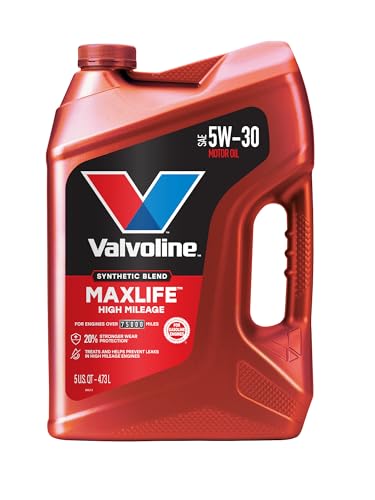
Valvoline MaxLife High Mileage 5W-30 Synthetic Blend Motor Oil 5 Quart
Formulated for engines with 75,000 miles or more, Valvoline MaxLife High Mileage synthetic blend is formulated with seal…
As an affiliate, we earn on qualifying purchases.
As an affiliate, we earn on qualifying purchases.
Conclusion
Now that you understand how engine oil acts like a diligent guardian, silently protecting your engine from wear and overheating, you can appreciate its essential role. Think of it as the lifeblood that keeps your engine heartbeat steady and strong. By maintaining proper oil levels and quality, you’re fueling this powerful protector. Remember, a well-oiled engine isn’t just running; it’s dancing smoothly on the road, ready to face any journey with confidence.
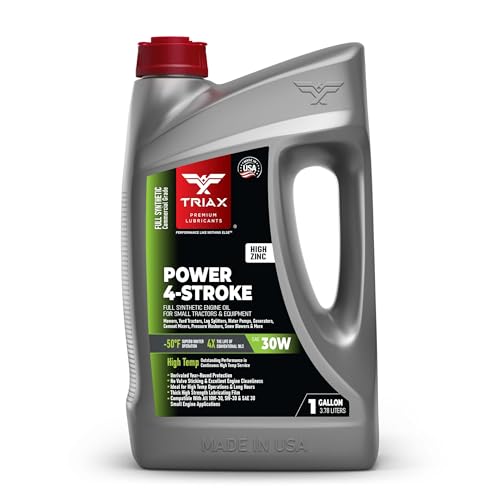
TRIAX Power 4-Stroke SAE 30W Full Synthetic 4 Cycle Small Engine Motor Oil | For Lawnmower, Generator, Tractor, Log Splitter, Snow Blower, Pressure Washer, Cement Mixer, and More (1 Gallon)
HIGH-ZINC FORMULA: Contains 2X the zinc of OEM and competitor oils, delivering unmatched wear protection for small engines
As an affiliate, we earn on qualifying purchases.
As an affiliate, we earn on qualifying purchases.

Toyota Genuine Oil Filter, 90915-YZZN1, OEM Engine Filter for Toyota and Lexus
GENUINE OEM: Original Toyota/Lexus factory oil filter part number 90915-YZZN1, ensuring perfect fit and optimal performance for your…
As an affiliate, we earn on qualifying purchases.
As an affiliate, we earn on qualifying purchases.