TL;DR
Drivers’ interest in simpler, less connected vehicles is drawing attention as new-car prices and frustration with in-car technology rise. A 2026 QNX survey found that nearly 80% of surveyed software-defined-vehicle experts thought a deliberately minimalist vehicle could succeed, but the survey measured industry views, not consumer demand. Slate Auto says it has more than 180,000 reservations for a planned $25,000 electric pickup.
Drivers’ frustration with expensive new cars and complicated in-car technology is prompting renewed interest in simpler vehicles, according to a Slate report published Nov. 27. The report points to a planned $25,000 electric pickup from Slate Auto as one test of whether buyers will choose fewer digital features for a lower price, though broad consumer demand has not been established by the evidence cited.

Get business pricing on garage and car supplies
- Business-only prices and quantity discounts
- Tax-exempt purchasing
- Multiple users, one account, clear invoices
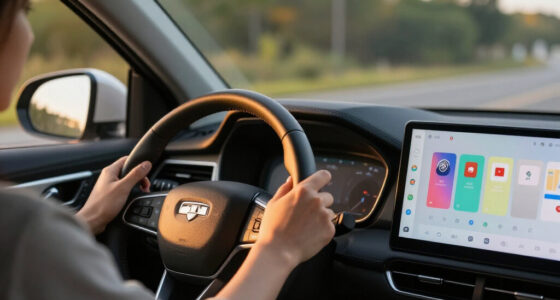
The Slate report describes complaints about touch-screen controls, layered menus, repeated alerts and concerns over how connected vehicles use personal data. It also recounts a family’s contrast between a 2023 Fisker Ocean, with a large rotating screen and other digital features, and a 2005 Honda Element. The writer says his 16-year-old son prefers the older, more basic vehicle. That is an anecdote, not a measure of how young drivers generally feel.
A 2026 report from QNX, a BlackBerry division, asked software-defined-vehicle experts whether a deliberately minimalist, low-tech vehicle could succeed. Almost 80 percent of those surveyed said yes, according to the Slate report. QNX global product marketing director John Pelliccio cautioned that the survey asked industry experts, not consumers, about the idea.
Slate Auto, an electric-vehicle startup backed by Jeff Bezos, says it plans to deliver a $25,000 pickup by the end of 2026. The basic two-seat vehicle is described as having hand-crank windows, no infotainment system and no speakers; buyers can reportedly convert it to an SUV for an additional $5,000 to $7,000. Slate says it has more than 180,000 reservations. A reservation count does not establish how many customers will complete a purchase.
Affordability Meets Dashboard Frustration
The interest matters because vehicle prices and the driving experience are connected in buyers’ decisions. Features intended to make cars more capable can also add cost and complexity. A vehicle built around fewer screens and connected services could appeal to shoppers who would rather pay for basic transportation than technology they do not use.
There is a practical limit to that pitch: a low feature count alone does not prove a car will be affordable, reliable or safe. The Slate truck’s planned price, delivery timing and eventual buyer response will help show whether simplicity can translate into a product that customers can buy at the advertised price. The QNX survey offers a signal of industry interest, not proof that a large market exists.
The debate also touches privacy and control. Connected cars can collect and transmit data, but the report does not establish how much information a particular vehicle collects or what every automaker does with it. Buyers considering a vehicle still need specific information about its data practices, equipment and ongoing costs.
Products Worth Considering

Chemical Guys 14-Piece Arsenal Builder Car Wash Kit with Foam Blaster

Autel MaxiCOM MK808S Bidirectional Automotive Diagnostic Scanner

NOCO Boost GB150 3000A 12V Lithium Jump Starter
As an affiliate, we earn on qualifying purchases.
How Cars Became More Digital
The report says automakers expanded in-car technology over decades as customers sought more features and manufacturers pursued larger, more profitable SUVs. It also describes how car companies built their own infotainment systems partly to retain control of the interface and data business rather than ceding it to Apple CarPlay or Android Auto. Some systems became difficult to use, with drivers facing menus for routine tasks.
Modern vehicles increasingly rely on onboard software and connectivity, while some buyers have responded to digital overload in other areas by choosing simpler phones or apps. The report compares that interest with a desire for less connected cars, but does not present consumer polling showing how widespread the preference is. It also notes that basic used cars can be hard to find in good condition, leaving buyers who want fewer features with limited choices.
“Sometimes the tech is so in-your-face that it becomes difficult rather than supportive.”
— John Pelliccio, QNX global product marketing director, speaking to Slate
Reservations Are Not Completed Sales
Consumer demand remains uncertain. The QNX figure reflects the views of surveyed software-defined-vehicle experts, and Slate Auto’s reservation total is a company-reported figure. The report does not say how many reservations are refundable, how many holders will place orders or how many vehicles the company can deliver.
The planned price and end-of-2026 delivery target are also not the same as a confirmed sale or delivery. The source material does not establish the final production specifications, availability, financing costs or whether the base vehicle’s price will remain unchanged. It also does not provide a detailed comparison of the truck’s safety equipment with other new vehicles.
More broadly, it remains unclear whether buyers want a genuinely low-tech car or mainly want familiar conveniences presented in a less frustrating way. The report offers examples and industry views, but no representative consumer survey resolving that question.
Slate’s Delivery Target Will Test Demand
The next test is whether Slate Auto can begin deliveries by its stated end-of-2026 target and sell vehicles near the advertised $25,000 starting price. Details about production, final specifications and order conversions would give a clearer picture than reservation totals alone.
For other automakers, the question is whether they respond with simpler, lower-priced models or make existing systems easier to use. The report identifies growing dissatisfaction but does not announce a wider industry shift. Until more pricing, production and sales information emerges, a successful market for deliberately basic cars remains a possibility rather than a confirmed trend.
Key Questions
Why are some drivers interested in simpler cars?
The Slate report identifies price, complicated interfaces, frequent alerts and privacy concerns as reasons some drivers may prefer fewer digital features. It does not establish how common that preference is across the driving public.
What is Slate Auto planning to sell?
Slate Auto plans a $25,000 electric pickup with a basic two-seat setup, hand-crank windows, no infotainment system and no speakers, according to the report. It says the pickup can be converted to an SUV for an additional $5,000 to $7,000.
Does the QNX survey prove consumers want low-tech cars?
No. Nearly 80% of the surveyed software-defined-vehicle experts reportedly thought a minimalist vehicle could succeed. The survey asked industry experts, not consumers, so it does not directly measure buyer demand.
Do Slate Auto’s reservations guarantee sales?
No. Slate says it has more than 180,000 reservations, but the report does not say how many will become completed orders or purchases. Reservations are not confirmed sales.
When could the Slate pickup arrive?
Slate Auto expects deliveries to begin by the end of 2026, according to the report. Whether it meets that target, and what final production details and pricing will be, remains unclear.
Source: slate.com