Ignoring routine maintenance might save you money in the short term, but it quickly leads to bigger, costly problems. Small issues can turn into major repairs, equipment wears out faster, and vehicles or machinery break down more often. This results in higher repair bills, reduced lifespan, and increased operational downtime. Skipping scheduled check-ups also risks voiding warranties, leaving you to cover expenses that could have been avoided. To understand how these costs add up, keep going.
Key Takeaways
- Skipping routine maintenance leads to small issues escalating into costly, major repairs over time.
- Neglect accelerates equipment and vehicle deterioration, shortening lifespan and increasing replacement expenses.
- Ignoring maintenance reduces efficiency, raises operational costs, and causes higher fuel consumption and emissions.
- Failing to follow maintenance schedules can void warranties, resulting in out-of-pocket repair costs.
- Overall, neglecting routine upkeep results in significantly higher long-term expenses and operational disruptions.

Neglecting routine maintenance may seem like a way to save money in the short term, but it often leads to costly repairs and replacements down the line. When you skip regular check-ups or servicing, you’re essentially allowing small issues to fester into major problems. Over time, these neglected problems considerably increase your preventive costs and repair expenses. What might have been a simple fix if caught early becomes an expensive repair that could have been prevented with proper upkeep. For example, ignoring routine inspections of your vehicle’s brakes or engine can lead to component failure, requiring costly replacements that could have been avoided with regular maintenance.
Neglecting routine maintenance turns small issues into costly, preventable repairs over time.
Every time you neglect routine maintenance, you’re risking more than just the immediate problem. You’re also contributing to the wear and tear of your equipment or vehicle, which accelerates deterioration. This means you’ll likely need to replace parts sooner than expected, driving up your repair expenses. The longer you delay addressing minor issues, the more they compound, often culminating in catastrophic failures that demand emergency fixes. These emergency repairs tend to be substantially more expensive than scheduled maintenance, and they often come with the added inconvenience of downtime.
Additionally, ignoring routine maintenance can reduce the efficiency and lifespan of your assets. For vehicles, this means lower fuel economy and increased emissions, which translate into higher ongoing costs. For machinery or appliances, neglect can cause them to operate less effectively, wasting energy and increasing operational costs. Over the long term, the cumulative effect of ignoring preventive costs results in a much higher financial burden. It’s far more economical to follow a regular maintenance schedule that minimizes the risk of unexpected breakdowns.
Moreover, neglecting routine maintenance can also void warranties, leaving you responsible for all repair costs out of pocket. Manufacturers often require proof of regular servicing to honor warranty claims. If you fail to adhere to recommended maintenance intervals, you might find yourself paying full price for repairs that could have been covered. This adds an unnecessary financial strain and underscores the importance of staying on top of scheduled upkeep.
In the end, the true cost of ignoring routine maintenance isn’t just the immediate repair expenses; it’s the cascade of preventable issues that result in higher long-term costs. By investing in regular inspections, oil changes, and part replacements, you’re actually saving money. It’s a small price to pay upfront that can prevent much more substantial financial setbacks in the future. Ultimately, consistent maintenance is an investment that keeps your equipment running smoothly and saves you money over time.

Gilprop 400 Set Small Driver Multi Point Inspection Form Vehicle Annual Checkup Detailed 2-ply Carbonless Vehicle Dot Inspection Form Easy Tear Out Auto Repair Report for Driver 5.91 x 8.27 Inch
Package: each vehicle inspection form includes 8 books, offering you a total of 400 pages; With 50 copies…
As an affiliate, we earn on qualifying purchases.
As an affiliate, we earn on qualifying purchases.
Frequently Asked Questions
How Often Should Routine Maintenance Be Performed?
You should perform routine maintenance based on your vehicle’s specific schedule, typically every 3,000 to 7,500 miles, depending on the manufacturer’s recommendations. Implement preventive strategies by adhering to maintenance scheduling for oil changes, tire rotations, and inspections. Regular check-ups help catch issues early, saving money and preventing breakdowns. Stay proactive by following your vehicle’s maintenance plan, which guarantees peak performance and extends its lifespan.
What Are Signs That Maintenance Is Overdue?
You might notice your equipment acting up or making unusual noises—that’s a clear sign maintenance is overdue. These early indicators often come before costly breakdowns, making preventive checks essential. When systems run less smoothly, or performance drops unexpectedly, it’s time for a timely inspection. Ignoring these signs can lead to bigger problems, but catching them early keeps your equipment running efficiently and saves you money in the long run.
Can Ignoring Maintenance Void Warranties?
Ignoring maintenance can void your warranty because many warranty policies include specific maintenance clauses. If you neglect routine upkeep, warranty claims might be denied, leaving you responsible for repairs. Manufacturers often require proof of regular maintenance to honor warranty coverage. So, it’s essential to follow maintenance schedules outlined in your warranty to guarantee your coverage stays valid and you don’t face unexpected expenses.
What Are Hidden Costs of Skipped Maintenance?
Skipping routine maintenance can lead to costly repairs, as small issues often worsen over time. You might also overlook safety hazards, risking accidents or injuries. Without regular checks, you could experience equipment breakdowns that disrupt your activities and incur unexpected expenses. In the long run, neglecting maintenance damages your assets, reduces efficiency, and increases your overall costs. Stay proactive by maintaining your equipment regularly to avoid these hidden, costly problems.
How Can Routine Maintenance Extend Equipment Lifespan?
Ironically, skipping routine maintenance might seem like saving time and money, but it actually shortens equipment durability. By sticking to proper maintenance scheduling, you guarantee your equipment stays in top shape longer. Regular checks and timely repairs prevent wear and tear, extending its lifespan. So, instead of costly replacements, you get more value, and your equipment keeps running smoothly, proving that prevention truly beats cure in the long run.

Lisle 81850 Combination Brake Lining Thickness Gauge, Set of 9 Sizes, Color Coded to Match SAE and Metric Replacement Recommendations
The 9 Piece Manual Brake Gauge Set Allows Brake Pad Wear to be Accurately and Consistently Measured without…
As an affiliate, we earn on qualifying purchases.
As an affiliate, we earn on qualifying purchases.
Conclusion
Ignoring routine maintenance isn’t just a small mistake—it’s like setting a ticking time bomb inside your vehicle. One skipped oil change or neglected brake check could turn your car into a money pit or, worse, a rolling disaster. Don’t let laziness turn into a life-altering catastrophe. Keep up with maintenance, or risk watching your car crumble into a heap of costly repairs faster than you can say “breakdown.” Stay vigilant, save money, and keep your ride alive!
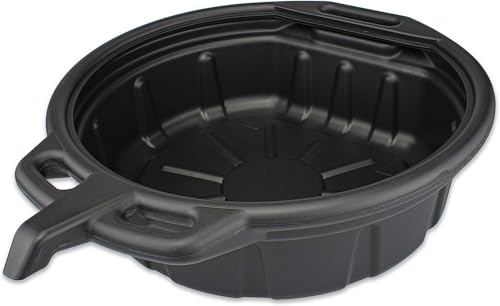
NEIKO 20762A Oil Drain Pan | Black Plastic Anti Splash | Motor Oil Drip Catcher Pan | 2 Gallon (8L) Capacity
[QUALITY]: Oil drip tray is constructed of high quality, recyclable polythene plastic that is resistant to corrosion so…
As an affiliate, we earn on qualifying purchases.
As an affiliate, we earn on qualifying purchases.

300 Pieces Oil Change Stickers, Service Reminder Labels, Auto Maintenance Service Due Reminder Stickers Labels, 2 x 2 Inch, 1 Roll (Black)
【Include】 the oil change reminder stickers come in rolls of 300. Each measures 2” X 2”.Easy tearing for…
As an affiliate, we earn on qualifying purchases.
As an affiliate, we earn on qualifying purchases.