
Understanding the total cost of car ownership means looking beyond the sticker price to include leasing or financing, maintenance, insurance, fuel, depreciation, and unexpected repairs. These expenses add up over time and can impact your budget substantially. Monthly payments are just part of the picture. By considering all these factors, you’ll make smarter choices and better plan your finances with confidence. Keep exploring to get a full picture of what owning a car truly costs.

Get business pricing on garage and car supplies
- Business-only prices and quantity discounts
- Tax-exempt purchasing
- Multiple users, one account, clear invoices
Key Takeaways
- Consider all expenses: leasing costs, maintenance, insurance, fuel, depreciation, and repairs for a complete ownership picture.
- Leasing may seem simple but can become costly with mileage limits, end-of-lease fees, and potential penalties.
- Regular maintenance extends vehicle lifespan and reduces long-term repair costs, impacting overall ownership expenses.
- Depreciation reduces vehicle value over time, affecting resale value and total ownership costs.
- Comparing total costs across options helps make informed, budget-conscious vehicle ownership decisions.
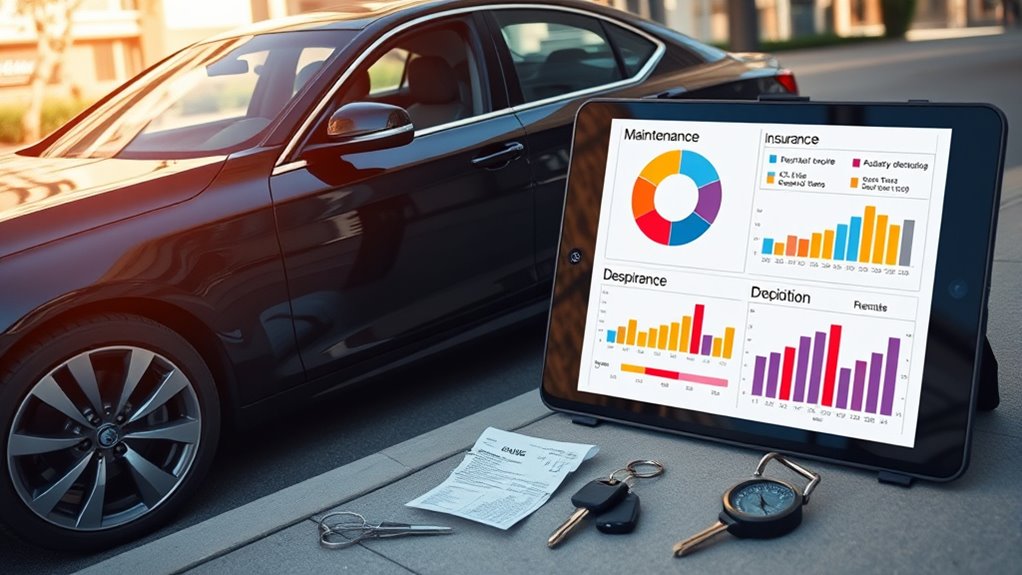
Have you ever wondered what it truly costs to own a car beyond just the purchase price? It’s easy to focus on the sticker price or monthly payments, but the real expenses go far beyond that. When you consider the total cost of ownership, factors like leasing costs and maintenance expenses quickly add up and can substantially impact your budget. Leasing costs, for example, might seem straightforward at first—monthly payments, mileage limits, and possible end-of-lease fees—but they can become more costly if you go over mileage or damage the vehicle. Additionally, if you decide to lease repeatedly, you could end up paying more over time than if you bought a car outright.
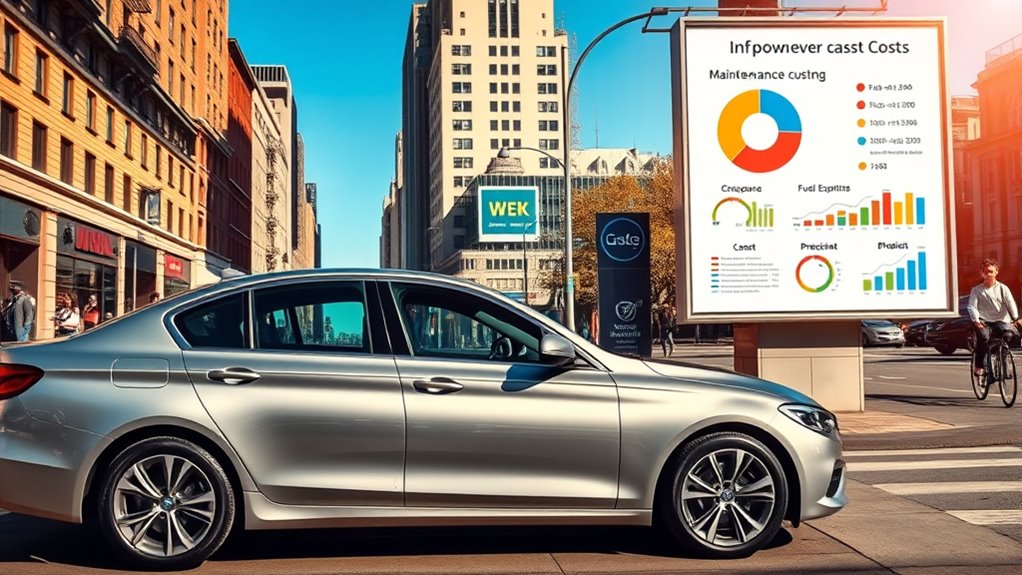
Understanding total ownership costs reveals how leasing and maintenance can impact your budget.
Maintenance expenses are another crucial part of the overall picture. Regular upkeep, such as oil changes, tire rotations, brake replacements, and fluid checks, keeps your car running smoothly and safely. These costs can seem minor individually, but they accumulate over the years. Unexpected repairs, like fixing a transmission or replacing a timing belt, can hit your wallet hard if you’re unprepared. Neglecting maintenance not only increases the chance of costly repairs but can also shorten your car’s lifespan, leading to more frequent replacements.
It’s also necessary to factor in insurance costs, which vary based on your driving history, location, and the type of vehicle you own. Insurance premiums can be a hefty ongoing expense, especially for new or high-performance cars. Fuel costs are another recurring expense; how much you spend depends on your driving habits and the vehicle’s fuel efficiency. Even parking fees and tolls can add up, especially if you commute in busy urban areas.
Depreciation is a less obvious but important cost. As soon as you drive your new car off the lot, its value decreases. Over time, this depreciation can amount to thousands of dollars, which is a hidden expense if you plan to sell or trade in your vehicle later. Resale value impacts your overall costs, especially if you’re considering buying used or trading in your car after a few years.
When you total these costs—leasing, maintenance, insurance, fuel, depreciation, and unexpected repairs—you realize that owning a car isn’t just about the monthly payments. It’s a complex financial commitment that can stretch over years. Being aware of these factors helps you make smarter decisions, whether that’s choosing a more economical vehicle, maintaining it properly, or planning your budget for the long haul. Recognizing the full scope of expenses ensures you’re not caught off guard and can enjoy your vehicle without financial surprises. Additionally, understanding the total cost of ownership can help you compare different vehicle options more effectively and make informed purchasing decisions.
As an affiliate, we earn on qualifying purchases.
Frequently Asked Questions
How Does Fuel Efficiency Impact Total Ownership Costs?
Fuel efficiency directly impacts your total ownership costs by increasing fuel savings, which reduces your overall expenses. When your vehicle has better efficiency metrics, you spend less on gas over time, lowering your monthly and yearly costs. This means you can allocate funds elsewhere, like maintenance or savings. So, choosing a more fuel-efficient car can markedly decrease your long-term expenses and make your ownership experience more affordable.
Are Electric Vehicles Cheaper to Own Long-Term?
Imagine your car as a loyal companion, steady and reliable. Electric vehicles often cost less long-term because you save on fuel and maintenance. However, battery degradation can reduce performance over time, impacting resale value. You might face higher upfront costs, but lower ongoing expenses make EVs cheaper in the long run. Just remember, like any relationship, they require care to keep their value shining bright.
What Maintenance Costs Are Most Predictable?
Predictable maintenance mainly involves routine repairs like oil changes, tire rotations, and brake inspections, which you can schedule regularly. These costs are consistent and easier to budget for because they happen at set intervals. Unlike unexpected repairs, routine maintenance allows you to plan ahead, giving you peace of mind and helping you manage your car ownership costs more effectively. Staying on top of these tasks keeps your vehicle running smoothly.
How Does Car Insurance Vary by Model?
Think of insurance premiums as a reflection of your car’s safety reputation. When choosing a model, you’ll notice premiums vary because some cars are built with advanced safety features, reducing risk. Safer models typically have lower insurance costs, while those with higher repair costs or less crash protection may cost more. Your choice of vehicle directly influences your insurance premiums, making model safety a key factor in your ongoing ownership costs.
When Is the Best Time to Buy a New Car?
The best time to buy a new car is typically at the end of the year or during holiday sales events when dealerships offer leasing options and incentives. During these periods, you can take advantage of dealership incentives that lower costs or provide better leasing terms. Act quickly, as these deals are time-sensitive, and being flexible with models increases your chances of securing a great deal.
Conclusion
Now that you know the total costs involved, you’re better equipped to plan your car purchase wisely. For example, if you buy a reliable used car, you might save on depreciation and insurance, but you’ll still need to budget for maintenance. By considering all these factors, you’ll avoid surprises and make smarter choices. Remember, understanding the full picture helps you enjoy your ride without financial stress down the road.
Fall Picks
fall essentials
As an affiliate, we earn on qualifying purchases.