Using ozone generators in your car can be dangerous. They produce ozone, which can irritate your lungs, worsen allergies, and damage vehicle components if misused. Prolonged exposure may lead to respiratory problems and long-term health issues. Always operate ozone devices only when the car is unoccupied, make certain proper ventilation afterward, and follow safety guidelines. To learn how to protect yourself and explore safer options, keep going—you’re about to discover more.
Key Takeaways
- Ozone generators can harm your lungs and worsen respiratory conditions; avoid using them in enclosed vehicle spaces.
- Always ventilate thoroughly and wait at least 30 minutes after ozone treatment before re-entering your car.
- Never operate ozone generators in occupied vehicles; keep children and pets away during use.
- Follow manufacturer instructions and local regulations to ensure safe ozone levels and prevent vehicle damage.
- Consider safer odor removal alternatives like air purifiers, baking soda, or natural ventilation instead of ozone generators.

Pure Enrichment PureZone Mini Portable Air Purifier – Cordless True HEPA Filter Cleans Air & Eliminates 99.97% of Dust, Odors, & Allergens Close to You – Cars, School, & Office (Black)
PERSONAL AIR PURIFIER: Designed for small space use, this convenient, portable travel air purifier cleans 6ft² of air…
As an affiliate, we earn on qualifying purchases.
As an affiliate, we earn on qualifying purchases.
What Are Ozone Generators and How Do They Work in Cars?
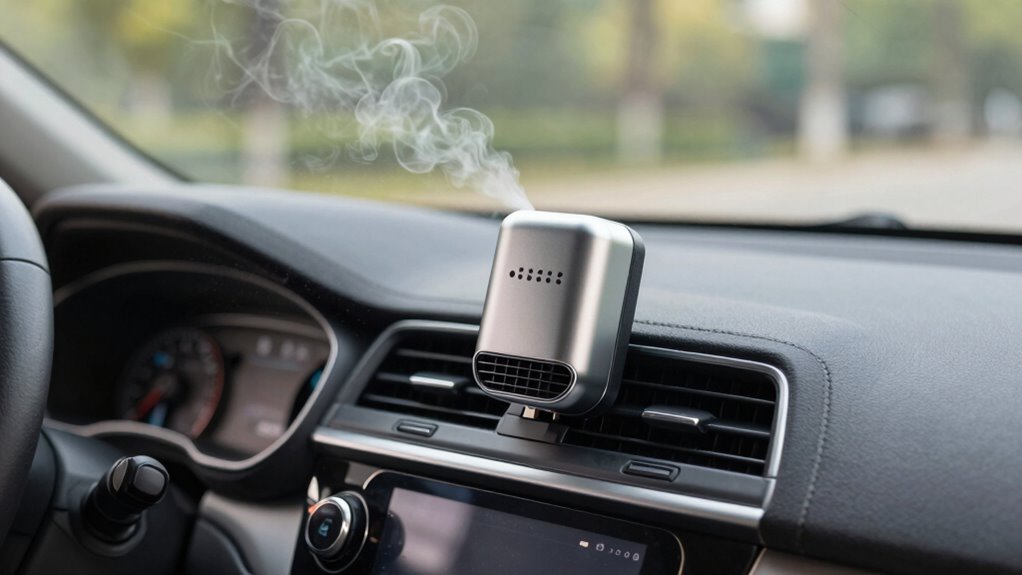
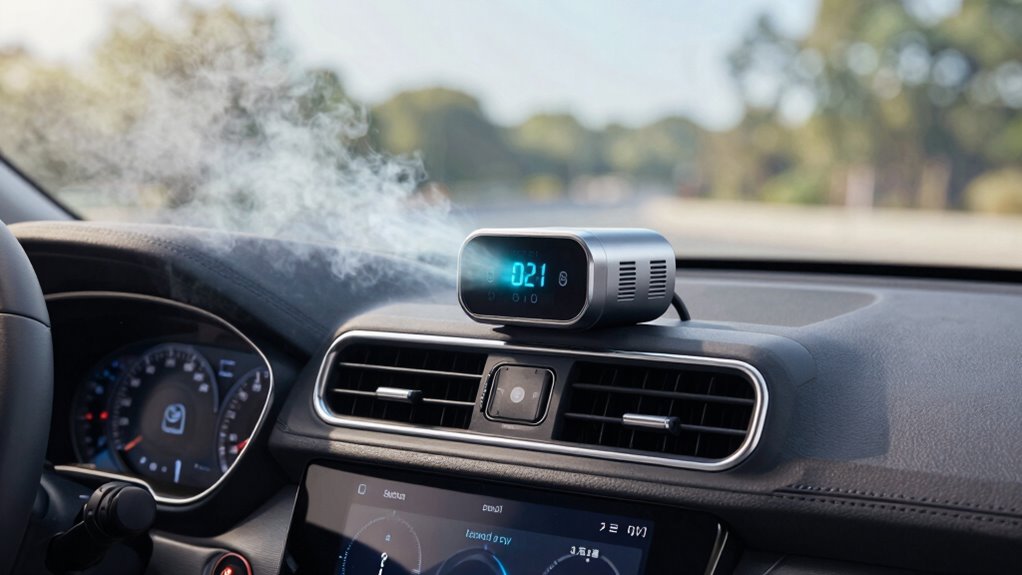
Have you ever wondered how ozone generators eliminate stubborn odors in cars? They work by producing ozone, a powerful oxidizer that reacts with odor-causing molecules, breaking them down. This process enhances air purification within your vehicle, effectively removing smoke, pet smells, and mold. Ozone generators are popular for vehicle maintenance because they can reach hidden areas and neutralize odors deep within upholstery and vents. When operated correctly, they improve the cabin’s air quality without the need for harsh chemicals. Additionally, understanding ozone safety measures is crucial because improper use can pose health risks. Using proper ventilation practices during and after ozone treatment helps prevent any potential health effects. Proper device operation is essential to ensure safety while maximizing odor elimination. However, they aren’t just air purifiers; they also help maintain a fresher environment in your car. Understanding how these devices function helps you see their role in keeping your vehicle smelling fresh, but safety precautions are essential to avoid potential hazards.
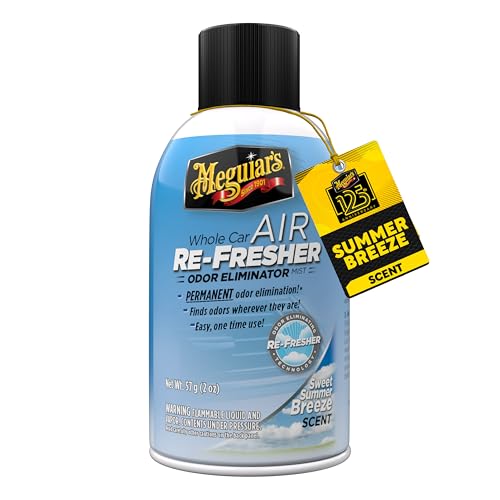
Meguiar's Whole Car Air Refresher, Odor Eliminator Spray Eliminates Strong Vehicle Odors, Summer Breeze 2 Oz Spray Bottle
WHOLE CAR AIR REFRESHER: This convenient car air freshener mist combats strong vehicle odours while infusing your cabin…
As an affiliate, we earn on qualifying purchases.
As an affiliate, we earn on qualifying purchases.
Why Is Using Ozone Generators in Your Vehicle Dangerous?
While ozone generators effectively remove odors when used properly, operating them in your vehicle can pose serious health risks. Ozone generation inside a car interior can damage your lungs and cause respiratory problems. Here’s why it’s dangerous:
- Respiratory Irritation: Ozone reacts with your respiratory system, leading to coughing, throat irritation, and shortness of breath.
- Lung Damage: Prolonged exposure can harm lung tissue, especially in sensitive individuals.
- Allergy Aggravation: Ozone can worsen allergies and asthma symptoms.
- Material Degradation: Ozone can deteriorate rubber, plastics, and fabrics in your car interior, reducing their lifespan.
Additionally, air quality inside your vehicle can be compromised, increasing health risks for passengers. Proper ventilation is essential to minimize these risks during any cleaning process.
Avoid using ozone generation devices in enclosed spaces like your vehicle to protect your health and car’s materials.

CYDZSW Car Solar Powered Window Exhaust Fan,Car Air Purifier,Car Solar Power Air Vent Radiator Fans for Backseat or Frontseat,Vehicle Ventilation Fan(Black)
Health: Air convection is good for your health, allowing you and your family to enjoy a non-toxic and…
As an affiliate, we earn on qualifying purchases.
As an affiliate, we earn on qualifying purchases.
What Are the Health Risks of Ozone Exposure Inside Cars?
When you use ozone generators inside your car, you risk irritating your respiratory system and worsening asthma symptoms. Prolonged exposure can also cause long-term lung damage, affecting your breathing over time. Understanding these health risks helps you make safer choices for your vehicle environment. Additionally, using improper air purification methods may introduce harmful air pollutants into your enclosed space, further endangering your health. It’s important to be aware that ozone can react with other chemicals in the air, creating additional health hazards that can compromise your respiratory well-being. Recognizing the potential chemical reactions is crucial to avoid unknowingly generating dangerous byproducts that could harm your lungs. Being mindful of the microplastics in dust and other contaminants present can help you better assess the safety of your car’s air quality. Moreover, indoor air quality assessments can help identify unseen pollutants that may accumulate in vehicle interiors over time.
Respiratory Irritation Risks
Ozone exposure inside your car can cause significant respiratory irritation, especially for sensitive individuals. Poor air quality resulting from ozone can lead to coughing, throat discomfort, and shortness of breath. This happens because ozone reacts with chemicals in the air, creating harmful byproducts that irritate your respiratory system. Additionally, improper use of ozone generators can disrupt the vehicle’s air filtration systems, potentially releasing more pollutants into the cabin environment. When ozone interacts with electric vehicle components, it may produce additional pollutants or damage sensitive electronics. It is also important to consider that Gold IRA rollovers involve transferring funds into specialized accounts, which can impact the overall safety of your investments if not managed properly. Furthermore, ozone can contribute to the formation of secondary pollutants, increasing the health risks associated with its use. To fully understand these effects, it’s essential to recognize how indoor air quality impacts respiratory health. Here are the key risks:
- Breathing difficulties due to inflamed airways
- Increased mucus production causing congestion
- Aggravation of existing respiratory conditions
- Chemical reactions releasing irritants into the air
These effects highlight how ozone alters air quality inside your vehicle, making it unsafe. Avoid using ozone generators, as they may worsen your respiratory health through these chemical reactions and air quality changes.
Asthma Exacerbation Concerns
Exposure to ozone inside your car can considerably worsen asthma symptoms, even if you usually manage your condition well. Ozone effects on indoor air quality can trigger attacks, making breathing difficult. When ozone reacts with pollutants in your car, it can produce irritating particles that worsen airway inflammation. Additionally, understanding digital content formats can help you identify safer alternatives for air purification. Being aware of early warning signs for respiratory issues can help you take immediate action to protect your health. Recognizing air quality indicators can further assist in avoiding harmful ozone exposure levels. Monitoring cookie categories can also inform you about how online tracking might influence your awareness of air quality products.
Long-Term Lung Damage
Prolonged inhalation of ozone inside your car can lead to lasting damage to your lungs, increasing the risk of chronic respiratory issues. Poor air quality caused by ozone exposure can harm your lung tissue over time, especially if you use ozone generators frequently. To understand the risks, consider these points:
- Ozone irritates lung tissues, leading to persistent inflammation.
- Continuous exposure may cause reduced lung function.
- Long-term damage increases susceptibility to respiratory diseases.
- Ozone’s pollutant removal ability doesn’t outweigh its threat to your air quality.
- Monitoring your air quality levels can help prevent overexposure to harmful ozone concentrations.
Additionally, ozone levels can fluctuate depending on the environment, making it difficult to gauge safe exposure without proper detection tools. Using ozone generators inside cars can compromise your lung health, making it crucial to prioritize safer air quality solutions. Avoid relying on ozone for pollutant removal if you want to protect your long-term respiratory health.
Furthermore, understanding air quality standards can guide you in maintaining a safer environment and avoiding health risks associated with ozone overexposure.

Enviroscent Non-Toxic* Car Air Freshener Auto Stix® – Scents Made Safer – Enjoy Fragrance Lasts Up to 180 Days – Includes Auto Stix® Diffusers & Elastic Loops – Seaside Coconut & Verbena (Pack of 3)
COCONUT & VERBENA: Start your day with a touch of luxury. The smooth coconut and pineapple notes blend…
As an affiliate, we earn on qualifying purchases.
As an affiliate, we earn on qualifying purchases.
How to Use Ozone Generators Safely in Your Car?
After using an ozone generator in your car, make certain to ventilate the space thoroughly before entering again. Keep exposure time limited to reduce health risks. Following these steps helps guarantee you use ozone generators safely and effectively. Additionally, understanding effective weight management techniques can provide insight into maintaining overall health while ensuring safety during ozone treatments.
Ventilate After Use
Once you’ve finished using an ozone generator in your car, it’s crucial to ventilate the space thoroughly before re-entering. Proper ventilation ensures your air quality is restored and any residual ozone dissipates, preventing potential health risks. To do this effectively, follow these steps:
- Open all windows and doors to maximize airflow.
- Turn on the car’s ventilation system to facilitate circulation.
- Leave the space ventilated for at least 30 minutes, or longer if possible.
- Check that ozone levels are safe before re-entering, using an ozone monitor if available.
This process helps maintain ideal air purification and ensures that harmful ozone does not linger, protecting your health and ensuring clean, fresh air inside your vehicle.
Limit Exposure Time
How long you run an ozone generator in your car directly impacts safety. Ozone generator mechanics determine how quickly ozone levels rise, so limiting exposure time is essential. Follow your vehicle ozone policies and manufacturer guidelines to avoid overexposure. Typically, running the generator for 15 to 30 minutes is enough to disinfect the interior without risking health issues. Avoid leaving the ozone generator on longer than necessary, as prolonged exposure can cause respiratory irritation and other health concerns. After use, always ventilate thoroughly before re-entering. Remember, the goal is to eliminate odors and bacteria safely, not to create hazardous ozone levels. Staying within recommended exposure times guarantees your safety while effectively using your ozone generator in your car.
How to Recognize Signs That Ozone Exposure Is Causing Harm?
Ozone exposure can cause noticeable health issues, and recognizing these signs early is essential for your safety. If you experience symptoms, it may indicate ozone safety concerns. Common health symptoms include:
- Breathing difficulties or shortness of breath
- Coughing or throat irritation
- Chest tightness or discomfort
- Headaches or dizziness
These signs often appear soon after ozone exposure. If you notice any of these symptoms, it’s vital to stop using the ozone generator immediately and ventilate the area. Ignoring health symptoms can lead to more serious issues. Paying attention to these signs helps prevent harm and maintains safe ozone use. Always prioritize your health and be vigilant for any reactions that could signal ozone exposure is causing harm.
Alternatives to Ozone Generators for Freshening Your Car
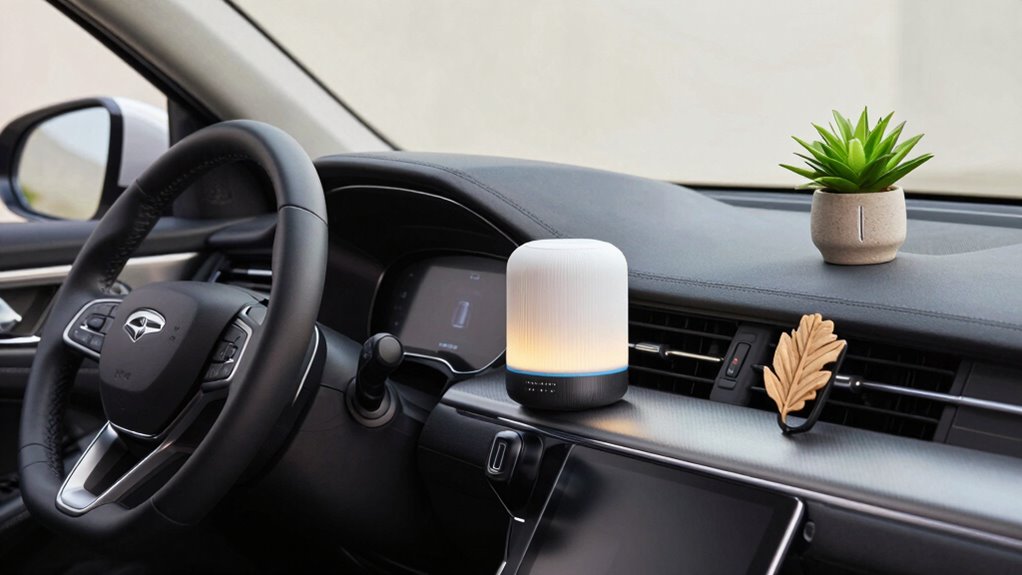
If you’re looking to freshen up your car without the risks associated with ozone generators, there are safer and effective alternatives to contemplate. Air purifier options, especially those with HEPA and activated carbon filters, can effectively remove odors and airborne pollutants. For natural freshening, consider using essential oils or odor absorbers like baking soda, which neutralize smells without chemicals. Regular cleaning, such as vacuuming and wiping surfaces, also helps maintain a fresh environment. Opening windows during drives can improve airflow and reduce stale air. These methods provide a safer, eco-friendly way to keep your car smelling clean without exposing yourself to harmful ozone levels.
| Air Purifier Options | Natural Freshening |
|---|---|
| HEPA filter air purifiers | Essential oils diffusers |
| Activated carbon filters | Baking soda odor absorbers |
| Car-specific portable purifiers | Lemon or citrus peels |
| UV-C light purifiers | Vinegar-based sprays |
| Ionizers (safe models) | Bamboo charcoal bags |
What Regulations and Warnings Should You Know Before Using Ozone Devices?
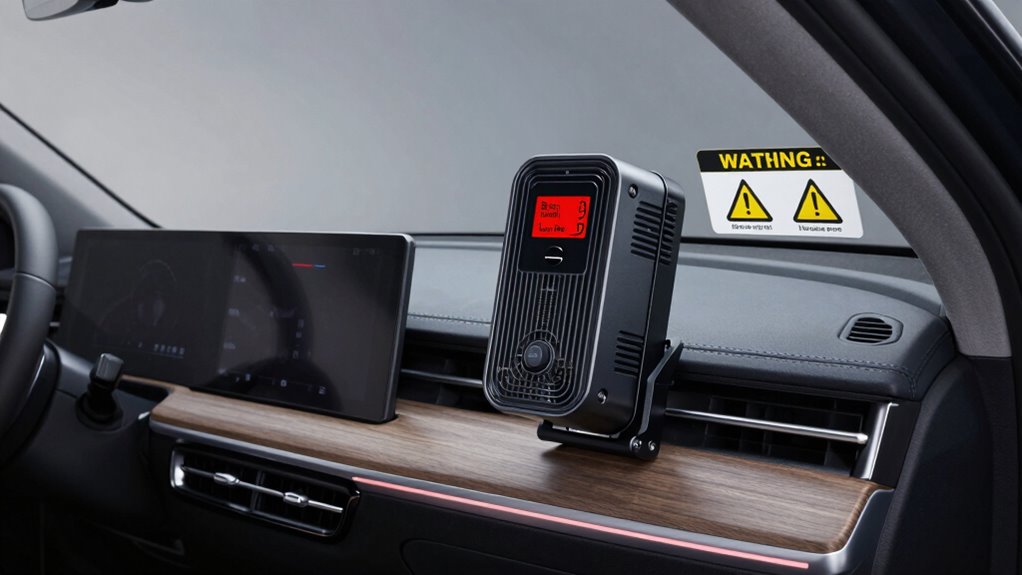
Before using ozone devices, it’s important to understand the regulations and warnings that come with them. Ensuring legal compliance helps prevent fines or safety issues. Manufacturer warnings are essential for safe operation and avoiding health risks. Be aware of these key points:
- Follow local laws and regulations regarding ozone device use.
- Always read and heed manufacturer warnings before operating.
- Use ozone generators only in unoccupied spaces to avoid health hazards.
- Keep children and pets away during and after ozone treatment until proper ventilation occurs.
Ignoring these guidelines can lead to legal issues or health dangers. By respecting manufacturer warnings and adhering to regulations, you protect yourself and others from ozone-related risks. Always prioritize safety over convenience when considering ozone devices.
Frequently Asked Questions
Can Ozone Generators Damage My Vehicle’s Interior Materials?
Yes, ozone generators can damage your vehicle’s interior materials. The high ozone levels may cause interior corrosion and accelerate material degradation, especially on plastics, rubber, and fabric surfaces. You might notice fading, cracking, or weakening of materials over time. To protect your car’s interior, avoid running ozone generators excessively or in enclosed spaces. Proper ventilation and limited exposure can help prevent costly damage and preserve your vehicle’s interior quality.
How Long Should I Run an Ozone Generator in My Car?
You should run an ozone generator in your car for about 15 to 30 minutes to improve air quality safely. Studies show that prolonged ozone exposure can cause respiratory issues, so don’t exceed this time. Keep windows open and avoid being inside during treatment. Remember, while ozone kills odors, overexposure can harm you, so limit running time and always prioritize your safety when improving your vehicle’s air quality.
Are There Specific Types of Ozone Generators Safer for Vehicles?
You should look for vehicle-specific ozone generator types designed for safe use in cars. These models often have features that minimize risks, like lower ozone output and automatic shutoff. Always choose ozone generators labeled for vehicle use, and follow manufacturer instructions carefully. Remember, not all ozone generators are safe for vehicles—opt for those specifically designed for automotive environments to reduce health hazards and ensure effective air purification.
Is Professional Ozone Treatment More Effective Than DIY Methods?
Think of professional ozone treatment as a skilled chef preparing a gourmet meal—more precise and thorough. DIY safety may seem tempting, but it often falls short on professional efficiency, risking inadequate odor removal or safety hazards. Professionals use advanced equipment and techniques, ensuring safer, more effective results. While DIY methods might save money upfront, trusting experts guarantees your vehicle’s air quality is restored safely and completely, like a gust of fresh mountain air.
How Often Should I Use Ozone Generators to Prevent Health Risks?
You should limit ozone generator use to avoid health risks by following proper ventilation strategies and monitoring ozone concentration closely. Use the generator only when spaces are unoccupied, and guarantee good ventilation afterward to disperse residual ozone. Check ozone levels regularly with a detector, keeping them below recommended safety thresholds. This approach minimizes exposure, protecting your health while effectively deodorizing or sanitizing your car or home.
Conclusion
While ozone generators can seem like a quick fix for a fresh-smelling car, safety should always come first. If you’re worried about odors, consider safer alternatives like thorough cleaning or venting. Using ozone devices improperly can harm your health without providing lasting benefits. By understanding the risks and following safety guidelines, you can keep your car fresh without compromising your well-being. Prioritize your safety—your car’s cleanliness doesn’t have to come at a health cost.