
Antifreeze and coolant are related but not exactly the same. Antifreeze is a concentrated liquid that prevents freezing and corrosion, while coolant is a mixture of antifreeze and water designed for peak heat transfer. Coolant also contains additives to protect engine parts. Understanding their differences helps you keep your vehicle running smoothly. If you want to learn how these fluids work together to protect your engine and guarantee efficiency, keep exploring the details.
Key Takeaways
- Antifreeze is a concentrated liquid, while coolant is a water-based mixture with antifreeze and additives.
- They serve different functions: antifreeze lowers freezing points; coolant optimizes heat transfer.
- Coolant typically contains antifreeze as a component but also includes performance-enhancing additives.
- Using the correct mixture of antifreeze and water (coolant) ensures proper engine temperature regulation.
- The terms are related but not interchangeable; antifreeze is a component of coolant.
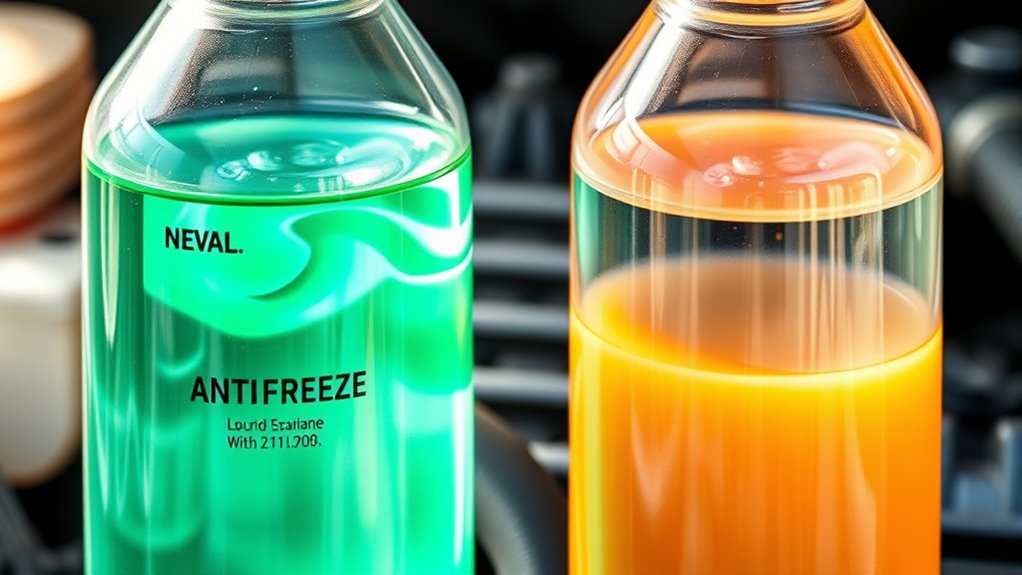
When it comes to maintaining your vehicle’s cooling system, understanding the difference between antifreeze and coolant is essential. While many people use these terms interchangeably, they actually serve distinct roles. Antifreeze is a concentrated liquid, usually made of ethylene glycol or propylene glycol, designed to lower the freezing point of your engine’s cooling liquid. Coolant, on the other hand, is a mixture of antifreeze and water, often combined with additives that improve performance. Knowing how each functions helps you keep your engine running smoothly and prevent costly repairs.
Your engine relies heavily on a cooling system to regulate temperature. When the system fails to do its job, you risk engine overheating, which can cause severe damage, including warped cylinders or a blown head gasket. Antifreeze plays a key role here, preventing the liquid inside your radiator from freezing in cold weather, which could crack the engine block. But it doesn’t just protect against freezing; antifreeze also helps prevent corrosion inside the cooling system. Over time, metal parts like the radiator and water pump are susceptible to rust and corrosion, which can clog the system and impair heat transfer. Using the right antifreeze mixture helps inhibit these processes, extending the lifespan of critical components.
Coolant, which is a carefully balanced mixture of antifreeze and water, provides the ideal thermal transfer needed to keep your engine within safe operating temperatures. Its primary function is to absorb heat from the engine and dissipate it through the radiator. When you maintain the correct coolant-to-antifreeze ratio, you ensure efficient heat exchange, reducing the risk of engine overheating. Additionally, coolant contains additives that protect against corrosion and scale build-up, which can obstruct flow and diminish cooling efficiency. Regularly checking and replacing your coolant mixture helps prevent overheating issues and keeps corrosion at bay, ensuring the cooling system functions reliably over time. Proper maintenance of both antifreeze and coolant can also help prevent engine damage, saving you money and time on repairs.
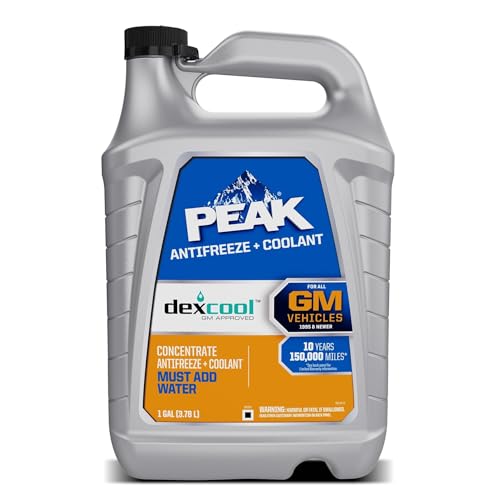
PEAK DEX-Cool® Antifreeze + Coolant, Premium Engine Coolant with Antifreeze, Car Antifreeze Coolant Mixture for GM Vehicles, 1 Gallon
VERSATILE ENGINE COOLANT: This antifreeze + coolant is designed for use in all GM vehicles 1995 and newer…
As an affiliate, we earn on qualifying purchases.
As an affiliate, we earn on qualifying purchases.
Frequently Asked Questions
Can Antifreeze Be Used Without Coolant?
You can use antifreeze without coolant, but it’s not recommended. Antifreeze alone can be effective in preventing freezing and corrosion, but it may not provide ideal cooling performance. When mixing antifreeze, ensure compatibility with your vehicle’s coolant system to avoid damage. For best results, follow your manufacturer’s guidelines and use a proper coolant mixture, which combines antifreeze with water to maintain engine temperature and protect against corrosion.
Are All Coolants Suitable for All Vehicle Types?
Compatibility counts when choosing coolants, so not all coolants suit all vehicle types. You need to take into account your vehicle’s specific requirements and the various coolant types available. Different engines demand different formulations, so check your owner’s manual for vehicle compatibility. Using the wrong coolant can cause corrosion, overheating, or engine damage. Always select a coolant that matches your vehicle’s needs to keep your engine efficient and enduring.
How Often Should Antifreeze/Coolant Be Replaced?
You should replace your antifreeze or coolant based on its longevity and your vehicle’s coolant maintenance schedule, typically every 2 to 5 years. Regularly check the coolant’s color and levels, and look for signs of contamination or corrosion. Following your manufacturer’s recommended intervals guarantees maximum engine protection, prevents overheating, and maintains coolant efficiency. Don’t ignore coolant replacement, as it’s essential for keeping your engine running smoothly.
What Are the Environmental Impacts of Antifreeze Disposal?
Think your antifreeze disposal is just a quick pour down the drain? Think again! You’re risking serious environmental hazards if you ignore disposal regulations. Antifreeze contains toxic chemicals that can contaminate water supplies and harm wildlife. Proper disposal minimizes environmental impacts, so follow local rules or take it to a hazardous waste facility. Don’t be that person who turns a simple task into an ecological disaster—think green before you drain!
Do Different Colored Coolants Mean Different Chemical Compositions?
Yes, different colored coolants often indicate chemical differences. You’ll notice color variations like green, orange, pink, or blue, which help identify the specific formulations and compatibility with your vehicle. These color distinctions aren’t just for looks—they signal different chemical compositions, corrosion inhibitors, and temperature ranges. Always check your vehicle’s manual to verify you select the right coolant, as mixing incompatible types can cause damage or reduce cooling efficiency.
PEAK DEX-Cool® Antifreeze + Coolant, Premium Engine Coolant with Antifreeze, Car Antifreeze Coolant Mixture for GM Vehicles, 1 Gallon
VERSATILE ENGINE COOLANT: This antifreeze + coolant is designed for use in all GM vehicles 1995 and newer…
As an affiliate, we earn on qualifying purchases.
As an affiliate, we earn on qualifying purchases.
Conclusion
Think of antifreeze and coolant as the guardian and the armor of your engine’s heart. They work together to protect and keep it running smoothly through every season’s challenge. Without them, your engine is like a brave knight exposed to harsh storms, vulnerable and at risk. So, guarantee you’re giving your vehicle the proper care—because in this battle against time and temperature, they’re your loyal protectors, safeguarding your journey every mile of the way.
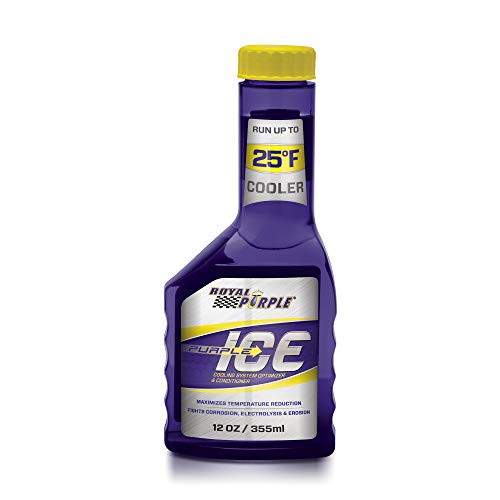
Royal Purple 01600 Purple Ice Super-Coolant Radiator Additive – 12 oz.
OPTIMIZES PROTECTION
As an affiliate, we earn on qualifying purchases.
As an affiliate, we earn on qualifying purchases.

Zerex Asian Vehicle Blue Silicate and Borate Free 50/50 Prediluted Ready-to-Use Antifreeze/Coolant 1 GA
5 year/150, 000 mile . Silicate-free, long-life, phosphate Hybrid Organic Acid Technology chemistry
As an affiliate, we earn on qualifying purchases.
As an affiliate, we earn on qualifying purchases.