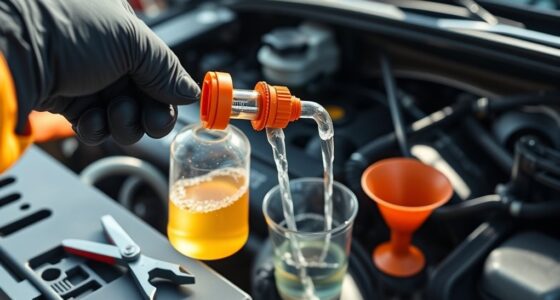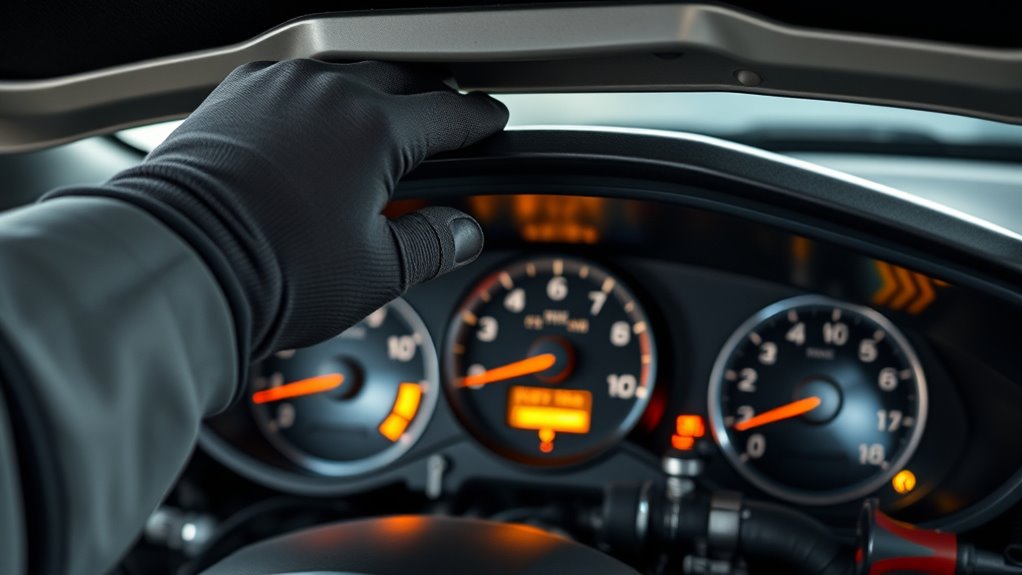

When your check engine light activates, the first step is to connect an OBD II scanner to the port under your dashboard to retrieve diagnostic trouble codes. These codes pinpoint specific issues, especially related to emissions or engine performance. Many auto parts stores offer free scans if you don’t have a scanner. Understanding what these codes mean helps you determine whether repairs are simple or need professional attention—discover more tips to diagnose your vehicle efficiently.

Get business pricing on garage and car supplies
- Business-only prices and quantity discounts
- Tax-exempt purchasing
- Multiple users, one account, clear invoices
Key Takeaways
- Use an OBD II scanner to retrieve diagnostic trouble codes (DTCs) from the vehicle’s onboard computer.
- Connect the scanner to the OBD II port, usually located under the dashboard, for accurate code reading.
- Interpret the codes to identify specific issues, especially focusing on emissions-related problems like a loose gas cap or faulty sensors.
- Address simple fixes first, such as tightening the gas cap, before considering more complex repairs.
- Consult a professional mechanic if unsure about codes or if repairs are beyond basic troubleshooting.
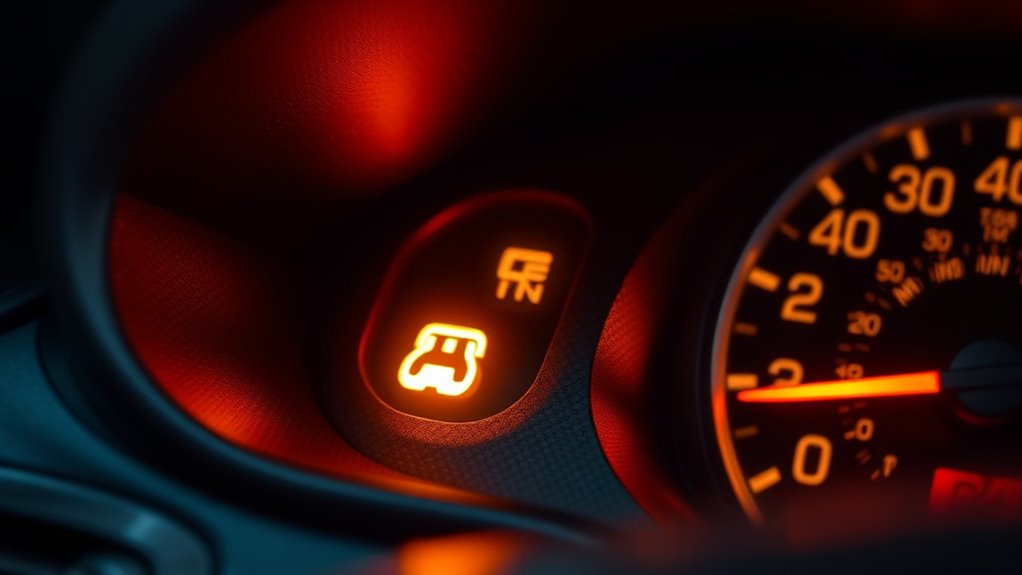
When your check engine light comes on, it’s a clear sign that something needs your attention. Ignoring it could lead to more serious issues down the line, so it’s best to address it promptly. The first step in diagnosing the problem is understanding what the light indicates. Modern vehicles are equipped with an onboard diagnostic system, known as OBD II, which constantly monitors your car’s various components and systems. When something goes wrong, the system records a code—called an OBD II code—that helps identify the specific issue. These codes are essential because they give you a starting point for troubleshooting, saving you time and guesswork.
Once the check engine light appears, you should connect a scanner to your vehicle’s OBD II port, usually located beneath the dashboard. The scanner retrieves the stored codes, which reveal what the vehicle’s computer has identified as problematic. Many auto parts stores or repair shops can perform this scan for free, or you can buy a scanner to do it yourself. When you review the OBD II codes, you’ll see alphanumeric sequences like P0171 or P0420. These codes point to specific issues, many of which relate to emissions systems, since they form a significant part of the vehicle’s diagnostics. Emission systems are designed to control pollutants released into the environment, and problems here can trigger the check engine light.
If the codes indicate issues with the emission systems, it could be something as simple as a loose gas cap or a faulty oxygen sensor. These are common causes and are often easy to fix. However, more serious problems, such as a malfunctioning catalytic converter or a damaged EGR valve, require professional attention. Addressing emission system issues is vital not only for passing emissions tests but also for ensuring your vehicle runs efficiently and environmentally friendly. Keep in mind, a problem with the emission systems can sometimes cause the check engine light to blink or stay steady, depending on the severity. Additionally, understanding the onboard diagnostic system can help you better interpret the codes and address issues more effectively.
As an affiliate, we earn on qualifying purchases.
Frequently Asked Questions
How Long Can I Drive With the Check Engine Light On?
You shouldn’t drive long with the check engine light on. It’s a warning light that indicates something needs attention, and ignoring it can lead to more costly repairs. Check your maintenance intervals and address issues promptly. Usually, you can drive for a few days or weeks if the car runs smoothly, but if you notice unusual sounds or performance drops, get it inspected immediately to prevent further damage.
Will a Check Engine Light Turn off on Its Own?
Like a whisper fading in the wind, your check engine light may turn off on its own if the issue resolves itself. Sometimes, a light reset happens after a successful drive cycle, but often, it stays until you address the root cause. Don’t rely solely on it disappearing; use an OBD-II scanner to reset the check engine light properly, ensuring your vehicle’s health is back on track.
Can I Drive Safely With a Blinking Check Engine Light?
You shouldn’t drive with a blinking check engine light, as it indicates serious issues like engine misfire or potential damage. Ignoring it can lead to costly repairs. Check for simple problems like low tire pressure or battery issues, but if the light persists, get your vehicle inspected promptly. Continuing to drive risks further damage, so it’s best to address the problem immediately rather than risk safety or larger repairs.
How Often Should I Have My Vehicle Diagnosed?
You should have your vehicle diagnosed as soon as the check engine light comes on, especially if it’s blinking. Regularly scheduling maintenance helps catch issues early, reducing repair costs. Use diagnostic tools during these check-ups to identify problems quickly. Ideally, get a diagnostic check at least once a year or if you notice any unusual performance. Prompt diagnosis guarantees your vehicle runs smoothly and prevents minor issues from becoming major repairs.
Are There DIY Methods to Reset the Check Engine Light?
You can reset the check engine light yourself using basic diagnostic tools or by following specific reset procedures. Many DIY enthusiasts use an OBD-II scanner, which easily clears codes and resets the light. Alternatively, disconnecting the battery for a few minutes can sometimes do the trick. Just make certain you’ve addressed any underlying issues first, because resetting the light without fixing the problem might hide serious engine trouble.
Conclusion
Remember, your check engine light is like a whisper from your car, hinting that something needs attention. Ignoring it is like closing your eyes to a storm brewing on the horizon—you’re risking more than you see. By paying attention and diagnosing the issue early, you’re steering clear of bigger problems down the road. So don’t wait for a sign to take action; listen to your car’s silent plea, and keep your journey smooth and safe.
Fall Picks
fall essentials
As an affiliate, we earn on qualifying purchases.