To change your engine oil safely, start by parking your vehicle on a flat surface and letting the engine cool down. Raise the front if needed, place a drain pan beneath the drain plug, and loosen it to drain old oil completely. Remove and replace the oil filter carefully, then refill with the recommended type and amount of oil. Always dispose of used oil responsibly—continue for detailed steps to guarantee a smooth, safe oil change process.
Key Takeaways
- Ensure the engine is cool and the vehicle is on a flat surface before starting.
- Secure the vehicle with proper tools like a jack stand to prevent accidents.
- Carefully loosen and remove the drain plug to let old oil drain completely.
- Install a new oil filter with a gasket, applying a thin layer of oil beforehand.
- Check the oil level with the dipstick after filling, and dispose of used oil properly.
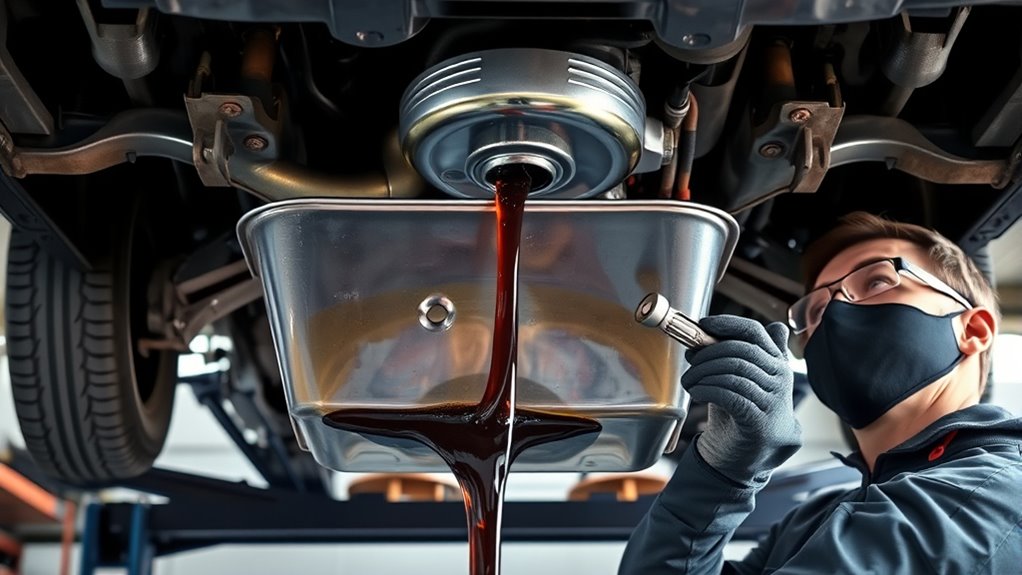
Changing your engine oil is an essential maintenance task that keeps your vehicle running smoothly. When you decide to change your oil, one of the first things you’ll want to address is the oil filter. The oil filter plays a crucial role in removing dirt, debris, and metal particles from the oil, helping to protect your engine from wear and tear. A clogged or worn-out oil filter can reduce oil flow, leading to poor lubrication and potential engine damage. When replacing the oil filter, make sure to select the correct type for your vehicle, and always apply a thin layer of fresh oil to the gasket before installing it. This helps create a proper seal and makes future replacements easier.
Changing your oil filter is vital for engine health; always select the correct type and apply a thin oil layer on the gasket.
Next, you should consider the oil viscosity, which refers to the thickness or flow rate of the oil at certain temperatures. Using the right oil viscosity is essential for optimal engine performance and longevity. Check your vehicle’s owner’s manual to find the recommended viscosity, often expressed as a number like 5W-30 or 10W-40. Pouring the correct oil ensures that your engine gets proper lubrication regardless of the weather conditions. If you use oil that’s too thick, it can strain your engine during cold starts; too thin, and it won’t provide adequate protection at high temperatures. When choosing the oil, also pay attention to whether it’s synthetic or conventional, based on your driving habits and manufacturer recommendations. Regularly inspecting your vehicle’s safety standards and regulations helps ensure that your maintenance practices remain compliant and safe.
Before draining the old oil, make sure your vehicle is parked on a flat surface and has cooled down after driving to prevent burns. Elevate the front of your car with a jack and secure it with jack stands if necessary. Place a container or oil drain pan underneath the drain plug, then carefully loosen the plug using a wrench. Let the oil completely drain out, which might take a few minutes. Once drained, replace and tighten the drain plug securely to prevent leaks. Now, pour in the new oil, starting with the amount recommended by your vehicle’s manual. Check the oil level with the dipstick, wiping it clean first, then inserting it back into the tube and pulling it out again to read the level. Add more if needed, but avoid overfilling, as excess oil can cause engine damage.
Finally, start your engine and let it run for a few minutes. Turn off the engine and recheck the oil level, adding more if necessary. Dispose of the used oil and filter properly by taking them to a recycling center or authorized disposal facility. By paying attention to details like the oil filter and oil viscosity, you guarantee your engine stays well-lubricated, efficient, and long-lasting. Regular oil changes not only protect your engine but also keep your vehicle performing at its best for miles to come.
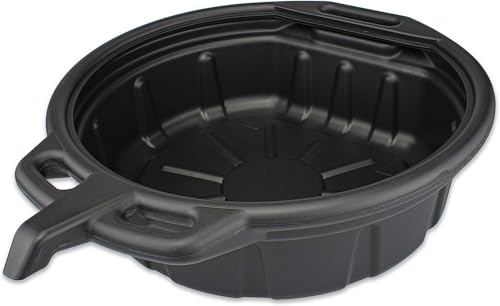
NEIKO 20762A Oil Drain Pan | Black Plastic Anti Splash | Motor Oil Drip Catcher Pan | 2 Gallon (8L) Capacity
[QUALITY]: Oil drip tray is constructed of high quality, recyclable polythene plastic that is resistant to corrosion so…
As an affiliate, we earn on qualifying purchases.
As an affiliate, we earn on qualifying purchases.
Frequently Asked Questions
Can I Switch to Synthetic Oil During an Oil Change?
Yes, you can switch to synthetic oil during an oil change. Synthetic oil benefits include better lubrication, improved engine performance, and longer intervals between oil changes. Just make certain your vehicle’s oil change timing aligns with the manufacturer’s recommendations, especially if switching from conventional oil. It’s a good idea to do a complete oil flush if switching types, but many vehicles handle the switch seamlessly during routine oil changes.
How Often Should I Check My Oil Level?
You should check your oil level at least once a month, or more often if you notice increased engine noise or exhaust smoke. While oil level indicators make it seem simple, don’t rely solely on them; your engine’s oil lifespan varies with driving habits. Regular checks prevent surprises, ensuring your engine stays well-lubricated. After all, neglecting these checks could turn a small issue into a costly repair—ironic, isn’t it?
Is It Necessary to Replace the Oil Filter Every Time?
Yes, you should replace the oil filter with every oil change. The replacement interval for the oil filter depends on your vehicle and driving habits, but it’s generally recommended to change it every time you change your engine oil. A new oil filter ensures your engine stays clean and runs efficiently, preventing debris buildup. Skipping filter replacement can lead to reduced oil flow and potential engine damage over time.
What Tools Are Essential for Changing Engine Oil?
Changing your engine oil is like giving your car a fresh breath. You’ll need essential tools like a wrench to remove the drain plug from the oil pan, a container to catch the old oil, and a funnel for pouring new oil. An oil filter wrench is also handy if you plan to replace the filter. These tools help you perform the oil drain and refilling smoothly and safely.
How Do I Dispose of Used Engine Oil Responsibly?
You should take your used engine oil to a recycling program or an authorized disposal facility to guarantee proper disposal safety. Never pour it down the drain, onto the ground, or into storm drains, as it contaminates water sources. Check local regulations for designated collection sites or drop-off centers. By recycling your used oil, you protect the environment and comply with environmental laws, making responsible disposal an easy part of your maintenance routine.

Motivx Tools Oil Filter Wrench for Toyota Camry, Tundra, Tacoma, 4Runner, RAV4 and More – 64mm 14 Flute Precision CNC Machined Aluminum Oil Filter Removal Tool
COMPATIBLE WITH ALL TOYOTA CARTRIDGE STYLE OIL FILTERS – The Motivx Tools 64.3mm 14 flute oil filter wrench…
As an affiliate, we earn on qualifying purchases.
As an affiliate, we earn on qualifying purchases.
Conclusion
Now that you’ve learned how to change your engine oil, you’re like a skilled gardener tending to your car’s heart. With each proper oil change, you’re nourishing its engine, helping it run smoothly like a well-oiled machine. Think of this task as giving your vehicle a fresh breath of life, ensuring it’s ready to hit the road with confidence. Keep up the good work, and your car will thank you with many miles of loyal service.

Amazon Basics Steel Jack Auto Stands, 3 Ton (2.7 metric Ton) Capacity, Easy to Use, Adjustable Height, 6,000 lb, 1 Pair, Black and Red
Pair of 3 Ton (2.7 metric Ton) jack stands with 6,000-pound capacity
As an affiliate, we earn on qualifying purchases.
As an affiliate, we earn on qualifying purchases.
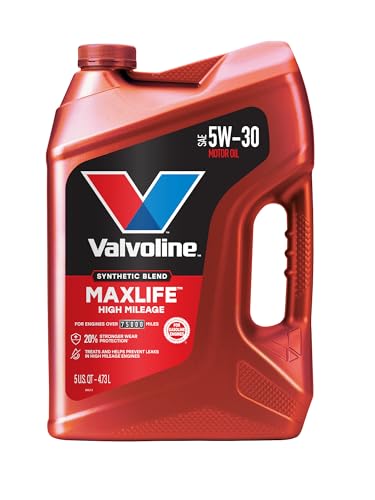
Valvoline MaxLife High Mileage 5W-30 Synthetic Blend Motor Oil 5 Quart
Formulated for engines with 75,000 miles or more, Valvoline MaxLife High Mileage synthetic blend is formulated with seal…
As an affiliate, we earn on qualifying purchases.
As an affiliate, we earn on qualifying purchases.