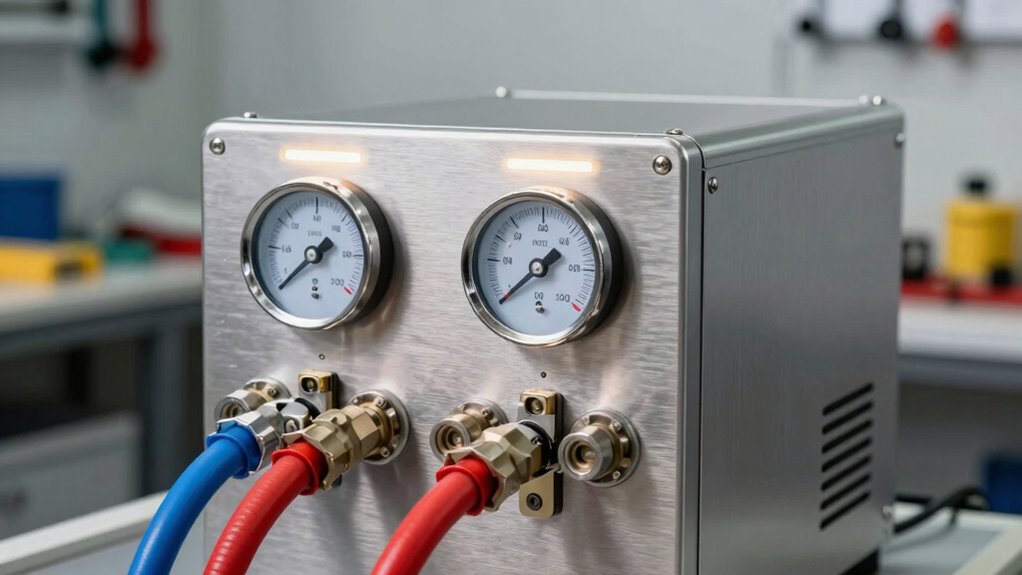

When selecting a dual refrigerant AC recovery machine, buyers face the challenge of balancing versatility, power, and ease of use. The best overall pick in 2026 is the Mastercool 69372 Dual Refrigerant Recovery System, thanks to its robust capacity and reliability. For those seeking portability and affordability, the VIVOHOME 110-120V AC 60Hz 3/4HP Portable Refrigerant Recovery Machine makes a strong case. Meanwhile, the Robinair 34288NI Economy R-134a is ideal for automotive technicians on a budget. Each option involves tradeoffs between features, complexity, and price. Continue reading for a detailed comparison to help you find the perfect fit for your needs.

Get business pricing on garage and car supplies
- Business-only prices and quantity discounts
- Tax-exempt purchasing
- Multiple users, one account, clear invoices
Complete the kit


Key Takeaways
- Dual refrigerant recovery machines vary significantly in power, with 1 HP units offering faster recovery but at higher cost and size.
- Portability is a key factor for mobile technicians, favoring lightweight, compact models with integrated handles.
- Oil-less compressors tend to require less maintenance but may have limits on recovery capacity compared to oil-lubricated models.
- Some machines include advanced features like automatic operation and high-pressure protection, which boost usability but increase price.
- Choosing the right refrigerant compatibility (R134a, R1234YF, R32, A2L) is critical to ensure your machine matches your typical service needs.


More Details on Our Top Picks
VIVOHOME 110-120V AC 60Hz 3/4HP Portable Refrigerant Recovery Machine
This VIVOHOME model stands out for its high recovery efficiency and broad refrigerant compatibility, making it suitable for a wide range of HVAC and automotive systems. Compared to the Robinair 34288NI, it offers faster cycle times, which benefits professionals handling multiple jobs daily. However, its weight and manual handling requirements can be a drawback for those needing portability. The automatic shut-off feature enhances safety, while its durable, corrosion-resistant design promises long-term reliability. It does not specify price or ease of use for beginners, so it’s best suited for experienced technicians needing versatile, robust equipment.
Pros:- High-efficiency recovery with rapid cycle times
- Wide refrigerant compatibility including R12, R22, R410A
- Automatic safety shut-off and overcurrent protection
- Durable, corrosion-resistant construction
Cons:- Heavy weight may hinder prolonged manual transport
- Requires familiarity with refrigerant handling procedures
Best for: Professional HVAC technicians and experienced repair shops needing a reliable, high-capacity recovery unit
Not ideal for: DIY users or small shop owners with limited space or minimal refrigerant recovery needs
- Voltage:110-120V
- Frequency:60Hz
- Power:3/4 HP
- Type:Single Cylinder
- Auto Shut-Off Pressure:558 PSI
- Refrigerant Compatibility:R12, R22, R134a, R410A, R401B, R402B, R404A, R402A, R509
Our verdict“This model is ideal for professional environments where efficiency and durability outweigh portability concerns.”
VEVOR Refrigerant Recovery Machine, 1 HP Dual Cylinder Portable AC Recovery Tool with Brushless Motor
This VEVOR unit excels with a powerful 1 HP brushless motor and dual-cylinder setup, enabling faster recovery rates than single-cylinder models like the VIVOHOME. Its large HD display for pressure monitoring and self-cleaning purge mode improve operational safety and accuracy, making it a preferred choice for detailed work. Compared to the Robinair 34288NI, it offers higher recovery speeds and more precise pressure management but may be more complex for beginners to operate. Its portability and safety features suit technicians who need quick, reliable results in various environments, although understanding refrigerant types is necessary for proper use.
Pros:- Fast recovery rates with high-speed brushless motor
- Accurate pressure monitoring via large HD display
- Compact, lightweight, and portable design
- Includes safety features like pressure protection and self-cleaning
Cons:- May be complex for users new to refrigerant recovery
- Price may be higher due to advanced features
Best for: Technicians requiring rapid recovery in automotive and commercial HVAC settings who value speed and precise monitoring
Not ideal for: Entry-level technicians or hobbyists unfamiliar with refrigerant types and advanced controls
- Motor Power:1 HP
- Refrigerant Types:R134a, 1234YF, R401A, R410A, R32, Category III, IV, V
- Recovery Rate:Liquid at 4.2 kg/min, Push/Pull at 9.5 kg/min
- Display Range:-14.5 to 800 psi
- Protection Features:Low & High Pressure Protection
- Applicable Uses:Automotive, Air Conditioners, Refrigerators, Freezers
Our verdict“This pick makes the most sense for professionals prioritizing recovery speed and detailed operation control.”
Robinair 34288NI Economy R-134a Refrigerant Recovery, Recycling, and Recharging Machine for Automotive A/C Systems
The Robinair 34288NI offers a straightforward solution for automotive professionals needing efficient recovery, recycling, and recharging of R-134A systems. Its automated features like oil drain and air purge streamline service, and its high accuracy ensures over 95% refrigerant recovery. Compared with the VIVOHOME, it is more focused on automotive applications, but it comes at a higher price point, which may deter casual users. Its dedicated 115V power requirement and limited scope to non-hybrid systems make it less versatile for broader HVAC use. Still, for automotive shops prioritizing simplicity and accuracy, it is a reliable choice.
Pros:- High accuracy, recovering over 95% of refrigerant
- Automated oil drain and air purge features
- User-friendly with a clear full-color display
- Reliable for consistent automotive service
Cons:- Relatively high cost for basic automotive use
- Limited to R-134A systems only
- Requires a dedicated power source
Best for: Automotive repair shops focusing on R-134A systems needing high accuracy with automation
Not ideal for: DIYers or multi-system HVAC technicians requiring recovery for various refrigerants and applications
- Display:4.3 inch full-color multilingual
- Operating dBA:Less than 70
- Max Pressure:396 PSI
- Operating Voltage:115V, 60 Hz
- Internal Tank Capacity:22 lb (10 kg)
Our verdict“Best suited for automotive technicians seeking automation and high recovery accuracy for R-134A systems.”
1HP R1234YF R32 Refrigerant Recovery Machine, Oil-Less Dual Cylinder Portable Freon Recycling Unit 110V-120V
This 1 HP dual-cylinder recovery machine is designed for versatility, handling a broad range of refrigerants like R1234YF and R32, similar to the VIVOHOME A2L. Its oil-less compressor and dual-cylinder design promote quick recovery speeds and safe operation at high pressures. While it matches the durability and portability of other models, its high-pressure operation demands careful handling. Compared to the VIVOHOME A2L, it offers comparable performance but may lack some safety features explicitly highlighted in other picks. It’s best for users who need a single unit capable of managing multiple refrigerant types across different HVAC contexts.
Pros:- Efficient recovery speed with dual-cylinder design
- Safe operation with automatic shutdown at high pressure
- Versatile for R12, R134a, R1234YF, R32, and more
- Portable and suitable for various settings
Cons:- Requires careful handling due to high-pressure operation
- Limited info on noise levels
- No details on included accessories
Best for: HVAC technicians needing a portable, multi-refrigerant recovery unit for diverse applications
Not ideal for: Beginners or small shops with limited refrigerant types or occasional use
- Power:1 HP
- Voltage:110-120V
- Frequency:60 Hz
- Cylinder:Dual oil-less
- Max Pressure:558 psi
- Application:Automotive, household, commercial HVAC
Our verdict“This machine fits professionals who need a portable, high-pressure capable recovery unit for multiple refrigerants and applications.”
VIVOHOME A2L 3/4HP Single Cylinder Portable Refrigerant AC Recovery Machine
The VIVOHOME A2L offers a compact yet powerful solution for refrigerant recovery with a 3/4 HP motor and an oil-less compressor. Its user-friendly design includes safety features such as automatic shut-off and pressure monitoring, making it accessible for technicians with some experience. Compared with larger, heavier units like the VEVOR 1 HP, this model emphasizes portability and ease of use, ideal for small spaces or mobile service. Its wide refrigerant compatibility, including R12, R134a, and R410A, makes it versatile for various applications. However, its weight nearing 30 pounds and limited troubleshooting info could challenge less experienced users.
Pros:- Efficient recovery speed with a 3/4 HP motor
- User-friendly operation with safety features
- Portable design with sturdy handle
- Compatible with many refrigerants
Cons:- Relatively heavy for frequent transport
- Limited detailed troubleshooting guidance
Best for: Technicians needing a portable, reliable recovery unit for small to medium jobs with a focus on ease of use
Not ideal for: Heavy-duty, high-volume shops or users needing extended operation without portability concerns
- Motor Power:3/4 HP
- Motor Speed:1750 rpm
- Weight:29.7 lbs
- Dimensions:16.5 x 9.8 x 13.6 inches
- Model:VH1503
- Refrigerant Compatibility:R12, R134a, R22, R410A, R1234yf, R454B, R32
Our verdict“This compact unit is perfect for mobile or small-scale technicians prioritizing portability and straightforward operation.”
Mastercool 69372 Dual Refrigerant Recovery System with 30 lb DOT Tanks
The Mastercool 69372 stands out for its robust design and versatility, making it the best choice for technicians who need reliable, high-capacity recovery. Its compatibility with both R134a and R1234yf refrigerants, combined with a powerful oil-less compressor, ensures fast recovery rates. Compared to the Airtek AC-Dual, it offers more durable construction and larger tanks, but it comes with increased weight and setup complexity for beginners. The spark-free components and float switches add safety, making it suitable for demanding environments. However, proper refrigerant handling and the heavier build mean it’s less ideal for casual or DIY users. This machine is perfect for professional technicians needing durable, high-capacity equipment.
Pros:- Compatible with multiple refrigerants (R134a & R1234yf)
- High recovery rates with a powerful oil-less compressor
- Safe operation with spark-free components and float switches
- Durable, portable design for field use
Cons:- Heavy when fully loaded, reducing portability
- Requires careful handling and setup for beginners
Best for: HVAC professionals and automotive technicians requiring high recovery capacity and durability
Not ideal for: Home users or hobbyists who need lightweight, easy-to-use equipment
- Refrigerant Compatibility:R134a & R1234yf
- Compressor:1/2 HP oil-less dual-piston
- Tank Capacity:30 lbs each
- Tank Type:DOT-approved with float switches
- Gauge Set:Dual brass manifold gauges
- Features:Spark-free components, high-efficiency fan, oversized condenser
Our verdict“This model is best suited for professional environments where reliability and capacity are priorities.”
Airtek AC-Dual Fully Automatic HVAC Recovery and Recharge Machine
The Airtek AC-Dual makes a strong impression for users seeking a fully automatic operation, especially those managing multiple vehicle types. Its software-controlled oil injection and quick refrigerant switching streamline the recovery and recharge process, making it highly user-friendly. Compared with the Robinair RG3, it supports a broader range of refrigerants and is better suited for technicians handling electric and hybrid vehicles. Its automatic features reduce manual oversight but require familiarity with HVAC systems to operate effectively. The lack of detailed specs like recovery rate makes it less transparent, and its price may be higher due to automation. This pick is ideal for busy technicians who value automation and versatility.
Pros:- Fully automatic operation simplifies workflow
- Supports multiple refrigerant types with quick switching
- Compatible with electric and hybrid vehicles
- Reduces manual effort and errors
Cons:- Requires familiarity with HVAC systems for optimal use
- Lack of detailed recovery rate data
Best for: HVAC shops and automotive technicians who prioritize automation and multi-refrigerant capability
Not ideal for: DIY enthusiasts or those on a tight budget wanting simple, manual operation
- Recovery Rate:95%
- Refrigerant Types:R134a, HFO1234yf
- Automatic:Yes
- Tank Capacity:Two empty refrigerant tanks
- Compatibility:All vehicle types including electric and hybrid
Our verdict“This machine is best for professionals seeking a high-tech, automated solution for diverse vehicle and HVAC applications.”
VEVOR Portable Refrigerant Recovery Machine, 1 HP 120V Dual Cylinder AC Recovery Unit for Automotive & Household HVAC
The VEVOR 1 HP Recovery Machine excels in delivering quick, efficient recovery across a wide range of refrigerants, making it ideal for those handling both automotive and household HVAC systems. Its high recovery rate of 7.7 lbs/min and dual-cylinder design reduce downtime significantly. Compared to Robinair RG3, it supports a broader array of refrigerants, including R410A and R1234yf, and offers features like self-cleaning and overcurrent protection for reliability. On the downside, its weight of nearly 31 pounds and lack of included accessories make it less convenient for light-duty, occasional use. It also requires a 120V outlet, limiting portability in some scenarios. This model fits well for users needing high efficiency and flexibility.
Pros:- High recovery rate with dual-cylinder design
- Supports a wide range of refrigerants
- Built-in protection features ensure safe operation
- Self-cleaning reduces maintenance
Cons:- Relatively heavy, less portable for frequent transport
- No accessories included for immediate setup
Best for: Technicians and homeowners needing fast, versatile recovery for multiple refrigerant types
Not ideal for: Users seeking a lightweight, plug-and-play device for infrequent use
- Power:1 HP
- Voltage:120V
- Recovery Rate:7.7 lbs/min
- Maximum Pressure:38.6 bar / 558 psi
- Refrigerants Supported:R134A, R22, R12, R410A, R404A, R502, R1234YF, R32
- Protection Features:High-pressure auto shut-off, overcurrent protection
Our verdict“This machine is ideal for users who prioritize speed, versatility, and reliable operation across various refrigerants.”
Robinair RG3 Portable Liquid and Vapor Refrigerant Recovery Machine
The Robinair RG3 offers a lightweight and compact design, making it a solid choice for residential, marine, and small appliance work. Its 18-pound frame and automatic safety shut-off at 550 PSI enhance portability and safety, but its limited size means it handles smaller jobs best. Compared to larger units like the Mastercool 69372, it sacrifices capacity for convenience, which might slow down recovery on bigger systems. Its 115V power requirement makes it accessible but limits use in some locations. Overall, it’s a practical option for those needing a portable unit for occasional, smaller tasks. This model is perfect for small-scale, mobile jobs where space and weight are key considerations.
Pros:- Lightweight and highly portable
- Handles a wide range of refrigerants including R-410A
- Automatic shut-off enhances safety
- Easy to store and transport
Cons:- Limited to small-scale jobs, slower recovery on large systems
- Requires 115V power, limiting options in some locations
Best for: Residential technicians and DIYers handling small appliances and marine systems
Not ideal for: Heavy-duty automotive or commercial HVAC applications requiring high capacity
- Weight:18 pounds
- Power:115V AC
- Horsepower:1/3 HP
- Refrigerant Compatibility:CFC, HFC, HCFC including R-410A
- Safety Features:High-pressure safety shut-off
Our verdict“This machine is ideal for users needing a compact, portable unit for small-scale refrigerant recovery tasks.”
VEVOR 1 HP Refrigerant Recovery Machine – Dual Cylinder Portable AC Recovery with High Pressure Protection
The VEVOR 1 HP Recovery Machine offers a high recovery rate with its dual-cylinder setup, making it suitable for demanding HVAC and automotive environments. Its maximum pressure of 38.6 bar (558 psi) and self-cleaning features support continuous operation without frequent maintenance. Compared with Robinair RG3, it supports more refrigerants, including R134A, R22, and R1234YF, making it versatile for different systems. However, the 30.9-pound weight and lack of included accessories mean it’s less convenient for quick, casual jobs. Its reliance on a 120V outlet can limit portability in some settings. This model is best for professionals needing rapid, high-capacity recovery with safety features.
Pros:- Fast recovery with dual-cylinder design
- Supports a broad range of refrigerants
- High-pressure protection for safe operation
- Self-cleaning reduces residue buildup
Cons:- Relatively heavy, less portable for frequent movement
- No included accessories, requiring additional purchases
Best for: HVAC and automotive technicians performing high-volume recovery tasks
Not ideal for: Occasional DIY users or those working on small appliances due to weight and complexity
- Power:1 HP
- Voltage:120V
- Recovery Rate:7.7 lb/min
- Maximum Pressure:38.6 bar / 558 psi
- Refrigerants Supported:R134A, R22, R12, R410A, R404A, R502, R1234YF, R32
Our verdict“This machine is well-suited for high-demand environments where speed and safety are priorities.”
VIVOHOME A2L 1 HP Dual Cylinder Portable Refrigerant Recovery Machine
The VIVOHOME A2L 1 HP stands out for its high-powered twin-cylinder design, enabling rapid vapor and liquid recovery, making it ideal for professionals handling diverse refrigerant types. Compared to the single-cylinder VIVOHOME 3/4HP, this model offers faster recovery times and broader refrigerant compatibility, though it is heavier and may require more technical knowledge for optimal use. Its dual-stage filtration and safety features like automatic shut-off provide peace of mind during operation. This machine is well-suited for technicians needing efficiency across various systems but might be overkill for occasional DIY users who prefer simpler, lighter options.
Pros:- High-efficiency recovery with rapid vapor and liquid extraction
- Wide refrigerant compatibility including R32, R134a, R22, and more
- Safety features like automatic shut-off and pressure warnings
- Corrosion-resistant housing and ergonomic design
Cons:- Heavy weight can hinder prolonged manual handling
- Requires some technical know-how for optimal operation
Best for: HVAC professionals and automotive technicians needing fast, reliable recovery with broad refrigerant compatibility
Not ideal for: Homeowners or hobbyists seeking lightweight, easy-to-use units for infrequent use, due to its weight and complexity
- Motor Power:1 HP
- Revolutions:1750 r/min
- Cylinder Type:Dual-cylinder, oil-less, air-cooled
- Refrigerant Compatibility:R32, R134a, R22, R410A, R1234yf, R454B, and more
- Maximum Pressure:558 PSI
- Filtration:Dual-stage filtration with filter drier and mesh intake filter
Our verdict“This model is best for experienced users who need fast, versatile recovery across multiple refrigerant types.”
3/4 HP Single Cylinder Refrigerant Recovery Machine, 110V 60Hz Portable Oil-less Freon Recycling Unit for Automotive and Household HVAC Systems
The 3/4 HP single-cylinder recovery machine offers a compact and affordable solution for automotive and household HVAC needs, making it suitable for DIYers and small-scale technicians. Its efficient recovery speed benefits from the 3/4 HP oil-less compressor, but compared with dual-cylinder options like the B0BL3DB8BC, it recovers refrigerants slightly slower. Its safety features, including pressure gauges and automatic shutdown, enhance reliability, though it’s not designed for highly flammable or corrosive refrigerants. This unit strikes a balance between portability and performance for those who do not require the rapid recovery of larger machines.
Pros:- Efficient recovery with a powerful 3/4 HP compressor
- Compact, lightweight, and portable design
- Built-in safety protections including pressure gauges
- Affordable for small-scale use
Cons:- Not suitable for flammable or corrosive refrigerants
- Less fast recovery compared to dual-cylinder units
Best for: DIY homeowners and small repair shops needing a portable, easy-to-handle recovery unit
Not ideal for: Industrial or heavy-duty professionals dealing with large systems or demanding recovery speeds, due to its limited capacity
- Power:3/4 HP
- Voltage:110V-120V
- Application:Automotive, Household, Commercial HVAC
- Refrigerant Compatibility:R12, R134a, R22, R410A, and more
Our verdict“This machine is ideal for budget-conscious users performing occasional or small-scale refrigerant recovery tasks.”
VIVOHOME A2L 1 HP Dual Cylinder Portable Refrigerant Recovery Machine
The VIVOHOME A2L 1 HP dual-cylinder model closely resembles the B0BL3DB8BC, with a focus on safety features like high-pressure shut-off and overcurrent protection, making it suitable for users who prioritize safety in demanding environments. Its dual-stage filtration and ergonomic design make operation smoother, but it shares the same weight challenges as other dual-cylinder units. Compared with the single-cylinder B09S617DW2, it offers faster recovery times and broader refrigerant support, though it demands a higher level of maintenance. This pick makes the most sense for technicians working with various refrigerants in professional settings.
Pros:- High-efficiency recovery with rapid vapor and liquid extraction
- Wide refrigerant compatibility including R32, R134a, R22, R410A, and more
- Enhanced safety with high-pressure shut-off and protection features
- User-friendly controls and corrosion-resistant housing
Cons:- Heavy for long handling sessions
- Requires proper maintenance for peak performance
Best for: Experienced HVAC technicians requiring safety features and high versatility for refrigerant recovery
Not ideal for: Infrequent users or DIY enthusiasts who prefer simpler, lightweight units for occasional use
- Motor Power:1 HP
- Revolutions:1750 r/min
- Cylinder Type:Dual-cylinder, oil-less
- Cooling Method:Air-cooled
- High-Pressure Shut-off:558 PSI
- Filtration:Dual-stage with filter drier and mesh intake
Our verdict“This model best suits professional users demanding safety, speed, and versatility in refrigerant recovery.”
1 HP Dual Cylinder Oil-Less Refrigerant Recovery Machine
The 1 HP dual-cylinder oil-less recovery machine offers robust performance with a powerful compressor designed for quick recovery of vapor and liquid refrigerants. Its safety features, like pressure gauges and overload protection, make it reliable for automotive and commercial applications. While it shares the same high-pressure capabilities as the other dual-cylinder models, its slightly larger size and noise level of 70 dB may be less convenient for quiet environments. Compared to the smaller B09S5Z8S2V, it provides more power and durability but at the expense of portability. This unit clearly targets users who need consistent, heavy-duty performance over portability.
Pros:- Powerful 1 HP dual-cylinder compressor for fast recovery
- Safety features like pressure gauges and overload protection
- Compact and portable considering its power, with easy transport
- Wide refrigerant compatibility including R134a, R410A, and more
Cons:- Incompatible with single-use refrigerant tanks
- Noise level of 70 dB may be disruptive in quiet settings
Best for: Commercial technicians and professionals who require high power and durability for frequent, intensive recovery tasks
Not ideal for: DIYers or users needing a lightweight, quiet unit for occasional use, as it is heavier and louder
- Voltage:110 volts
- Maximum Power:1 hp
- Tank Volume:1 liters
- Maximum Pressure:26 bar
- Item Weight:33 pounds
Our verdict“This recovery machine is best suited for high-demand environments where power and durability outweigh portability concerns.”

How We Picked
To determine the best dual refrigerant AC recovery machines, I focused on key criteria that matter most to users. Performance was evaluated based on recovery speed, capacity, and refrigerant compatibility. Usability factors included ease of operation, portability, and maintenance requirements. Build quality and durability were essential for long-term reliability, especially in professional settings. I also considered value for money, balancing features against price to identify options that deliver the best tradeoff for different types of users. The rankings reflect a combination of these factors, emphasizing versatility, performance, and user experience.Factors to Consider When Choosing Dual Refrigerant Ac Recovery Machine
Choosing the right dual refrigerant AC recovery machine involves understanding several critical factors. Buyers should consider the machine’s power and recovery speed, refrigerant compatibility, ease of use, and maintenance needs. Cost is also an important consideration, especially when balancing features against budget constraints. A well-chosen machine will improve efficiency, reduce downtime, and last through frequent use. Keep in mind that some models excel in professional environments, while others are better suited for DIY repairs or occasional work.Power and Recovery Speed
The power of the compressor, often measured in horsepower, directly affects how quickly a machine can recover refrigerant. Higher HP units typically recover faster, which is essential for professional use or when servicing multiple systems daily. However, these units tend to be larger, heavier, and more expensive. Lower HP models may be sufficient for occasional DIY repairs but can slow down workflow for busy technicians. Consider your workload and whether speed or portability is more important for your use case.
Refrigerant Compatibility
Some recovery machines are limited to specific refrigerants like R134a, while others support multiple types including R1234YF, R32, and A2L blends. Matching your typical refrigerant types with the machine’s capabilities prevents compatibility issues and saves time. For professionals working with diverse systems, a multi-refrigerant machine offers more flexibility. Be aware that broader compatibility might come at a higher initial cost, but it can improve efficiency over time.
Ease of Use and Automation
Features like automatic start/stop, digital displays, and integrated gauges simplify operation and reduce errors. For beginners or infrequent users, these features can make a significant difference in ease of use. Manual models require more attention and experience but often cost less. Consider your skill level and how much time you are willing to spend on setup and operation when choosing a machine. Automated features tend to increase upfront costs but improve productivity and reduce user fatigue.
Maintenance and Durability
Oil-less compressors generally require less maintenance and are cleaner to operate, making them appealing for DIYers. However, oil-lubricated units often have greater durability and higher recovery capacities, suitable for heavy-duty use. The build quality of materials and the availability of replacement parts also influence long-term reliability. If you plan frequent use, investing in a more durable, professional-grade machine can provide better value over time, despite higher initial costs.
Cost and Value
While budget models may suffice for light, infrequent tasks, investing in a higher-quality machine can save money through increased efficiency, durability, and reduced downtime. Consider what features are essential for your work—such as refrigerant support, recovery speed, and automation—and weigh these against your budget. Remember that cheaper units might lack critical safety features or have shorter lifespans, leading to higher long-term expenses.
Frequently Asked Questions
Can I use a dual refrigerant recovery machine for both automotive and HVAC systems?
Yes, many dual refrigerant recovery machines are designed to handle both automotive and HVAC systems, supporting multiple refrigerants like R134a, R1234YF, and R32. However, it is important to verify the specific refrigerant types supported by the machine before purchasing. Using a machine that supports your typical refrigerants ensures compatibility and efficiency. Keep in mind that certain models may perform better with specific refrigerants or system sizes, so choose accordingly based on your primary use cases and refrigerant types.
What safety features should I look for in a dual refrigerant recovery machine?
Safety features such as high-pressure protection, automatic shutoff, and leak detection are essential when working with refrigerants. High-pressure protection prevents the compressor from damage during extreme conditions, while automatic shutoff reduces the risk of operator error. Leak detection helps identify issues early, preventing refrigerant loss and environmental harm. Investing in a machine with these features enhances safety and prolongs the lifespan of the equipment, especially in professional environments where reliability is critical.
Is a higher horsepower recovery machine always better?
Not necessarily. While higher horsepower units recover refrigerant faster and handle larger systems more efficiently, they are often bulkier and more expensive. For occasional or DIY use, a lower HP machine may be sufficient, saving space and money. Conversely, for high-volume or professional applications, investing in a more powerful machine can significantly improve productivity. The key is matching the machine’s capacity to your typical workload and system size to avoid overspending on unnecessary power.
How important is refrigerant support for future-proofing my investment?
Supporting multiple refrigerants, including newer and environmentally friendly options like R1234YF and R32, can make your recovery machine more versatile and future-proof. As regulations evolve and older refrigerants phase out, having a machine compatible with the latest types ensures continued usability. This flexibility can save money and effort in the long run, especially for professionals who need to adapt to changing standards or work with a variety of systems.
Should I prioritize automatic features or manual controls?
Automatic features such as digital displays, auto shutoff, and push-button operation simplify the recovery process and reduce user error, making them ideal for beginners or busy technicians. Manual controls may require more experience but can offer greater flexibility and cost savings. If you perform frequent or complex recoveries, automation can speed up your workflow and improve safety. For infrequent or straightforward tasks, a manual machine may suffice, but investing in automation can still provide long-term benefits in ease of use.
Conclusion
The best overall dual refrigerant AC recovery machine for most users is the Mastercool 69372 Dual Refrigerant Recovery System, thanks to its combination of speed, durability, and versatility. Budget-conscious DIYers or mobile technicians should consider the VIVOHOME 110-120V AC 60Hz 3/4HP Portable Refrigerant Recovery Machine for its compact size and affordability. For those seeking premium features and professional-grade performance, the Robinair 34288NI Economy R-134a offers excellent value. Beginners or occasional users will benefit from models with automatic operation, while professionals should prioritize machines with higher capacity and refrigerant support. Matching your specific needs and budget will ensure a reliable, efficient recovery process in 2026.
Fall Picks
fall essentials
As an affiliate, we earn on qualifying purchases.