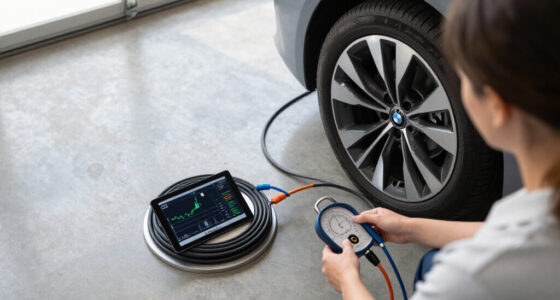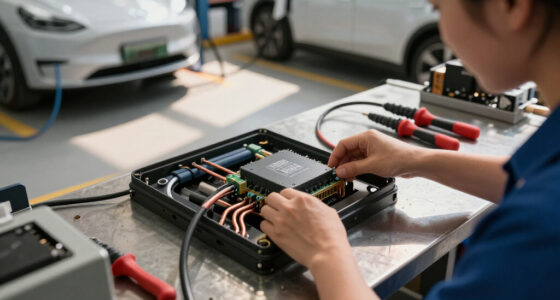

Taking good care of a vehicle involves more than fixing problems when a warning light appears. It means protecting the paint, maintaining critical components, keeping the cabin comfortable, using safe garage equipment, and making informed decisions about upgrades. Whether you are caring for a daily commuter, restoring a weekend car, or building a capable home garage, the right approach begins with understanding what each task requires—and which jobs should be left to professionals.

Get business pricing on garage and car supplies
- Business-only prices and quantity discounts
- Tax-exempt purchasing
- Multiple users, one account, clear invoices
This automotive and garage hub brings those priorities together. Use it to build a practical maintenance routine, improve your detailing process, select appropriate tools, and explore performance or audio upgrades without losing sight of safety and reliability.
Start With a Sensible Car-Care Routine
A dependable routine is built around three layers: frequent inspections, scheduled maintenance, and long-term protection. Frequent inspections help you notice changes in tire pressure, fluid levels, exterior condition, lighting, and vehicle behavior. Scheduled maintenance covers items such as oil, filters, brakes, coolant, spark plugs, belts, and transmission service according to the vehicle manufacturer’s recommendations. Long-term protection includes paint care, corrosion prevention, interior cleaning, and prompt attention to small defects.
The owner’s manual should remain your primary reference for service intervals, fluid specifications, lifting points, tire pressures, and warning indicators. Generic advice can help you understand a task, but it should not override instructions written for your exact make, model, engine, and drivetrain.
- Check tire pressure when the tires are cold and inspect the tread for uneven wear.
- Monitor engine oil and other accessible fluids using the procedures in the owner’s manual.
- Confirm that headlights, brake lights, indicators, and wipers operate correctly.
- Listen for new noises and note changes in steering, braking, shifting, or ride quality.
- Remove bird droppings, insects, road salt, and other contaminants before they remain on the finish.
- Keep records of maintenance, repairs, installed parts, and fluid types.
Consistency matters more than attempting every possible service at once. A short monthly inspection and a seasonal review can identify issues before they become expensive, inconvenient, or dangerous.
As an affiliate, we earn on qualifying purchases.
Exterior Detailing: Clean Before You Correct
Exterior detailing should proceed from the least aggressive step to the most aggressive one. Begin with a thorough wash that removes loose dirt while minimizing friction. Use clean tools, work out of direct sun when practical, and avoid allowing chemicals to dry on the surface. Separate wheel-cleaning equipment from tools used on paint because brake dust and embedded grit can cause scratches.
Drying deserves the same care as washing. Dragging a rough or contaminated cloth across wet paint can create marks even after a careful wash. Large, absorbent towels can reduce repeated passes, while a gentle blotting or controlled wiping technique limits unnecessary pressure. Our guide to the best professional car drying towels explains the options for enthusiasts who want a more deliberate drying setup.
Decontamination, Polishing, and Paint Correction
If clean paint still feels rough, bonded contamination may be present. Chemical decontamination products and detailing clay can remove material that normal washing leaves behind, but both should be used according to their instructions. After decontamination, inspect the paint under good lighting before deciding whether polishing is necessary.
Polishing removes or refines a small amount of the upper surface to reduce visible defects. It is not simply another cleaning step. Pad type, abrasive strength, machine speed, working time, paint hardness, and technique all affect the result. Beginners should start conservatively and practice before pursuing heavy correction. The roundup of high-quality automotive buffers for a perfect shine is a useful starting point when comparing machines for correction and finishing work.
Some scratches penetrate too deeply to polish safely. If a scratch catches a fingernail, exposes primer or metal, or sits near a thin edge, professional assessment may be wiser than continued abrasion. Paint-depth measurements and experience are particularly important on older, repainted, or previously corrected panels.
Protect the Finish After Polishing
Freshly cleaned or corrected paint should be protected. Waxes, sealants, and coatings differ in application, maintenance, appearance, and durability. The best choice is the one that suits your preparation time and willingness to maintain it. A sealant can be a practical option for drivers seeking a protective layer without turning every wash into an elaborate project. Compare approaches in our guide to the best professional paint sealants.
No protective product makes paint maintenance-free. Gentle washing, suitable chemicals, and prompt contaminant removal still matter. Before applying anything, follow its surface-preparation requirements and confirm that it is appropriate for the finish.
Wheels, Tires, Glass, and Exterior Trim
Wheels and tires operate in a harsh environment filled with heat, road film, brake dust, and moisture. Clean them only when the surfaces are cool, and verify that each cleaner is compatible with the wheel finish. Painted, polished, anodized, chrome-plated, and bare-metal surfaces may require different chemistry.
Tire dressing should be applied to a clean, dry sidewall rather than layered over old product and dirt. Use a controlled amount and remove excess to reduce sling onto the bodywork. Dressing belongs on the sidewall, never on the tread or any braking surface. For finish types and application considerations, consult our selection of premium tire shine products.
Clean exterior glass with dedicated towels, working in different directions inside and outside so remaining streaks are easier to locate. Inspect wiper blades for cracking or skipping, and keep abrasive household products away from tinted films, instrument screens, and sensitive trim.
Interior Care and Cabin Preservation
A clean cabin is more pleasant to use and easier to inspect. Start by removing loose items, then vacuum seats, carpets, crevices, and cargo areas. Treat surfaces according to their material rather than relying on one strong cleaner for everything. Leather, coated leather, vinyl, fabric, plastics, screens, and unfinished trim respond differently to moisture and chemicals.
Test unfamiliar products in an inconspicuous area, avoid saturating switches or seat seams, and use soft brushes around delicate controls. Clean seat belts with methods approved by the manufacturer; harsh chemicals can affect their fibers. Persistent odors often require identifying the source, such as damp carpeting, food residue, a clogged cabin filter, or an HVAC moisture problem, rather than masking the smell.
DIY Maintenance and Knowing Your Limits
Many owners can safely handle basic tasks such as replacing wiper blades, changing some filters, checking fluids, swapping bulbs, or rotating tires when they have the correct information and equipment. Complexity varies widely between vehicles, however. Even a seemingly simple job can involve fragile connectors, electronic calibration, high temperatures, hazardous fluids, or unusual access procedures.
Before beginning any repair, confirm the required parts, torque values, tools, safety precautions, and disposal requirements. Allow hot components to cool, disconnect electrical power when the procedure calls for it, and never improvise around fuel, airbags, high-voltage hybrid systems, or pressurized cooling systems.
Safe Lifting in the Home Garage
Vehicle lifting is one area where shortcuts are unacceptable. Work on a solid, level surface and identify the manufacturer-approved lifting and support points. A floor jack raises the vehicle; correctly rated jack stands support it. Never place any part of your body beneath a vehicle supported only by a hydraulic jack.
Capacity, lift range, saddle design, construction, maneuverability, and compatibility with the vehicle all deserve attention when choosing equipment. Our overview of premium floor jacks for heavy-duty lifting can help frame that decision. Wheel chocks, suitable stands, good lighting, and a torque wrench should be considered part of the lifting system rather than optional extras.
After wheel installation, tighten fasteners using the specified pattern and torque value. Recheck them if the manufacturer or wheel supplier recommends doing so. If the ground is unstable, the lifting points are damaged, or you are uncertain about placement, stop and use a professional facility.
Minor Body Damage and Paintless Dent Repair
Paintless dent repair can reshape certain dents without conventional filling and repainting, but success depends on the dent’s location, depth, sharpness, access, and paint condition. Broad, shallow dents in flexible areas may be suitable candidates. Creases, stretched metal, damaged paint, panel edges, and obstructed areas are much less forgiving.
DIY kits may include glue-pulling tabs, bridges, hammers, knockdowns, lights, or rods. Each tool requires restraint because excessive pulling or poorly placed pressure can create high spots, crack paint, or make the damage harder to repair. Review the best high-end paintless dent repair kits to understand common tool configurations before deciding whether a dent is appropriate for home repair.
When the vehicle has valuable original paint or the damage crosses a body line, an experienced technician may provide the safer path. A professional estimate can also clarify whether paintless repair is feasible before irreversible work begins.
Performance Tuning and Diagnostic Awareness
Modern vehicles use electronic control systems to manage fueling, ignition, boost, emissions equipment, transmission behavior, and many other functions. Tuning software can expose some of these parameters, but access does not make every change safe. Adjustments must account for hardware, fuel quality, operating temperatures, sensor data, mechanical condition, and legal requirements.
Begin with a healthy vehicle. Tuning should not be used to conceal misfires, leaks, overheating, transmission faults, or neglected maintenance. Keep original files and configuration records, understand recovery procedures, and use reliable power support when an interface requires it. Our guide to professional car tuning software for precision performance outlines tools aimed at more advanced users.
Changes affecting emissions systems, roadworthiness, warranties, or insurance can have legal and financial consequences. Requirements vary by location, so verify current rules before modifying software or hardware. When calibration changes could increase engine or transmission stress, work with a qualified tuner who can review logs and validate the result under controlled conditions.
Audio Upgrades Without Compromising the Vehicle
A successful car-audio system is designed as a complete signal and power chain. Source quality, speaker placement, amplification, tuning, electrical capacity, wiring, and acoustic treatment all influence the outcome. Buying expensive components without considering compatibility can produce disappointing sound or electrical problems.
Start by defining the goal: greater clarity, stronger bass, improved imaging, higher output, modern connectivity, or preservation of a factory appearance. Then confirm fitment, impedance, power requirements, integration interfaces, and available installation space. Explore our guide to high-end car stereo systems for ultimate sound quality when planning a premium installation.
Wiring should be fused, routed, secured, and protected correctly. Modern vehicles may integrate audio with alerts, microphones, cameras, steering-wheel controls, amplifiers, and data networks, making professional installation worthwhile when the system is deeply embedded in the vehicle’s electronics.
Build a Garage Around the Work You Actually Do
A capable garage does not need every specialized tool. Begin with safe lighting, organized storage, basic hand tools, protective equipment, cleaning supplies, a tire-pressure gauge, and tools appropriate to your routine maintenance. Add specialized equipment only when a recurring task justifies it.
Keep chemicals labeled and stored according to their instructions, separate clean detailing supplies from greasy repair tools, and inspect cords, hoses, jacks, stands, and power tools periodically. Maintain a clear walking area and clean spills promptly. Good organization saves time, but its more important purpose is preventing mistakes.
The most effective automotive-care strategy combines observation, preparation, suitable tools, and restraint. Maintain the mechanical fundamentals first, protect the vehicle with consistent cleaning, and approach repairs or upgrades with vehicle-specific information. When a task exceeds your equipment or experience, choosing professional help is part of responsible ownership—not a failure of DIY ambition.
Evergreen bestsellers Picks
bestsellers
As an affiliate, we earn on qualifying purchases.